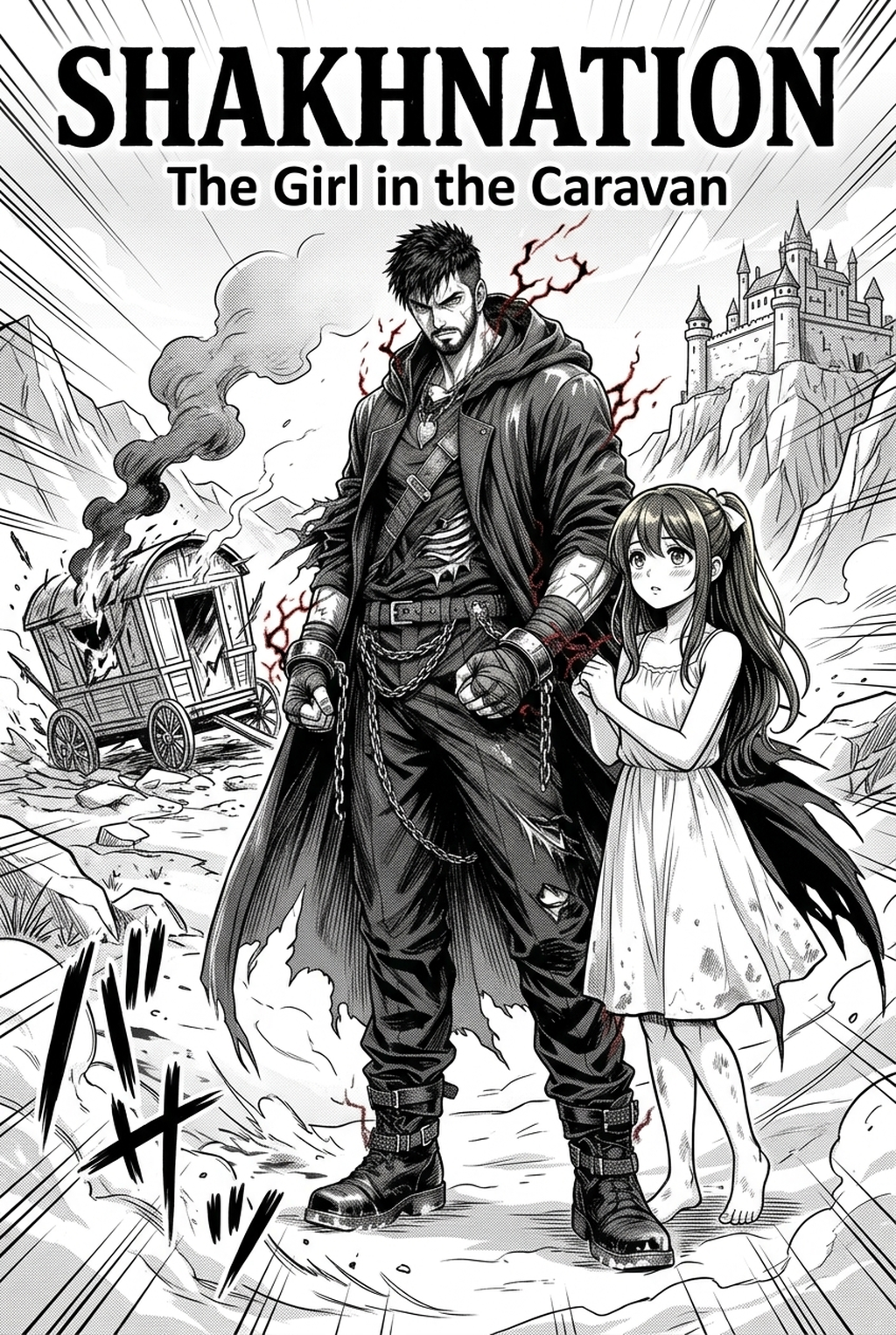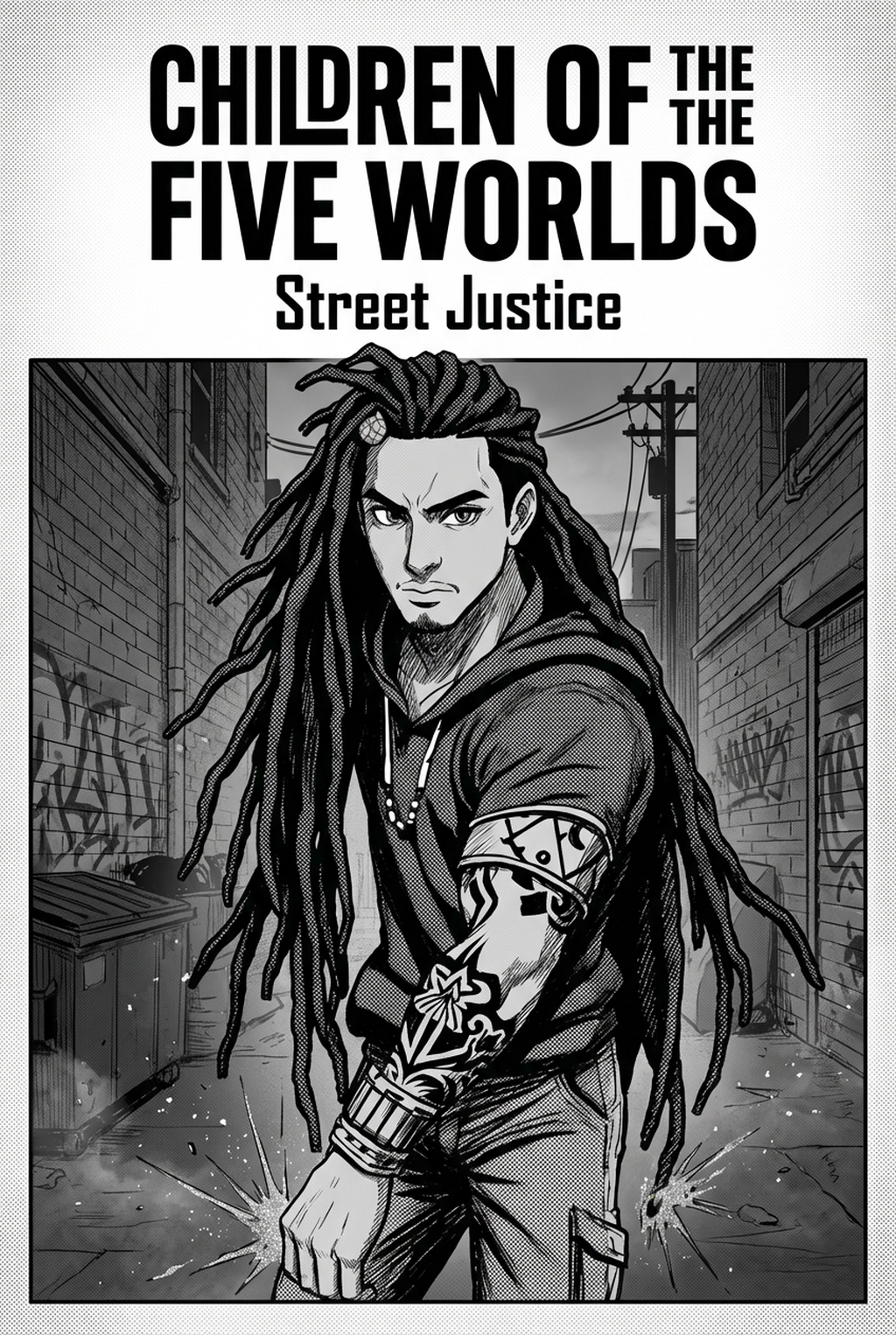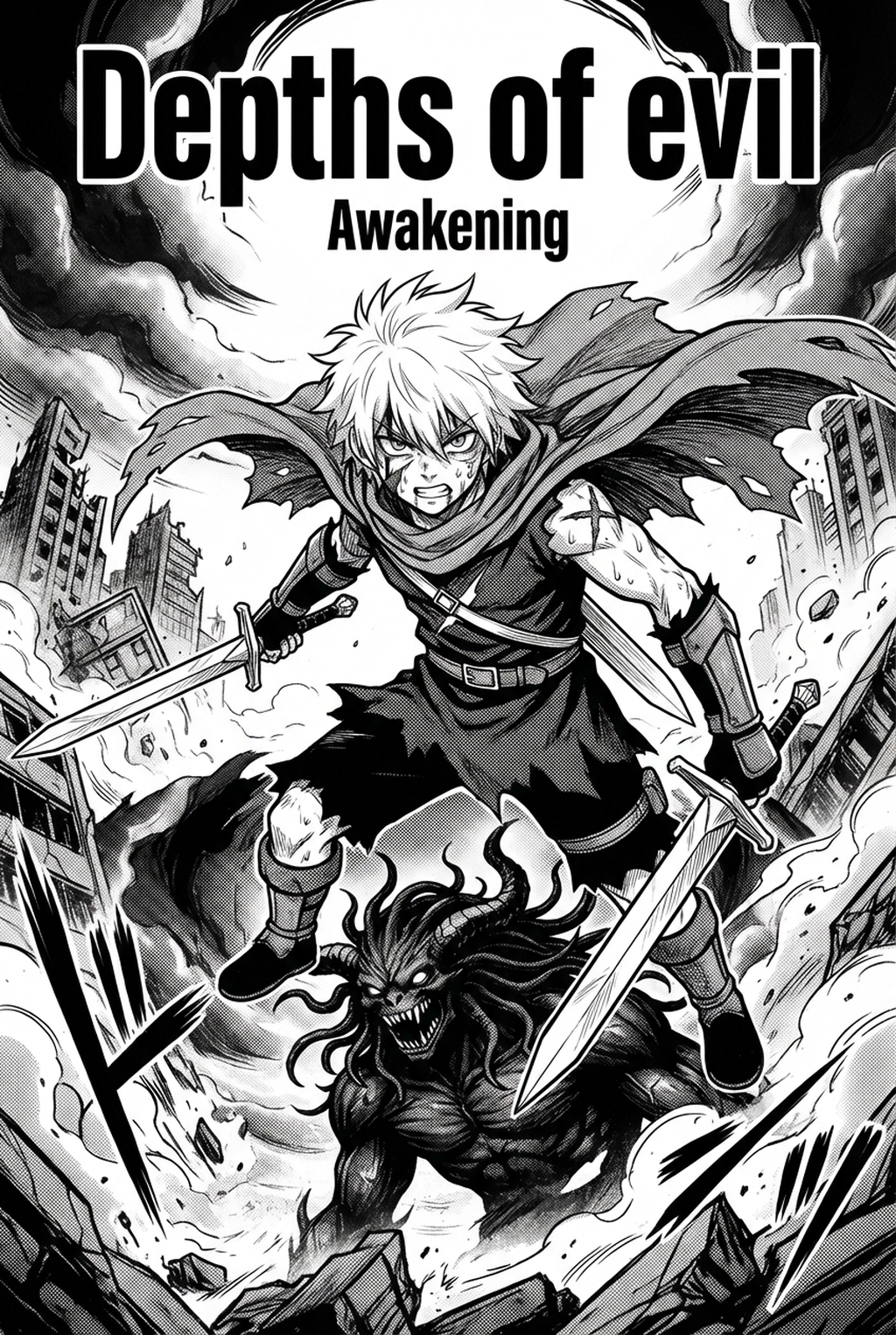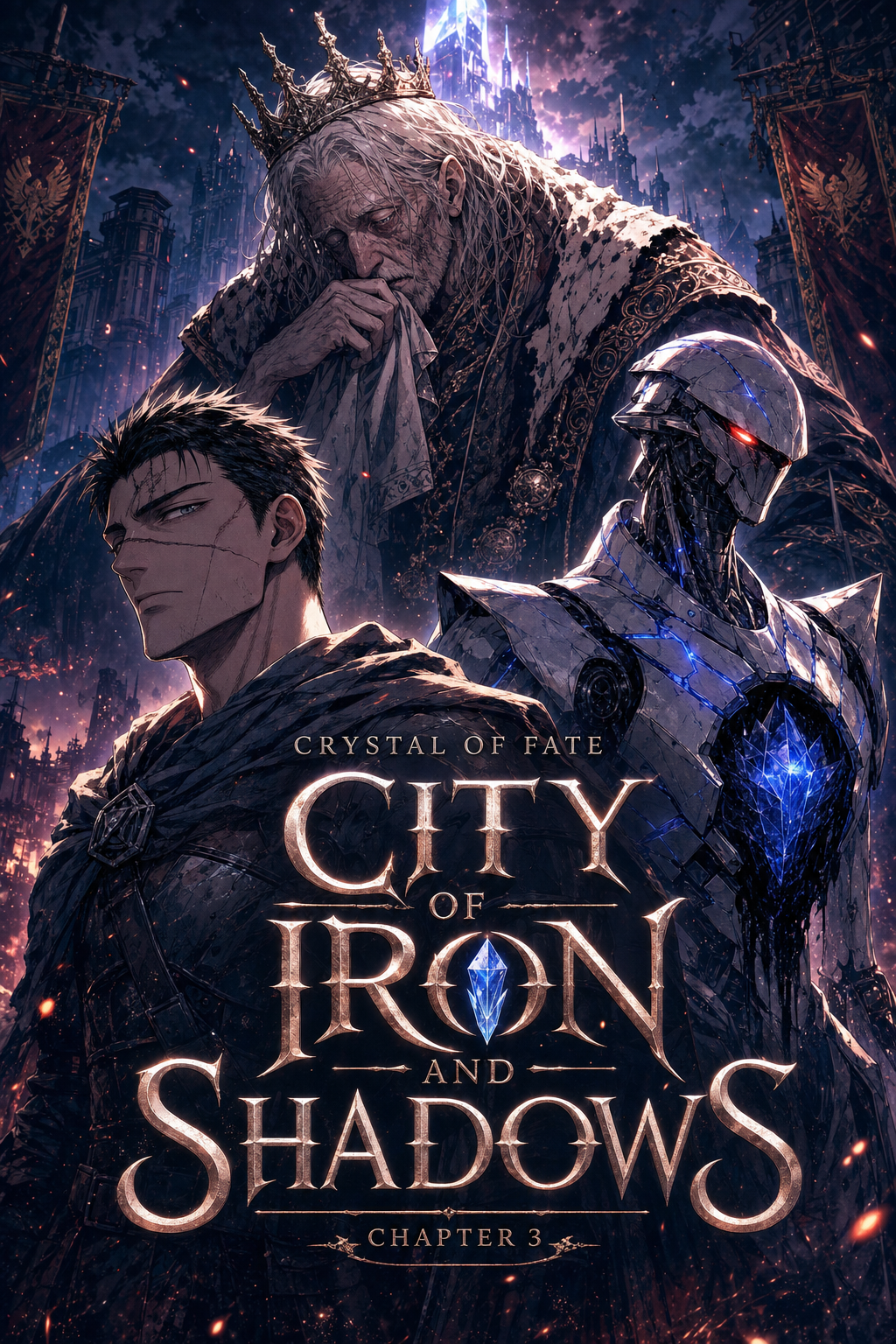
AI Manga Background Artist: Visual Storytelling Through Environmental Decay
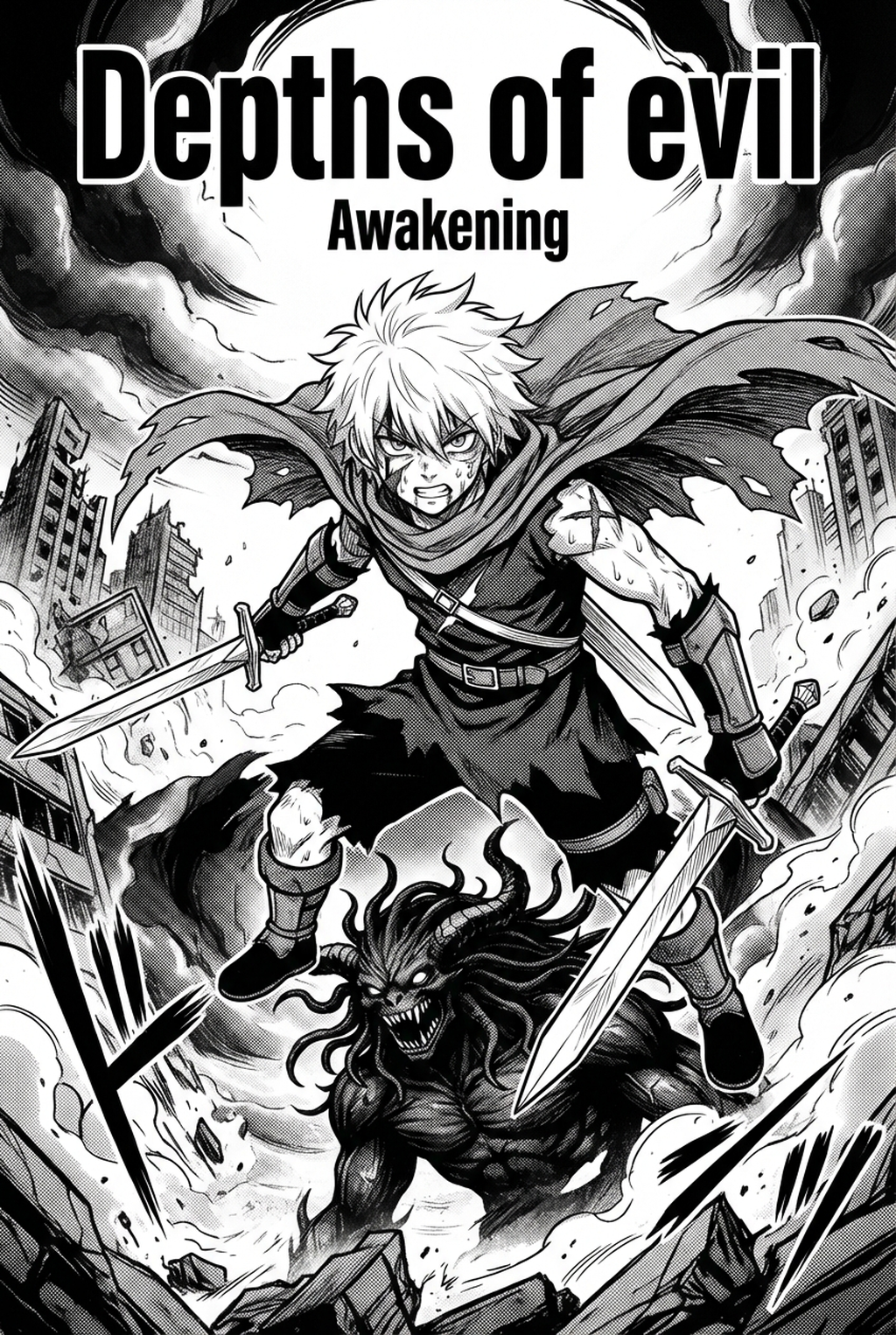
Dystopian environments succeed when the architecture itself narrates the decline of your society. Overgrown vegetation, structural instability, and layered urban stratification are the essential components that ground your readers in a world past its breaking point. Heavy industrial shadow work, or chiaroscuro, creates the depth necessary to pull a reader into the grime of a ruin. Use monochromatic palettes punctuated only by accent warnings—such as faded yellow hazard stripes or rusted red oxidation—to direct the reader's eye. Scale contrast remains your most effective tool for highlighting human insignificance against massive, failing structures.
Wide-angle lens distortion effectively emphasizes the suffocating scope of a decaying urban landscape. By pulling your vanishing points off-canvas, you force the reader’s perspective to warp around the jagged silhouettes of toppled skyscrapers. This technical choice is superior to standard grid drafting because it creates a claustrophobic, intense mood that flat, geometric backgrounds often fail to capture.
Why AI Manga Background Artist Matters for Manga Creators
Quality backgrounds serve as a primary cast member, grounding the reader in the reality of your narrative long before the first speech bubble appears. Consistent lighting and architectural texture prevent the jarring narrative drift that occurs when a location looks fundamentally different between chapter one and chapter ten.
| Criterion | Manual Drawing | Mangaka AI |
|---|---|---|
| Drafting Time | 4-8 hours per page | Minutes |
| Perspective | Hand-calculated grids | Algorithmic precision |
| Style Drift | High risk | Low, via style-locking |
Effective environment design minimizes information overload by prioritizing focal points that guide the eye toward your subject. For independent creators managing weekly deadlines, the ability to control visual weight in a background is the difference between a professional, polished chapter and a cluttered, confusing mess.
How Dystopian Manga Background Art Works with Mangaka
Mangaka automates the creation of complex architectural layouts by converting text-based scene descriptions into production-ready line art and tonal layouts. Instead of spending an entire morning drafting the individual lines of a sprawling, rusted slum, you input your specific compositional constraints to generate the framework immediately.
The platform provides granular control over source context, which is essential for ensuring the generated lines match the specific inking weight of your hand-drawn character work. By bypassing the tedious drafting of debris and twisted steel structures, you regain the hours needed to refine your character expressions and action choreography.
Use Cases for AI Manga Background Artist
Customization is the primary concern for any professional integrating digital tools into a refined, existing art style. Because Mangaka allows for precise adjustments to line-weight requirements and ink finish, you can ensure that your background assets blend seamlessly with traditional pen-and-ink or digital sketching workflows.
Visual continuity is maintained by reusing specific creative brief parameters and leveraging style-locking features within the software. This approach ensures that a specific alleyway or bombed-out district in your setting retains its architectural signature across multiple chapters, preventing the visual dissonance that often breaks reader immersion.
The platform supports high-resolution outputs that meet professional standards for both digital vertical comic platforms formats and physical tankōbon printing. Whether your goal is a crisp, high-contrast black-and-white look or a heavily rendered, tone-dense page, the export settings are designed for immediate integration into your layout software without additional cleanup.
How to Get Started with Mangaka
Modern manga production favors efficiency, and moving away from manual perspective drafting for every background panel allows you to focus on the story's emotional beats. By bridging the gap between your raw vision and a finished, high-fidelity panel, you maintain the high visual standards that readers expect without burning out on repetitive labor.
- Refining Your Workflow. Start by isolating the most time-intensive panels in your current script—usually those massive establishing shots or complex urban street scenes. Use the Dystopian manga background art to generate several iterations, focusing on the specific "decay" level and "industrial" density you need for your story. Once you find a composition that fits your page layout, export it as a high-resolution PSD or PNG to begin your final inking pass.
- Before Export. Creators should compare the generated line art with the original sketch and confirm that facial expressions, props, speed lines, and speech-bubble space still support the scene. A repeatable review pass should cover character consistency, panel readability, background clarity, and whether the final file is ready for coloring, lettering, or editor feedback.
- For Longer Projects. Creators should save approved examples of line weight, face detail, clothing folds, and background density. Those references keep later chapters closer to the intended style. For collaboration, creators should mark which panels are final and which panels still need redraws. Clear status labels prevent an assistant, editor, or colorist from polishing the wrong version.
- For Publishing. Creators should review the page at the actual reading size before export. Small screens expose crowded dialogue, weak silhouettes, and line details that looked fine while zoomed in. This keeps the review focused on story intent, line weight, panel readability, and the export quality behind the final AI Manga Background Artist output.
The Bottom Line
Effective background design is a cornerstone of professional storytelling, yet manual production often imposes unnecessary bottlenecks on your creative schedule. By integrating automated tools that respect your unique style, you maintain full control over the mood and structure of your world while cutting down production time significantly. To begin building your own immersive environments, visit Dystopian manga background art .
Related articles
Mastering the 4-Koma Gag Manga Layout for 2026
Mastering the One Piece Manga Background Style in 2026
Decoding the Grand Blue Manga Art Style: A 2026 Guide