What Are Manga Inking Techniques?
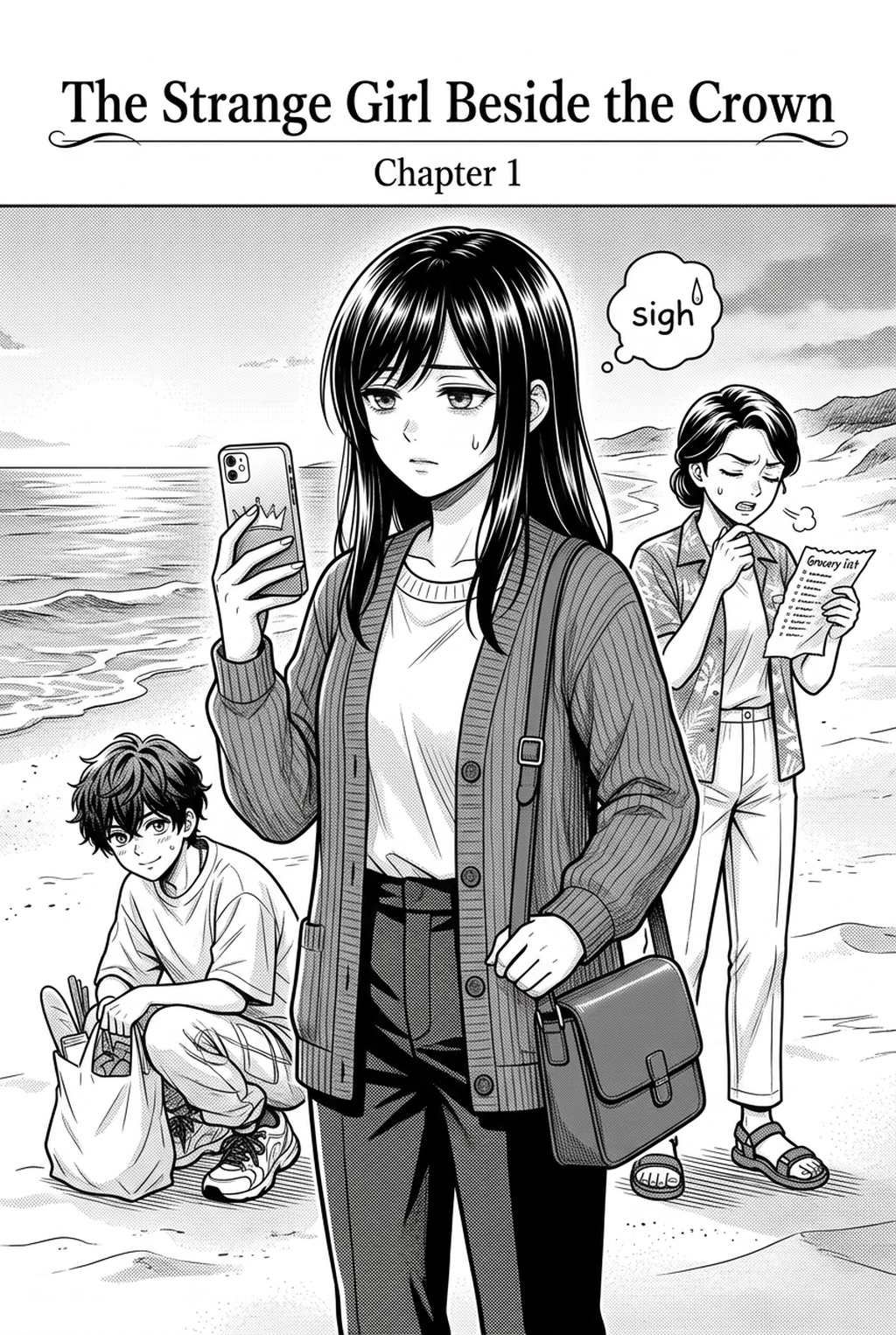
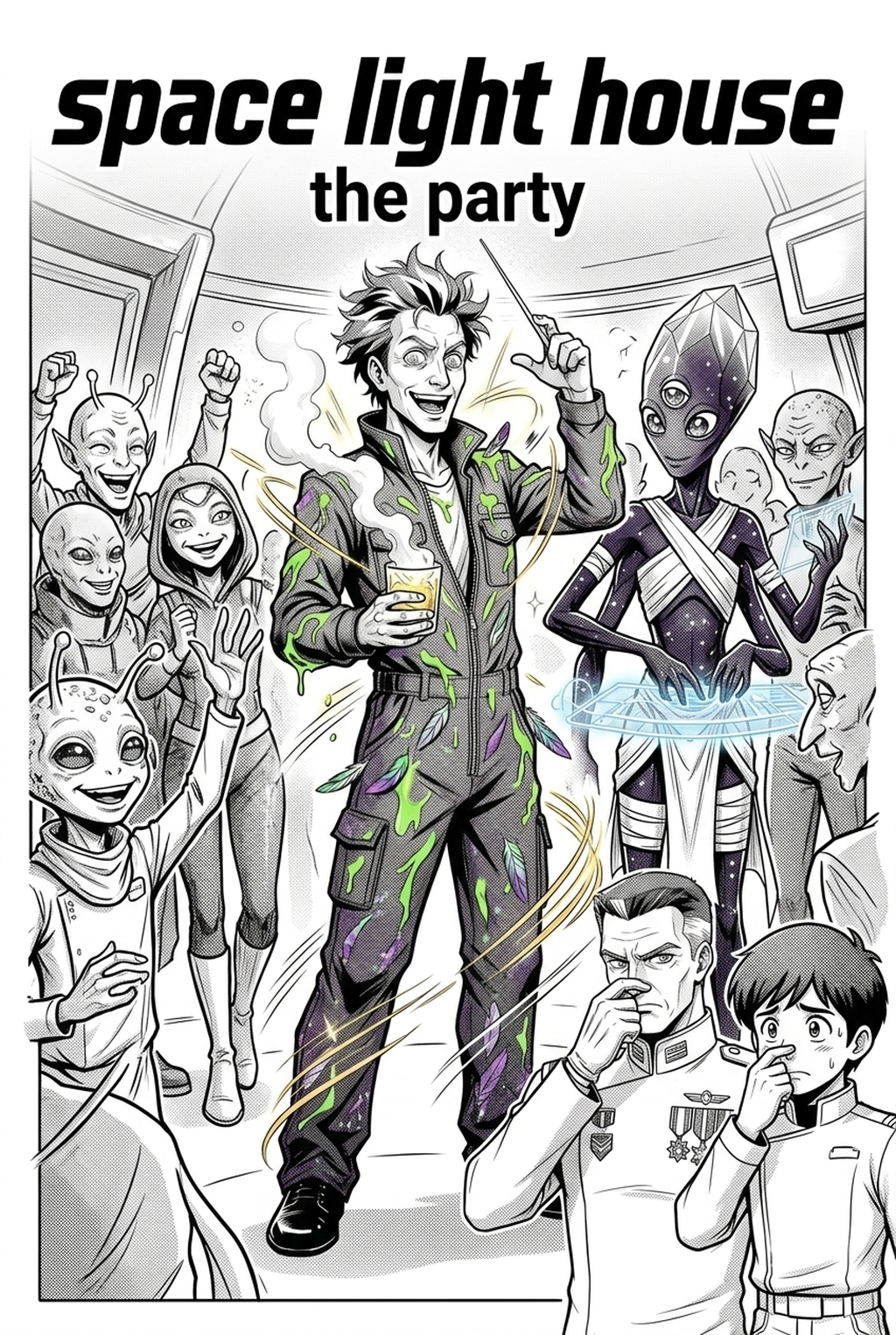
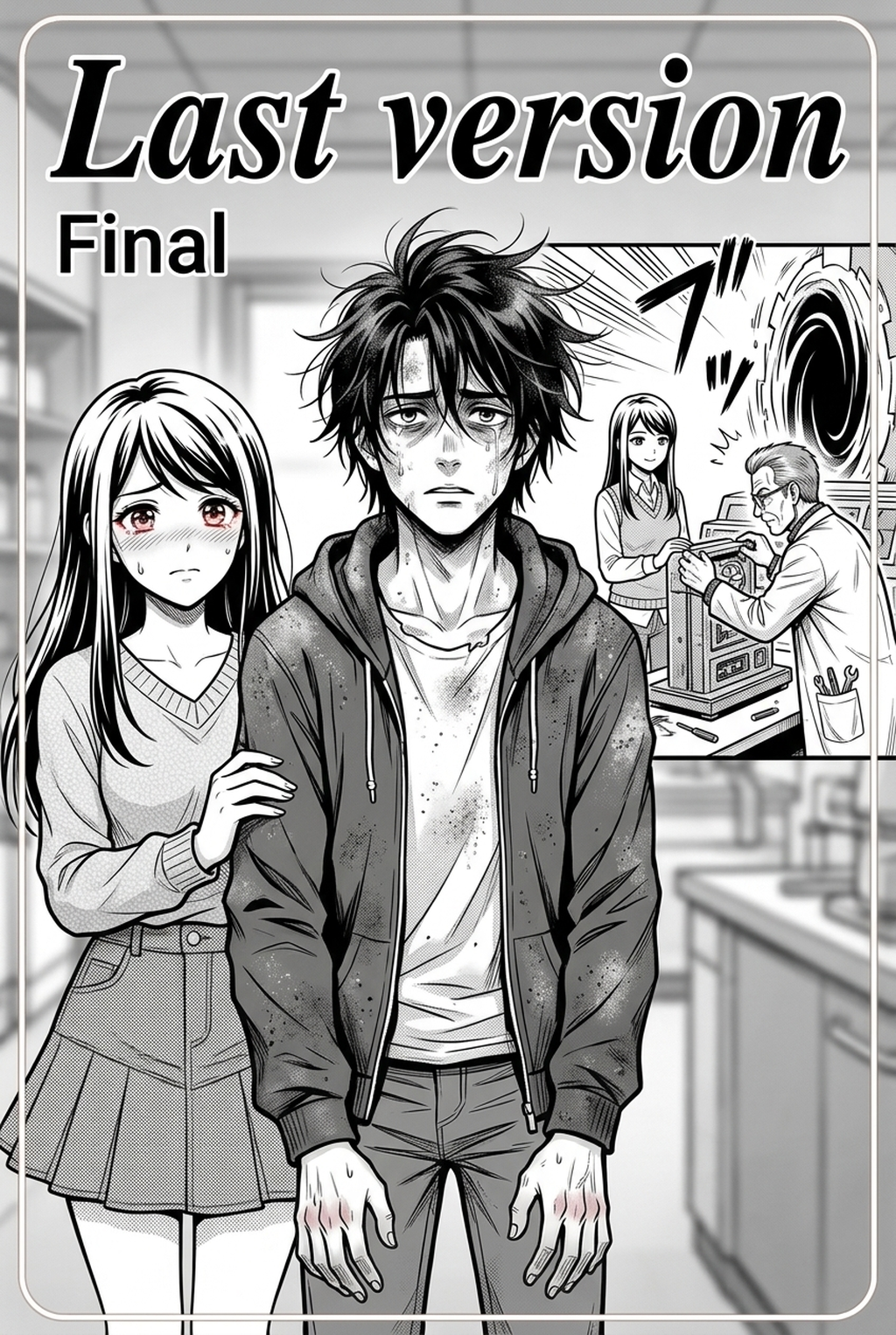
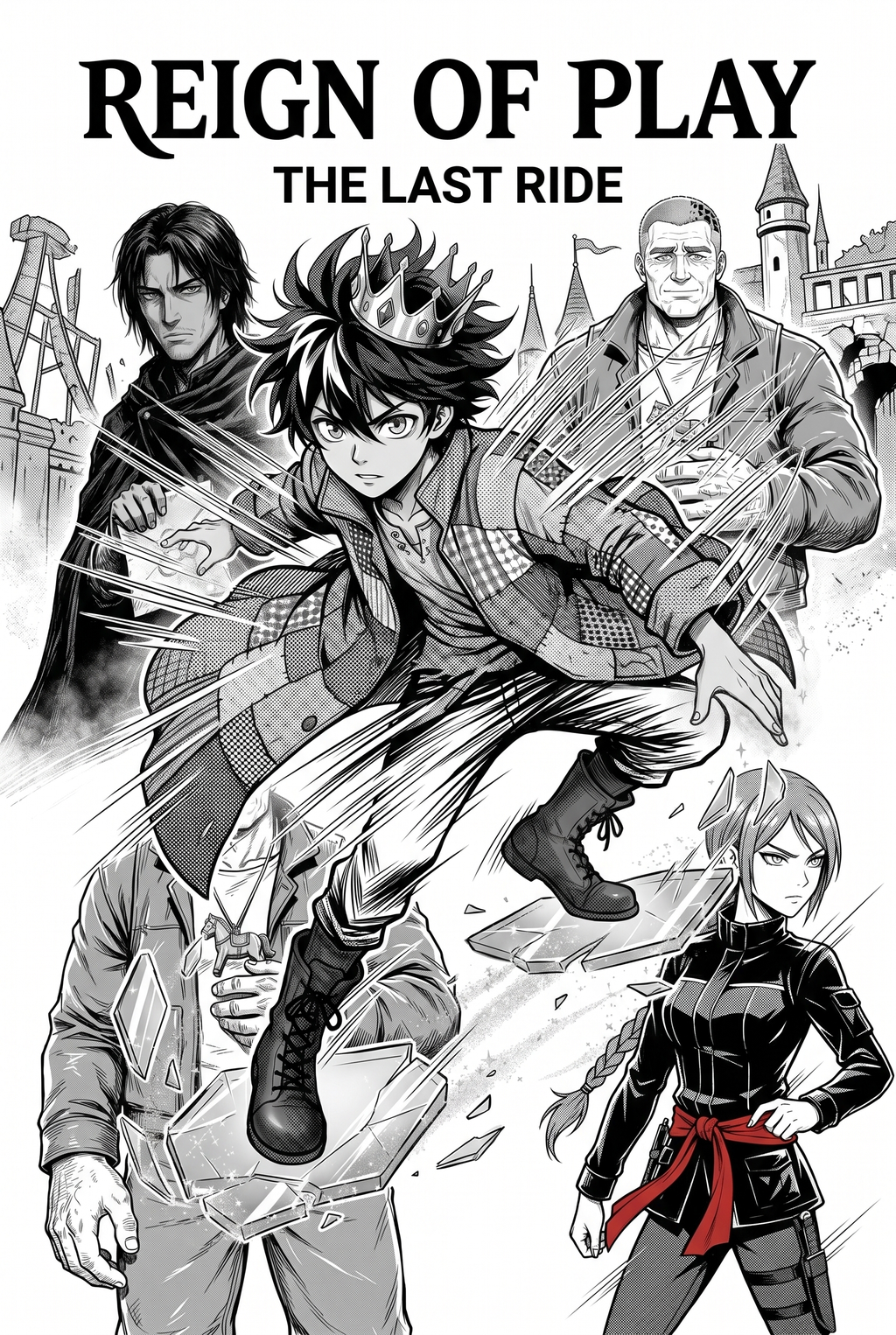
Inking is defined by 'line weight variation,' where thicker strokes define shadows and form, while thinner lines highlight details. The 'G-pen' aesthetic remains the industry standard, characterized by extreme elasticity and responsiveness to pressure that creates the signature taper seen in high-end Shonen titles.
Maintaining a consistent G-pen weight profile across an entire weekly serialization is the primary bottleneck for professional manga production teams. The physical resistance of a steel nib against textured paper creates a unique "snap" at the end of every stroke that is difficult to replicate. When this pressure-sensitive taper is lost, the page appears flat and lacks the kinetic energy required for effective action sequences.
The core of effective inking is the intentional placement of heavy lines along the outer boundaries of characters and objects, which separates them from the background. By keeping internal details thinner, you guide the reader's eye toward the narrative focus, preventing the visual clutter that often ruins amateur panel compositions.
Why AI Manga Inker Matters for Manga Creators
Traditional inking requires mastery of sumi ink and steel nibs, demanding high-level control over ink flow to prevent smudging and uneven edges. Digital workflows allow artists to mimic this behavior using pressure-sensitive sensors, but they introduce the secondary problem of 'jitter'—the unintentional wobbly lines caused by hand fatigue or hardware limitations.
Digital artists frequently encounter jitter and hand-shake artifacts that are magnified during the scaling process. While software stabilizers help, they often strip away the organic character of a line, leaving behind an overly sterile, synthetic appearance that clashes with the raw, hand-drawn intent of the initial storyboard.
For solo creators managing 20-page deadlines, the time spent manually smoothing lines represents a significant opportunity cost. Every hour spent correcting a messy intersection between two line segments is an hour stolen from narrative development or character expression, creating a vicious cycle where technical burnout inevitably impacts the quality of the final print-ready product.
How Manga Inking Techniques Work with Mangaka
AI inking tools analyze pencil sketches to intelligently apply clean, crisp, and weighted ink lines that preserve the artist's original intent. This technology acts as a 'force multiplier' for solo creators or small studio teams, shifting the focus from tedious manual stroke correction to narrative direction and panel staging.
Bridging the Gap from Sketch to Finish. The integration of manga inking techniques allows creators to input rough, high-resolution pencil sketches and receive clean line art, drastically reducing the 'clean-up' phase of manga production. Instead of tracing your own work for hours, you provide the tool with your original gestural sketches, and it resolves the intersections, tapers, and line weights based on the structural volume you defined in the drawing stage.
This technical automation specifically targets the mechanical labor of path-closing and line-smoothing. By relying on high-end vectorization, the output maintains professional fidelity, allowing the artist to export high-quality line art that survives the transition from digital files to physical book pages without losing sharpness.
Check character consistency, panel readability, line quality, and export readiness before publishing. Creators should also record why the page passed review, which panel details still need manual cleanup, and which export format the next collaborator will use. That makes the subsection useful instead of leaving a short checklist under a large heading.
Use Cases for AI Manga Inker
Creating 'clean' intersections where line segments meet without overlapping or leaving gaps is one of the most time-consuming aspects of ink work, especially in complex action panels. Maintaining stylistic consistency across character designs, backgrounds, and action panels prevents visual confusion for the reader and creates a cohesive, professional delivery format.
When working late at night under deadline pressure, hand fatigue often leads to 'line-weight drift,' where character proportions become visually disconnected across panels. Using uniform, AI-driven inking provides a consistent density, ensuring that a character’s silhouette remains identical from the first panel to the final spread of a chapter.
Properly resolving corners and junctions between line segments is critical for avoiding 'trapped ink' artifacts that look jarring during the printing process. When the tool handles these intersections automatically, it ensures that your lines meet at clean, crisp points, which is a hallmark of industry-grade manga pages.
How to Get Started with Mangaka
AI inking does not replace the human artist's unique style; it acts as a tool to automate technical labor, allowing the artist to retain full control over creative direction and panel staging. Modern AI is increasingly capable of interpreting dense pencil marks and converting them into clean, stylistic cross-hatching patterns, making it a viable standard for professional studio workflows.
Incorporating Automation into Workflows. Many professional teams now incorporate automated inking for background assets and minor character panels to accelerate output. By delegating the repetitive, high-volume inking to manga inking techniques , your production team can reserve their most creative energy for the major emotional beats and complex splash pages that define your series' unique aesthetic. Before export, creators should compare the generated line art with the original sketch and confirm that facial expressions, props, speed lines, and speech-bubble space still support the scene.
The Bottom Line
Modern manga production requires a balance between traditional artistic expression and the technological efficiency needed to survive the industry's rigorous pace. By embracing tools that automate the manual labor of line cleanup and weight adjustment, creators can finally reclaim the time necessary to focus on storytelling, panel composition, and narrative growth. You can start optimizing your own creative process and streamlining your manga inking techniques .
Related articles
Mastering Manga Background Art: A 2026 Creator Guide
Mastering Manga Background Art: A Guide for Creators 2026
Mastering Manga Inking Techniques: A Pro Artist’S Guide 2026