AI Manga Inker: Understanding the Mechanics of Professional Inking
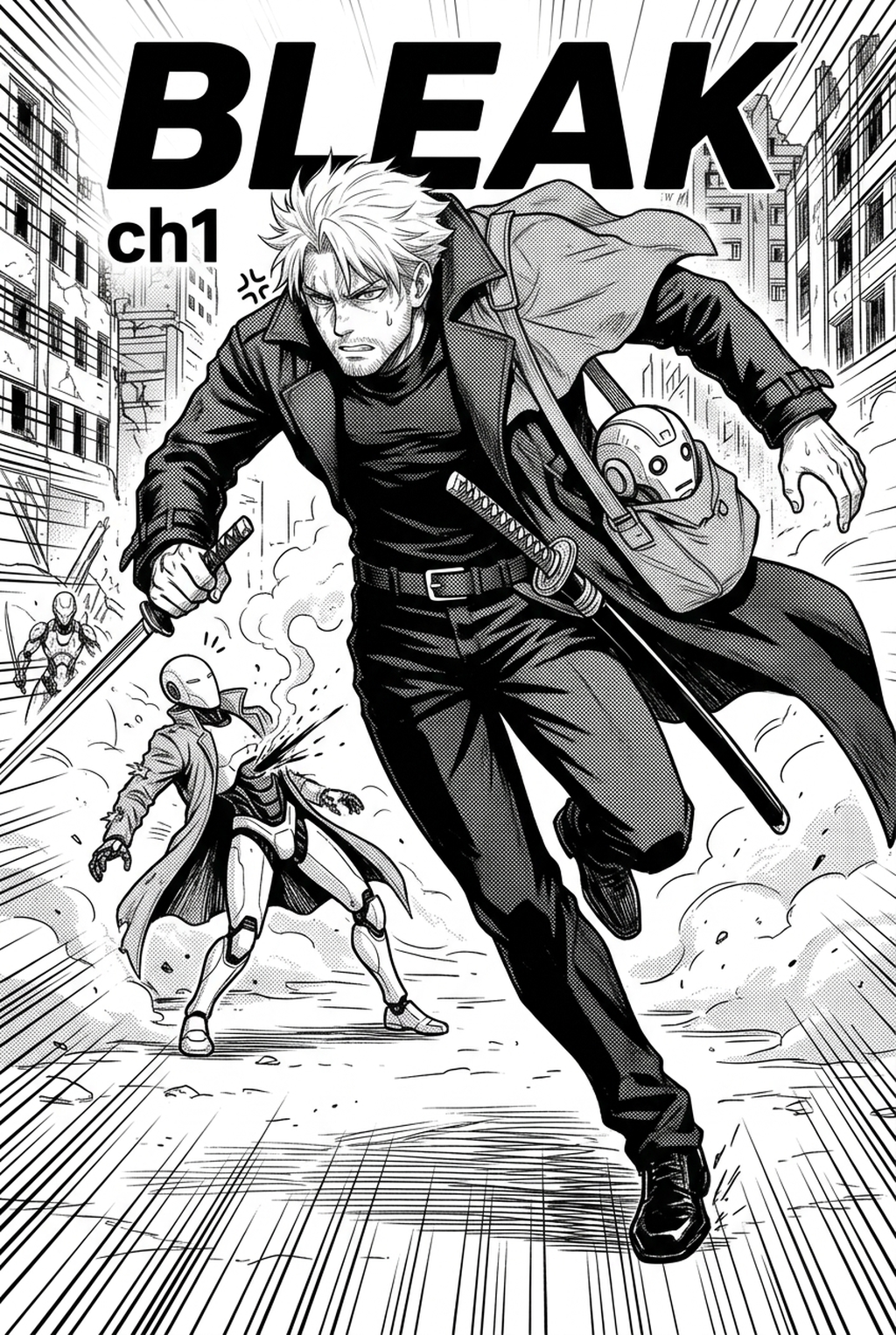
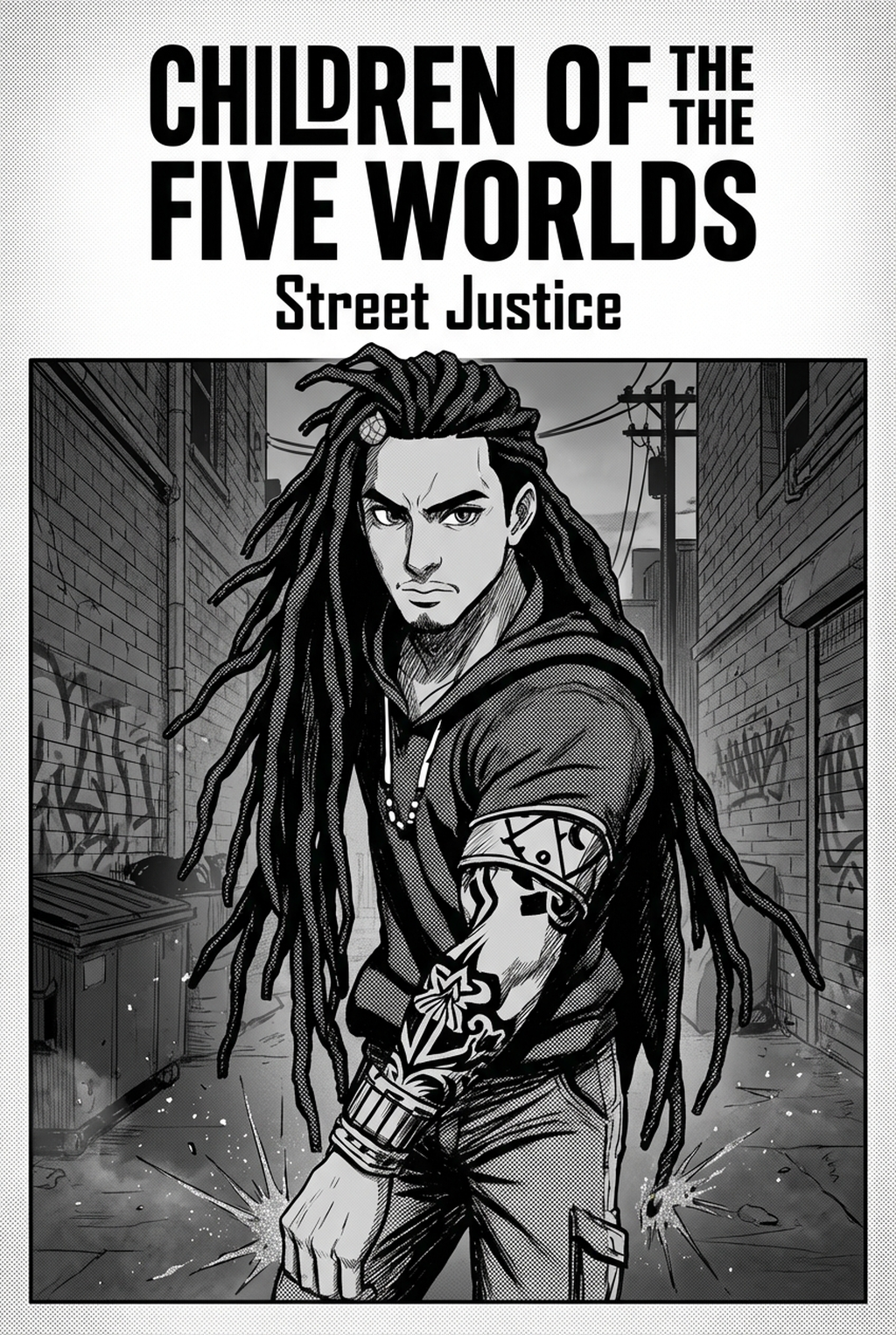
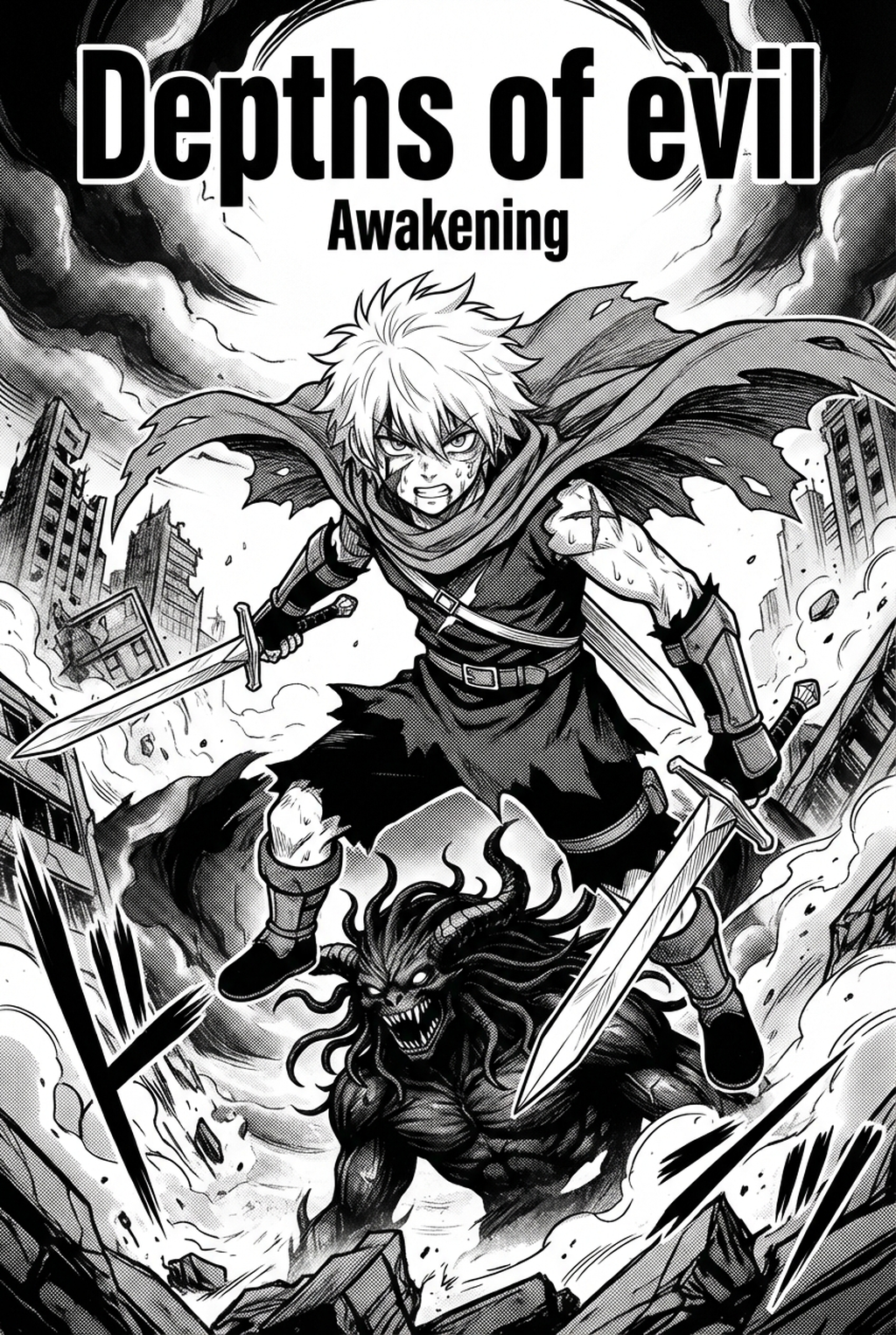
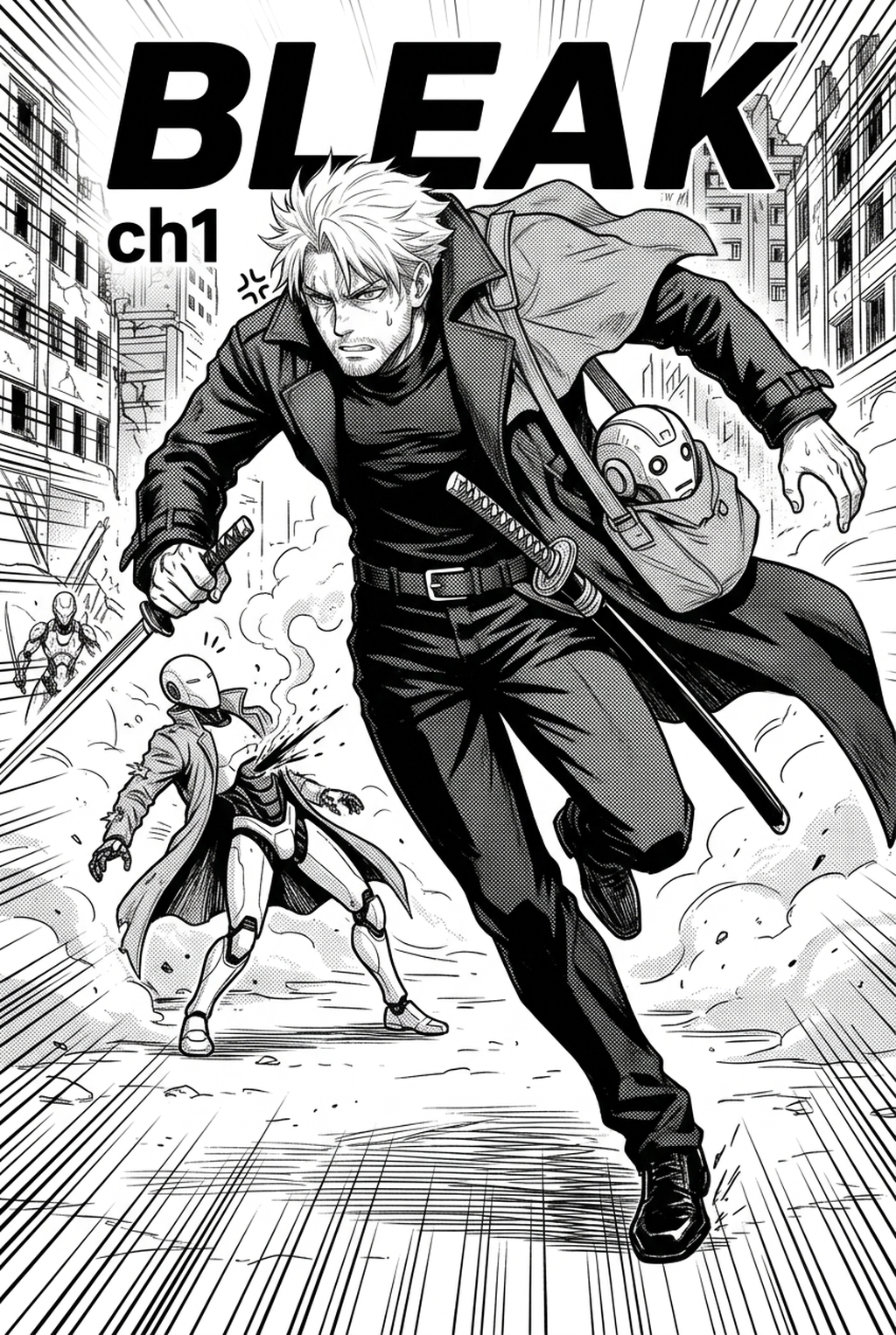
Professional inking relies on varying line weight to create depth and focus, an essential process often called line modulation. Mastery in this field requires the artist to understand how thick, bold lines define the silhouette of a character, while thinner, more delicate lines provide internal details that prevent the overall image from looking cluttered or flat.
Effective inking requires tapering the ends of every stroke, particularly in areas like hair, clothing folds, or expressions of kinetic movement. When your ink lines taper naturally, the drawing retains a sense of visual energy that feels hand-drawn rather than rigid or stagnant.
Check character consistency, panel readability, line quality, and export readiness before publishing. Creators should also record why the page passed review, which panel details still need manual cleanup, and which export format the next collaborator will use. That makes the subsection useful instead of leaving a short checklist under a large heading.
Consistency in line width is the primary metric for maintaining your unique visual signature across complex page layouts. If your line weight drifts significantly between a close-up shot and a wide exterior panel, your reader subconsciously flags the shift as a decrease in production quality, which shatters the immersive experience of your narrative.
Why Professional Inking Defines Your Story
Effective inking acts as the final quality gate that translates raw, often chaotic pencil sketches into production-ready line art suitable for professional distribution. Without a strict inking discipline, your pages are prone to muddy reproduction, especially when they are compressed or scaled down for mobile-first vertical comic platforms formats or standard tankobon print runs.
High-quality, clean lines are the foundational delivery format for manga storytelling, dictate how readers perceive the physical weight of characters, and establish the environmental density within each frame. If you ignore the technical requirements of your export format, you risk losing delicate line work in the final print, resulting in a page that lacks the necessary contrast to remain legible in low-light digital viewing environments.
How Mangaka Streamlines the Inking Process
AI-driven inking tools now automate the conversion of rough, hand-drawn pencil sketches into clean digital vector paths that maintain the artist's original intent. By delegating the repetitive aspects of line consolidation to an AI, you bypass hours of manual cross-hatching and tedious fill-work, allowing you to reallocate that energy toward refining your composition, panel pacing, and overall narrative flow.
The Mangaka AI Inker acts as a force multiplier for creators, reducing the ink-time overhead by intelligently handling uniform line consolidation while preserving the specific pressure profiles you intended. When you feed a 300 DPI rough sketch into the interface, the tool identifies the structural intent of your lines and creates a vectorized version that is ready for immediate coloring or screen tone application.
Using the manga inking techniques with Mangaka ensures that your output files are perfectly aligned with industry standards, preventing the common "digital noise" or pixelated artifacts that plague manual scanning. This capability is critical for artists working under tight deadlines, as it turns a four-hour inking session into a high-fidelity output that remains sharp at any resolution, from mobile-friendly thumbnails to full-page print spreads.
Different Approaches to Production Workflows
Traditional inking techniques emphasize the tactile, pressure-sensitive feedback of using a G-pen or fountain pen, which captures the nuance of human touch but requires immense manual discipline. In contrast, modern digital workflows prioritize speed, absolute repeatability, and error-free scaling, ensuring that your art remains consistent regardless of the final media format.
Many professional creators now adopt a hybrid approach to maximize output. They sketch their foundational work traditionally to capture the raw gesture and emotion of the character, then use AI processing to handle the finalization of the line layers. This workflow ensures that the artistic spirit remains intact while technical efficiency is dramatically improved, effectively eliminating the risk of line-weight drift that often occurs during long, multi-page production runs.
Getting Started with Professional Inking Tools
Achieving superior line weight starts with understanding the relationship between the speed of your stroke and the pressure release at the tip. Whether working manually or through an AI-assisted interface, focusing on the acceleration of your strokes will naturally create the tapers necessary for expressive, professional-looking art.
Modern AI models are sophisticated enough to simulate the specific dynamics of traditional G-pen nibs, maintaining the pressure profiles that fans of classic manga recognize as the hallmark of high-quality art. This means your digital output does not have to look "robotic" or flat; instead, it can retain the organic variations of a nib on paper.
If you are transitioning old pencil work into a digital format, use high-threshold filtering or AI-assisted cleanup tools to remove graphite residue and scanning dust. Ensuring your base layer is free of digital noise before final processing guarantees that your inked output remains crisp, clean, and entirely devoid of the messy, grey smudges that often distract from the central character focus on the page. Before export, creators should compare the generated line art with the original sketch and confirm that facial expressions, props, speed lines, and speech-bubble space still support the scene.
The Bottom Line
Mastering inking is essential for professional manga production, but the process no longer requires thousands of hours of manual labor to achieve high-end results. By combining your fundamental artistic knowledge with modern AI automation, you can achieve professional-grade results while significantly scaling your output for any project size. manga inking techniques to optimize your production process today.
Related articles
Manga Inking: A Guide to Professional Line Art Styles 2026
Manga Inking Techniques: A Guide for Digital Artists 2026
Automate Your Manga Inking: Instant Clean Line Art Now 2026