AI Manga Background Artist: Definition of Essential Background Elements
Effective backgrounds provide visual context for time, place, and atmosphere without distracting from the character focal point. To achieve a professional look, you must master perspective accuracy through precise vanishing points, establish a clear line weight hierarchy, and integrate screentones that harmonize with the inked style of your characters. If your background line work is too dense or lacks the proper hierarchy, it will actively compete with the character's facial expressions, causing the reader's eye to wander away from the focal point of the panel.
The Impact on Weekly Production Schedules
Manual rendering of intricate urban structures, domestic interiors, or sprawling natural landscapes creates a massive bottleneck for any serialized release. Creators often fall into the "review owner" dilemma, where they over-invest time into a single establishing shot at the expense of later action panels, leading to uneven pacing across the chapter.
| Workflow Stage | Manual Effort (Hours) | AI-Assisted Effort (Minutes) |
|---|---|---|
| Perspective Grid | 1.5 - 2.0 | 2 - 5 |
| Line Art Inking | 3.0 - 5.0 | 10 - 15 |
| Screentone/Depth | 1.0 - 2.0 | 5 - 10 |
Serialized artists must balance high-fidelity establishing shots with minimalist action backgrounds to satisfy the rigorous page-count quotas demanded by publishers. Spending four hours on a city street panel is only justifiable if it remains the primary focal point for the entire sequence; otherwise, the time is better redirected toward refining character anatomy and expression.
Utilizing AI for Environmental Consistency
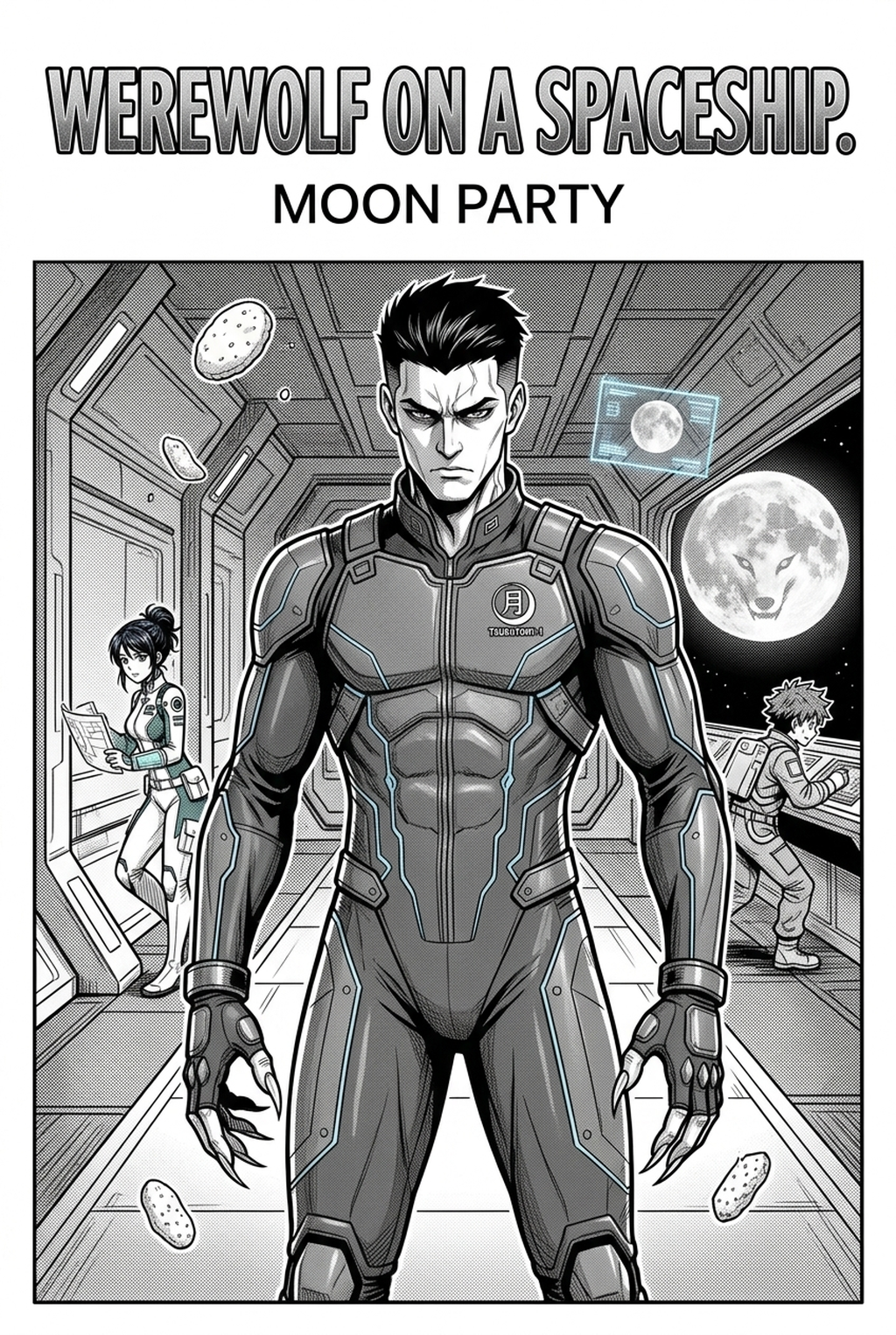
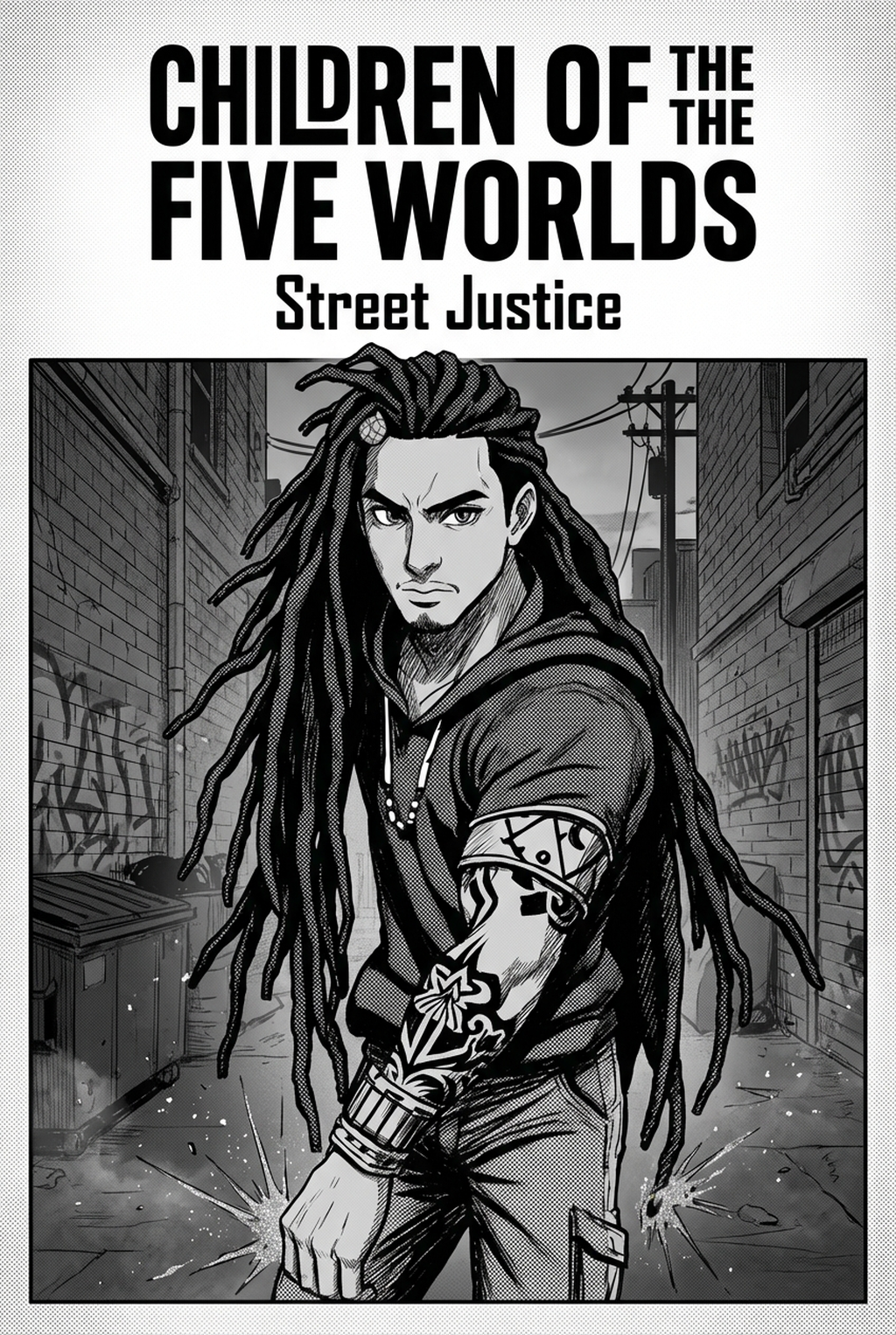
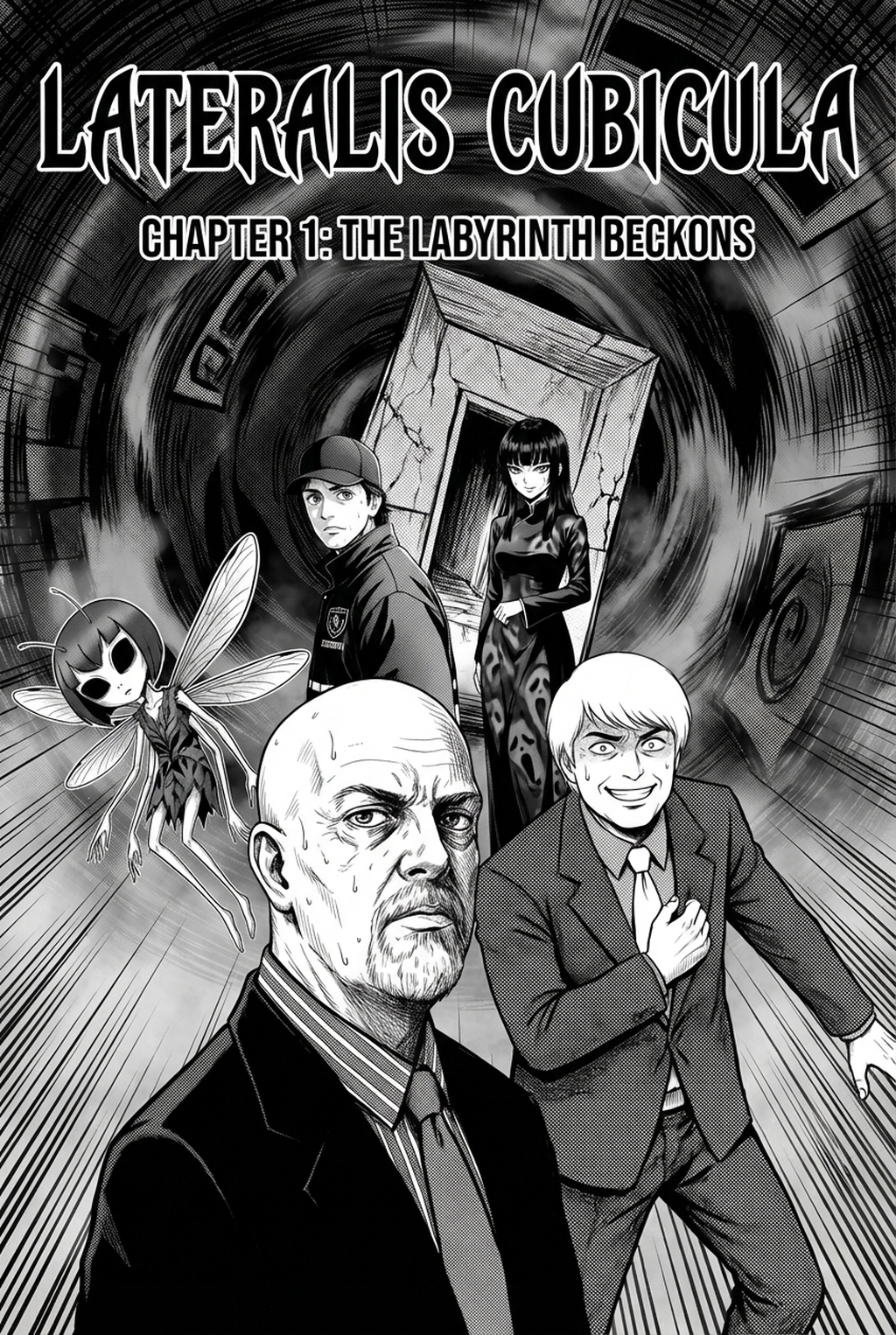
AI tools transform natural language scene descriptions into precise, manga-styled environments, drastically reducing the time from storyboard to final page. By defining your scene’s specific aesthetic—such as "1990s gritty cyberpunk alleyway with heavy cross-hatching"—you generate a raw source layout that maintains perfect perspective before you even begin the inking process.
Vertical comic platforms producers, in particular, rely on these tools to create reusable environment assets. By standardizing the look of a recurring school hallway or bedroom, you ensure total geographical continuity throughout an entire story arc without needing to re-draw the same background from scratch for every new chapter.
When utilizing an AI generator, your first priority is matching the delivery format, whether it is high-resolution print or the vertical-scroll vertical comic platforms format. Layer your generated backgrounds beneath your character layers to immediately assess the interplay between the two, then apply final-pass inking adjustments to harmonize line textures.
The ability to iterate on multiple environmental options is a massive advantage over traditional hand-drawing. Before you commit to the final ink, generate three distinct atmospheric variants—perhaps a rainy day, a sunset, or a midnight scene—and select the one that best enhances the specific emotional tone of your script.
Strategies for Integrating New Tools
To get started, treat manga background art with Mangaka as a professional workflow enhancement similar to the transition from physical nibs to 3D sketchup models in the early 2000s. Focus your creative brief engineering on specific technical descriptors, such as "variable line density," "subtle screentone textures," or Seinen-style high-contrast shading," to ensure the output matches your personal hand-drawn aesthetic.
Creative Decisions and Export Quality. You can use AI-generated backgrounds for commercial manga, provided the service’s license explicitly grants rights retention to the creator. Always review the license agreement before beginning your project to ensure you retain full ownership of the final pages, including all derivative compositions created using the tool.
Using AI for backgrounds is not "cheating"—it is a professional optimization strategy that separates the act of technical construction from the art of storytelling. Just as 3D asset libraries allow for rapid architectural layout, AI-generated backgrounds remove the physical drudgery of perspective alignment, freeing your hand for the character work that actually defines your narrative style.
- Before Export. Creators should compare the generated line art with the original sketch and confirm that facial expressions, props, speed lines, and speech-bubble space still support the scene. A repeatable review pass should cover character consistency, panel readability, background clarity, and whether the final file is ready for coloring, lettering, or editor feedback.
- For Longer Projects. Creators should save approved examples of line weight, face detail, clothing folds, and background density. Those references keep later chapters closer to the intended style. For collaboration, creators should mark which panels are final and which panels still need redraws. Clear status labels prevent an assistant, editor, or colorist from polishing the wrong version.
- For Publishing. Creators should review the page at the actual reading size before export. Small screens expose crowded dialogue, weak silhouettes, and line details that looked fine while zoomed in. This keeps the review focused on story intent, line weight, panel readability, and the export quality behind the final AI Manga Background Artist output.
- For Style Control. Creators should keep a short reference board beside the draft and compare hair shapes, eye details, costume folds, and texture choices before approving the final page. For revision planning, creators should separate art fixes from story fixes. Line cleanup, panel order, dialogue clarity, and character acting each need a different review question.
The Bottom Line
The evolution of modern manga production depends on leveraging technology to handle the repetitive, high-time-cost tasks of layout and perspective while keeping your creative focus squarely on storytelling. By using the AI Manga Background Artist , you can achieve the necessary speed and aesthetic consistency required to scale your output without compromising your unique artistic vision. Start your next chapter by testing a single, complex establishing shot to witness the immediate gains in your production velocity.
Related articles
What Does a Manga Colorist Do? A 2026 Artist Guide
Streamline Your Manga Colorist Workflow with AI Tool in 2026
What Is a Manga Colorist? The 2026 Role and Tools Guide