Defining the Scope of AI Manga Colorist
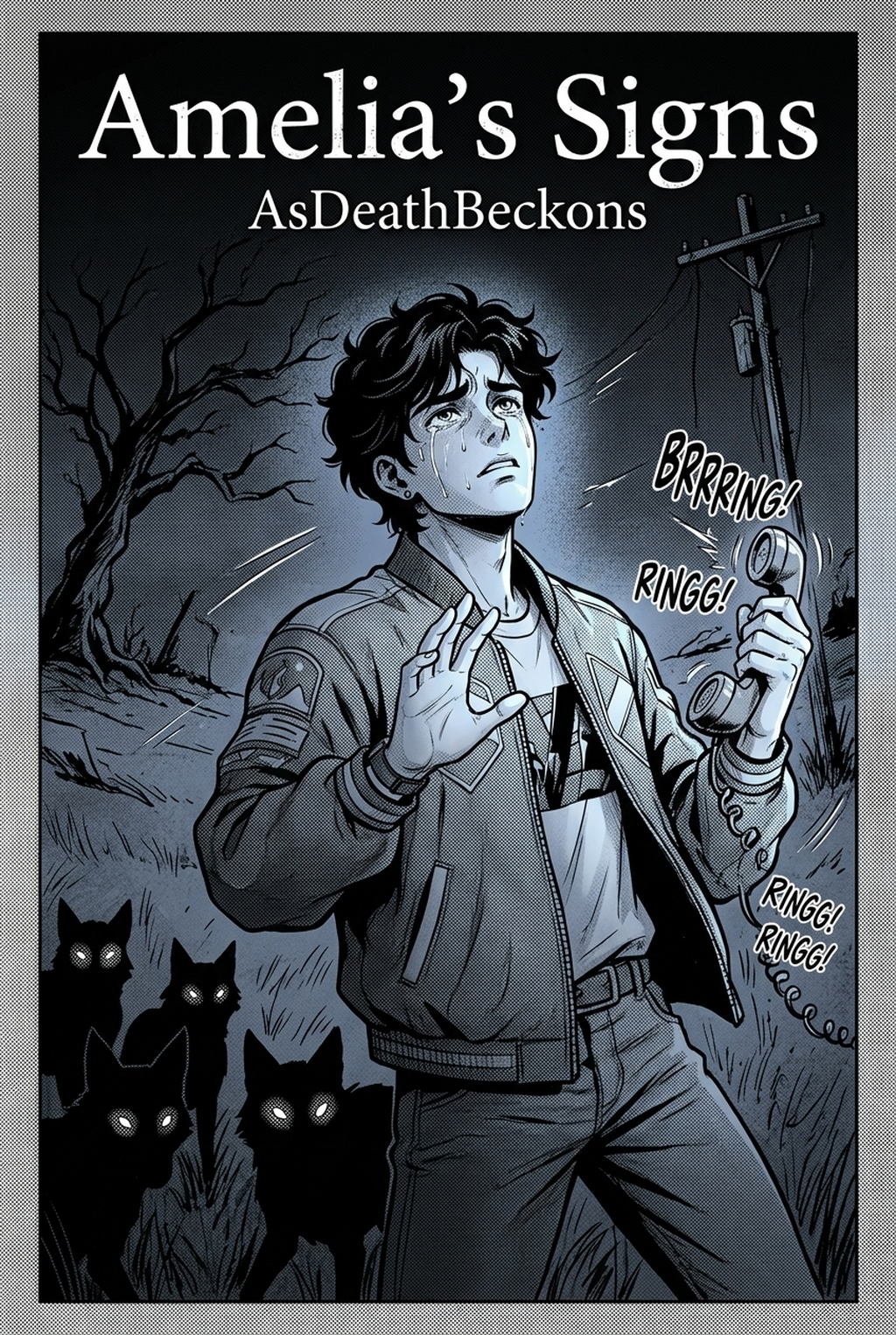
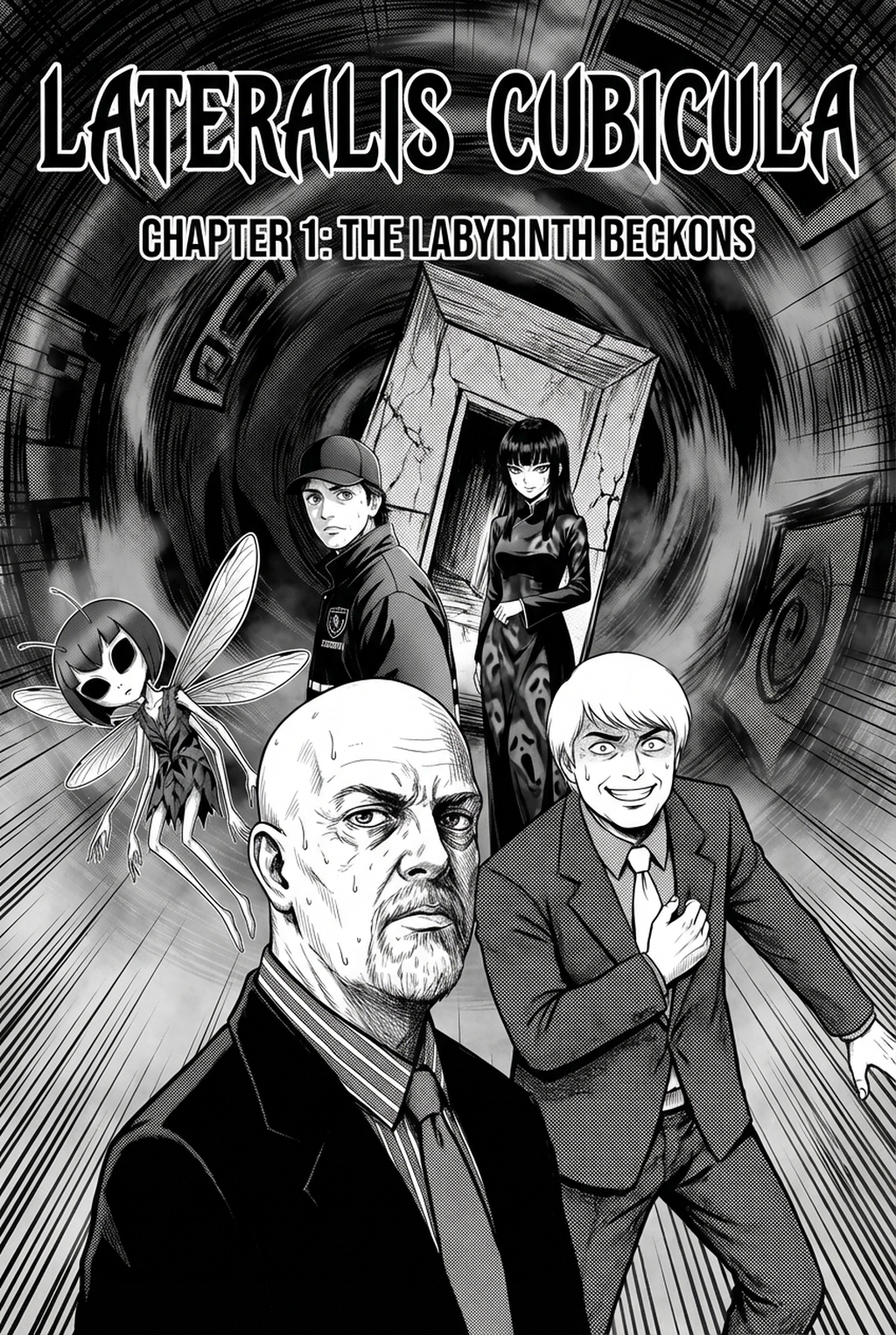
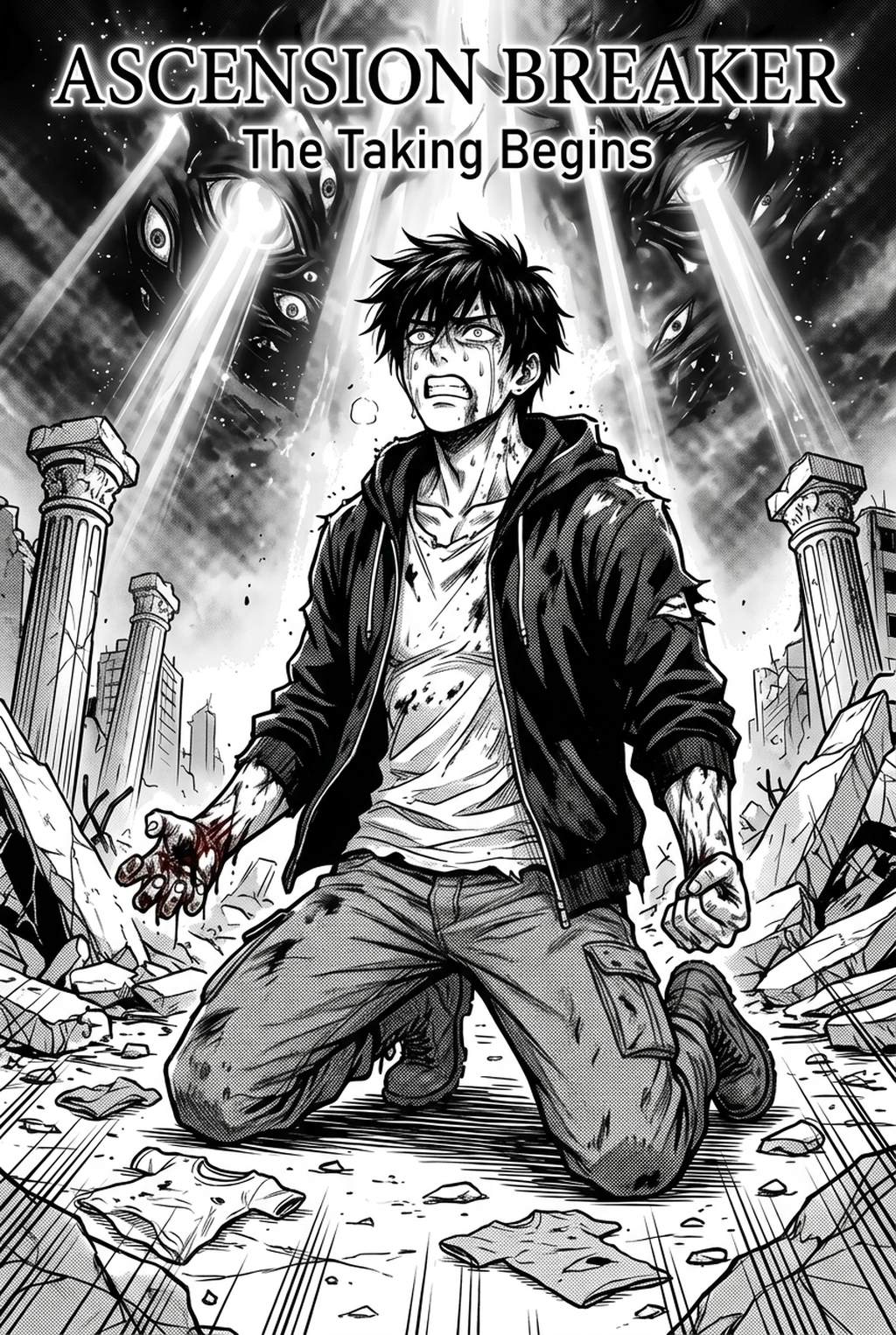
A professional manga colorist workflow involves the conversion of black-and-white ink art into vibrant, publication-ready pages without sacrificing the hand-drawn quality that readers expect. This process requires a sophisticated bridge between your original line art and the final digital color, ensuring that line-weight variations and delicate hatching remain prominent after the color is applied.
The primary hurdle for creators is maintaining line density and shadow depth when introducing color to high-contrast ink work. Our cloud-based processing engine identifies closed paths automatically, filling areas with precision while respecting the "bleed" or "weight" of your brush strokes. By preserving the source art layers, you ensure that no detail is lost to heavy-handed automated filtering or muddy pixelation.
Solo creators and small teams often report a 75% reduction in production time by offloading the flatting and base-layer work to automated systems. This transition is not about replacing the artist, but rather removing the bottleneck of tedious, repetitive fills. When you leverage this speed, you can move from a finished ink page to a full color export in minutes rather than hours, allowing for faster episodic releases and reduced churn in your P&L projections.
- Chapter cadence. Use the AI pass for pages where speed matters most, such as repeated action poses, transformation beats, or dense speed-line panels. Keep manual cleanup for hero panels where the line style defines the emotional peak.
- Character continuity. Compare the generated lines against the same model sheet, costume notes, and facial-expression range used during sketching. This prevents a fast inking pass from drifting away from the character identity readers recognize.
- Export readiness. Check whether the final manga output can move into lettering, coloring, or final layout without rebuilding panel borders or speech-bubble space. A good manga workflow should save time while keeping the next production step predictable.
Efficiency Impact on Modern Manga Production
Investing in an automated workflow allows you to optimize your production budget by reallocating labor costs away from basic flatting and into advanced artistic refinement. When your team spends less time on repetitive base fills, they can direct their focus toward complex tasks like character consistency, dramatic tone shifts, and intricate background detail that define high-quality serialized manga.
Our flexible subscription tiers are engineered to fit any volume, whether you are producing weekly vertical comic platforms updates or a single 200-page graphic novel. Every plan includes secure cloud storage and bulk upload capabilities, which serve as an essential audit packet for your project's history, tracking version control as you iterate through character color palettes.
By standardizing your coloring phase with a predictable subscription model, you eliminate the volatile cost spikes associated with hiring freelance colorists for tight deadlines. You maintain full control over your balance sheets, knowing exactly what your per-page costs will be regardless of how many characters or panels are featured in a specific chapter. This stability allows you to scale your output without the overhead risks typically associated with expanding a creative studio.
How the Colorization Engine Processes Line Work
The Mangaka engine functions by analyzing your uploaded line art as an independent layer, keeping your intellectual property distinct from the generated color. This separation is crucial for creators who need to maintain specific stylistic cues, such as cross-hatching textures or unique pen pressure profiles that define their artistic identity.
The engine identifies closed ink paths to prevent color spillover, ensuring that even the most intricate character designs maintain clean edges. This capability is vital for creators working in high-density genres where small details, such as jewelry, fabric patterns, or distinct eye highlights, are essential to character recognition.
Every project allows for manual intervention, providing a "review owner" layer where you can adjust specific hues or saturations to match your creative vision. If the AI applies a shade that doesn't align with a character's established color scheme, you can instantly override the choice without re-running the entire page. This workflow provides the perfect balance between the speed of automation and the precision of human art direction.
Strategic Applications for Creative Teams
Creators utilize this streamlined process to meet the high demands of weekly serials while maintaining high-fidelity art standards. By integrating automated workflows, you solve specific production failures like misaligned color zones and drifted character proportions that often occur during late-night, high-volume production cycles.
All source material remains your property, and your work is never utilized to train external or public models. We enforce strict data policies to ensure that your unpublished drafts, character designs, and world-building assets are stored in encrypted environments, satisfying the security standards required for high-stakes creative projects.
Whether you are outputting for print or digital, our tool generates files that comply with industry-standard color profiles. You can generate final assets in high-resolution formats, including PSD or TIFF, which are optimized for professional print houses or web-based reading platforms. For creators who need to ensure compliance with specific publisher guidelines, our library of asset profiles guarantees that your final output hits the mark every time.
You can visit AI AI Manga Colorist workflow with Mangaka to process your first page and evaluate how the tool preserves your unique inking style while removing the bottleneck of manual flatting. Before export, creators should compare the generated line art with the original sketch and confirm that facial expressions, props, speed lines, and speech-bubble space still support the scene. A repeatable review pass should cover character consistency, panel readability, background clarity, and whether the final file is ready for coloring, lettering, or editor feedback.
The Bottom Line
Automating your base color layers is the most effective way to scale production while preserving the artistic soul of your work. By choosing a workflow that combines AI precision with your personal artistic oversight, you protect your budget and your schedule from the burnout of manual, repetitive tasks. Start your first project today at manga colorist workflow and regain control over your manga production timeline.
Related articles
What Is a Manga Colorist? The 2026 Role and Tools Guide
What Does a Manga Colorist Do? A Guide for 2026
What Does a Manga Colorist Do? A Creator’S Guide in 2026