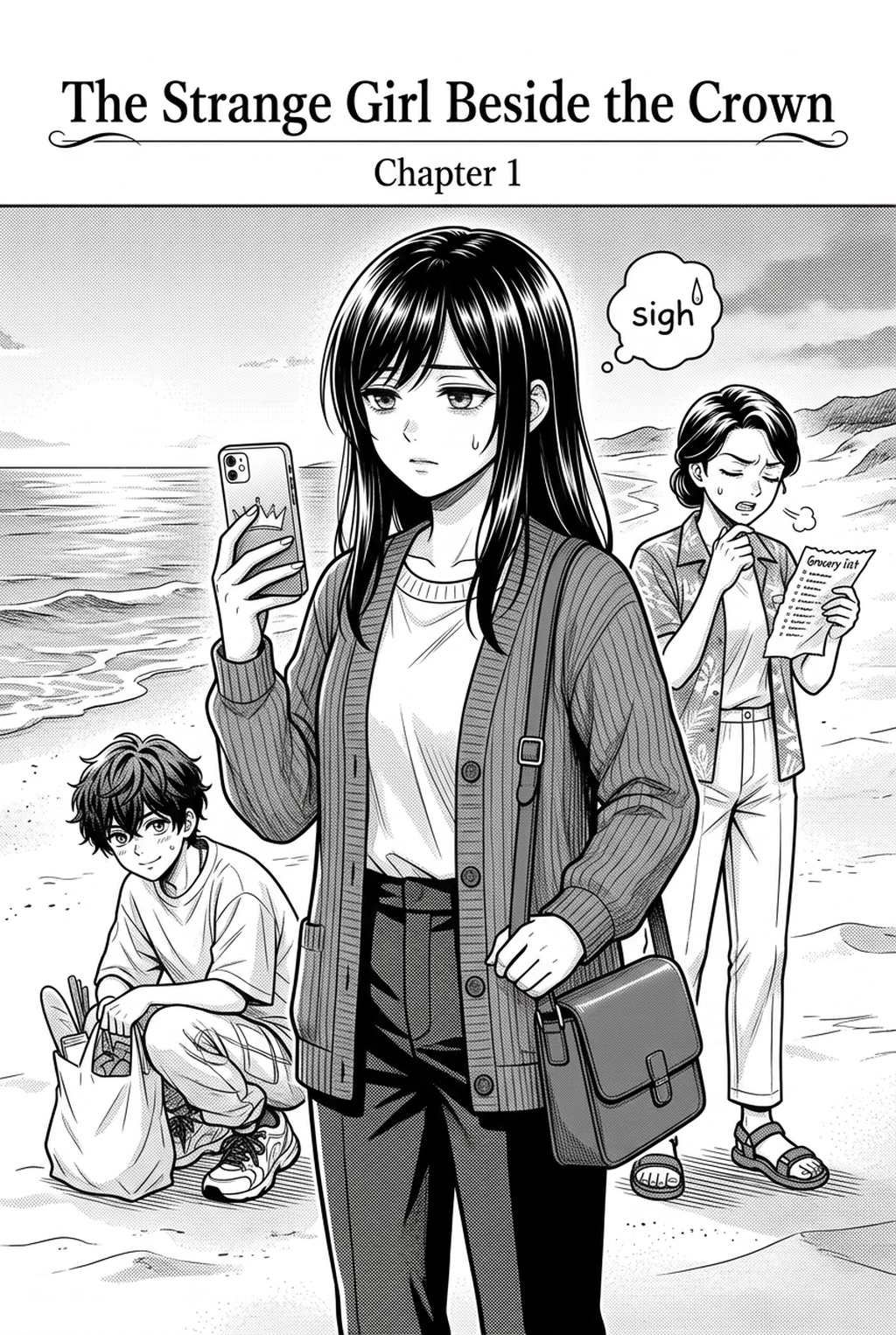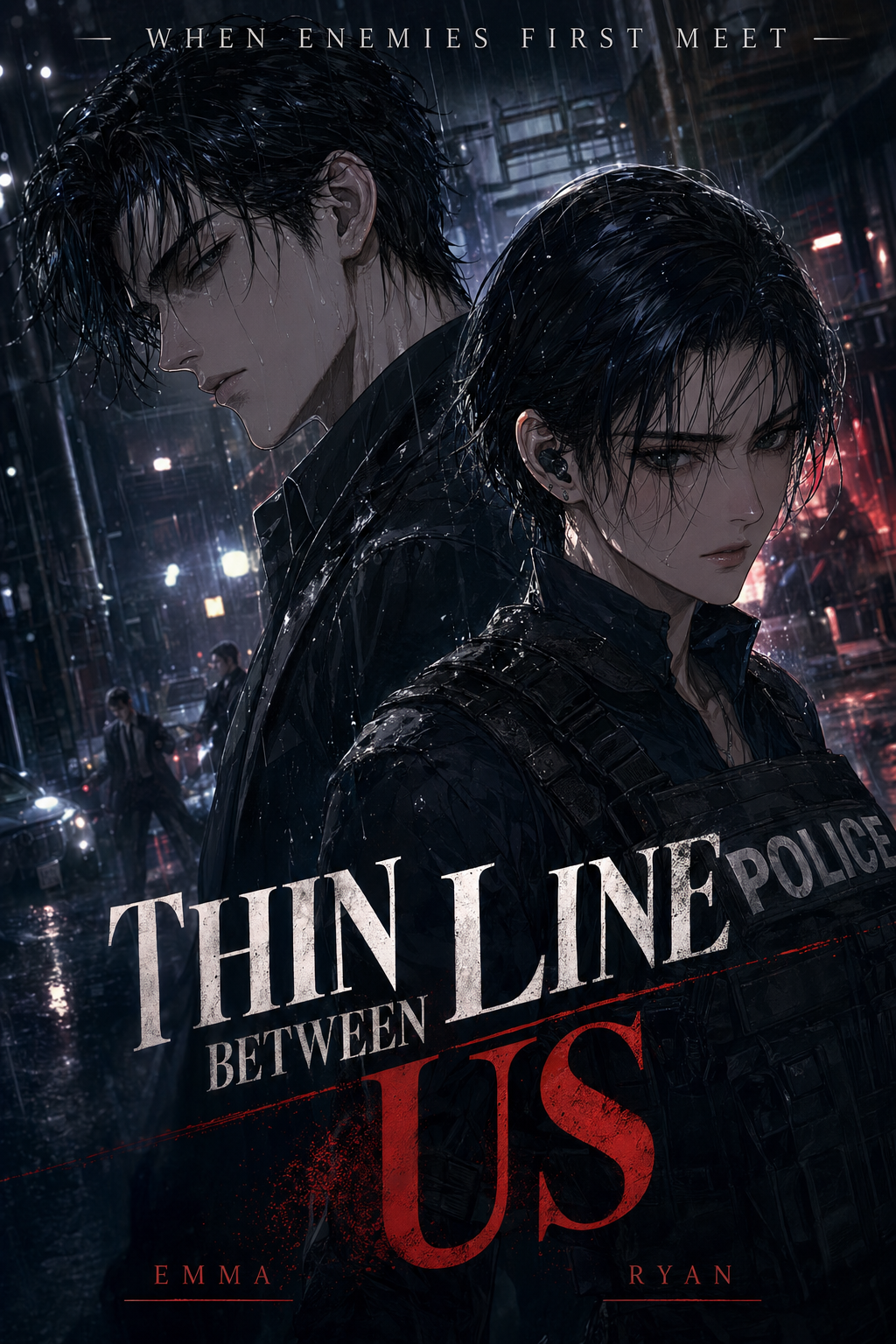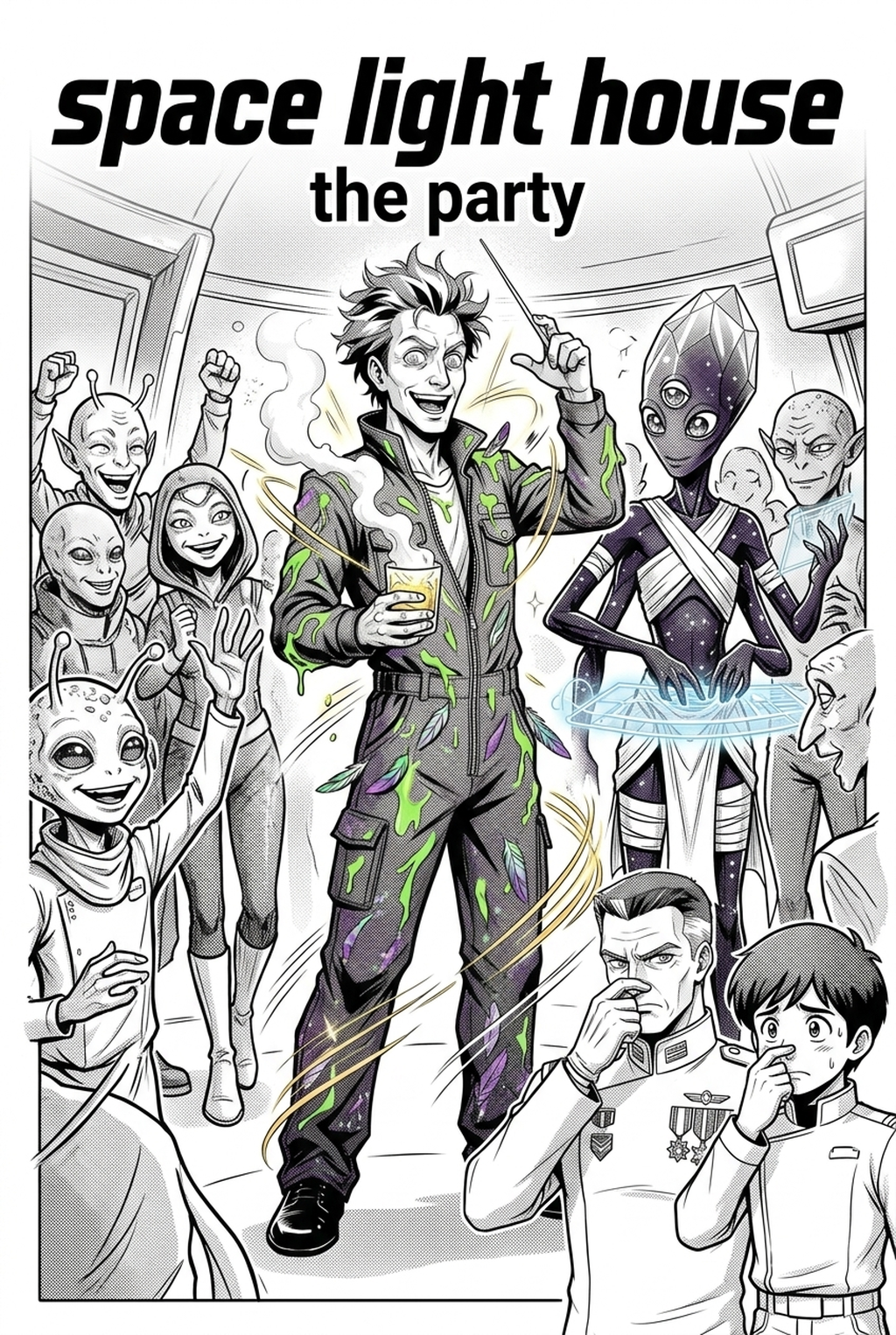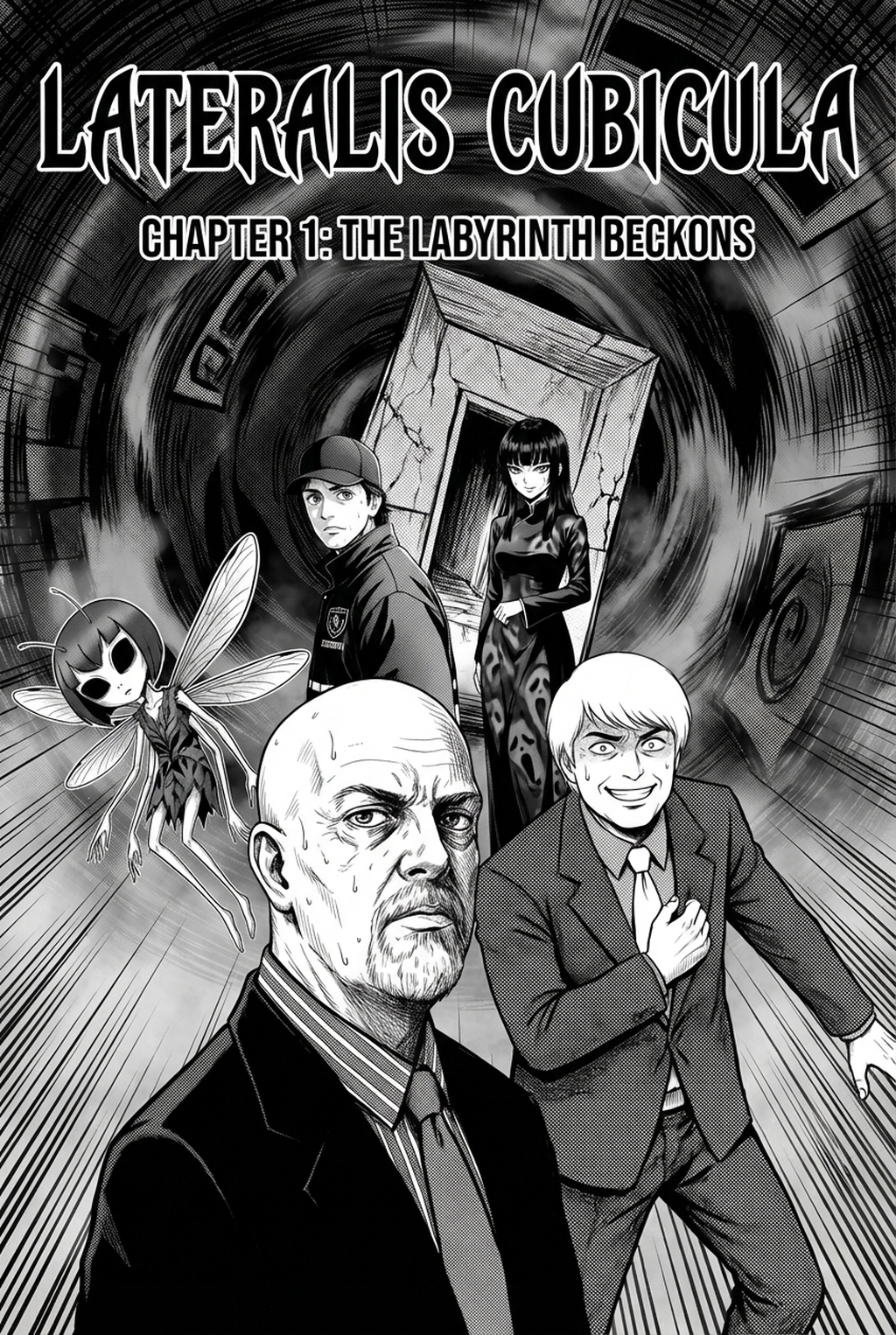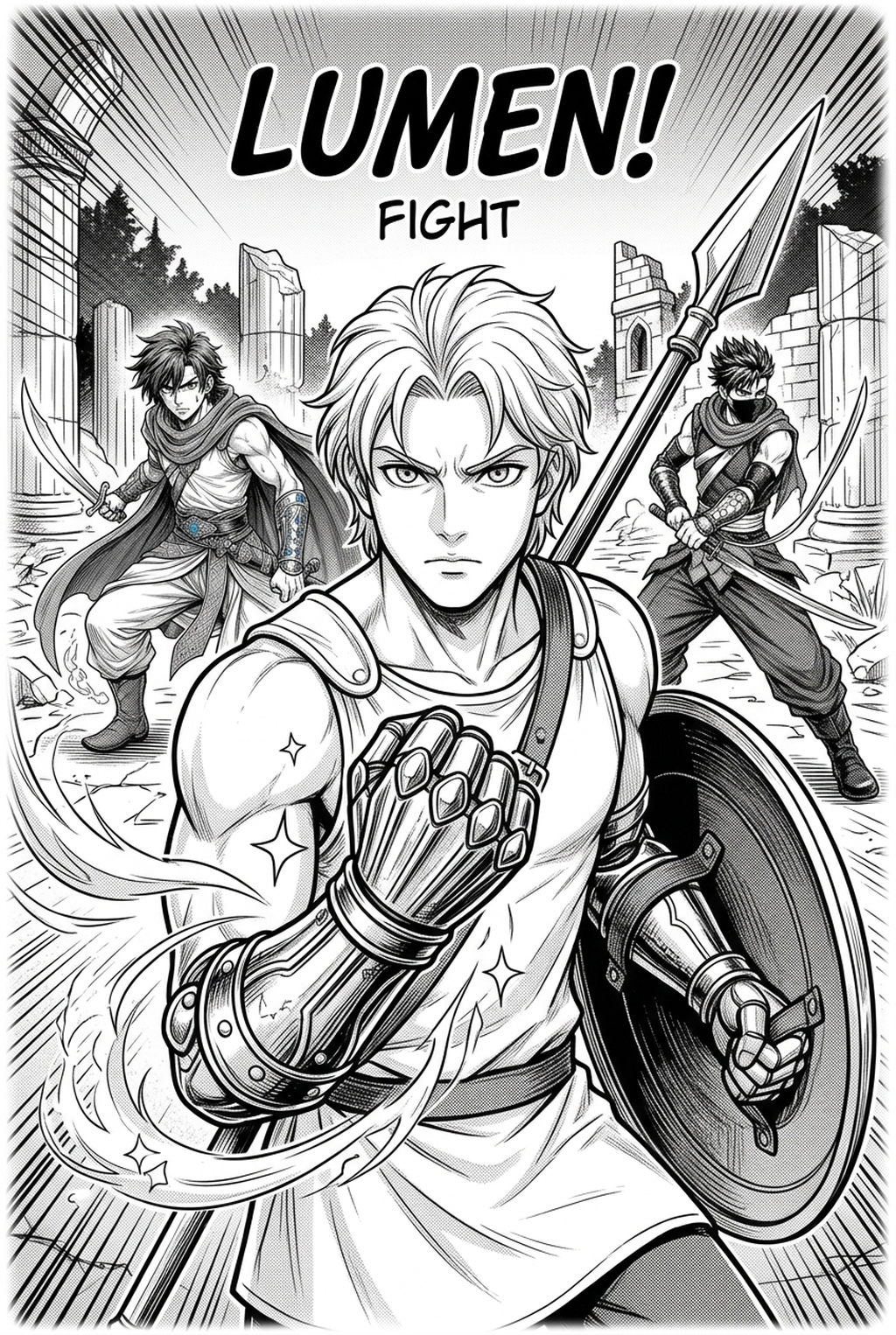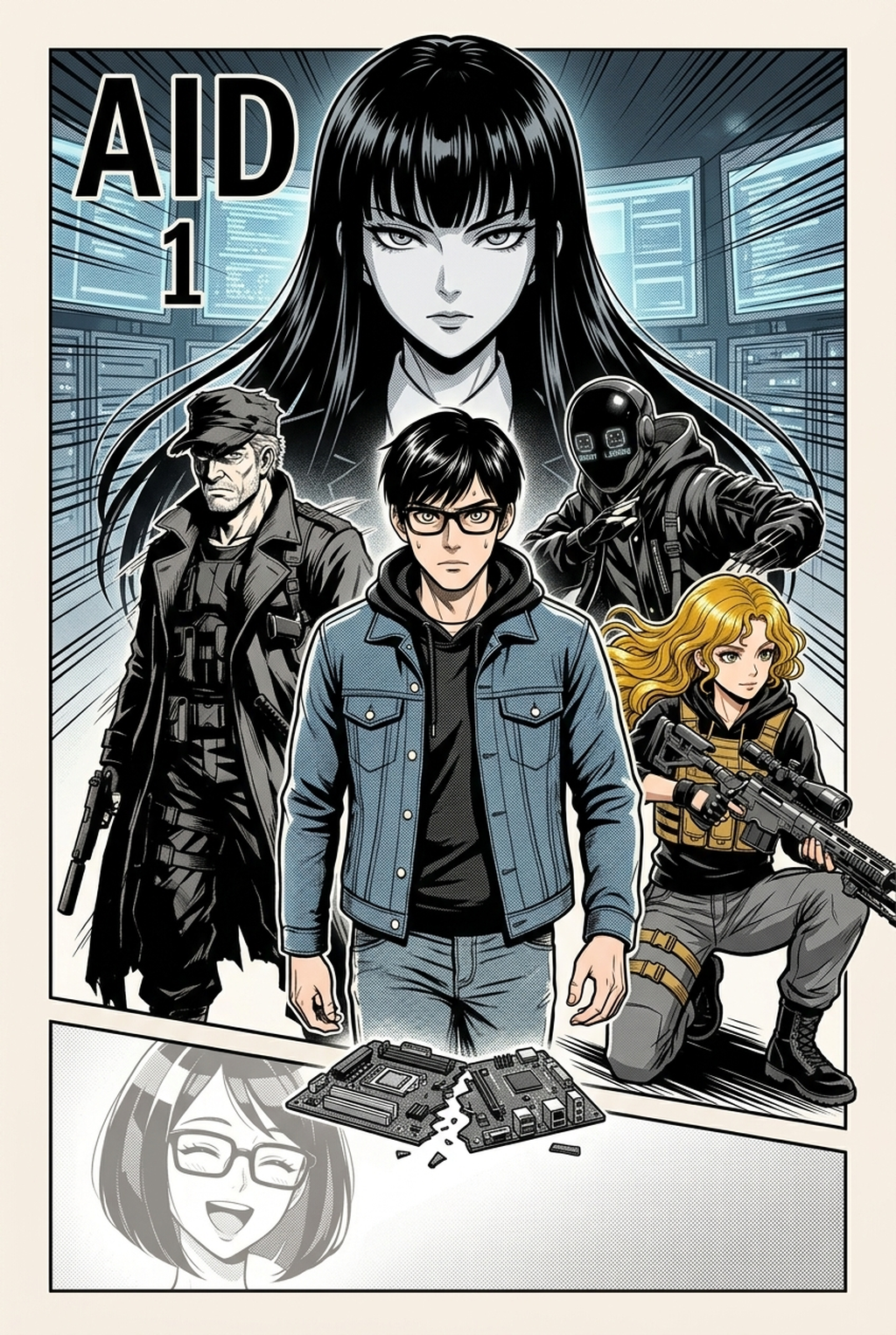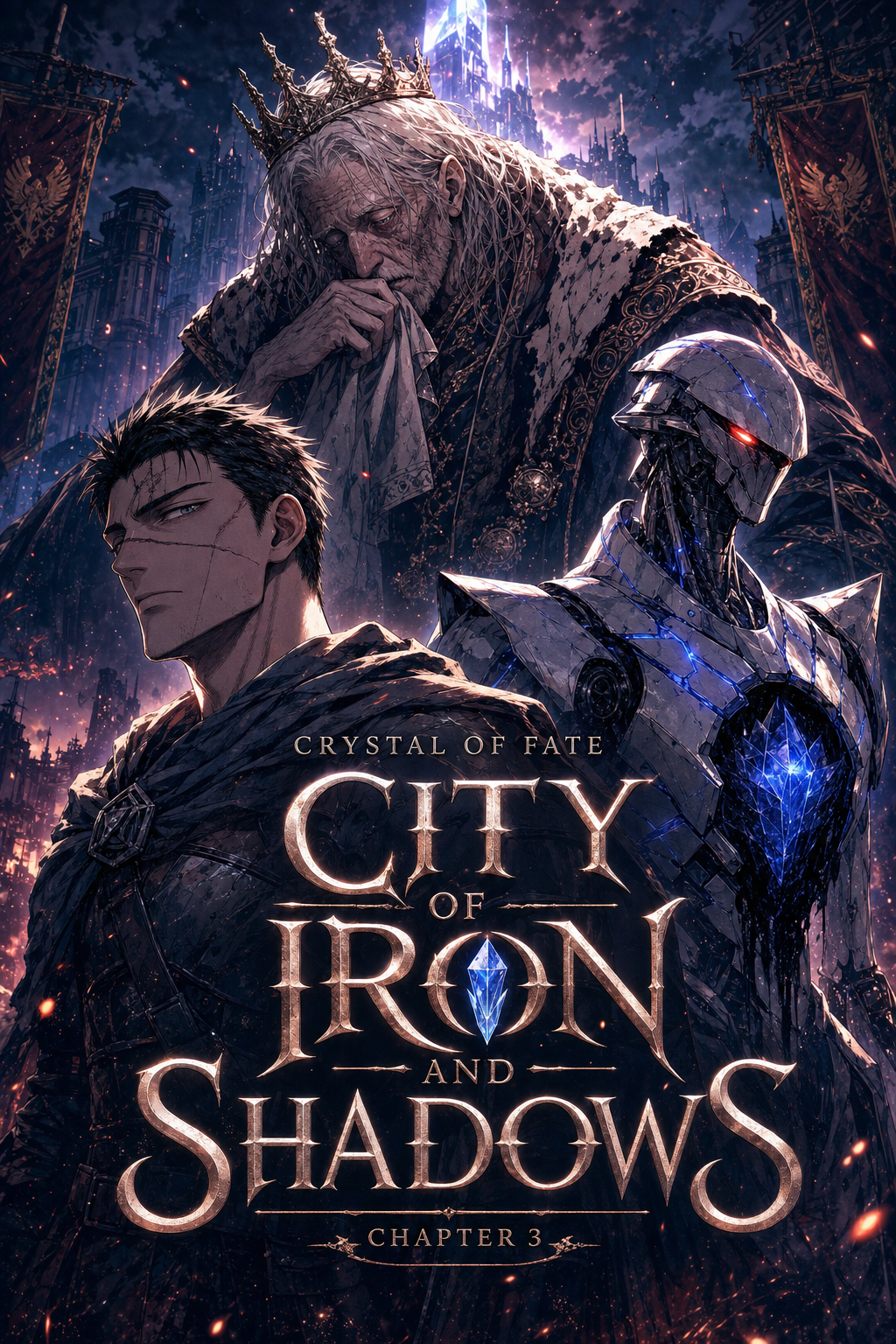
Understanding the Creative Role of a AI Manga Colorist
A professional manga colorist functions as a bridge between the raw ink-and-paper aesthetic and the final visual experience that attracts modern digital readers. Beyond merely filling in blank spaces, this role requires deep knowledge of visual hierarchy—knowing exactly which panel deserves a focal color pop and which background should fade into a muted, monochromatic wash.
The colorist must balance the original mangaka's ink density against a palette that preserves the weight of every pen stroke. Without this balance, digital pages often feel "plastic" or over-rendered, losing the tactile grit that makes manga distinct from western comics. You must manage complex layering, ensuring that shadows align with your specific lighting source, such as a harsh sunset or the soft glow of a flickering lightbulb, to maintain total reader immersion.
Why High-Quality Color Elevates Your Series
Full-color pages act as a force multiplier for reader engagement on major digital platforms, as color creates instant readability where black-and-white art might otherwise look chaotic. By using color to separate foreground characters from complex, dense background line work, you guide the reader's eye naturally through each panel’s composition.
Beyond readability, a premium color finish is often the deciding factor for series licensing and merchandise opportunities. Publishers look for a distinct, polished brand identity that signals a high-budget production, even if you are a solo indie creator. When your colors are consistent across a volume, you cultivate a professional reputation that keeps readers coming back for every chapter release.
Integrating Modern Tools into Your Workflow
You can maintain the physical integrity of your traditional ink work while eliminating the manual labor of base-coloring by using specialized AI. Tools like AI AI Manga Colorist workflow workflow with Mangaka perform the heavy lifting of mask-generation and color application, allowing you to bypass hours of repetitive pixel-masking without sacrificing the "soul" of your hand-drawn lines.
These systems are trained specifically on manga-style aesthetics, meaning the algorithm understands where to place skin-tone gradients and how to calculate shadow depth based on your existing ink density. This automation shifts your creative output from technical maintenance to high-level color theory and mood design. You retain full control over the final export, ensuring your artistic intent remains front and center.
Essential Strategies for Color Consistency
Maintaining a professional look requires a repeatable process that ensures a character's outfit remains the same shade of blue in Chapter 1 and Chapter 50. Achieving this balance is the primary challenge in long-form serialization, especially when you are managing tight delivery schedules.
- Palette Presets: Standardize your character’s base colors and store these as presets to prevent color drift during high-pressure production cycles. * Layered Exports: Ensure your final files are exported as layered PSD or TIFF files, allowing you to manually refine specific shadow shapes if the lighting setup shifts in a critical scene. * Hybrid Review: Treat the AI output as your "first pass," then perform a human review pass to adjust focal highlights that need to draw specific reader attention during major emotional beats.
Getting Started with Professional AI Tools
Concerns about generic aesthetics are common, but you can avoid them by treating AI as a technical accelerant rather than a creative replacement. By providing your own inked pages as the source input, you keep your unique style at the core of the final file. This keeps the review focused on story intent, line weight, panel readability, and the export quality behind the final AI Manga Colorist output.
- Retaining Hand-Drawn Quality: Modern systems allow you to preserve your original line weight, ensuring that the final output does not appear blurred or "airbrushed" beyond recognition. * Complex Action Sequences: You can effectively handle high-action panels by isolating key figures during the input phase, ensuring the tool preserves detail even in dense, high-contrast battle scenes. * Strategic Style Control: By saving and applying specific lighting and palette presets, you guarantee your main cast looks the same regardless of background changes or environmental lighting conditions.
- Before Export. Creators should compare the generated line art with the original sketch and confirm that facial expressions, props, speed lines, and speech-bubble space still support the scene. A repeatable review pass should cover character consistency, panel readability, background clarity, and whether the final file is ready for coloring, lettering, or editor feedback. For longer projects, creators should save approved examples of line weight, face detail, clothing folds, and background density. Those references keep later chapters closer to the intended style.
- For Collaboration. Creators should mark which panels are final and which panels still need redraws. Clear status labels prevent an assistant, editor, or colorist from polishing the wrong version. For publishing, creators should review the page at the actual reading size before export. Small screens expose crowded dialogue, weak silhouettes, and line details that looked fine while zoomed in.
- For Style Control. Creators should keep a short reference board beside the draft and compare hair shapes, eye details, costume folds, and texture choices before approving the final page. For revision planning, creators should separate art fixes from story fixes. Line cleanup, panel order, dialogue clarity, and character acting each need a different review question.
The Bottom Line
Modern manga production demands a shift toward smarter, faster workflows that do not compromise on visual quality or artistic authenticity. By adopting specialized tools like manga colorist to handle the technical heavy lifting, you can focus on the narrative and composition details that define your voice as an artist. Start using the right manga colorist to optimize your production production process today.
Related articles
Streamline Your Manga Colorist Workflow with AI Tool in 2026
What Is a Manga Colorist? The 2026 Role and Tools Guide
What Does a Manga Colorist Do? A Guide for 2026