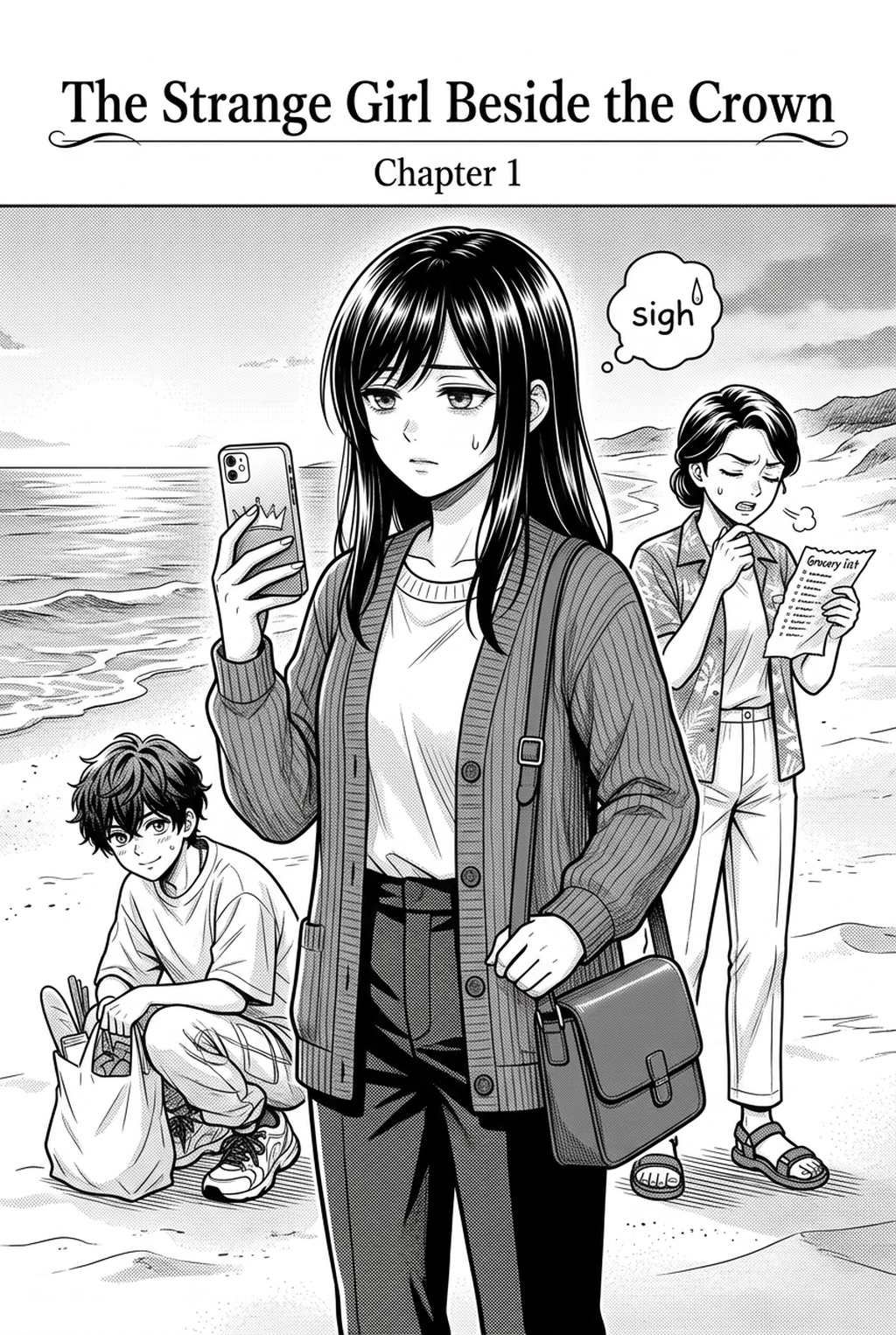
AI Manga Colorist: The Evolution of Digital Manga Art
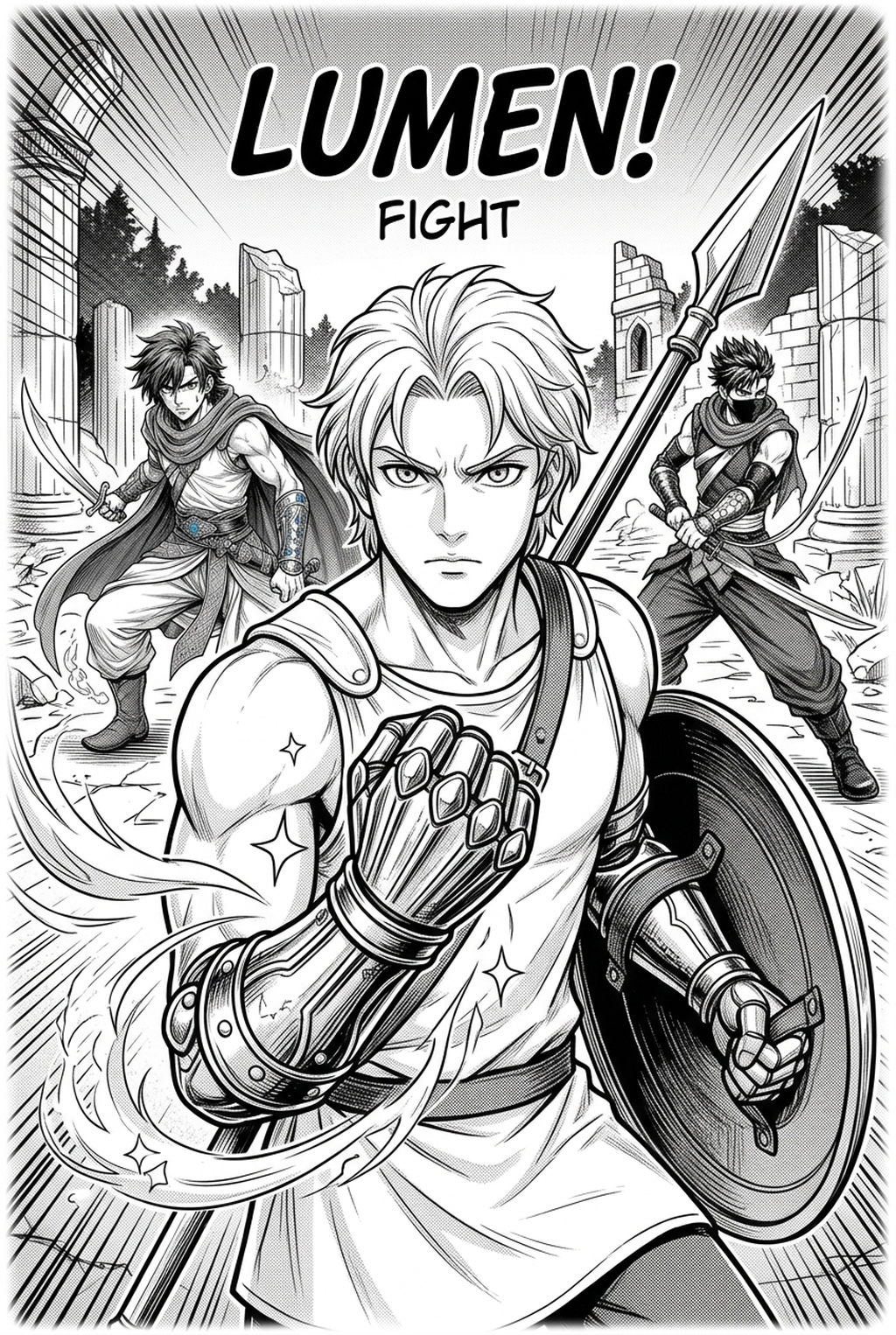
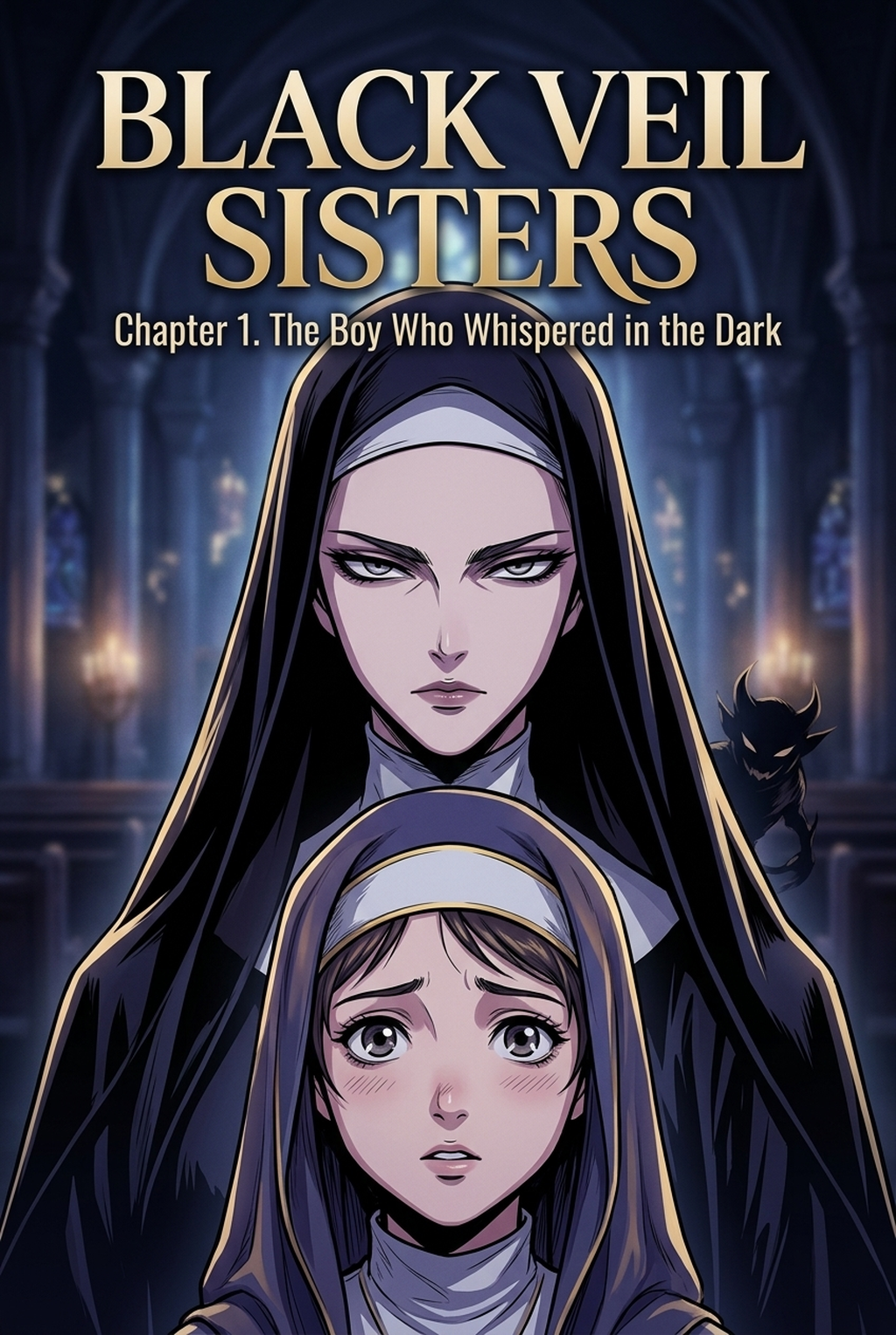
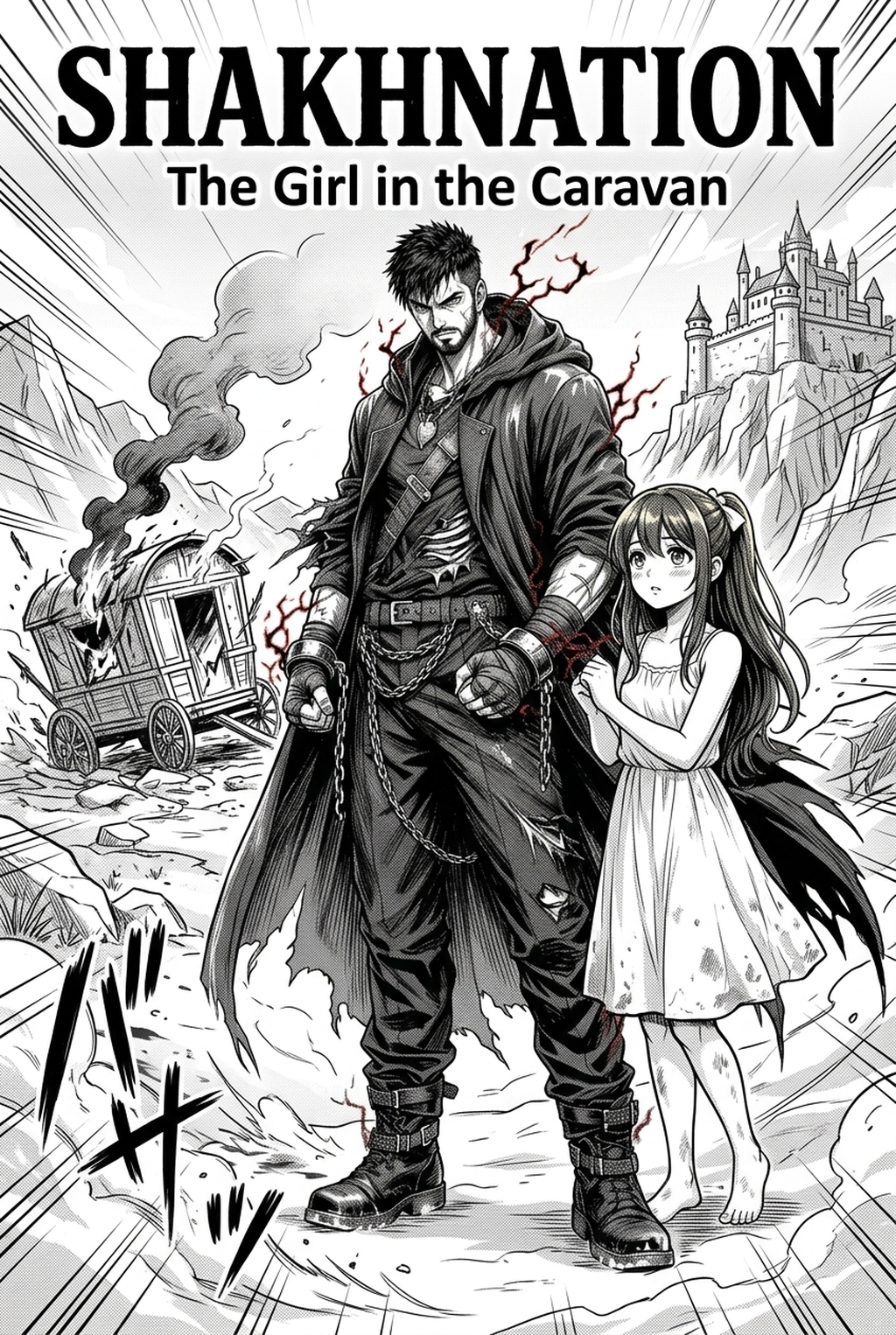
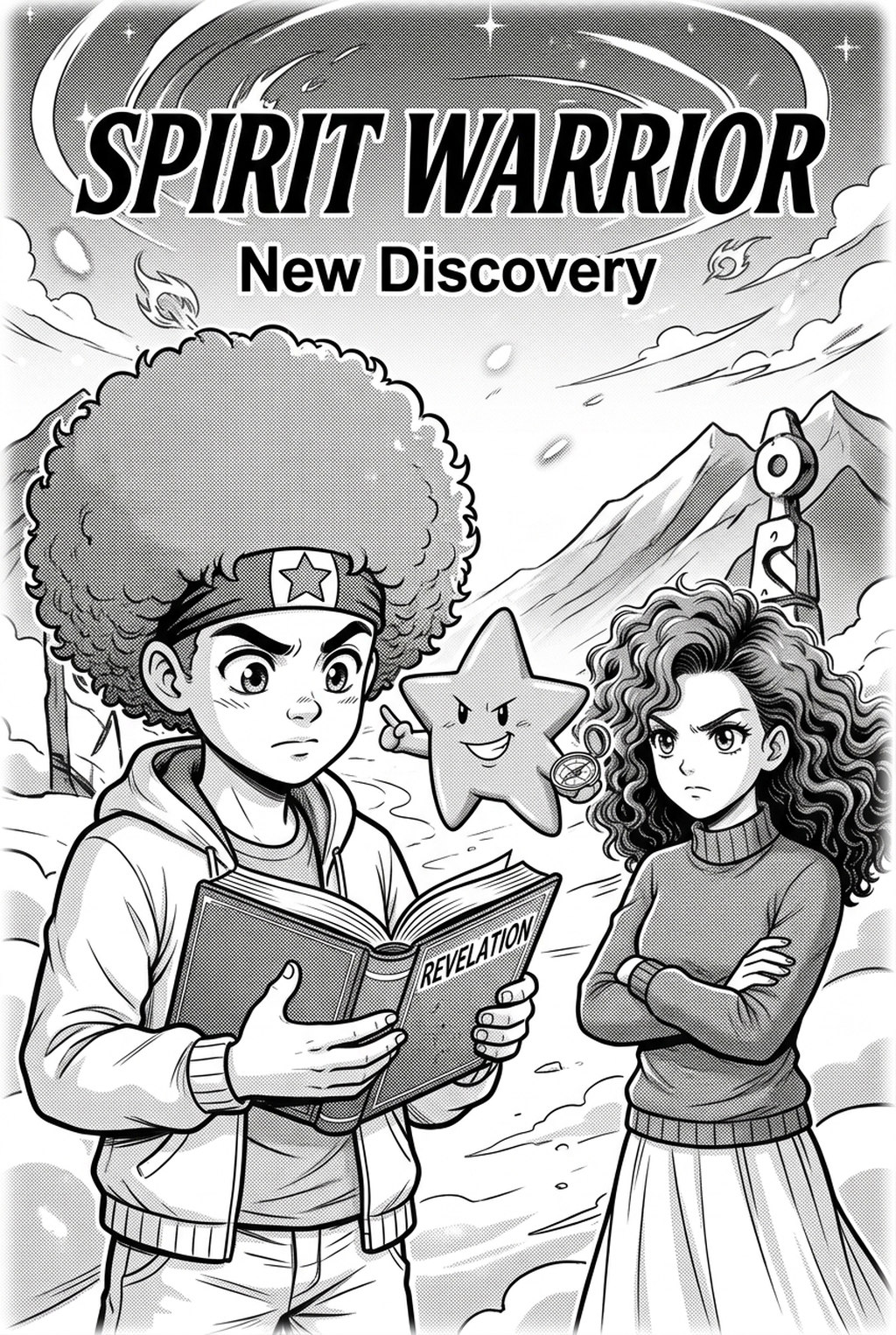
The role of a colorist has transformed significantly over the last decade. Historically, manga was strictly a monochromatic medium, but the rise of digital platforms has created a demand for colorized chapters to engage mobile readers. A skilled manga colorist must understand how to maintain line weight and contrast while applying palettes that complement, rather than distract from, the original linework. Balancing these elements is the difference between a cluttered page and a visually stunning spread that guides the reader’s eye across the action.
Techniques have shifted from flat, cel-shaded approaches to complex, painterly styles that utilize lighting, rim highlights, and atmospheric depth. Modern creators often start by isolating the line art layer, ensuring it remains sharp while using clipping masks for base colors. This non-destructive workflow allows for rapid iteration, which is essential for meeting tight weekly deadlines. Mastery of color theory, specifically how colors dictate the mood of a scene—such as cooling the tones for a tragic flashback or increasing saturation for a high-energy combat sequence—is what separates hobbyists from industry professionals.
Essential Tools and Workflow Optimization
Efficiency is the cornerstone of a sustainable career. High-end software like Clip Studio Paint remains the industry standard, but the integration of AI-assisted tools has drastically reduced the time spent on "flatting"—the tedious process of filling in base colors. By automating the flatting stage, a colorist can focus their energy on rendering, texturing, and adding special effects that define the unique look of the manga.
Consistency is equally important. Maintaining a unified color profile across hundreds of panels requires strict layer management and the use of color palettes. When working in teams, setting up shared libraries or template files ensures that the protagonist's hair color remains identical from chapter one to the finale. The ability to pivot between different styles—whether it be the muted, gritty tones of a seinen series or the vibrant, punchy aesthetic of a shonen action piece—defines a truly versatile artist in the current market.
- Chapter cadence. Use the AI pass for pages where speed matters most, such as repeated action poses, transformation beats, or dense speed-line panels. Keep manual cleanup for hero panels where the line style defines the emotional peak.
- Character continuity. Compare the generated lines against the same model sheet, costume notes, and facial-expression range used during sketching. This prevents a fast inking pass from drifting away from the character identity readers recognize.
- Export readiness. Check whether the final manga output can move into lettering, coloring, or final layout without rebuilding panel borders or speech-bubble space. A good manga workflow should save time while keeping the next production step predictable.
Future Trends in Manga Production
As we look toward 2027 and beyond, the intersection of real-time rendering and traditional 2D art is likely to accelerate. We are seeing more colorists experiment with 3D backgrounds that are then painted over to match the 2D character assets, creating a hybrid look that adds incredible depth. Additionally, as mobile reading continues to dominate, the "vertical scroll" format demands a different approach to coloring, where color palettes are used as navigation cues to lead the reader through the story. Artists who embrace these technological shifts will find themselves at the forefront of the industry, capable of producing high-quality work that satisfies both the traditional expectations of the medium and the modern requirements of digital distribution platforms. Reader Expectations and Visual Quality.
- Before Export. Creators should compare the generated line art with the original sketch and confirm that facial expressions, props, speed lines, and speech-bubble space still support the scene. A repeatable review pass should cover character consistency, panel readability, background clarity, and whether the final file is ready for coloring, lettering, or editor feedback.
- For Longer Projects. Creators should save approved examples of line weight, face detail, clothing folds, and background density. Those references keep later chapters closer to the intended style. For collaboration, creators should mark which panels are final and which panels still need redraws. Clear status labels prevent an assistant, editor, or colorist from polishing the wrong version.
- For Publishing. Creators should review the page at the actual reading size before export. Small screens expose crowded dialogue, weak silhouettes, and line details that looked fine while zoomed in. This keeps the review focused on story intent, line weight, panel readability, and the export quality behind the final AI Manga Colorist output.
- For Style Control. Creators should keep a short reference board beside the draft and compare hair shapes, eye details, costume folds, and texture choices before approving the final page. For revision planning, creators should separate art fixes from story fixes. Line cleanup, panel order, dialogue clarity, and character acting each need a different review question.
- For Solo Creators. The most useful workflow is one that keeps rough ideas editable until the final pass. That reduces rework when the scene mood changes after the first read-through. Creators can use each revision decision to clarify panel readability, character consistency, and export quality before publishing or sharing.
- For Teams. Handoff notes should explain why a panel was accepted, not just whether it was accepted. That context helps later coloring, lettering, and export decisions stay consistent. Creators can use manga colorist when they need a reviewed path from rough sketch to clean manga output.
Creators can evaluate manga colorist with Mangaka mid-workflow when they need the product path tied directly to review, refinement, and export. A real test should use the same sketch, character goal, or panel sequence that would otherwise need manual cleanup after generation.
Related articles
What Does a Manga Colorist Do? A Modern Workflow Guide 2026
How a Manga Colorist Uses AI to Scale Their Productivity
Color Your Manga Faster: Professional AI Coloring Workflow