AI Manga Character Designer: Foundations of Visual Character Construction
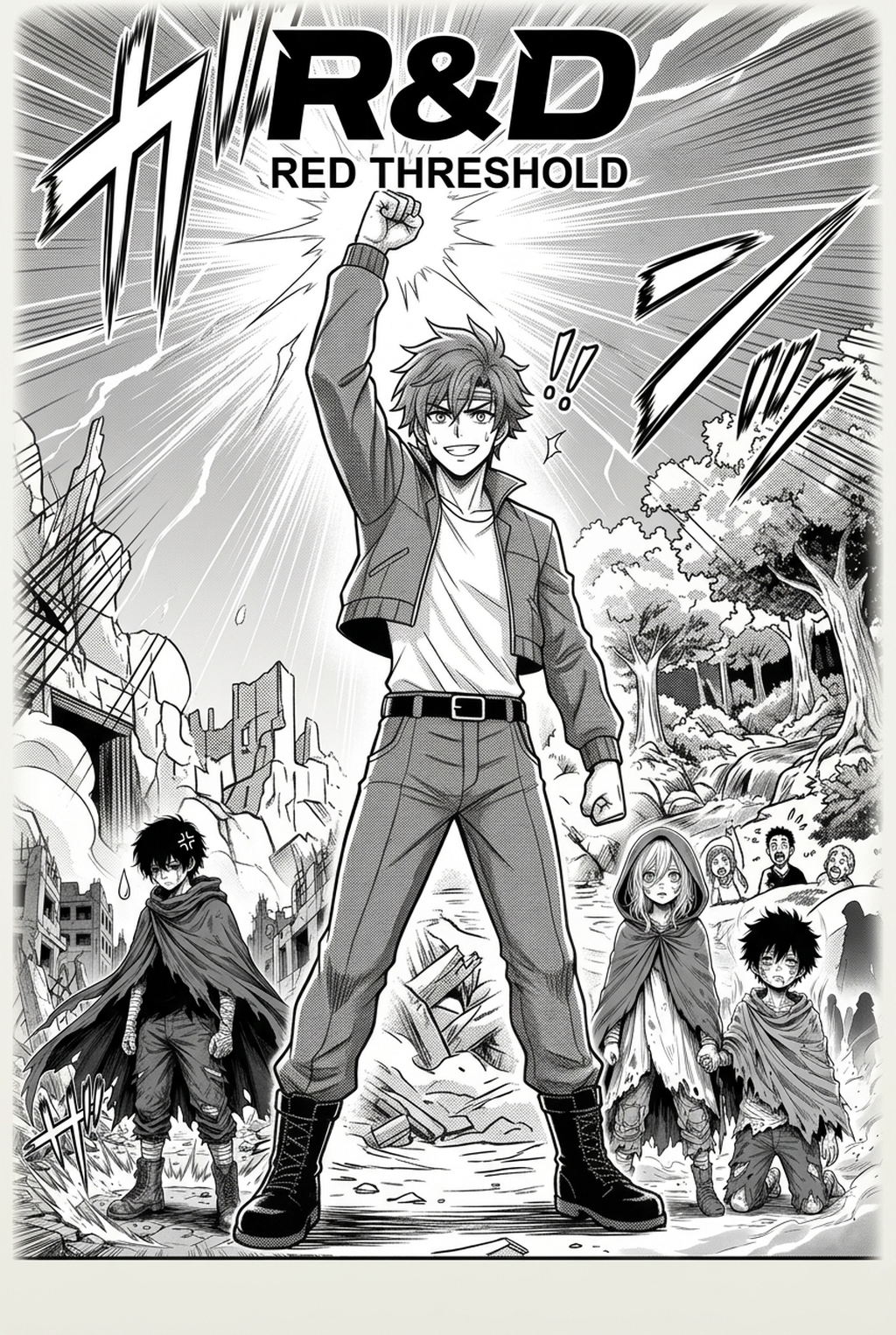
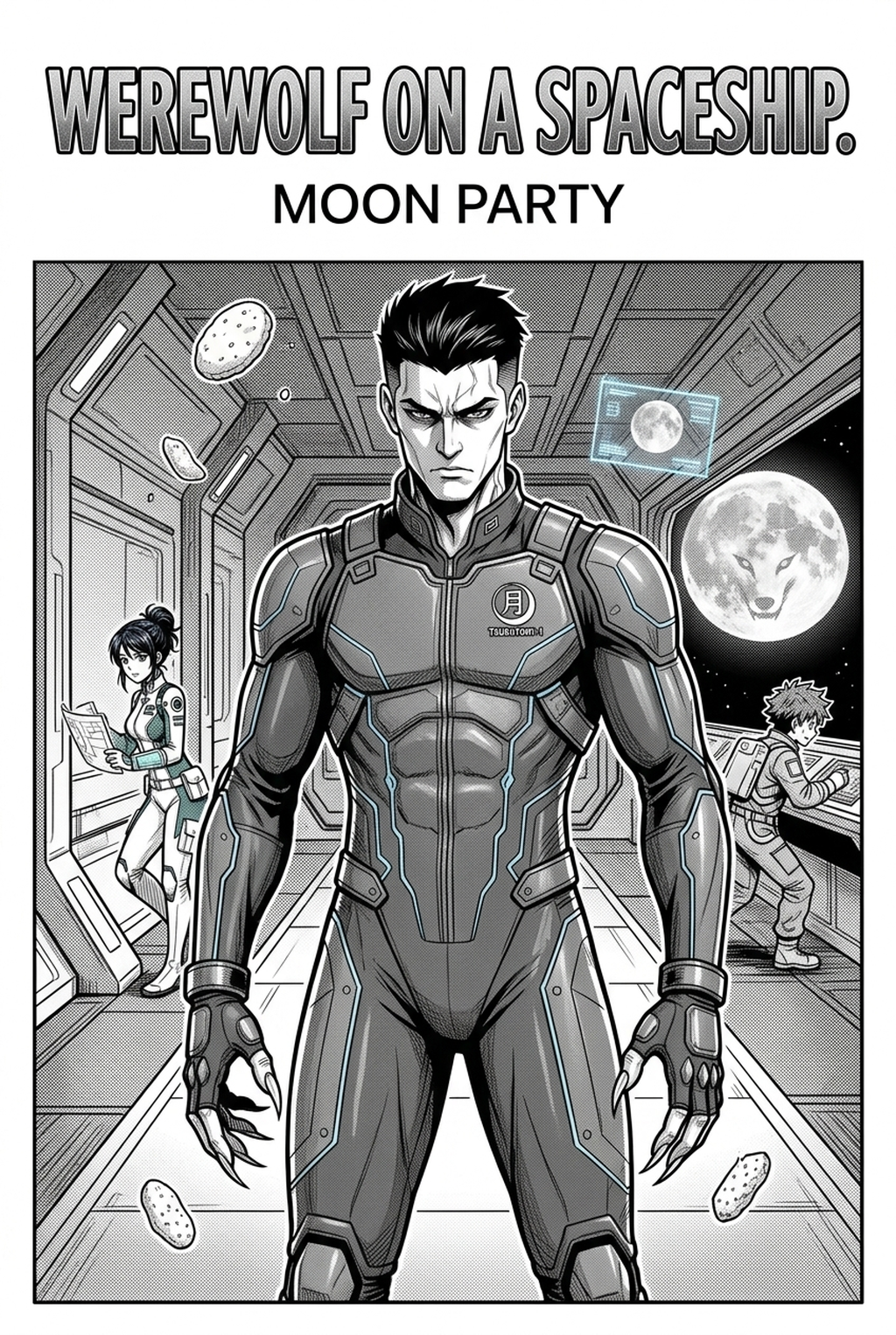
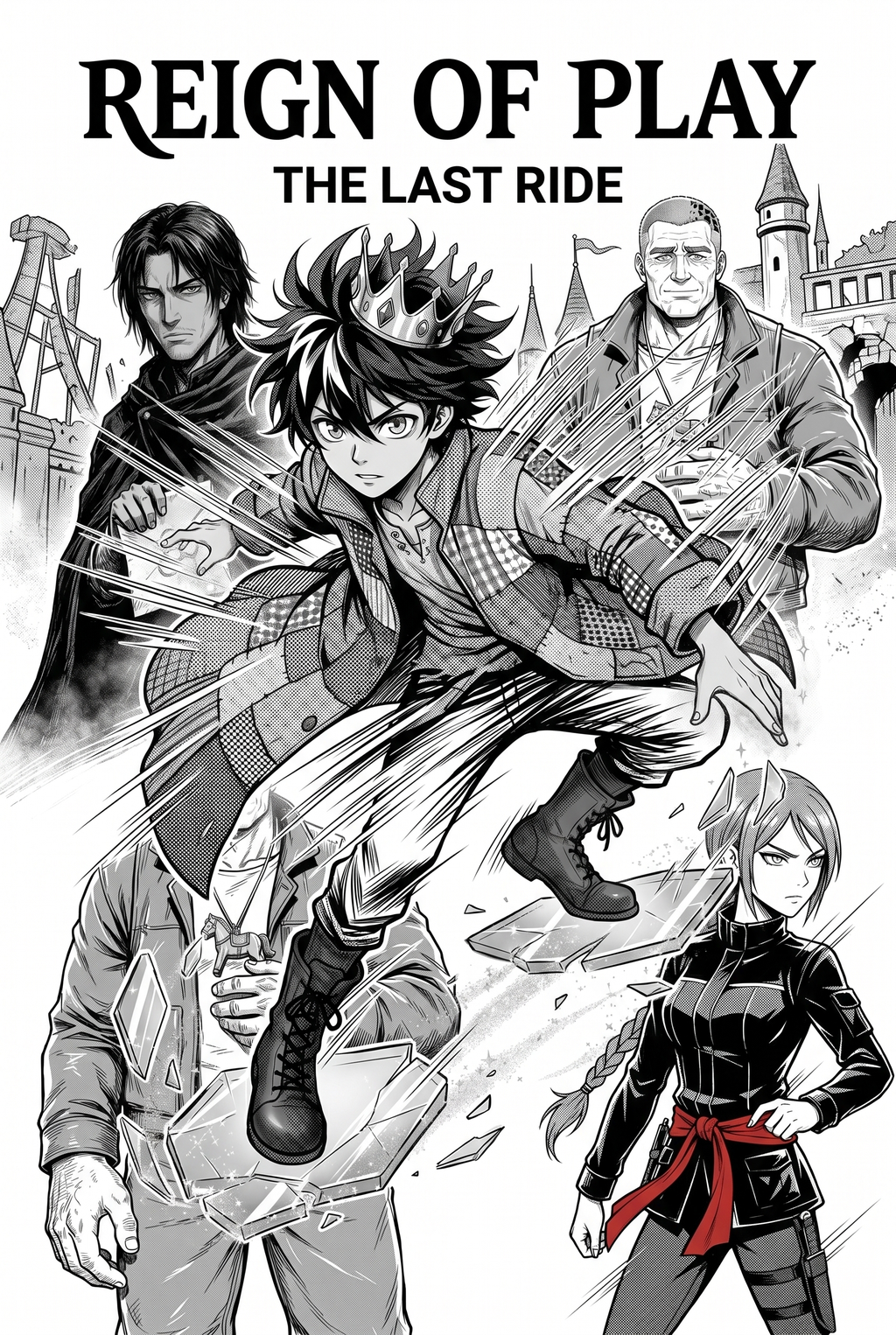
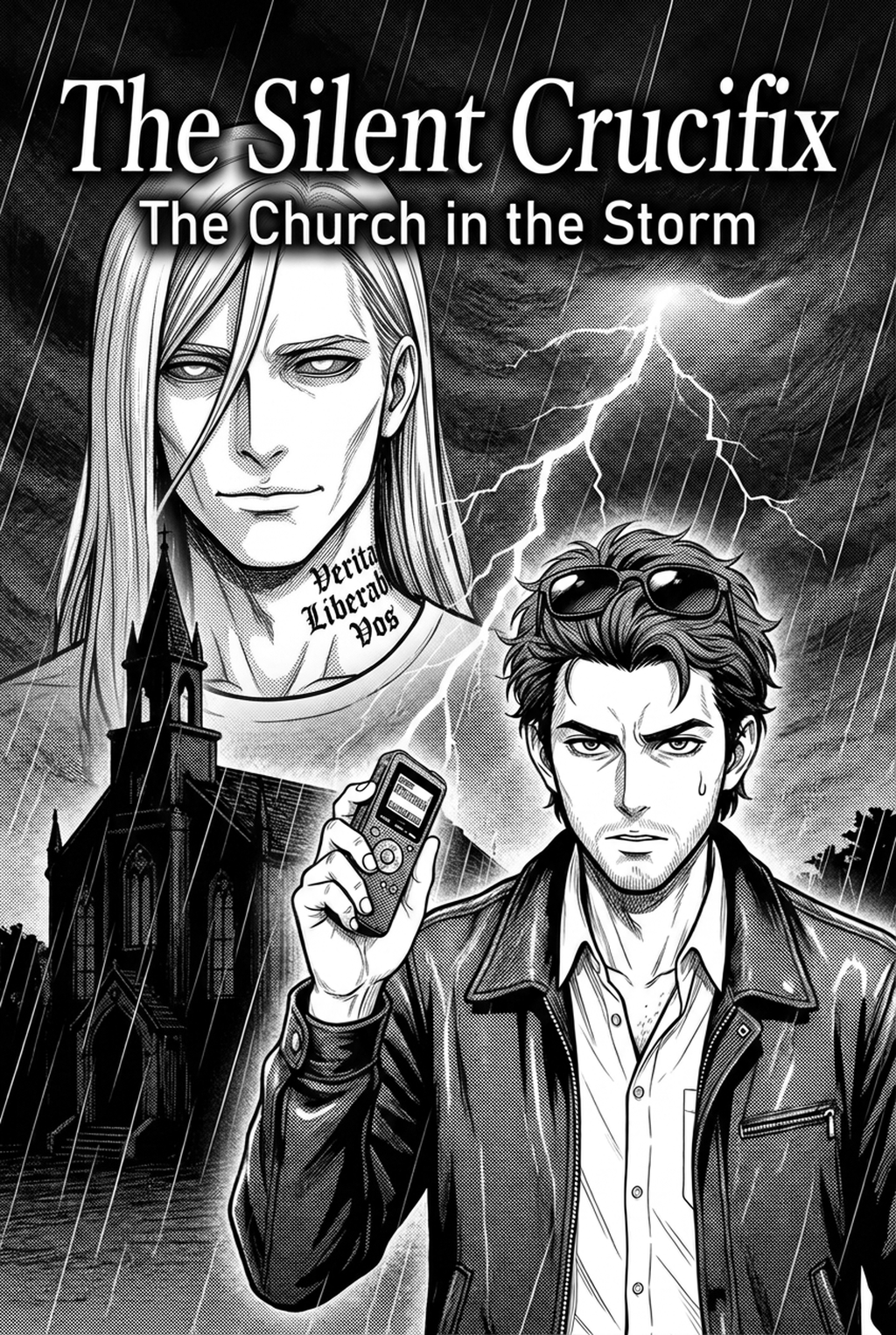
Effective design relies on 'silhouette testing,' where a character's shape remains distinct even when fully blacked out. If you cannot identify your protagonist in a panel purely by their hair spikes or cape silhouette, your design lacks the necessary visual shorthand required for long-form narrative clarity.
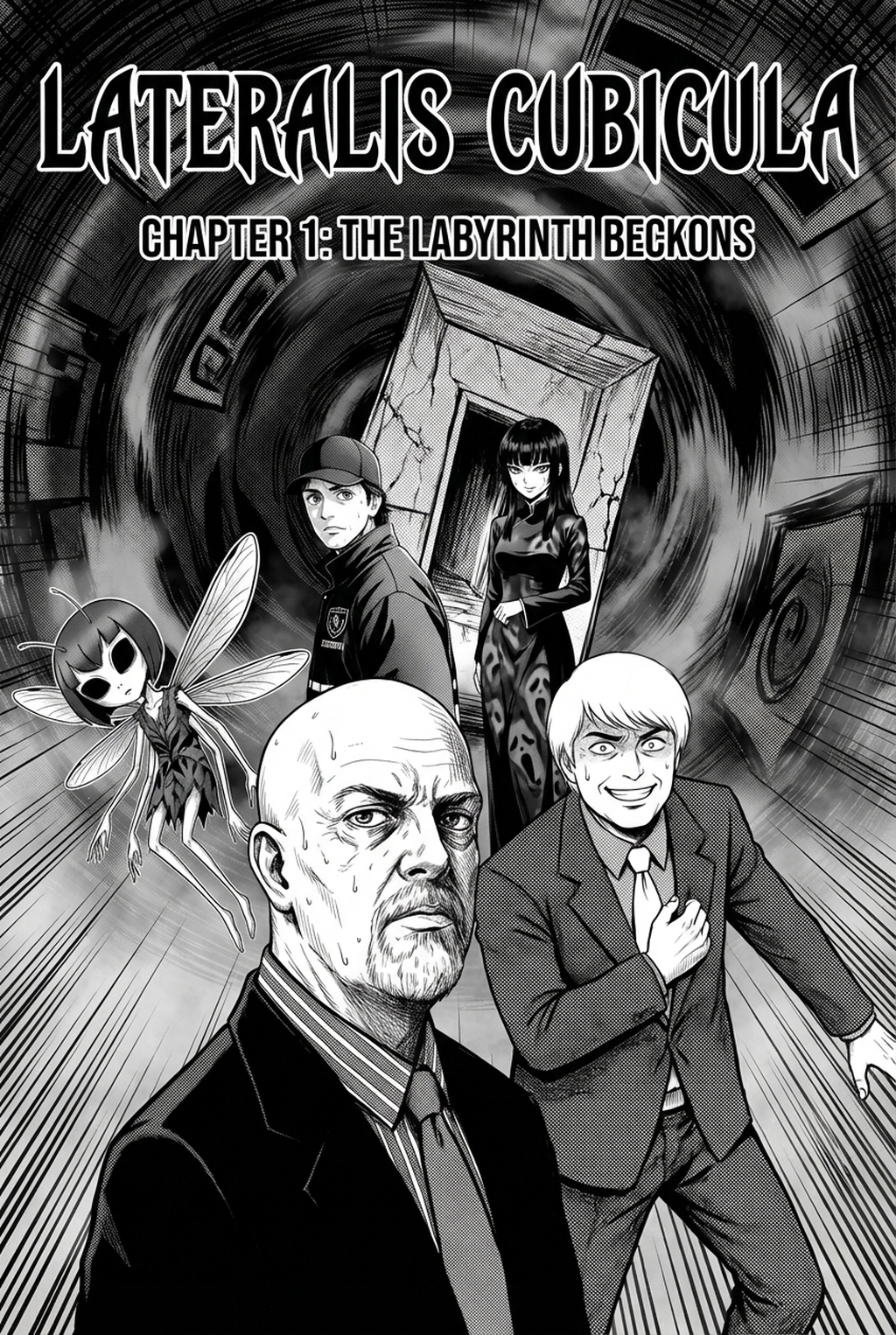
Visual shorthand acts as a permanent identifier that allows readers to track movement across dynamic action panels. Unique hair spikes, specific weapon holsters, or recurring jewelry items function as non-verbal tags that signal character presence in crowded group frames.
Check character consistency, panel readability, line quality, and export readiness before publishing. Creators should also record why the page passed review, which panel details still need manual cleanup, and which export format the next collaborator will use. That makes the subsection useful instead of leaving a short checklist under a large heading.
Model sheet symmetry involves establishing front, side, and three-quarter profiles that maintain consistent volume and proportion ratios regardless of the pose. Many creators make the mistake of drawing expressions before locking these dimensions, which inevitably leads to the 'unstable skull' problem where the head size changes based on the rotation of the neck.
Why Structural Integrity Matters for Creators
Visual consistency is maintained by developing a 'Reference Bible' that documents key design variables for recurring characters. Without this technical repository, creators often struggle with 'design drift,' where facial features or clothing details subtly morph over time due to fatigue, changing artistic moods, or simple manual drafting errors.
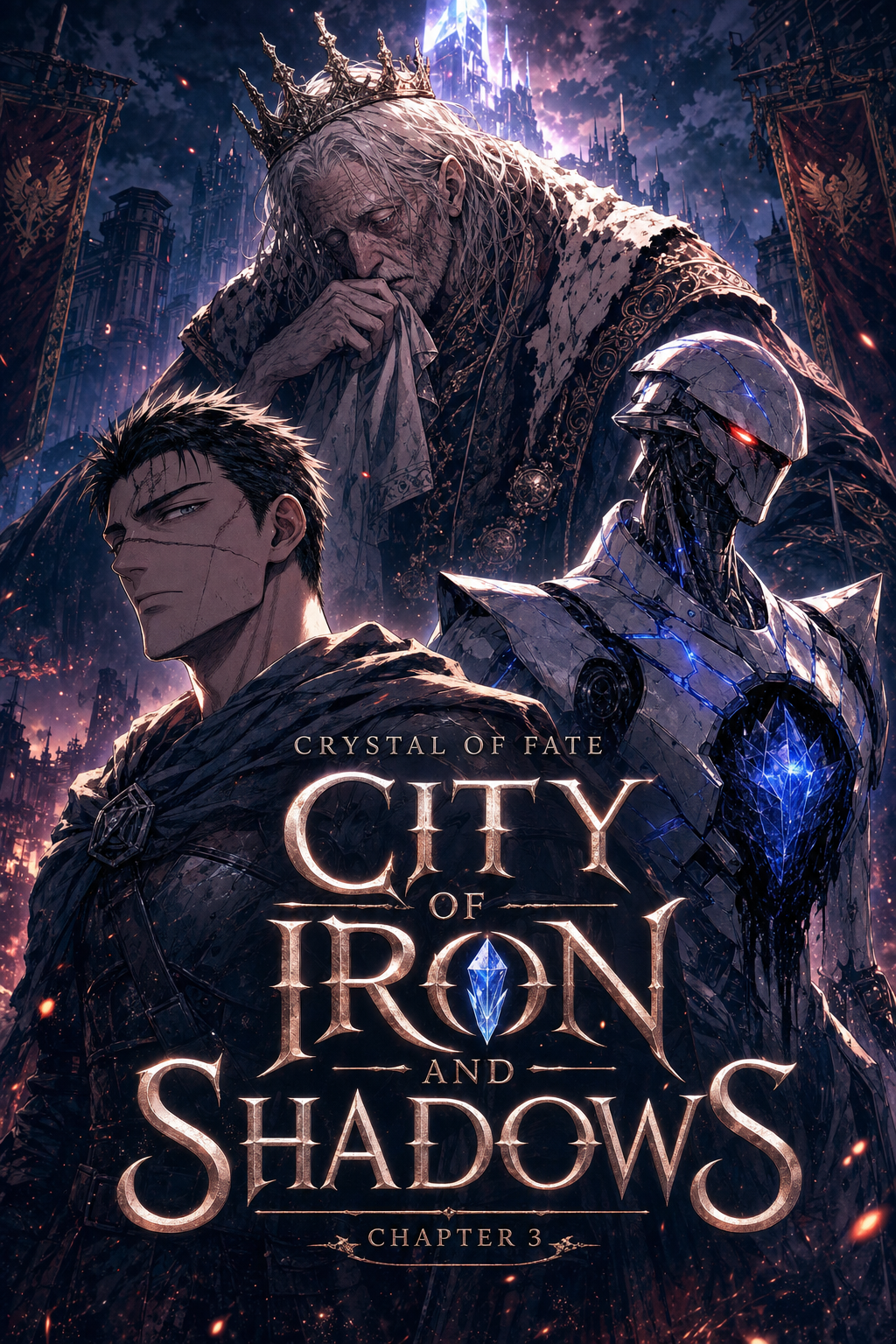
Use 'Fixed Anchor Traits' like eye shape depth or scar placement to act as reliable metrics against which every new panel is validated. If your character has a specific scar beneath the left eye, that scar must exist in every three-quarter view, regardless of whether it is partially obscured by hair or shadows. Ignoring this detail forces the 'review owner' to spend hours of unnecessary cleanup time during the final inking pass, delaying your release schedule.
Design drift is the silent killer of serialized manga. It occurs when a creator subconsciously alters the length of a character’s chin or the thickness of their eyebrows to fit the composition of a specific high-intensity panel, forgetting that the modification contradicts the previous fifty pages.
Integrating Intelligent Design Assistance
Mangaka automates the generation of consistent character sheets by using text-to-visual creative briefs to maintain style integrity. By offloading the repetitive task of redrawing basic turnaround poses, you regain the creative bandwidth to focus on complex page layouts and emotional storytelling rather than fixing basic proportion errors.
Automated workflows allow creators to generate pose-sheets and facial expressions in minutes rather than hours, reducing the 'review owner' bottleneck that often occurs when manual sketching goes wrong. You can input your character's established source context and receive variations that respect the line-art density of your existing pages.
Integration of 'Style Seed Locking' ensures color palettes and inking weights remain identical across different page environments. When you move from a dark alleyway scene to a bright classroom, the system ensures that the base line weight and shading frequency of your character stay consistent, preventing the dreaded 'mismatch' effect where a character looks like a different person depending on the background. Visit manga character design with Mangaka to see how this technical alignment changes your daily output.
Common Pitfalls in the Design Phase
Over-complicating designs with excessive detail makes them significantly harder to reproduce across repetitive panels. If your character design includes intricate armor plating that requires three minutes of extra inking per panel, you are effectively handicapping your own production speed for no narrative gain.
Ignoring the 'delivery format'—such as mobile vertical comic platforms scrolling versus traditional tankobon print—can lead to poor readability. For vertical comic platforms, you must design for smaller screen resolutions, meaning your line work must be bold and uncluttered, whereas traditional print allows for finer, more delicate hatching that might disappear or turn into gray noise on a smartphone screen.
Neglecting emotional range during the character exploration phase limits the character's narrative impact. Your design should not just look good in a static T-pose; it must be able to express shock, sorrow, and manic joy without losing its core identity. If your character's eyebrows cannot realistically convey anger due to a design oversight in the eye-socket structure, you have failed at the narrative level, not just the aesthetic one.
Practical Paths to Design Success
How many poses do I need for a character sheet? Aim for a minimum of a front view, a side view, and a dynamic action pose that demonstrates the character's movement style. Can AI replace traditional character design training? No, it serves as a force-multiplier, but understanding anatomy is essential for high-level creative control; without it, you cannot guide the system toward the results you need. What is the most important part of a manga design? The ability to convey the character's 'source context' and personality through simple, identifiable lines that stand the test of a 200-page project.
Before Export. Creators should compare the generated line art with the original sketch and confirm that facial expressions, props, speed lines, and speech-bubble space still support the scene.
The Bottom Line
High-quality design serves as the foundation of a successful series, but the execution shouldn't hinder your creative output or lead to burnout. By combining traditional design principles with AI tools, indie creators can bridge the gap between amateur drafts and professional-looking manga. manga character design and reclaim the time once spent on manual proportion corrections.
Related articles
Manga Character Design: A Complete Guide for Creators 2026
Manga Character Design: How to Build Consistent Heroes 2026
Mastering Yuri Manga Character Design: A Creator's Guide