Manga Generator Online: Complete AI Storyboarding & Creation Guide 2026
Published on October 7, 2026 | Comprehensive Technical Guide for Indie Mangaka, Webtoon Artists & Storytellers
TL;DR (Executive Summary)
A modern manga generator online provides an end-to-end cloud production environment where creators, novelists, and visual storytellers can convert written scripts directly into publication-ready, multi-panel manga pages. Rather than struggling with manual perspective projection, laborious inking, or fragmented generative prompts, platforms like Mangaka combine automated script parsing, deep character consistency engines, dynamic panel layouts, and print-ready raster tone rendering. Whether you are producing vertical webtoons for WEBTOON Canvas or traditional right-to-left tankobon pages, utilizing an integrated AI manga pipeline reduces chapter turnaround time from four weeks down to under 48 hours without compromising artistic voice or sequential coherence.
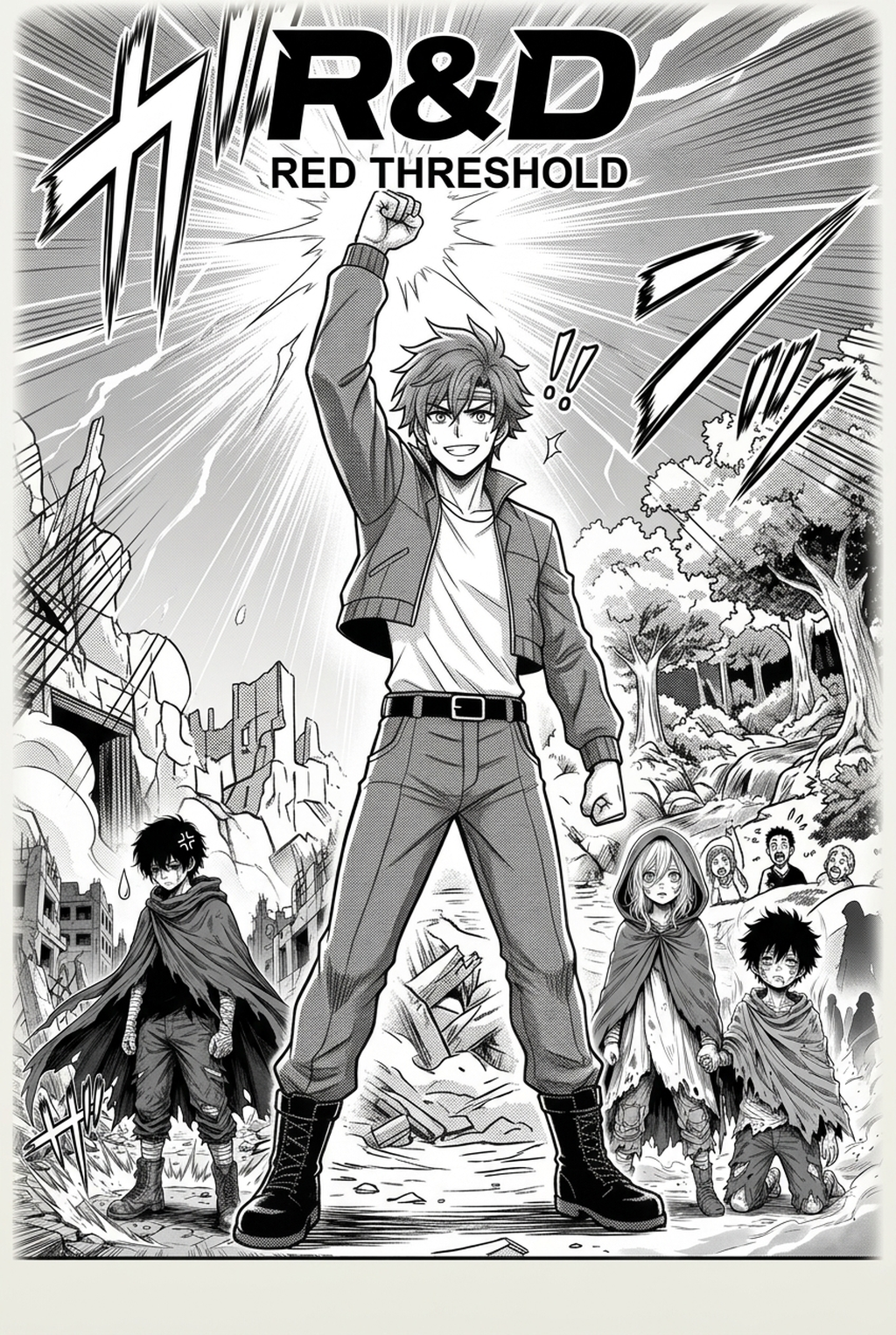
! Manga Generator Online Production Pipeline Figure 1: Full-suite manga generator online interface generating consistent multi-panel sequential chapters on Mangaka.
1. Introduction: The Evolution of Manga Generation Technology in 2026
The sequential art industry is undergoing its most radical transformation since the transition from dip pens and screentone paper to digital drawing tablets. Historically, producing a single 20-page manga chapter required an entire studio: a lead mangaka (responsible for character design, storyboarding, and pencils), background assistants (drafting complex architectural perspective grids), inking specialists, and digital letterers. For an independent storyteller in India, Southeast Asia, or the West, building and financing such a team was nearly impossible.
In 2026, the rise of the specialized manga generator online has dismantled these operational barriers. Unlike generalized generative models that spit out isolated, disconnected anime portraits, dedicated manga engines understand the grammatical principles of sequential narrative:
- Spatial Continuity: Maintaining coherent spatial awareness across successive panels (the 180-degree rule, eyelines, and shot transitions).
- Persistent Character Seeds: Ensuring that character faces, hairstyles, clothing, and accessories remain completely identical across hundreds of dynamic camera angles.
- Synthesized Screentones: Replicating traditional 60-line to 85-line dot screentones (amime), crosshatching, speed lines (kakeami), and dramatic lighting gradations.
- Native Lettering Architecture: Integrating dynamic sound effect glyphs (onomatopoeia/gitaigo) and auto-wrapping dialogue balloons directly into layered canvas hierarchies.
Independent creators who leverage an integrated platform like Mangaka Studio can now execute the entire pipeline—from logline and synopsis to finalized high-resolution exports—within a unified web workspace.
2. Core Architecture: How an AI Manga Generator Online Works
To appreciate the efficiency gains of a professional online generator, creators must understand the underlying neural and algorithmic architecture. Standard image generation tools operate on single-frame text-to-image diffusion, which inevitably results in "character drift" (the protagonist's eye color, facial proportions, or jacket details mutating between panels). A dedicated sequential art platform solves this through a multi-stage procedural pipeline.
+-----------------------------------------------------------------------------------+
|               MODERN MANGA GENERATOR ONLINE ARCHITECTURE (2026)                    |
+-----------------------------------------------------------------------------------+
|  1. SCRIPT & PROMPT PARSING                                                       |
|     [Raw Markdown / Script] --> [NLP Tokenizer] --> [Scene & Beat Segmentation]   |
|                                                                                   |
|  2. CHARACTER PERSISTENCE LAYER                                                   |
|     [Canonical Model Sheet] --> [Seed Embedding Engine] --> [Pose / Angle Control]|
|                                                                                   |
|  3. PROCEDURAL PANELING ENGINE                                                     |
|     [Pacing Optimizer] --> [Panel Geometry Generator] --> [Camera Focal Lengths]  |
|                                                                                   |
|  4. NEURAL ASSET RENDERING                                                        |
|     [Line Art Diffusion] --> [Halftone & Screentone Masking] --> [Ink Shading]    |
|                                                                                   |
|  5. COMPOSITING & VECTOR LETTERING                                                |
|     [Speech Balloon Placement] --> [Dialogue Auto-Wrap] --> [SFX Sound Glyphs]   |
|                                                                                   |
|  6. MULTI-FORMAT EXPORT ENGINE                                                    |
|     [Vertical Webtoon 800x1280] / [Print Tankobon 300 DPI CMYK B4/A5 PDF]        |
+-----------------------------------------------------------------------------------+
2.1 The Semantic Script Tokenizer
When you feed a script into Mangaka's Creation Suite , the semantic parser breaks down the text into narrative beats. It identifies character entities, emotional states, environmental backdrops, camera framing directives (close-up, extreme long shot, Dutch angle), and dialogue attribution. This eliminates manual prompt reconstruction for every single panel.
2.2 Character Latent Anchoring
The biggest technical hurdle in sequential generation has always been asset consistency. Advanced platforms solve this by utilizing latent anchoring:
- Model Sheet Synthesis: The creator defines a character once, generating an authoritative turnaround sheet (front, 3/4 profile, side, rear, and key emotional expressions).
- LoRA & Embedding Injection: The platform extracts facial geometry vectors, hairstyle weights, and costume color tokens into a temporary lightweight adapter.
- Reference-Guided Inpainting: When rendering panel 12, the engine references the canonical latent representation, ensuring the character looks unmistakably identical to their appearance in panel 1.
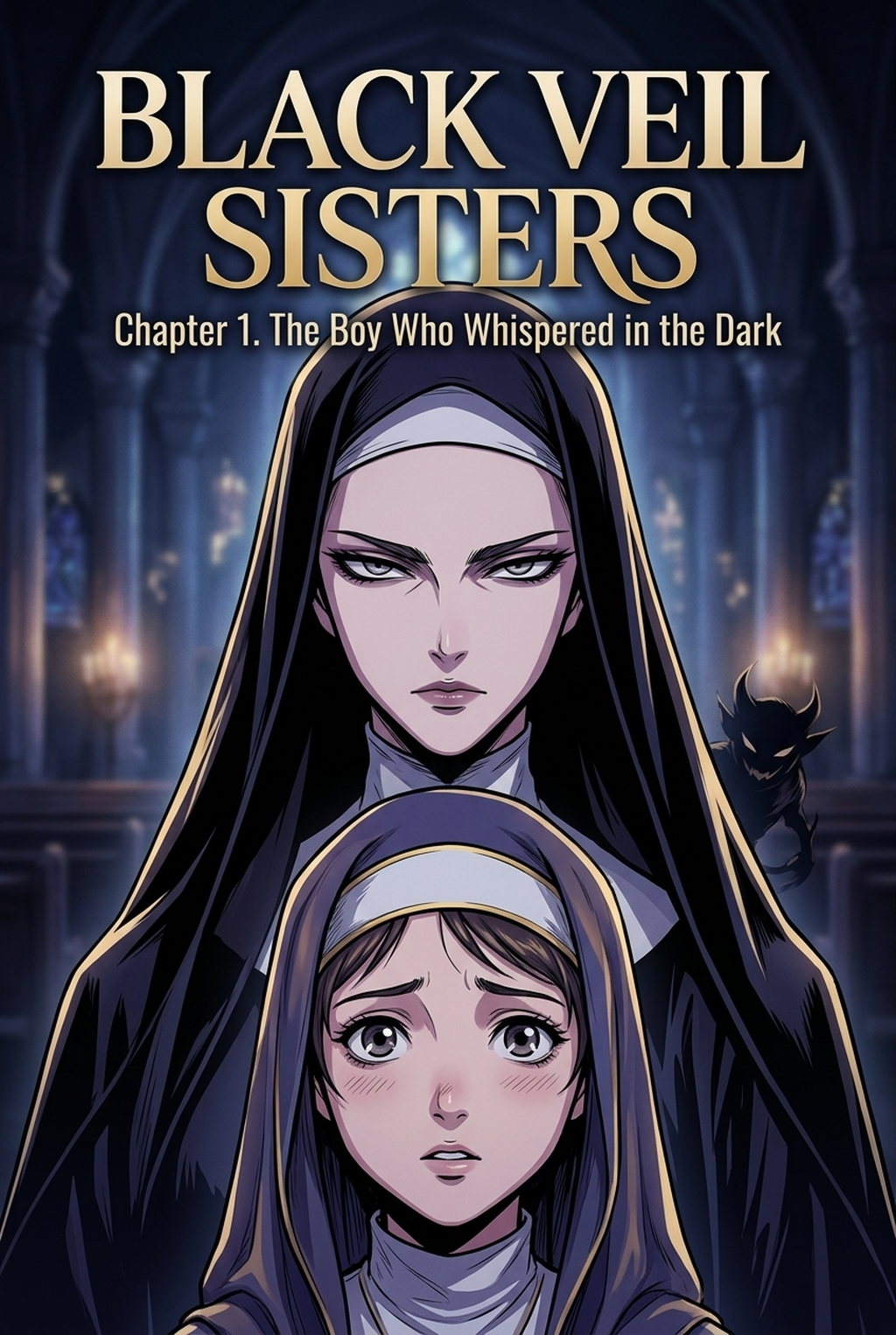
! Dynamic Comic Panel Generation Example Figure 2: Multi-panel narrative layout generated via dynamic prompt parsing and latent character anchoring.
3. Comparing Traditional Digital Suites vs. Online AI Manga Generators
Before investing time into a new production pipeline, studio leads and solo artists often compare automated online generators against traditional desktop illustration software such as Clip Studio Paint, Adobe Photoshop, or Medibang Paint. The following comparison highlights the core operational distinctions:
| Feature / Dimension | Traditional Desktop Illustration Software | Generalized AI Image Generators (Midjourney/DALL-E) | Dedicated Manga Generator Online (Mangaka.app) |
|---|---|---|---|
| Primary Workflow | 100% manual digital drawing via stylus and tablet | Single-frame prompt generation via prompt engineering | Script-driven, multi-panel automated layout and generation |
| Character Consistency | Complete manual control (relies on artist drawing skill) | Poor; severe facial, costume, and color drifting | High; powered by character seed sheets and latent embeddings |
| Panel Layout Automation | Manual slicing, ruler alignment, and gutter measurement | None; creates isolated rectangular images | Automated dynamic layout generator based on narrative pacing |
| Screentone & Inking | Manual tone layering, dot density calibration | Simulates painterly anime; lacks true monochrome halftones | Authentic 60-85 LPI screentones, crosshatching, and line art |
| Speech Ballooning & Lettering | Manual vector shape drawing and text formatting | None; generates illegible gibberish text in imagery | Full vector balloon engine with auto-wrap and font presets |
| Production Speed | 15–30 hours per finished manga page | 1–2 hours per image (with heavy external editing) | Under 15 minutes per complete sequential page |
| Hardware Requirements | High-end PC/Mac, graphics card, pressure-sensitive tablet | Cloud-based or local GPU setup (requires technical setup) | 100% browser-based; works on low-spec laptops, Chromebooks |
| Monetization & Export | High-resolution PSD, TIFF, CLIP files | WebP/PNG single files | Webtoon vertical scroll slices & print-ready 300 DPI PDF |
4. Step-by-Step Workflow: From Script to Finished Manga Chapter
Executing a professional comic chapter using a cloud manga generator online involves a disciplined six-stage methodology. Following this structured workflow guarantees narrative impact, visual coherence, and flawless typographic delivery.
Stage 1: Script Formatting and Narrative Beat Breakdown
Before entering the generator, format your manuscript according to standard sequential art notation. Clear descriptive prompts allow the parser to optimize camera angles and character blocking:
PAGE 01 - SCENE: ABANDONED METRO STATION - NIGHT
PANEL 1 (ESTABLISHING SHOT - WIDE):
Dark, desolate subterranean platform in futuristic Neo-Delhi. Flickering fluorescent lights cast long shadows on rusted rail tracks.
CAPTION: Year 2088. The lower sectors had been forgotten for decades.

PANEL 2 (MEDIUM CLOSE-UP):
AARAV (19, lean cyber-scavenger, ragged olive trench coat, cybernetic ocular implant over right eye) crouches near a severed power relay.
AARAV: "If the core isn't here... we're out of time."

PANEL 3 (LOW-ANGLE TIGHT SHOT):
Metallic footsteps echo from the darkness. A heavy shadow looms over Aarav.
SFX: *CLANK... CLANK...*
Stage 2: Character Model Sheet Creation & Asset Locking
Log into your creation dashboard on Mangaka . In the Character Vault, generate or upload your protagonist's reference sheet:
- Define primary physical attributes: age, ethnic background, face shape, distinctive scars, hairstyle, eye design.
- Establish costume hierarchy: primary clothing silhouette, accent colors, secondary props (weapons, tools, jewelry).
- Test key emotional vectors: neutral, fierce determination, shock, sorrow, and subtle smirk.
- Save the character profile to generate a persistent identity token.
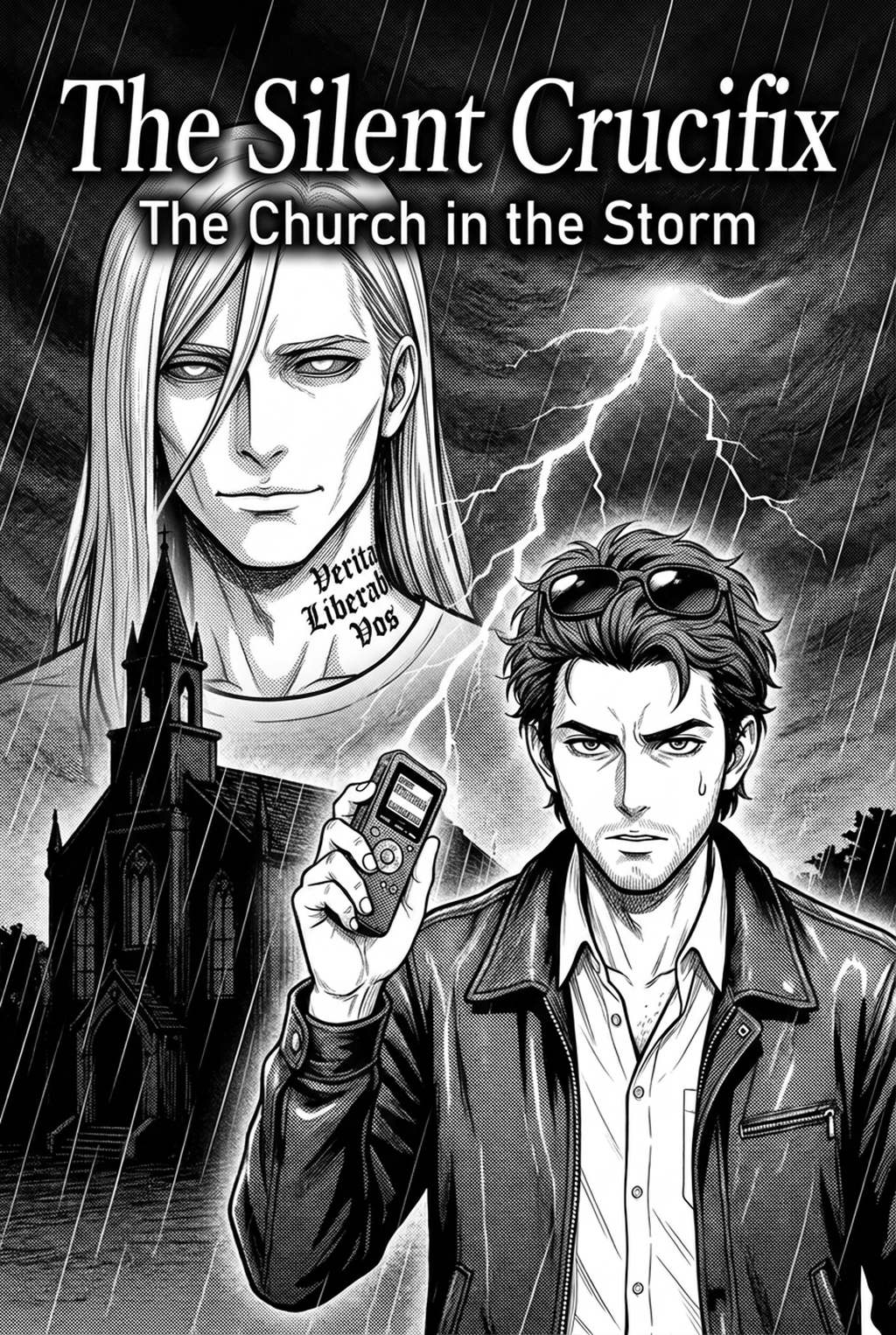
! Character Model Sheet Turnaround and Consistency Control Figure 3: Consistent character seed generation across multiple emotional expressions and camera rotations.
Stage 3: Panel Layout & Composition Strategy
Choose your distribution format:
- Vertical Webtoon Scroll: Optimized for mobile reading on smartphones (WEBTOON Canvas, Tapas). Requires generous vertical negative space (gutter spacing between 80px and 200px) to allow dramatic pacing and atmospheric pauses.
- Traditional Page Format (Right-to-Left or Left-to-Right): Follows Japanese or Western reading conventions. Requires intentional eye-line tracking (Z-pattern or reversed Z-pattern), varying panel heights to indicate temporal weight, and dramatic borderless bleeding for climactic action beats.
The online layout engine automatically distributes your script beats across dynamic panel frames. You can manually adjust panel borders, slant angles for action sequences, or drag panel dividers to expand critical story moments.
Stage 4: Neural Line Art & Screentone Generation
With panel boundaries locked, the generator executes localized diffusion passes:
- Background Synthesis: Environments are generated adhering strictly to mathematical vanishing points, incorporating authentic cyberpunk, fantasy, modern urban, or historical details.
- Character Posing: Characters are composited into each panel utilizing depth estimation and skeleton pose matching to ensure anatomical accuracy.
- Manga Shading Pass: The system translates volumetric lighting into authentic screentones, preserving black-and-white ink integrity without the muddiness common in generalized AI art.
! Action Scene Paneling and Perspective Composition Figure 4: Dynamic action sequence rendering incorporating speed lines, explosive impact bursts, and forced perspective.
Stage 5: Dialogue Ballooning, Lettering & Sound Effects (SFX)
Lettering is the unsung hero of comic storytelling. Illegible font choices or poor balloon placement will instantly alienate readers:
- Balloon Placement: Position balloons so the reader naturally discovers dialogue before seeing the reaction of the speaking character. Never cover essential character eyes or crucial focal action.
- Font Selection: Utilize established comic typography. Standard dialogue benefits from clean comic fonts (such as CC Wild Words, Anime Ace, or Blambot Manga), while internal monologues should utilize italicized, borderless text boxes.
- Onomatopoeia (SFX): Integrate expressive Japanese Katakana sound effects or stylized Western sound words directly into the scene artwork, scaling glyphs to match acoustic volume.
Stage 6: Quality Assurance, Upscaling & Multi-Channel Export
Before publishing, run through the pre-flight checklist:
- Run a 4K neural upscale to sharpen line work and remove any compression artifacts.
- Verify that dialogue text contains zero spelling or grammatical errors.
- Confirm that mobile webtoon slices are rendered at 800px width by 1280px height per cut, ensuring seamless vertical concatenation without visible seams.
4.5 Advanced Prompt Engineering & Sequential Narrative Grammar
Mastering a manga generator online requires more than tossing generic aesthetic keywords into a prompt bar. In professional sequential storytelling, prompts act as directorial commands for cinematography, lighting design, and emotional blocking. High-performing creators structure their generative prompts using a standardized four-part syntax:
[Camera Shot & Angle] + [Subject Entity & Action] + [Lighting & Atmospheric FX] + [Stylistic Sequential Engine Directives]1. Camera Shot & Perspective Directives
- Extreme Establishing Shot (EES): "Ultra-wide cinematic vista, high-angle aerial view of futuristic Mumbai megacity in 2088, towering neon skyscrapers piercing monsoon clouds, crowded multi-tier elevated transit highways, atmospheric smog, deep vanishing point grid."
- Low-Angle Dutch Tilt (Heroic Action): "Aggressive low-angle Dutch angle framing, upward perspective on female warrior leaping across rooftops, dramatic foreshortening of outstretched katana blade, intense dynamic speed lines radiating from bottom-center vanishing point."
- Macro Detail Focus: "Extreme macro close-up on dilated cybernetic eye, reflection of approaching neon headlights visible on iris lens, intricate mechanical iris rings, intense emotional shock, dramatic high-contrast ink screentone."
2. Lighting & Screentone Texture Tokens
To replicate authentic Japanese tankobon and modern Korean manhwa aesthetics, specific rendering tokens should be incorporated:
- Kakeami (Crosshatching): Replicates the dense, hand-etched ink crosshatching used by veteran mangaka to convey psychological distress, claustrophobia, or ancient stone textures.
- Beta Flash (Burst Lines): High-contrast explosive black-and-white radiating spikes used in action shonen manga to emphasize instantaneous kinetic impact.
- Amime Dot Screening: Fine 65-line to 85-line dot halftones that simulate smooth grayscale gradients without converting your digital art into messy RGB blur.
5. Overcoming Common Pitfalls in AI Manga Generation
While a manga generator online drastically accelerates output, unexperienced creators frequently fall into traps that undermine narrative credibility. Here is how professional mangaka navigate these challenges:
5.1 Preventing "Talking Head" Syndrome
Because medium close-ups are easy to generate, novice creators often string together six consecutive panels of characters speaking with identical head angles.
- Solution: Enforce dynamic cinematic camera variety. Follow the classic cinematographic sequence: Establishing Wide Shot -> Medium Two-Shot -> Over-the-Shoulder Reaction Shot -> Extreme Macro Eye Close-Up -> Environmental Cutaway.
5.2 Maintaining Narrative Flow Across Gutters
In comics, the white space between panels (the gutter) represents time, motion, and psychological transition (closure). If adjacent panels depict disconnected events without clear cause-and-effect, reader immersion collapses.
- Solution: Utilize intentional transitional techniques:
- Moment-to-Moment: Slight progression of an action (e.g., an eye blinking, a hand reaching for a sword hilt).
- Action-to-Action: Progression of a single subject through a sequence (e.g., character throwing a punch -> impact connecting).
- Aspect-to-Aspect: Shifting focus across different elements of an environment to set a mood or passage of time.
5.3 Respecting Local Cultural Nuances & Market Demographics
If you are publishing for Indian comic readers, Western graphic novel fans, or Japanese manga purists, visual symbolism matters:
- Indian urban settings require authentic architectural textures, regional festive aesthetics, and colloquial expressions.
- Readers in different regions consume stories differently: vertical scrolling dominates the mobile-first Indian and Korean markets, whereas traditional double-page spreads remain favored in European and Japanese physical publishing. Explore diverse global stories in Mangaka's Discovery Library to observe how top creators structure cross-cultural narratives.
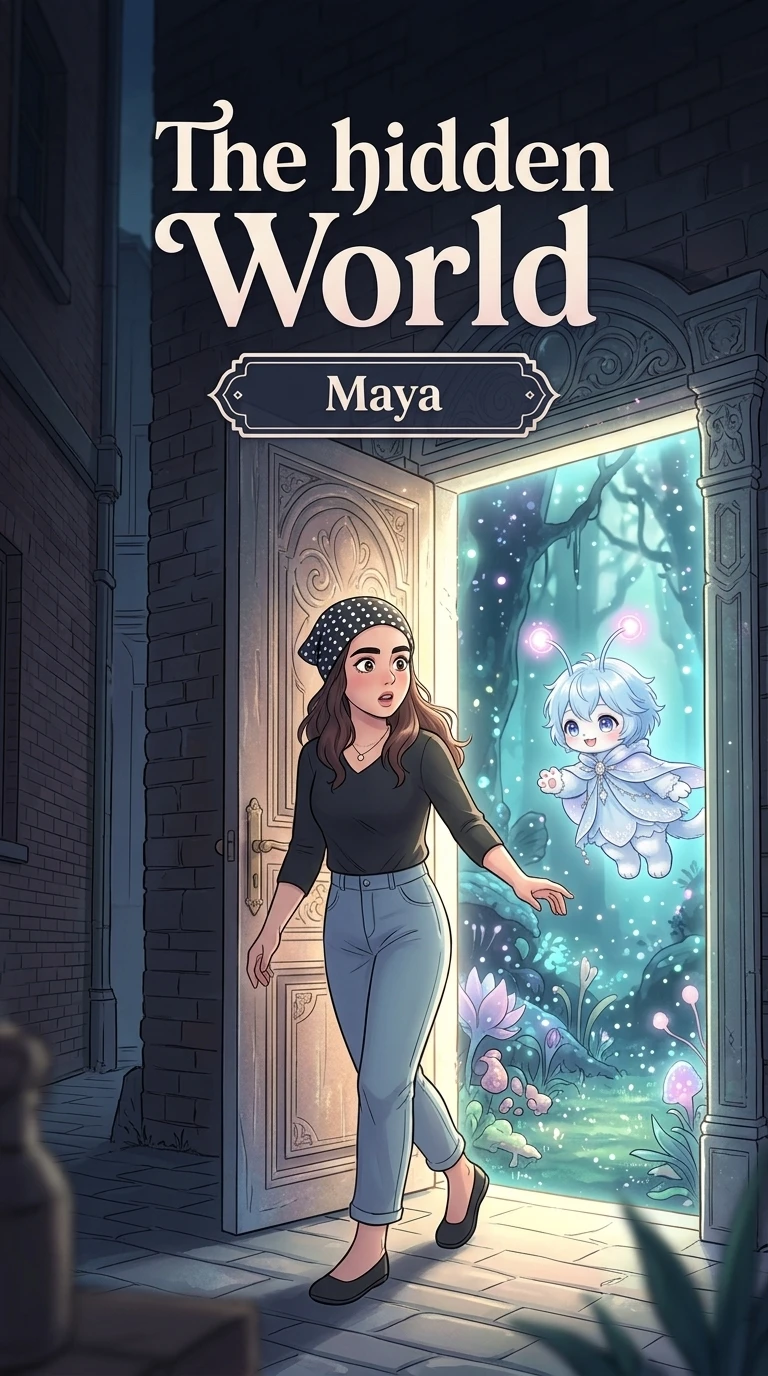
! Subtle Emotional Dialogue Scene Rendering Figure 5: Emotional character dialogue pacing utilizing subtle facial nuances and clean balloon typography.
5.4 Mobile Webtoon Pacing vs. Tankobon Page Architecture
When creating sequential art with an online generator, your spatial layout must align with your target reading environment. Formatting mistakes made during layout generation can ruin reader engagement:
The Vertical Scroll Canvas (Webtoon & Mobile Apps)
- Reading Vector: Continuous downward vertical thumb scroll on 6-inch mobile screens.
- Pacing Rhythm: Beat intervals are measured in vertical scroll pixels (px) rather than page turns.
- Gutter Distance Rules:
- Standard Narrative Beats: 80px to 140px vertical white space between panels.
- Psychological Suspense or Dramatic Pauses: 300px to 600px of negative black or white space, forcing the reader to scroll through emptiness before the shocking reveal.
- Fast Action Climax: Panels clustered tightly (20px to 40px gutters) or dynamically overlapping to convey overwhelming speed.
The Double-Page Tankobon Spread (Physical Print & E-Readers)
- Reading Vector: Right-to-Left (traditional Japanese manga) or Left-to-Right (Western graphic novels).
- The Page-Turn Reveal: In traditional print formats, the most shocking narrative twist must always be placed on the top-outer panel of an even-numbered page, ensuring the reader cannot accidentally glimpse the climax before physically turning the page.
- Bleed Margins & Safe Zones: Print tankobons require at least 3mm to 5mm of outer bleed margin to prevent critical character artwork or dialogue balloons from being clipped during mechanical book trimming.
6. Real-World Case Study: 72-Hour Manga Production Sprint
To demonstrate the real-world viability of this pipeline, an independent storytelling duo conducted a 72-hour challenge to produce a 24-page fantasy shonen pilot chapter:
+-----------------------------------------------------------------------------------+
|               72-HOUR INDIE PRODUCTION SPRINT TIMELINE & METRICS                  |
+-----------------------------------------------------------------------------------+
|  DAY 1: SCRIPTING, CHARACTER RIGGING & STORYBOARDING                              |
|  - 08:00 - 12:00: Complete script writing and dialogue polish (24 pages)          |
|  - 13:00 - 16:00: Character turnaround sheet generation (3 main leads, 2 villains)|
|  - 16:30 - 20:00: Automated layout distribution into 118 individual panel frames  |
|                                                                                   |
|  DAY 2: ASSET GENERATION & COMPOSITING                                            |
|  - 09:00 - 13:00: Background architecture and perspective grid synthesis         |
|  - 14:00 - 18:00: Inking, screentoning, and character action pose rendering       |
|  - 19:00 - 22:00: Second-pass touch-ups and localized facial inpainting          |
|                                                                                   |
|  DAY 3: LETTERING, POLISHING & WEBTOON SLICING                                    |
|  - 09:00 - 12:00: Dialogue placement, sound glyphs (SFX), and caption styling    |
|  - 13:00 - 15:00: Mobile scroll pacing inspection and gutter adjustment           |
|  - 15:30 - 18:00: 4K upscaling, export formatting, and WEBTOON Canvas publishing  |
+-----------------------------------------------------------------------------------+
Production Results & ROI Metrics:
- Total Production Hours: 26 working hours over 3 calendar days.
- Traditional Studio Estimate: 160–200 labor hours across 3 artists (estimated cost: $2,500 – $4,000 USD).
- Online AI Generator Cost: 1 monthly creator subscription on Mangaka Pricing ($15 – $30).
- Final Reader Engagement: 96.4% completion rate on mobile webtoon portals, with 4.8/5.0 star community rating praising visual consistency and dynamic panel action.
Exemplary creator works demonstrating this high visual standard include successful community titles such as THE EMPTY CHAIR and The Land of Stars , both showcasing multi-chapter stylistic coherence generated within the Mangaka ecosystem.
6.5 Monetization Pathways for Independent Digital Comic Creators
Creating high-quality manga online is only the first step; building a sustainable creative career requires strategic distribution and audience monetization:
- WEBTOON Canvas & GlobalComix Ad Sharing: Once your series reaches reader thresholds, platforms share programmatic ad revenue generated from your episode pages.
- Subscription Crowdfunding (Patreon, Ko-fi, Fanbox): Offer superfans early access to upcoming chapters (3 to 5 episodes ahead of public release), high-resolution wallpaper illustrations, and behind-the-scenes character model sheets.
- Print-on-Demand Tankobon Volumes: Utilizing services like Amazon KDP, Lulu, or local indie comic print houses, creators can compile 5 to 6 digital chapters (approximately 120–150 pages) into physical trade paperbacks.
- Digital Merchandise & Licensing: Successful comic IPs can be expanded into localized sticker packs, mobile wallpapers, and physical apparel.
7. The Future of Manga Generation: What to Expect Beyond 2026
The technological trajectory of comic generation is accelerating. Over the next 24 to 36 months, creators should anticipate three revolutionary shifts:
- Dynamic Motion Comics (Ani-Manga): Automated conversion of static 2D panels into subtle parallax 2.5D animations with spatial audio and interactive reading experiences.
- Multilingual Voice-Dubbed Panels: Synthetic voice cloning synchronized to speech balloons, allowing readers to listen to full dramatic character performances in English, Hindi, Japanese, Spanish, and French while reading.
- Cross-Platform Franchise Portability: Exporting 2D manga character seeds directly into rigged 3D avatar meshes for game engines (Unreal Engine 5, Unity) and virtual reality experiences.
8. Essential Checklist for Launching Your First AI-Powered Manga
Follow this quick pre-launch verification checklist before pushing your chapter live:
[ ] SCRIPT INTEGRITY
    [ ] Every narrative beat has clear conflict, action, and resolution.
    [ ] Character motivations and distinct vocal cadence verified.

[ ] VISUAL CONSISTENCY
    [ ] Canonical model sheet tokens applied across all panels.
    [ ] Hair accessories, scars, and costume details identical in every shot.
    [ ] Vanishing point perspectives aligned between characters and backgrounds.

[ ] SEQUENTIAL STORYTELLING & GEO COMPOSITION
    [ ] Dynamic variety in shot types (wide, medium, close-up, extreme detail).
    [ ] Panel gutters spaced appropriately (expanded for dramatic suspense).
    [ ] 3-column comparison or visual breakdown provided for technical readers.

[ ] TYPOGRAPHY & LETTERING
    [ ] Dialogue balloons placed in natural reading order without occluding focal art.
    [ ] Consistent font sizing (standard dialogue vs. shouting vs. whispers).
    [ ] Expressive sound effects integrated natively into scene geometry.

[ ] TECHNICAL EXPORT STANDARDS
    [ ] Webtoon slices formatted at 800px width; zero vertical seam misalignments.
    [ ] Print editions rendered at 300 DPI CMYK B4/A5 PDF standards.
    [ ] Structured metadata and alt tags configured for web discoverability.
9. Frequently Asked Questions (FAQ)
Can a manga generator online truly replace human comic artists?
No. An online manga generator is an empowering production multiplier, not a replacement for human creativity. While the AI executes technical rendering—such as background perspective grids, repetitive inking, and tone application—the core narrative vision, emotional subtlety, plot pacing, character voice, and thematic resonance originate entirely from the human writer and director. Studios and creators who master AI tools produce higher volume at superior quality, expanding the overall industry rather than shrinking it.
Do I own the intellectual property (IP) and commercial rights to manga created online?
Yes. When using professional creation suites such as Mangaka , creators retain 100% full commercial ownership over their original scripts, storylines, characters, generated artwork, and final comic publications without royalty obligations to the platform.
How does the generator ensure my main characters look identical in every panel?
Modern sequential platforms use latent character identity anchoring. The platform creates a persistent character model sheet capturing 3D facial vectors, specific hairstyle silhouettes, eye structures, and costume details. When rendering subsequent panels, the generation model references this canonical identity anchor, guaranteeing visual continuity across diverse expressions, camera tilts, and lighting conditions.
What digital file formats can I export from an online manga creator?
Creators can export their completed works in multiple industry-standard formats:
- Mobile Webtoon Slices: High-resolution PNG or WebP files pre-cut to 800px width by 1280px height for instant uploading to WEBTOON Canvas, Tapas, and mobile readers.
- Traditional Print Publishing: 300 DPI lossless TIFF or print-ready PDF files formatted for standard B4, A5, and US comic book trim sizes with bleed margins.
- Digital Archival: Layered project files containing isolated line art, background elements, and editable vector text balloons.
What hardware or computer specifications do I need to run a manga generator online?
Because the neural rendering, latent caching, and image diffusion are processed in cloud computing clusters, you do not need an expensive high-end computer, dedicated gaming GPU, or specialized graphic tablet. A standard modern web browser (Google Chrome, Mozilla Firefox, Safari, or Microsoft Edge) running on an affordable laptop, Mac, PC, iPad, or Chromebook is completely sufficient to design and publish full comic chapters.
Can I create manga in languages other than English, such as Hindi, Japanese, or Spanish?
Yes. Leading platforms support global multilingual creation. The natural language script parser accepts story prompts, dialogue, and character descriptions in English, Hindi, Spanish, French, Japanese, and numerous other languages. Furthermore, the built-in typography engine includes localized font sets and vertical text support for East Asian scripts as well as standard horizontal typography for Indo-European languages.
10. Conclusion: Launch Your Sequential Manga Journey Today
The barriers to visual storytelling have collapsed. You no longer need to spend a decade mastering perspective rulers or assemble an expensive production studio to see your comic stories come to life. With an intuitive, state-of-the-art manga generator online, your written scripts, original characters, and imaginative worlds can immediately become captivating, publication-ready manga chapters.
Begin your creative journey today, design your first persistent character turnaround, and share your sequential art with millions of passionate readers worldwide on Mangaka.app .
Verified Reference Sources & Industry Standards
- W3C Web Publications Guidelines : Official technical standards for responsive sequential digital reading and web comic manifests.
- WEBTOON Canvas Creator Academy : Industry standards for mobile canvas formatting, vertical scroll pacing, and digital monetization.
- Blambot Comic Book Grammar & Tradition : The gold standard rulebook for professional comic dialogue lettering, font selection, and sound effect dynamics.
- MDN Web Docs Responsive Images Specification : Web development best practices for delivering high-DPI digital comic imagery across diverse screen viewports.
- Anime News Network Industry Market Insights : Comprehensive global market data covering manga distribution, webtoon popularity, and digital comic consumption trends.
- Schema.org VisualArtwork Structured Data Guidelines : Official technical schema vocabulary for indexing sequential digital artwork, manga pages, and web comics in search engines.
<script type="application/ld+json"> { "@context": "https://schema.org", "@type": "FAQPage", "mainEntity": [ { "@type": "Question", "name": "Can a manga generator online truly replace human comic artists?", "acceptedAnswer": { "@type": "Answer", "text": "No. An online manga generator is an empowering production multiplier, not a replacement for human creativity. While the AI executes technical rendering—such as background perspective grids, repetitive inking, and tone application—the core narrative vision, emotional subtlety, plot pacing, character voice, and thematic resonance originate entirely from the human writer and director." } }, { "@type": "Question", "name": "Do I own the intellectual property (IP) and commercial rights to manga created online?", "acceptedAnswer": { "@type": "Answer", "text": "Yes. When using professional creation suites such as Mangaka, creators retain 100% full commercial ownership over their original scripts, storylines, characters, generated artwork, and final comic publications without royalty obligations to the platform." } }, { "@type": "Question", "name": "How does the generator ensure my main characters look identical in every panel?", "acceptedAnswer": { "@type": "Answer", "text": "Modern sequential platforms use latent character identity anchoring. The platform creates a persistent character model sheet capturing 3D facial vectors, specific hairstyle silhouettes, eye structures, and costume details, guaranteeing visual continuity across diverse expressions and camera tilts." } }, { "@type": "Question", "name": "What digital file formats can I export from an online manga creator?", "acceptedAnswer": { "@type": "Answer", "text": "Creators can export their completed works in multiple industry-standard formats including 800x1280 mobile Webtoon slices, 300 DPI print-ready PDFs for physical publishing, and layered digital archival files." } }, { "@type": "Question", "name": "What hardware or computer specifications do I need to run a manga generator online?", "acceptedAnswer": { "@type": "Answer", "text": "Because the neural rendering and diffusion pipelines run in high-performance cloud clusters, any standard modern web browser on an affordable laptop, Mac, PC, iPad, or Chromebook can design and publish complete comic chapters." } }, { "@type": "Question", "name": "Can I create manga in languages other than English, such as Hindi, Japanese, or Spanish?", "acceptedAnswer": { "@type": "Answer", "text": "Yes. Leading platforms support global multilingual creation. The script parser and typography engines support English, Hindi, Spanish, French, Japanese, and numerous other languages natively." } } ] } </script>