What Is Manga Inking?
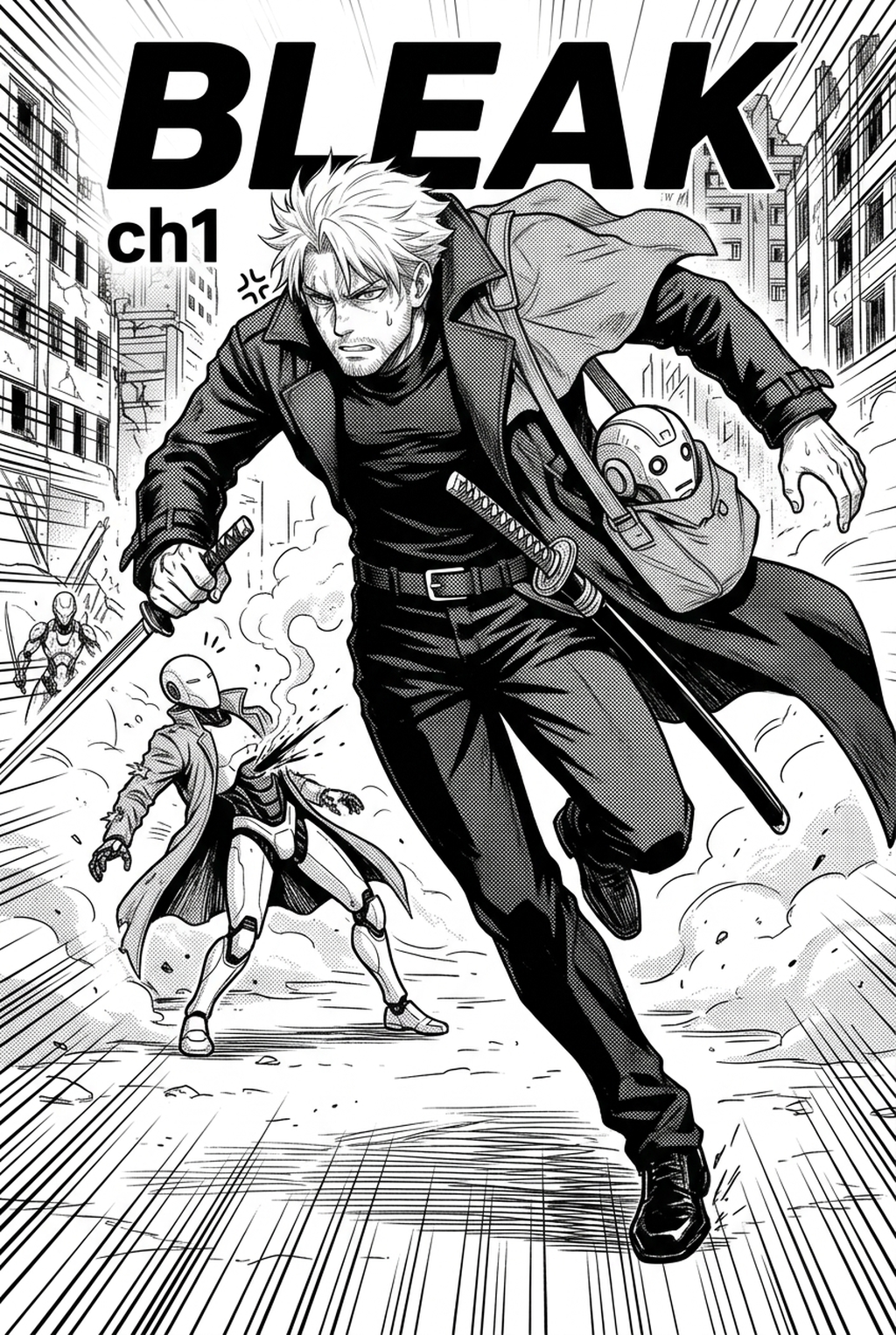
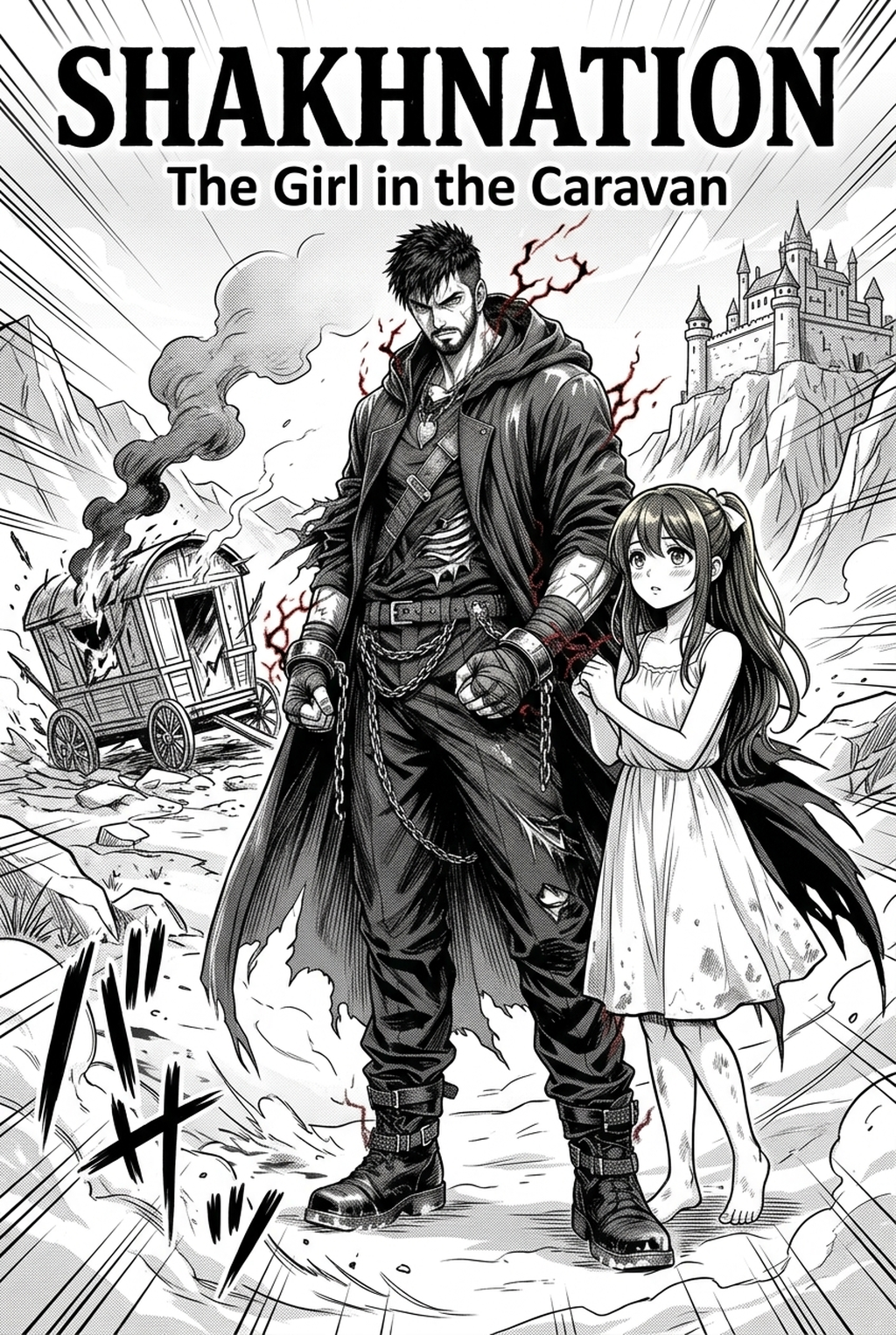
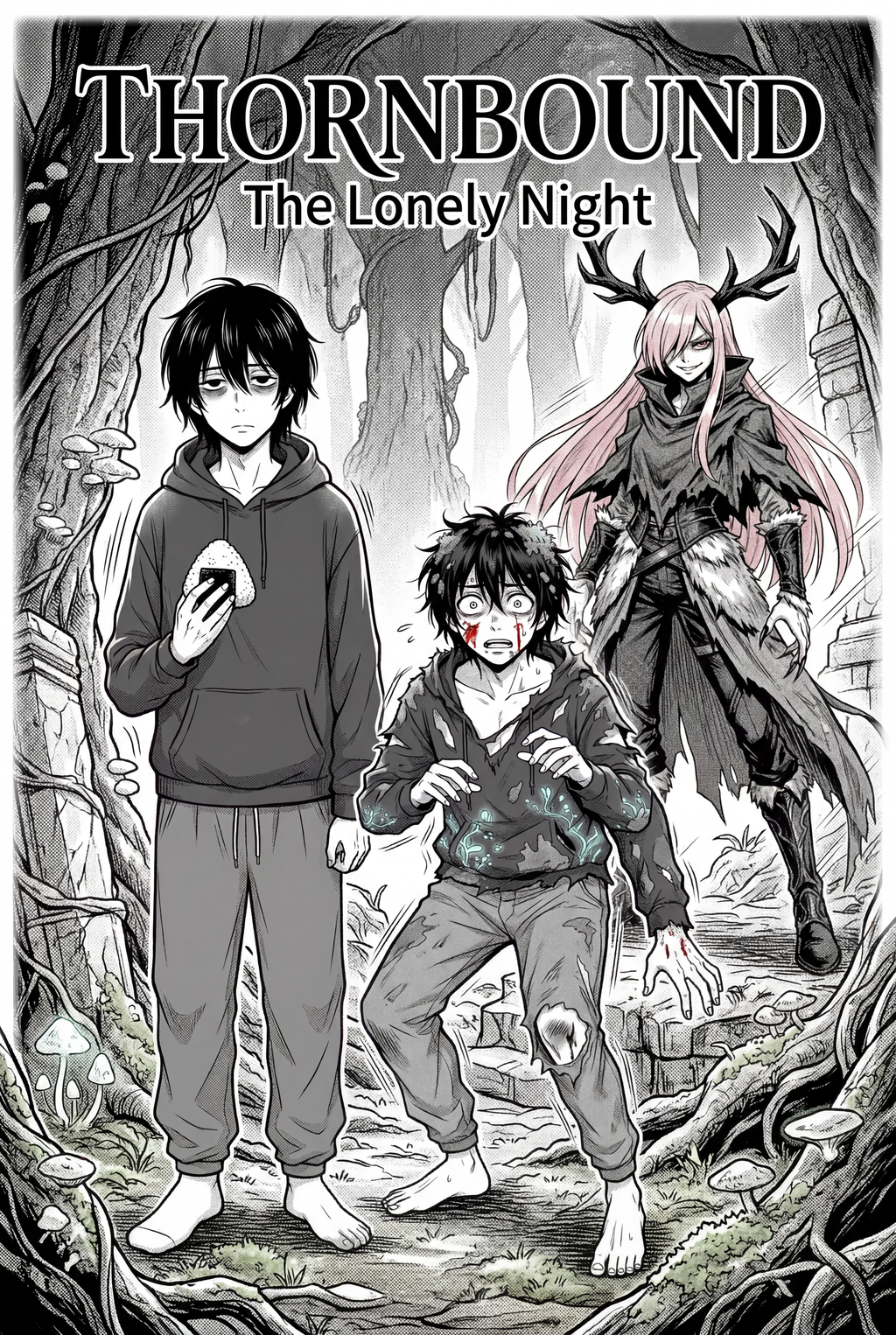
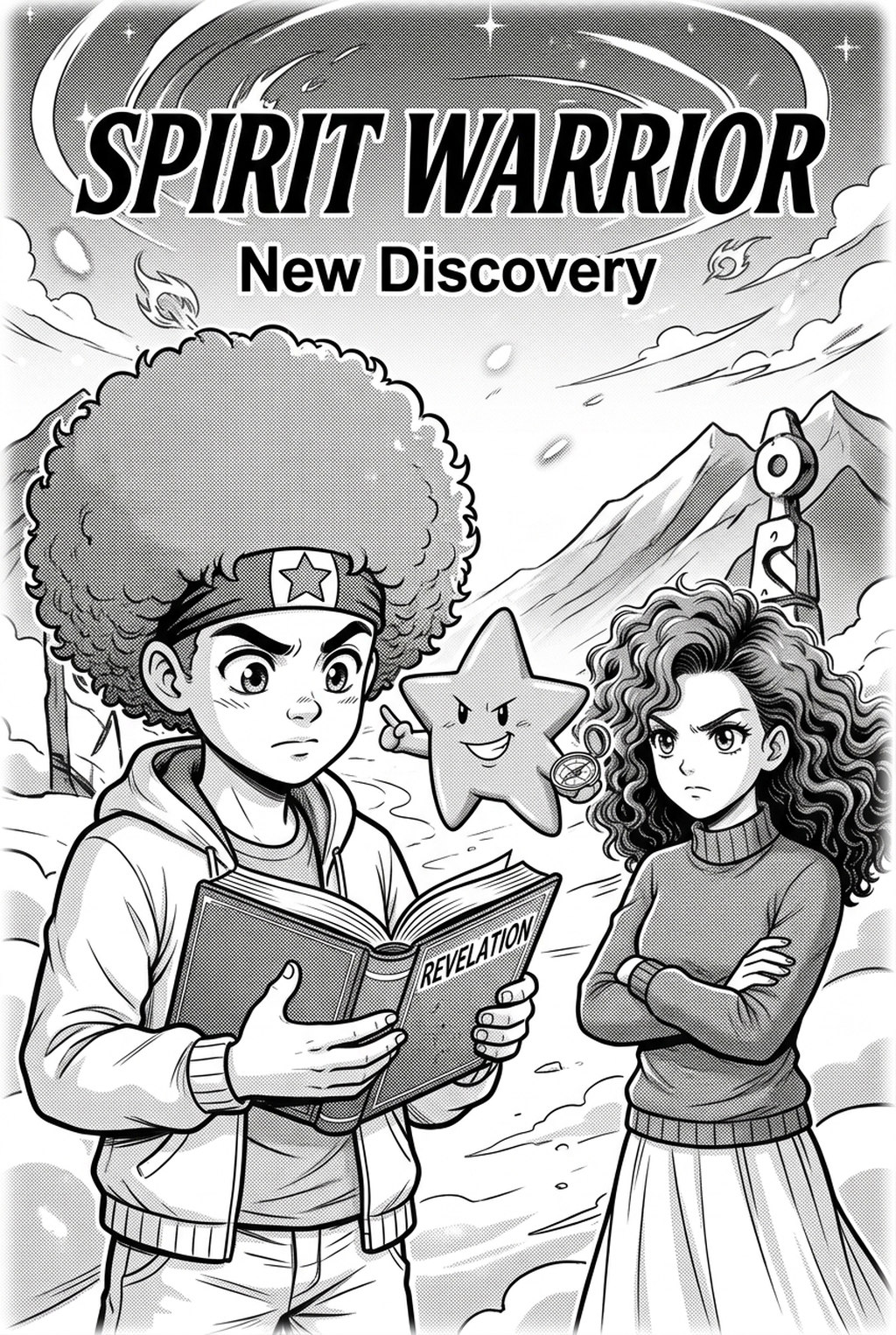
Manga inking serves as the essential translation layer between your initial thumbnail sketches and the final polished pages seen in commercial volumes. It involves applying deliberate pressure to define silhouettes, separating complex foreground action from textured backgrounds, and ensuring optimal ink density for the later application of screen tones.
- Linework Fidelity: The process requires maintaining structural integrity while refining the rough, exploratory lines of your draft into sharp, high-contrast vectors. * Weight Management: Artists adjust line thickness to create a sense of depth, ensuring that characters pop from the background without cluttering the panel. * Technical Terminology: Familiarity with specialized tools—such as digital G-pen pressure simulations, cross-hatching for shadow, and high-velocity speed lines—remains vital for capturing the classic aesthetic of professional serialized manga.
Why AI Manga Inker Matters for Manga Creators
The thickness and fluidity of your lines dictate the overall energy and tone of a panel, effectively setting the artistic "brand" for your entire series. While thumbnailing focuses on layout and pacing, the final inking pass must deliver a crisp, archival-quality result that survives the transition to offset printing or high-DPI digital displays.
Professional creators often encounter the "second-guessing" phase, where manual precision errors—such as unintended line jitter or shaky curves—disrupt the reading rhythm of a long-form chapter. Relying on inconsistent manual cleanup can add hours to a weekly production schedule, often leading to burnout during the final delivery format phase. By standardizing the inking pass, you secure a visual consistency that keeps readers immersed in the narrative rather than distracted by fluctuating art styles.
How Manga Inking Works with Mangaka
Mangaka integrates an intelligent engine that maps your source context sketches to high-fidelity line art, removing the need for tedious manual tracing. Instead of dragging a stylus over every single hair strand or background brick, the system identifies the intent of your gestures and converts them into clean, scalable vector paths that remain uniform across every panel of your manuscript.
This workflow preserves the specific personality of your hand-drawn input while automating the repetitive labor of line-weight calibration. By outsourcing the heavy lifting of background architecture and complex hatching, you gain the freedom to focus your human effort on character expressions and dynamic action choreography.
The engine applies specific pen-pressure curves to your raw input, which ensures that your lines maintain a professional, hand-drawn look without the physical strain of long-duration sessions. This keeps the review focused on story intent, line weight, panel readability, and the export quality behind the final AI Manga Inker output.
Check character consistency, panel readability, line quality, and export readiness before publishing. Creators should also record why the page passed review, which panel details still need manual cleanup, and which export format the next collaborator will use. That makes the subsection useful instead of leaving a short checklist under a large heading.
The tool automatically optimizes your line weight based on the intended output—whether that is a standard B5 tankobon page or a high-definition web-scrolling format. This ensures that fine details do not disappear when downscaled for mobile devices or screen readers.
Use Cases for AI Manga Inker
The requirements for a professional ink pass vary significantly based on your chosen genre, requiring different densities and line-weight strategies for maximum impact. Creators can use each revision decision to clarify panel readability, character consistency, and export quality before publishing or sharing.
- Shonen High-Velocity Action: You need rapid iteration of complex, jagged speed lines that convey movement without losing the character's core form. AI tools allow you to iterate on these layouts quickly, ensuring that intensity remains high while every punch and kick lands with visual clarity.
- Seinen Environmental Depth: These stories often prioritize intricate, realistic textures and expansive background spreads. Using AI-assisted hatching patterns across large, multi-panel spreads ensures that your world-building remains consistent and professional even under tight deadlines.
- Archival-Quality Transitions: Meeting publisher delivery formats requires strict adherence to resolution standards. Converting your sketches via manga inking ensures that every exported file maintains the necessary DPI and edge sharpness for both professional print shops and major digital platforms.
How to Get Started with Mangaka
Adopting an automated workflow is about reclaiming your time for creative decision-making rather than mechanical labor. Many creators worry that using software might sacrifice the "feel" of traditional work, but the reality is that current models are trained on specific pen-pressure curves to mimic the nuance of physical tools.
- Tool Authenticity: You do not lose your "feel" by automating the clean-up; you gain the ability to replicate the nuances of a traditional G-pen across thousands of panels, which is physically impossible for the human wrist to sustain during a 40-page monthly release. * Production Evolution: Similar to how digital layering eventually replaced the use of fragile acetate sheets in traditional animation, AI-driven inking acts as a modern utility that elevates your output quality without stripping away your unique artistic fingerprint. * Character Integrity: By keeping a clear, consistent source context in your sketches and utilizing specific inking models, you ensure that your protagonist looks identical from page one to the final chapter.
Creators should compare the generated line art with the original sketch and confirm that facial expressions, props, speed lines, and speech-bubble space still support the scene. A repeatable review pass should cover character consistency, panel readability, background clarity, and whether the final file is ready for coloring, lettering, or editor feedback. For longer projects, creators should save approved examples of line weight, face detail, clothing folds, and background density. Those references keep later chapters closer to the intended style.
The Bottom Line
Mastering your inking process is no longer just about pen control; it is about managing a production flow that prioritizes both high quality and sustainable output. Integrating a specialized AI tool allows independent creators to compete with studio-level production speeds while retaining the specific artistic voice that makes their work unique. Visit manga inking to begin converting your pencil sketches into clean, publish-ready line art today.
Related articles
Professional Manga Inking Made Easy with AI Tools in 2026
What Is 4-Koma Manga? A Guide to the Iconic Comic Format
What Is 4-Koma Manga? A Guide for 2026 Comic Creators