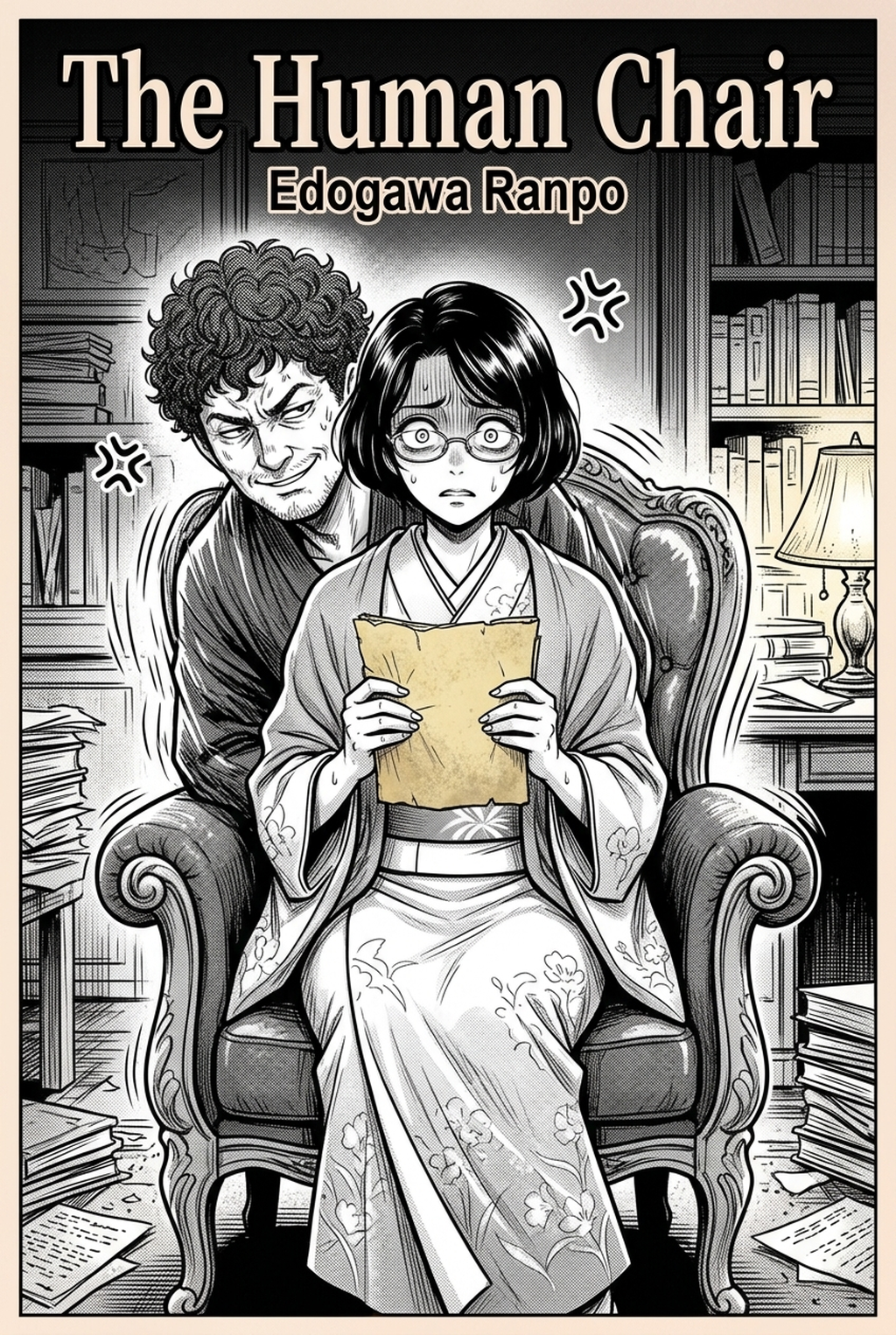
AI 4-Koma Strip Maker: Understanding the Four-Panel Tradition
The structural integrity of this format relies entirely on the 'Kishōtenketsu' storytelling model, which balances introduction and resolution. You must introduce the characters in the first panel, develop the specific scenario in the second, introduce a sharp twist in the third, and resolve the action in the fourth.
- Ki (Introduction): Sets the scene and establishes the character's current emotional state. * Shō (Development): Builds upon the initial premise without moving too far from the central theme. * Ten (Twist): Provides the unexpected shift that pivots the narrative or comedic direction. * Ketsu (Conclusion): Delivers the final resolution or punchline that ties the strip together.
Unlike serialized long-form chapters that allow for expansive world-building, this format prioritizes immediate visual payoff. Success in this medium often comes from utilizing clear silhouettes and exaggerated facial reactions rather than relying on heavy environmental detail that can distract from the interaction. If you fail to maintain consistent character proportions across these four squares, the visual rhythm of the strip collapses, leaving the reader confused by the transition between panels.
Why AI 4-Koma Strip Maker Matters for Creators
This format serves as a vital training ground for digital artists looking to refine their comedic voice without committing to the massive time investment of a standard 20-page monthly chapter. Because the format is inherently optimized for mobile vertical scrolling, your work gains immediate compatibility with social media feeds where audiences prioritize fast, bite-sized entertainment.
| Feature | Long-form Manga | 4-koma Format |
|---|---|---|
| Pacing | Gradual build-up | Rapid comedic punch |
| Page Layout | Complex, multi-panel | Fixed grid system |
| Engagement | Long-term investment | Instant social share |
When you utilize this format as a testing ground, you can experiment with niche character archetypes and humor styles while tracking audience engagement patterns in real-time. Creators who ignore the benefits of short-form storytelling often find themselves overwhelmed by the technical production overhead required for larger projects, ultimately burning out before reaching a consistent publishing schedule.
How 4-Koma Manga Works with Mangaka
The production process typically starts by sketching the primary punchline, but technical barriers often lead to inconsistent line weights or misaligned panel gutters. By using the AI 4-Koma Strip Maker workflow with Mangaka , you shift the focus away from the manual assembly of the grid and toward the refinement of your dialogue and comedic timing.
The tool handles the heavy lifting of visual composition by automatically mapping your character inputs into a cohesive four-panel structure. This prevents the most common technical error in the workflow: overcrowding, where too many speech bubbles in one square break the flow of the reader’s eye. By automating the placement of character silhouettes, the platform ensures that the Ten" or twist in your third panel receives the maximum visual impact it deserves.
The software allows you to maintain visual continuity by referencing your base character assets throughout the generated panels. You no longer have to worry about the "line-weight drift" that happens when drafting different angles manually. Check character consistency, panel readability, line quality, and export readiness before publishing. Creators should also record why the page passed review, which panel details still need manual cleanup, and which export format the next collaborator will use. That makes the subsection useful instead of leaving a short checklist under a large heading.
Proper lettering depends on leaving enough negative space in each panel for clear, legible text. The automated layout ensures that your dialogue remains readable even when viewed on a small smartphone screen, which is critical for digital distribution.
Use Cases for AI 4-Koma Strip Maker
While traditionally synonymous with gag manga and comedy, this format is increasingly effective for slice-of-life storytelling and educational shorts that explain complex topics through simple interactions. You must ensure that the resolution in the fourth panel provides a genuine payoff, otherwise the reader feels the joke or the message was left incomplete.
The most frequent error in this format is the attempt to cram too much exposition into the first two panels. You have very little time to establish the stakes, so focus on immediate context clues—like a prop or a specific expression—to ground the reader instantly. If you find your panels feel empty, avoid adding background clutter; instead, use screen tones or color to imply mood, which keeps the focus on the character-driven narrative.
How to Get Started with Mangaka
Transitioning to digital assistance does not mean losing your artistic identity. You remain the director of the narrative, while the platform manages the layout logic and panel alignment that often creates "technical fatigue" for solo creators.
- Consistency: Use the platform’s character preservation features to ensure your protagonist looks the same in panel one as they do in panel four. * Efficiency: Focus your energy on the script and the punchline rather than struggling with grid math. * Distribution: Export your final strips in standard high-resolution formats designed for optimal viewing on vertical platforms.
While many assume that this format is only for comedy, modern creators are using it for dramatic character studies. The key is knowing how to use the fourth panel to either cement the joke or provide a lingering, contemplative moment that encourages the reader to share the content. Before export, creators should compare the generated line art with the original sketch and confirm that facial expressions, props, speed lines, and speech-bubble space still support the scene.
The Bottom Line
creator workflow is a powerful, accessible storytelling medium that rewards tight writing and precise comedic pacing. By leveraging modern AI tools to handle the mechanical parts of panel creation, you can lower the barrier to entry and consistently produce high-quality strips that resonate with modern digital audiences. If you are ready to streamline your production cycle and start publishing your own four-panel comics today, visit the 4-koma manga to begin your project.
Related articles
What Is 4-Koma Manga? A Guide for 2026 Comic Creators
Streamline Your Manga Colorist Workflow with Mangaka 2026
Decoding the Pokemon TCG Art Style: A Guide for 2026