Defining the AI Manga Style Transfer
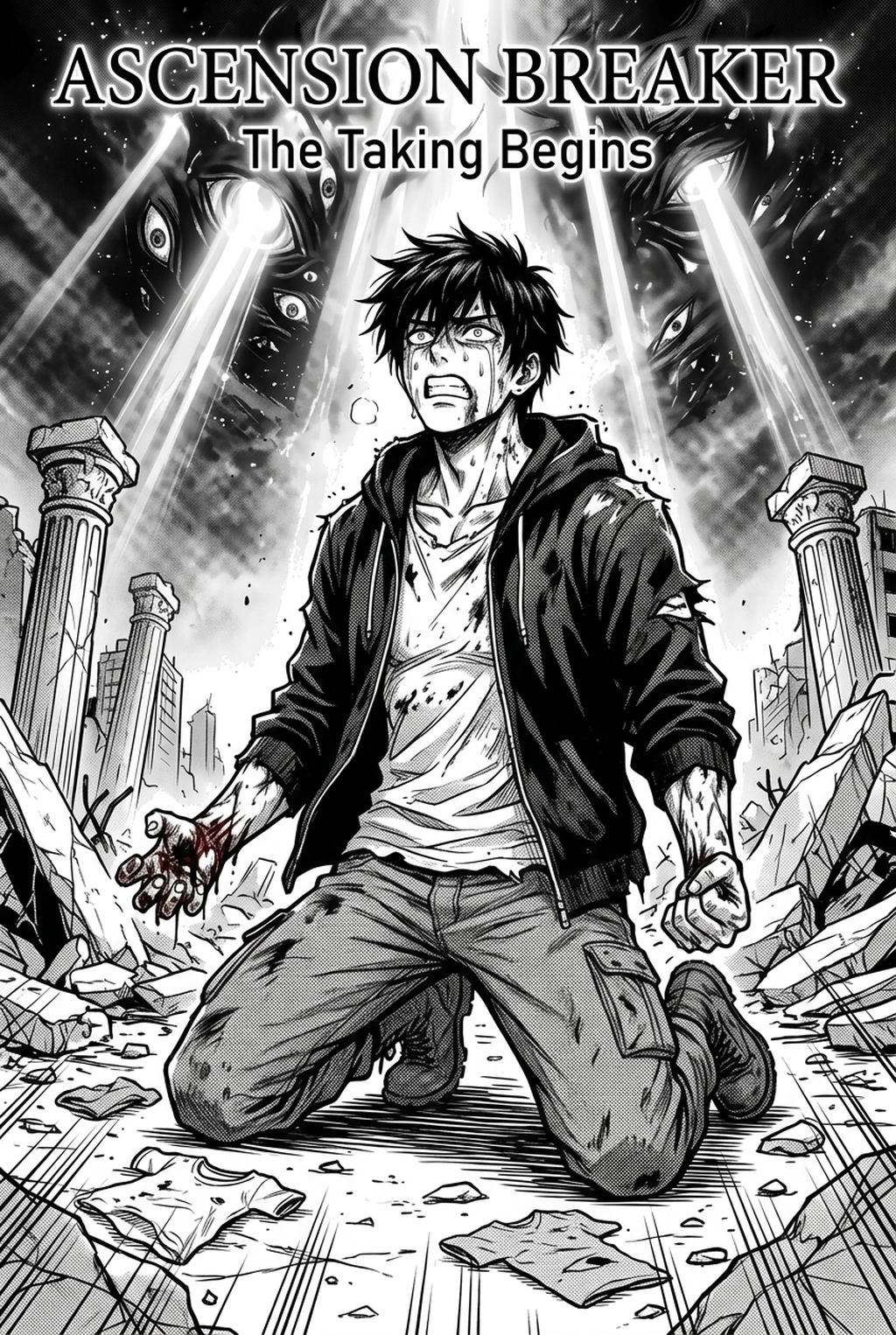
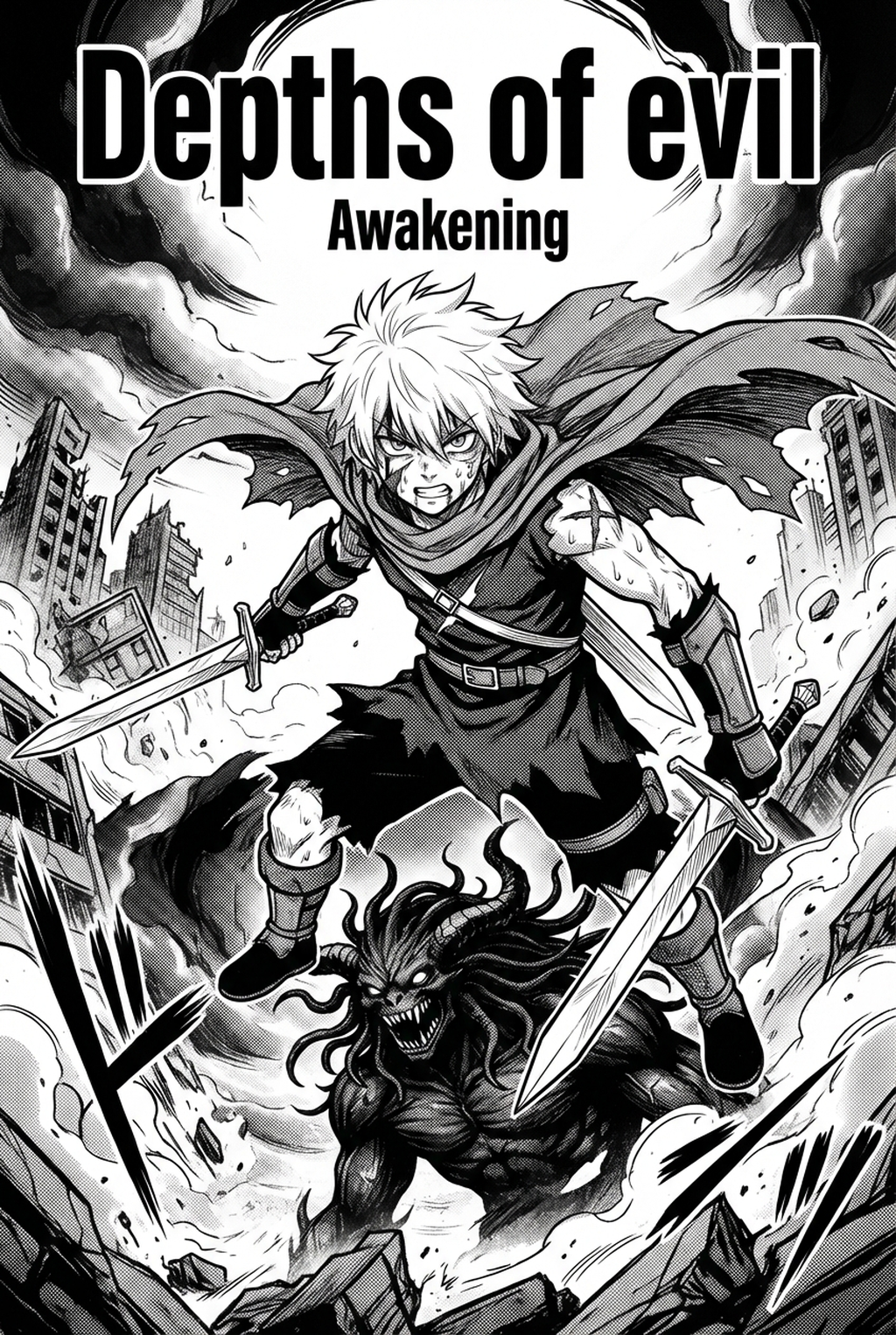
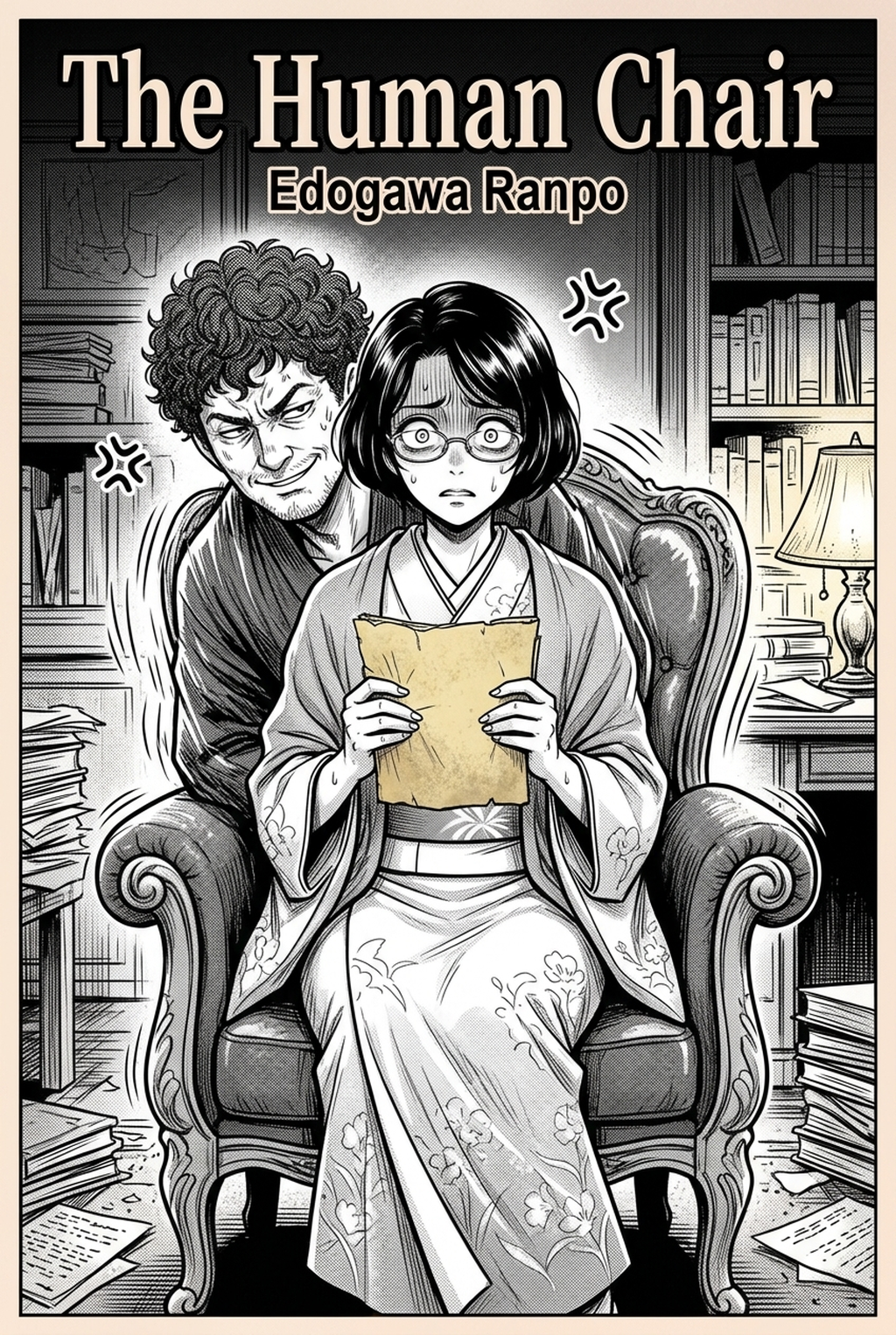
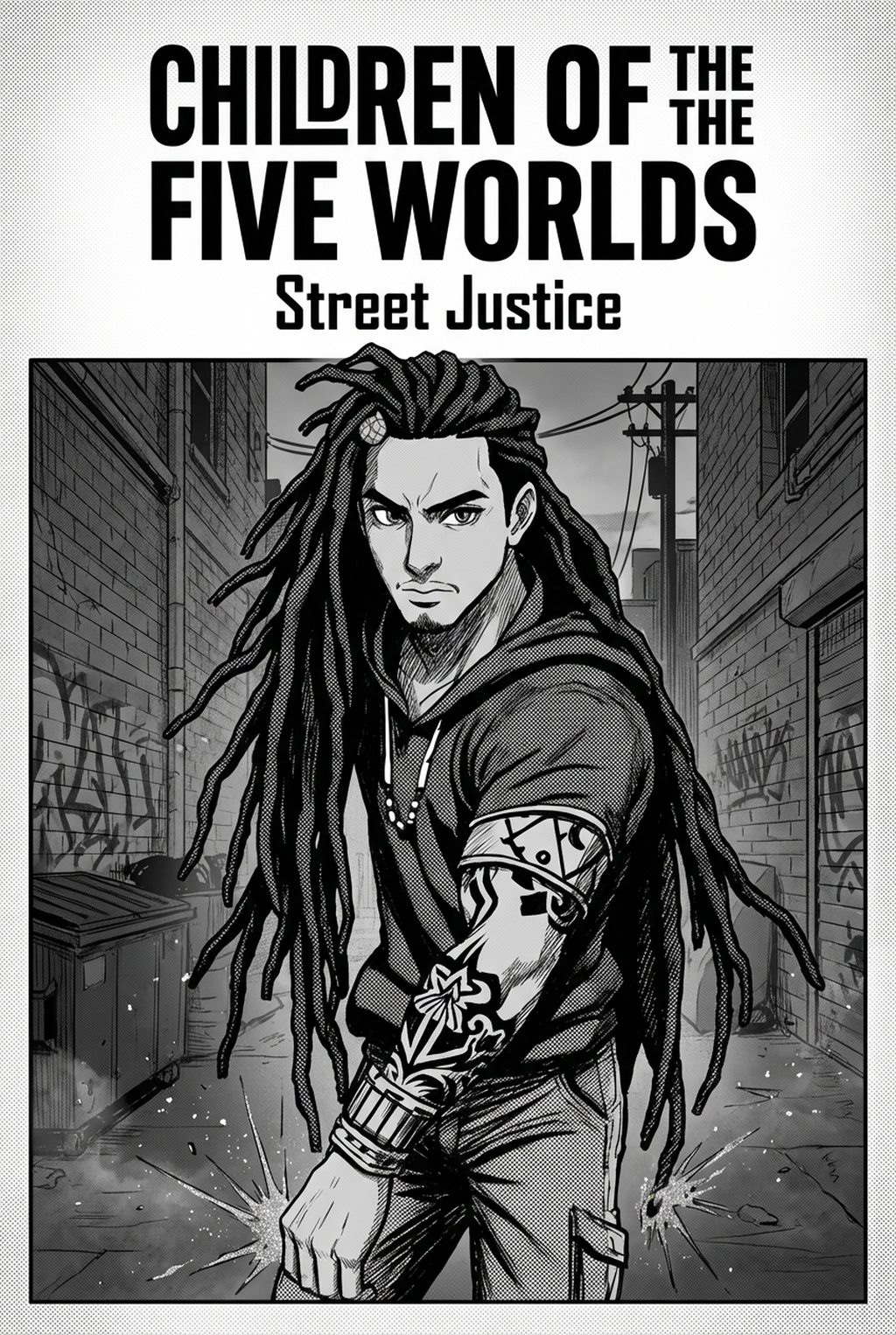
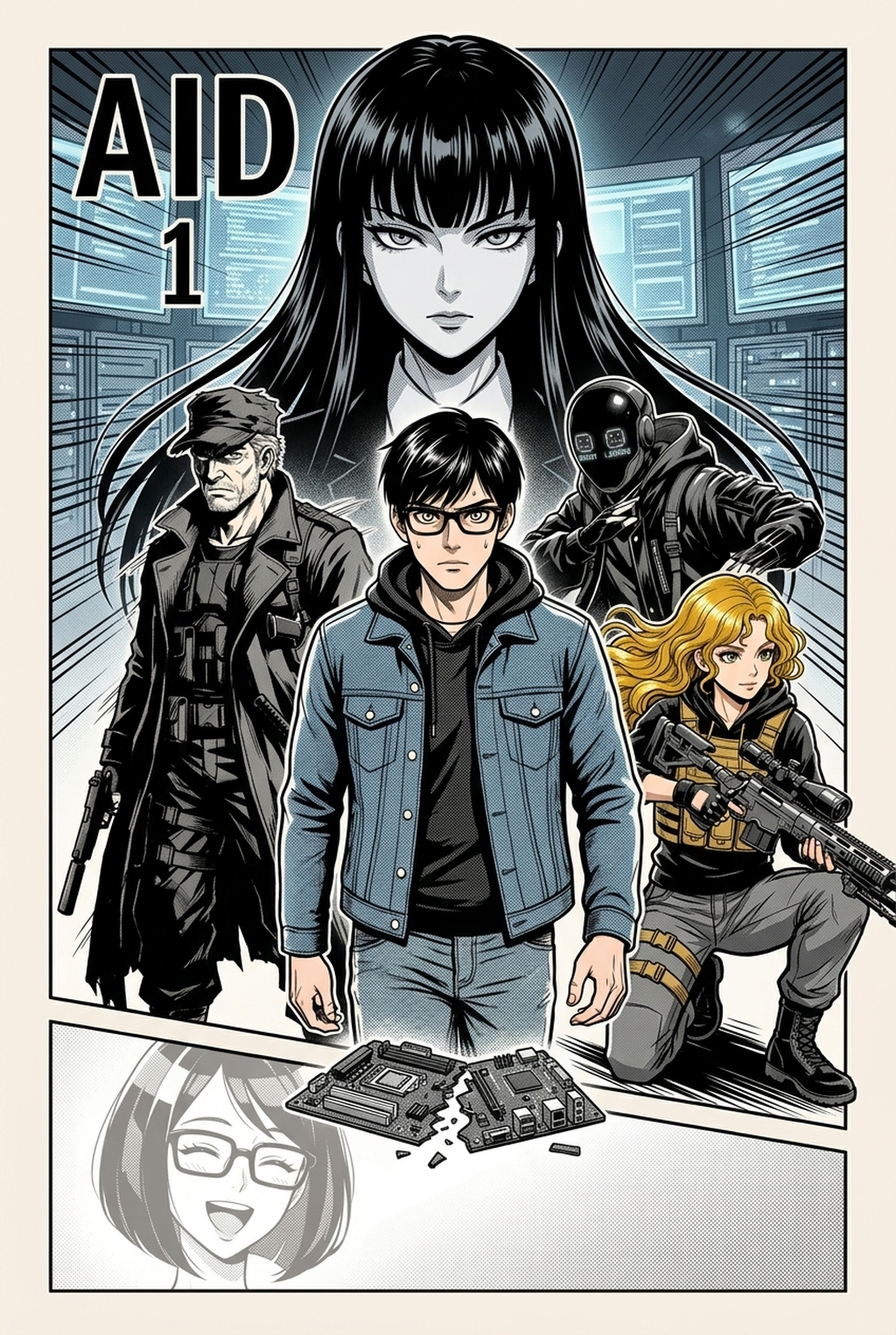
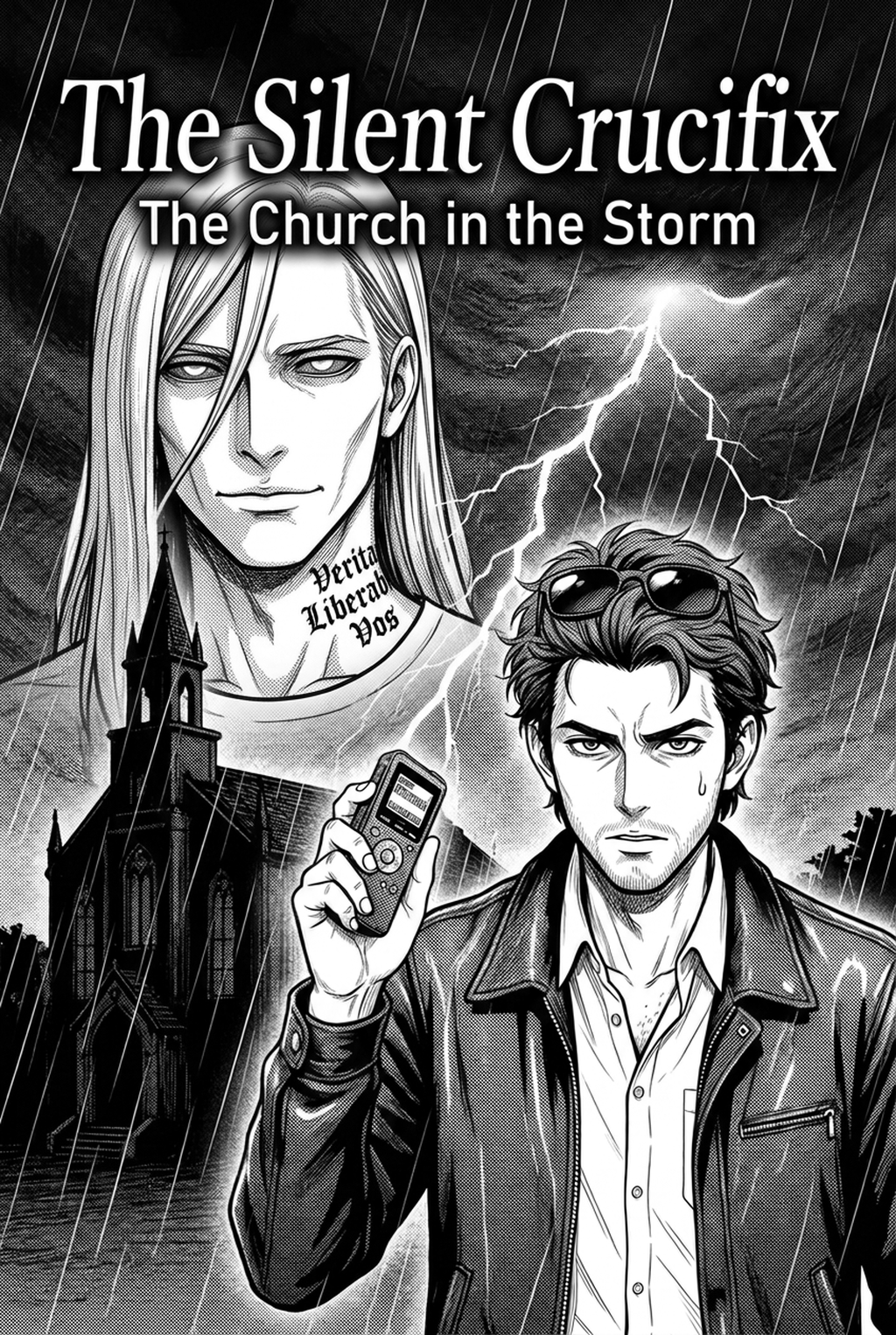
The exorcist manga art style is defined by heavy usage of high-contrast 'chiaroscuro' lighting, where deep blacks dominate the panel to emphasize the encroaching supernatural threat. Unlike standard shonen, this style relies on jagged, asymmetrical paneling to mirror the chaos of spiritual combat and the psychological toll of fighting unseen entities.
- Occult Iconography: Intricate, talismanic artifacts and spirit seals require consistent, high-density line work that maintains readability even at smaller export sizes. * Shadow Composition: The use of large solid-black shapes creates a claustrophobic atmosphere, separating the 'mundane' world from the volatile 'spirit' domain. * Entity Contrast: Spirits are often rendered with flowing, wispy linework, while protection barriers and weapons are defined by rigid, geometric precision to provide visual stability.
Importance for Professional Manga Creators
Consistency in your visual style maintains the reader's suspension of disbelief, ensuring that the 'spirit world' elements feel distinct from the mundane reality of your characters. Establishing this cohesive identity is vital for building a recognizable brand, especially when your series must pivot between high-octane action and slower, psychological horror segments.
- Tonal Differentiation: Editors often require a distinct visual language to separate a character's 'human-state' from their 'spirit-state' to prevent confusion during complex action sequences. * Readability Standards: Maintaining a constant line weight for spiritual sigils ensures that the intricate details do not become muddy or illegible during high-volume serial production. * Brand Cohesion: A signature approach to 'cursed' markings creates a unique aesthetic thumbprint that distinguishes your title on a crowded shelf.
Integrating the Exorcist Aesthetic with Mangaka
Mangaka automates the rendering of complex, repeatable occult motifs, allowing creators to reclaim time that would otherwise be spent on tedious, repetitive inking of demon-possessed textures. This workflow allows you to focus on narrative pacing and storyboard refinement while the system handles the technical burden of high-contrast style transfer.
- Automated Inking: The system re-renders your rough sketches with the specific, aggressive line weights required for this genre, eliminating the need for manual cleanup of every 'cursed' element.
- Style Consistency: By feeding your character designs into the exorcist manga art style tool, you ensure that every panel retains its intended, high-contrast, atmospheric quality without the risk of proportion drift.
- Reduced Overhead: When dealing with multi-panel spirit battles, the ability to automate the heavy-black fills on background urban debris saves significant time on page-production cycles.
Strategic Use Cases for Genre Storytelling
A successful exorcist-themed project requires deep blacks and a deliberate 'glitch' or 'decay' visual effect on supernatural elements to heighten the stakes for your reader. Designers should prioritize contrasting organic, flowing shapes for spirits against the rigid, geometric lines of wards or protection seals.
- Digital Screentone Integration: Use high-contrast screentones to simulate traditional, ink-heavy paper mediums while bypassing the logistical limitations of physical materials. * Panel Pacing: Use tight, vertical-oriented paneling for exorcism rituals to draw the eye downward, mimicking the sense of descending into a darker, more dangerous layer of the spirit world. * Background Management: Apply a desaturated palette to urban settings to make the vibrant, glowing supernatural sigils 'pop' when they appear, forcing the reader to focus on the active threat.
Getting Started with AI-Driven Production
Artists often worry that their initial sketches are too minimalist to capture the complex, high-contrast look of the exorcist genre. You can achieve professional-grade results regardless of your starting point, as the platform is designed to extrapolate the necessary line density and shading patterns to suit your unique vision.
- Preserving Originality: The key is to keep your unique character silhouette and composition as the core input; the AI then acts as a force multiplier for the technical rendering of textures and tones. * Stylistic Flexibility: While the exorcist aesthetic is traditionally monochromatic, it adapts perfectly to desaturated, high-contrast color palettes for vertical comic platforms or digital serials. * Workflow Optimization: Treat the initial generation as a base layer for your final review, allowing you to add hand-drawn flourishes that provide that extra touch of personal creative authority.
- Before Export. Creators should compare the generated line art with the original sketch and confirm that facial expressions, props, speed lines, and speech-bubble space still support the scene. A repeatable review pass should cover character consistency, panel readability, background clarity, and whether the final file is ready for coloring, lettering, or editor feedback.
- For Longer Projects. Creators should save approved examples of line weight, face detail, clothing folds, and background density. Those references keep later chapters closer to the intended style. For collaboration, creators should mark which panels are final and which panels still need redraws. Clear status labels prevent an assistant, editor, or colorist from polishing the wrong version.
- For Publishing. Creators should review the page at the actual reading size before export. Small screens expose crowded dialogue, weak silhouettes, and line details that looked fine while zoomed in. This keeps the review focused on story intent, line weight, panel readability, and the export quality behind the final AI Manga Style Transfer output.
The Bottom Line
Mastering the creator workflow allows you to bridge the gap between creative concept and the high-density, moody visuals expected by fans of the genre. By utilizing advanced tools to handle the repetitive technical rendering of shadows and occult symbols, you protect your production schedule from the risks of burnout and inconsistent line weight. To take the first step in automating your production process and capturing that distinct, high-contrast look, exorcist manga art style .
Related articles
Manga Inking: The Professional Guide for 2026
How to Draw a Professional Manga Background Without Drawing
Mastering 4-Koma Comedy Strips: A Creator's Guide in 2026