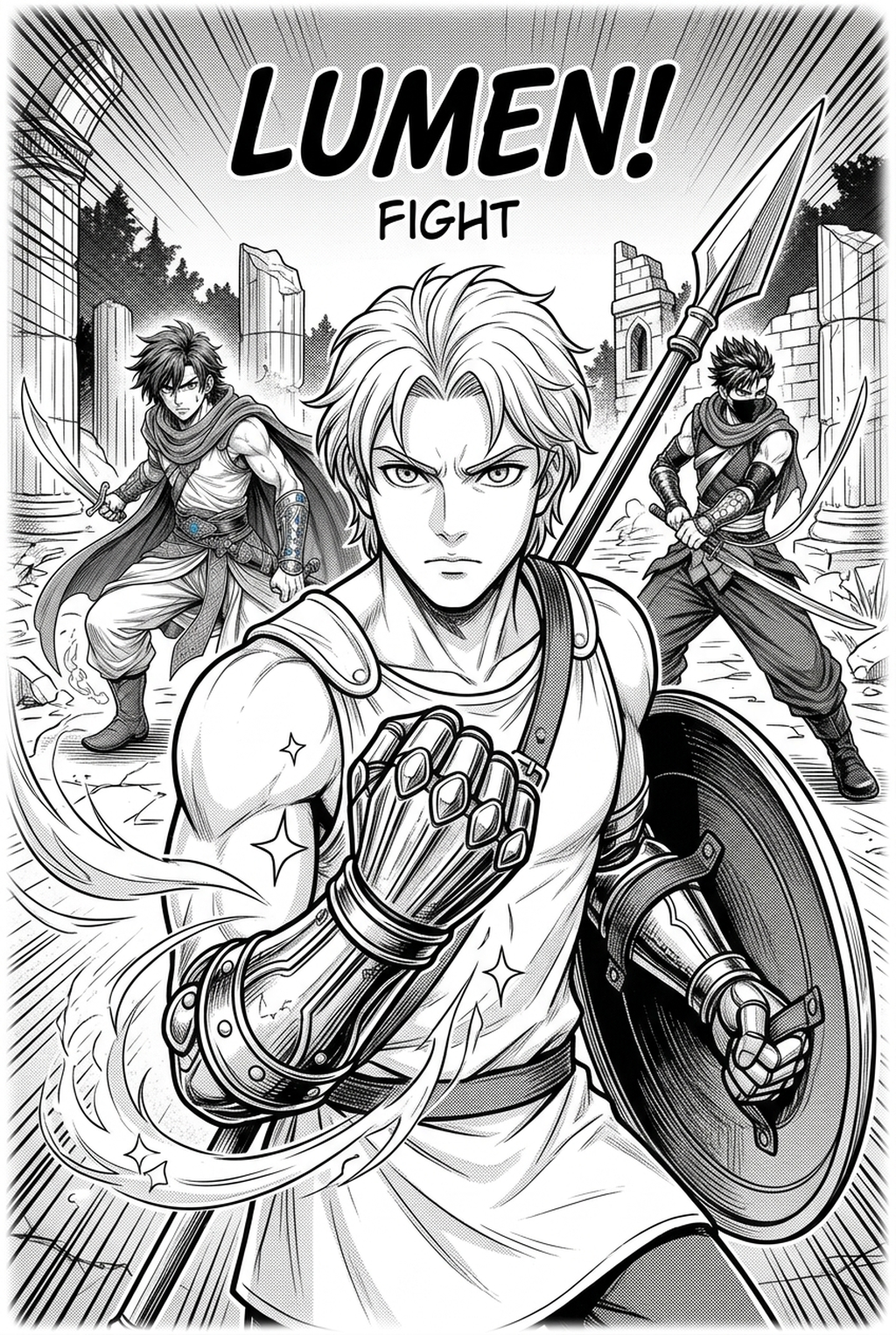
Understanding the Mechanics of AI 4-Koma Strip Maker
The foundation of any successful strip lies in the Kishōtenketsu framework, which maps out the flow of information across four distinct stages. By adhering to this structure, you ensure that the narrative weight is distributed evenly, preventing the joke from feeling top-heavy or cluttered.
The Kishōtenketsu model divides your strip into four specific functions that dictate how a reader processes humor:
- Ki (Introduction): Establishes the characters and the base scenario without over-explaining the premise. * Shō (Development): Expands on the initial situation, adding a layer of detail that sets the stage for the coming change. * Ten (Twist): Acts as the critical pivot point, subverting the expectations established in the first two panels. * Ketsu (Conclusion): Provides the final release, framing the entire interaction as a cohesive, punchy gag.
The third panel (Ten) is the most critical for maintaining your gag's momentum. If your Ten panel fails to offer an immediate visual cue that the status quo has shifted, the Ketsu panel will feel like a non-sequitur rather than a payoff. You must ensure that character focus remains consistent; for instance, if your protagonist is looking left in panel one, their eye line should logically guide the reader toward the transition in panel two, avoiding abrupt shifts that break immersion.
Why AI 4-Koma Strip Maker Matters for Manga Creators
Controlled timing is what separates a professional, tight-knit gag from a series of disjointed sketches. By managing the visual rhythm, you direct the reader's "mental pause," ensuring they spend the right amount of time absorbing the build-up before the release of the punchline.
If you pack too much dialogue into the second panel, you kill the momentum required for the third panel's twist to land effectively. Using variable panel sizes or clever white space manipulation allows you to signal to the reader where they should linger and where they should scan quickly. In a vertical scroll environment, this is even more crucial because the reader’s thumb acts as a natural accelerator; your visual cues must be distinct enough to interrupt that scrolling motion right at the third panel.
Audience retention hinges on the micro-rhythms established by your panel sequence. When the tension builds specifically within the third panel, you create a psychological need for the release found in the fourth. If the tension is too diffuse, the reader will lose interest; if it is too sudden, the punchline loses its comedic value.
How 4-Koma Gag Timing Works with Mangaka
Creators often struggle with the technical labor of resizing panels and adjusting character proportions, which can distract from the actual gag timing. Mangaka automates these layout challenges, providing a structural sandbox where you can iterate on your strip's flow without manually redrawing every iteration.
By utilizing the tool at 4-koma gag timing , you can input a core joke concept and instantly generate layout variations that prioritize the 'Ten' panel's impact. If you find your characters are drifting in scale, the platform enforces consistency across the strip, allowing you to focus on whether the dialogue in the second panel is actually supporting the twist or merely repeating information. Integrated export features mean that once your timing is dialed in, you can move directly to finalizing line art and tone without re-formatting the entire sequence.
Use Cases for AI 4-Koma Strip Maker
Every creator eventually faces the "over-explained" trap, where the second panel fails to move the narrative forward. Recognizing these failure modes early is the difference between a strip that hits and one that falls flat. The second panel (Shō) should never repeat information already established in the first. If your first panel establishes a character is hungry and the second panel shows them looking at a menu while saying I am hungry," you have wasted the opportunity to add a detail that makes the twist in the third panel more surprising.
Ignoring the negative space between panels often leads to rushed transitions. If your characters are cramped against the edge of the panel frame, the reader's eye is forced to jump, effectively cutting the rhythm of the joke short. Proper gutter width and consistent margin sizing within 4-koma gag timing prevent these jarring breaks, keeping the reader locked in the sequence until the final Ketsu.
How to Get Started with Mangaka
Transitioning to a structured creation workflow doesn't mean abandoning your artistic intuition. Instead, it means offloading the repetitive labor so your creative energy can be directed toward refining the punchline. This keeps the review focused on story intent, line weight, panel readability, and the export quality behind the final AI 4-Koma Strip Maker output.
- The primacy of the third panel: Always prioritize the Ten panel; if the twist isn't visually distinct from the setup, the joke lacks the necessary subversion. * Adaptability for long-form: While these strips are short, the principles apply to 'omake' sections of longer works to provide character depth outside of serious story arcs. * Iteration over sketching: AI-driven tools serve as an iteration engine that lets you experiment with pacing variations significantly faster than traditional pencil-and-paper sketching.
The Bottom Line
Perfecting your timing is a process of balancing rigid structural demands with the flexibility of your unique creative voice. Whether you are drafting a quick gag for social media or a dedicated side-strip for a larger project, using 4-koma gag timing to prototype your layout ensures your humor lands with professional-grade impact every single time.
Related articles
Creating Dystopian Manga Background Art: A Creator's Guide
Mastering the 4-Koma Gag Manga Layout for 2026
Mastering the One Piece Manga Background Style in 2026