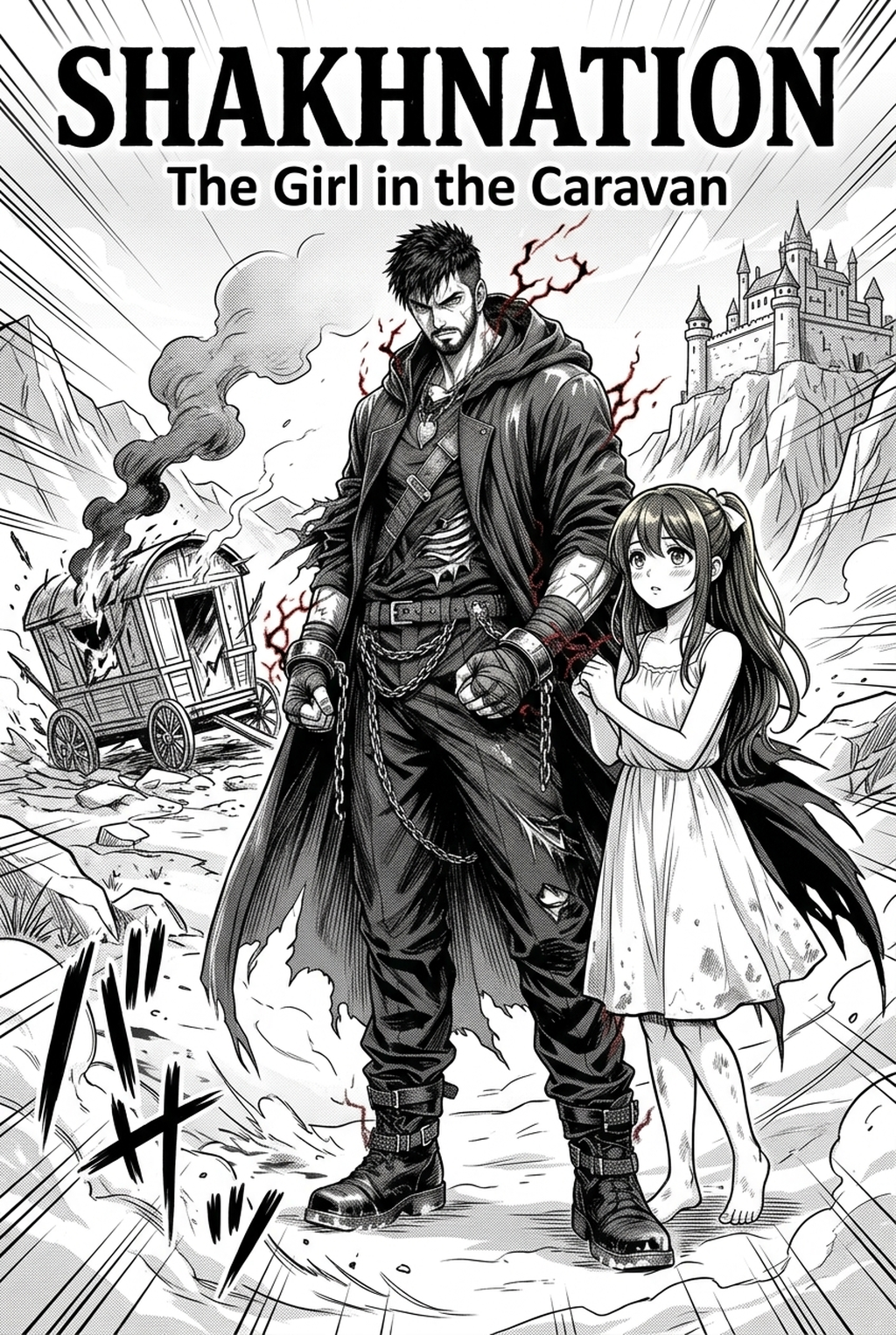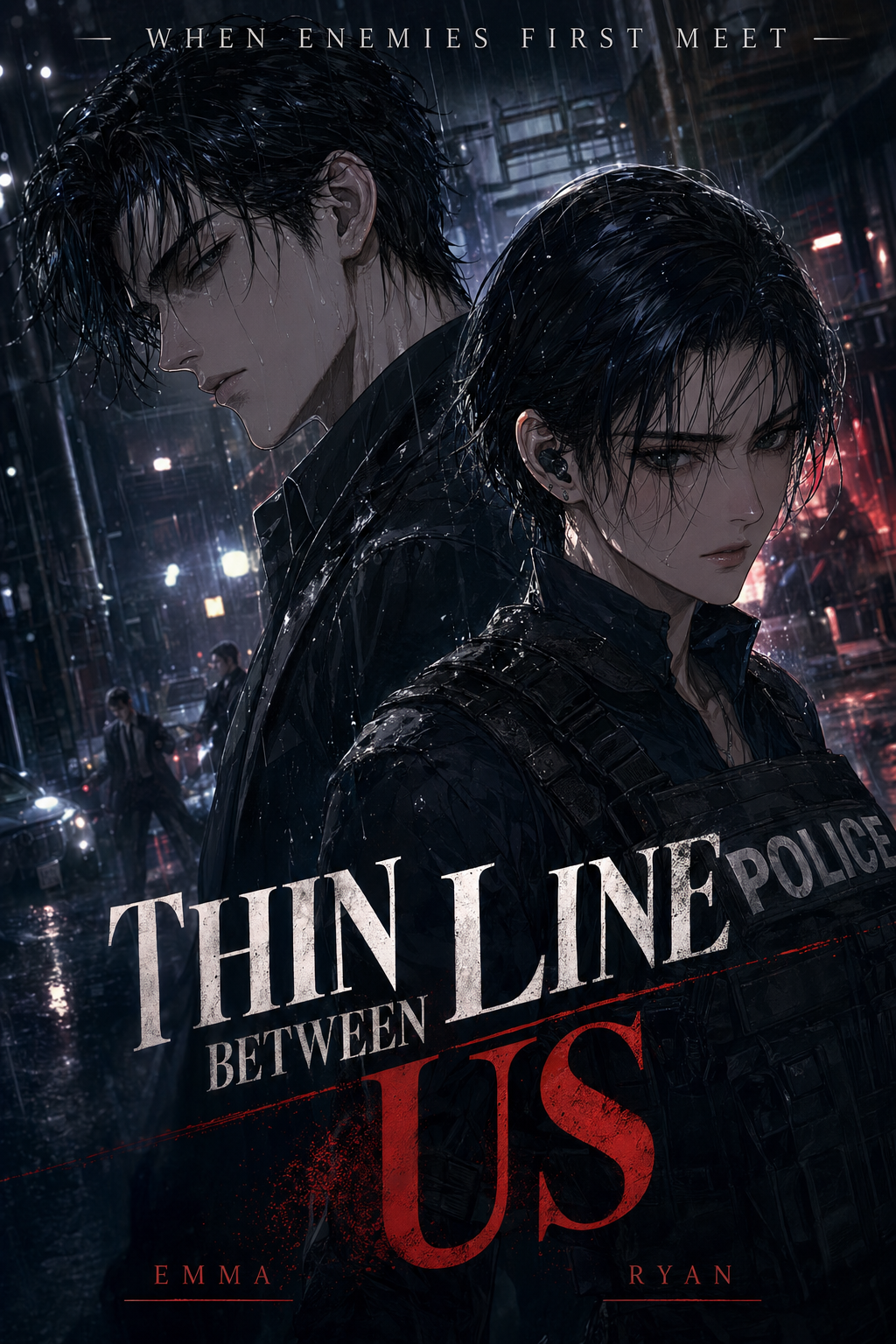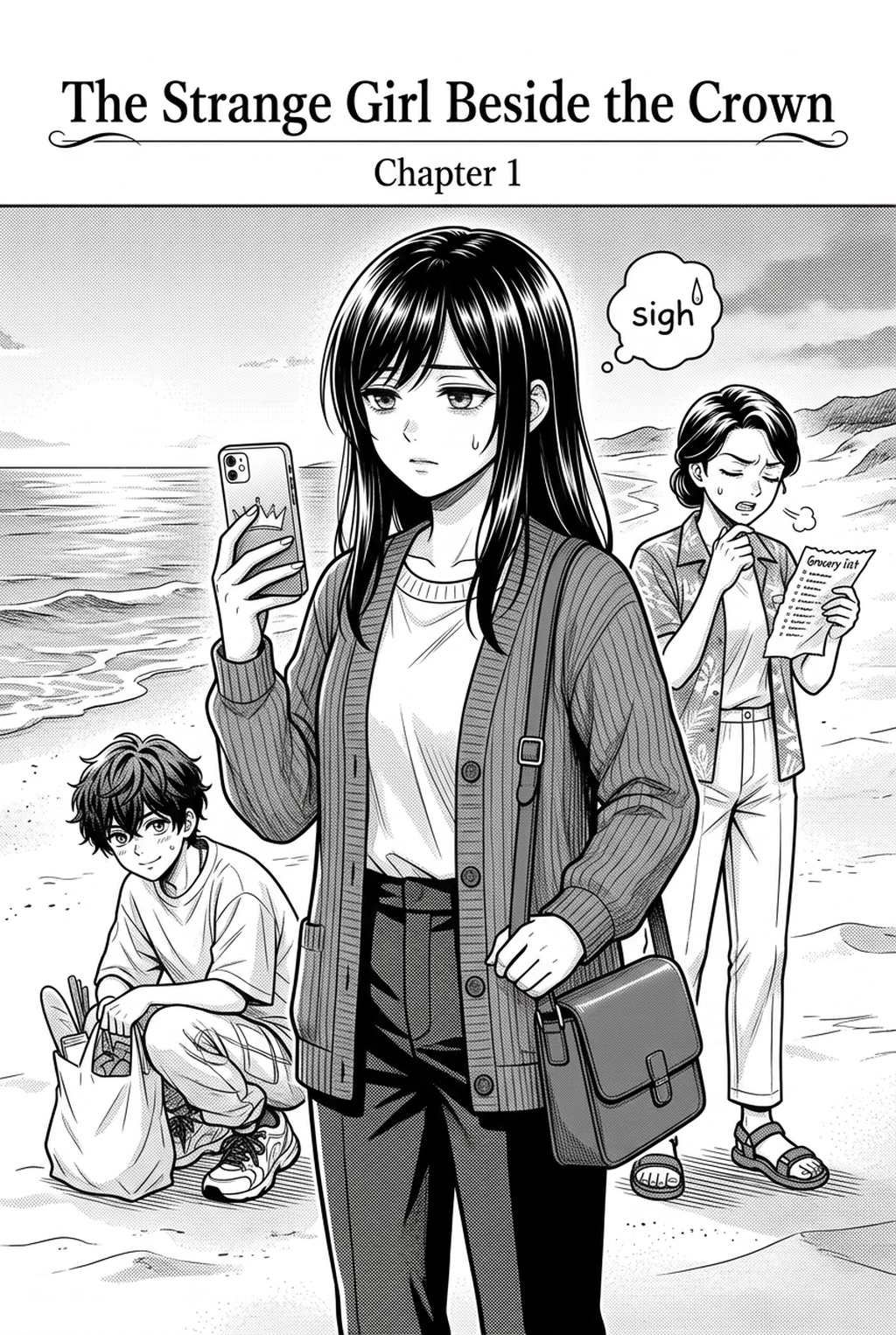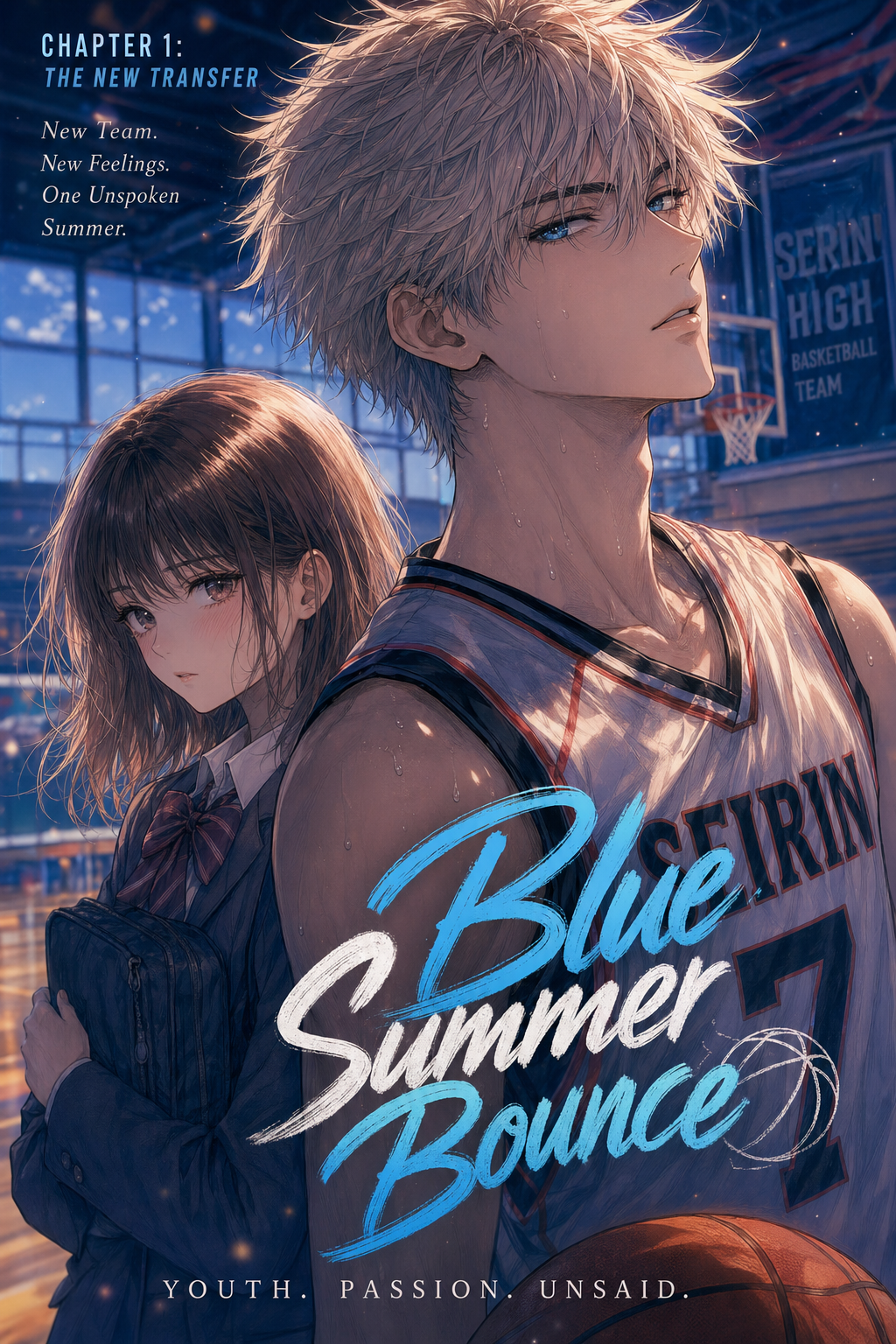
AI Manga Background Artist: Why AI Manga Background Artist Matters for Manga Creators
Backgrounds serve as a silent narrator in gourmet series, dictating the emotional intensity of every scene. While characters are the heart of your story, the environment sets the stage for their culinary triumphs or failures, ensuring the reader remains immersed in the specific atmosphere you are building chapter after chapter.
- Emotional Temperature Setting: Use high-energy, bustling restaurant chaos to amplify the stress of a professional cook-off, or opt for intimate, cozy lighting to emphasize personal moments. * Preventing Visual Fatigue: Consistent design ensures that when a reader flips through dozens of pages, the transition between kitchen settings remains fluid rather than jarring or confusing. * Appetite-Inducing Detail: Creating high-fidelity textures on surfaces like tabletops allows readers to focus on the "food porn" elements, which act as the primary driver for sustained interest in the Meshi-manga genre.
How Cooking Manga Background Art Works with Mangaka
Mangaka automates the creation of complex architectural environments, allowing you to bypass hours of manual perspective drafting while keeping your kitchen sets consistent. By using scene descriptions as a foundation, you generate accurate, high-quality layouts that align with your title’s unique art style and required line weight.
A recurring challenge in long-running series is the drift in "kitchen sets," where a counter or window placement shifts unexpectedly between pages. Managing source context allows you to lock in the layout of your restaurant back-of-house, ensuring that every panel maintains structural integrity without the need for repetitive redrawing.
Maintaining the right level of complexity is vital; too much background detail steals thunder from the dish, while too little makes the world feel hollow. Mangaka allows you to generate a structural baseline that serves as the foundation for your final inking, letting you add the "hero" details to the food while the AI handles the heavy lifting of the architectural perspective.
Use Cases for AI Manga Background Artist
Production efficiency often dictates the survival of a series, and the time spent on background perspective grids is frequently the first thing to cause artist burnout. By shifting your workflow to include AI-assisted structural drafting, you regain the hours needed to refine plate aesthetics and facial expressions.
When you need to turn around a high volume of panels for a weekly or bi-weekly release, manual perspective calculation for every kitchen angle becomes unsustainable. Incorporating an automated review-owner workflow allows you to treat AI-generated environments as the baseline, leaving you the creative freedom to focus on final ink highlights, subtle shadows, and plate adjustments.
| Feature | Manual Drafting | AI-Assisted Workflow |
|---|---|---|
| Perspective Grids | Time-intensive; prone to error | Instant; mathematically precise |
| Asset Consistency | Requires manual reference | Maintained via source context |
| Artistic Focus | Distributed across architecture | Dedicated to focal food detail |
Whether you are exporting for digital platforms or print, keeping your background assets clean and layered is critical for final page layout. Using cooking manga background art enables you to generate environments that match your specific ink style, ensuring that the integration between generated lines and hand-drawn character work remains seamless upon final export.
- Chapter cadence. Use the AI pass for pages where speed matters most, such as repeated action poses, transformation beats, or dense speed-line panels. Keep manual cleanup for hero panels where the line style defines the emotional peak. - Character continuity. Compare the generated lines against the same model sheet, costume notes, and facial-expression range used during sketching. This prevents a fast inking pass from drifting away from the character identity readers recognize. - Export readiness. Check whether the final manga output can move into lettering, coloring, or final layout without rebuilding panel borders or speech-bubble space. A good manga workflow should save time while keeping the next production step predictable.
How to Get Started with Mangaka
Getting started requires defining your kitchen style through specific descriptive inputs rather than general tags. Focus on describing the era, the style of the restaurant, and the specific lighting conditions to ensure the output aligns with your existing character line-art.
- Style Matching: Can you match your specific ink weight? Yes, you can provide style-matching inputs to the system to ensure the generated backgrounds feel cohesive with your hand-drawn character sets. * Layout Sketches: Does this replace the need for layout sketches? AI acts as a foundational grid, allowing you to skip the tedious perspective setup so you can immediately begin on artistic composition and character placement. * Perspective Changes: How do I handle perspective changes? The tool processes your descriptions of angles and depth, automatically calculating the architecture so you don’t have to draft it from scratch.
Creators should compare the generated line art with the original sketch and confirm that facial expressions, props, speed lines, and speech-bubble space still support the scene. A repeatable review pass should cover character consistency, panel readability, background clarity, and whether the final file is ready for coloring, lettering, or editor feedback. For longer projects, creators should save approved examples of line weight, face detail, clothing folds, and background density. Those references keep later chapters closer to the intended style.
The Bottom Line
Mastering background art for your culinary series is no longer about labor-intensive drafting; it is about reclaiming your time to focus on the storytelling and food presentation that defines the genre. By utilizing cooking manga background art ability to handle structural complexity and perspective, you can ensure your manga maintains a high visual standard while meeting tight production deadlines.
Related articles
What Is a VR Manga Storyboard? A Creator’s Guide in 2026
Crafting a Compelling Fantasy Adventure Background for 2026
Build Your Manga Storyboard for Youth Comedy Instantly 2026