Understanding Traditional Historical Art Aesthetics
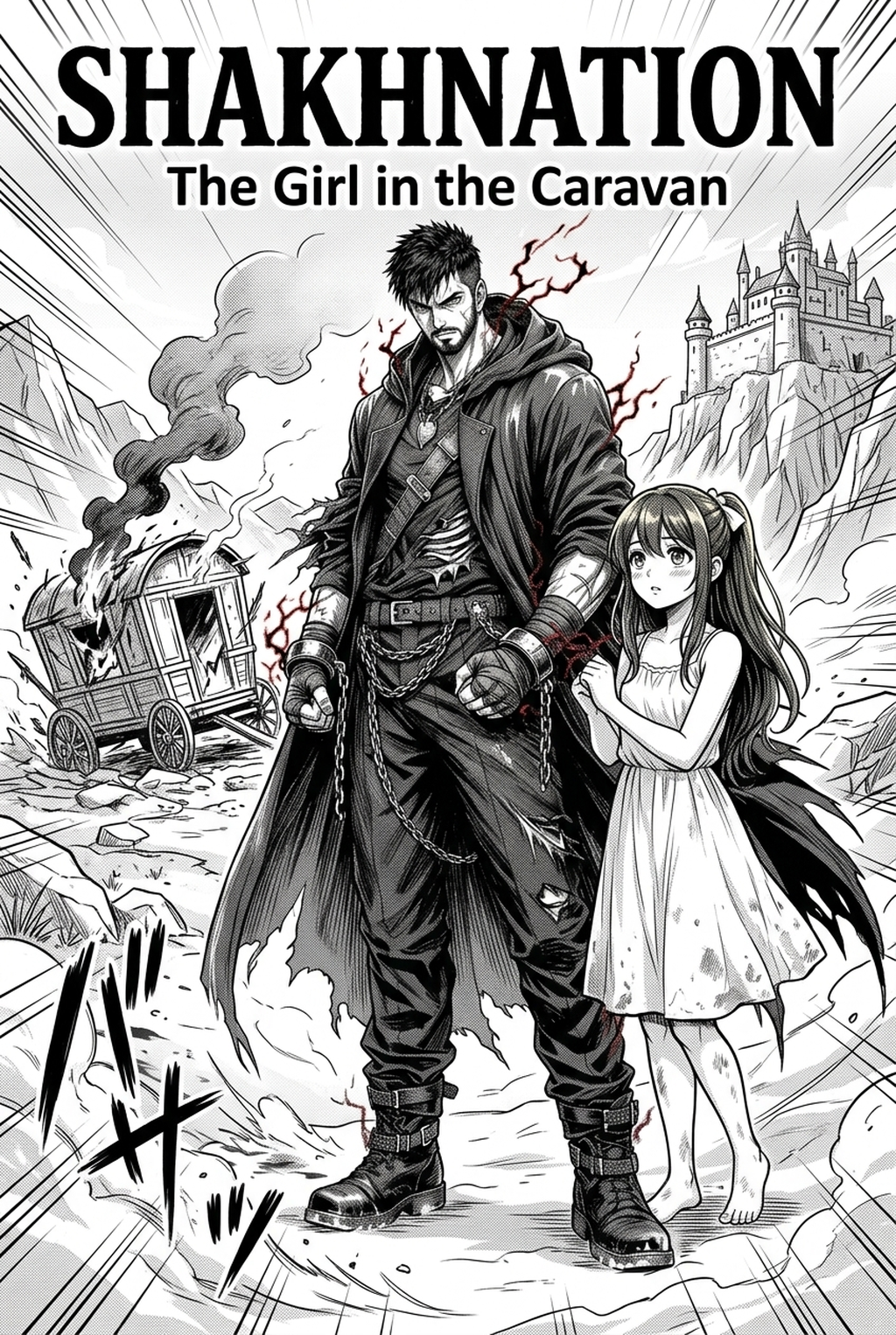
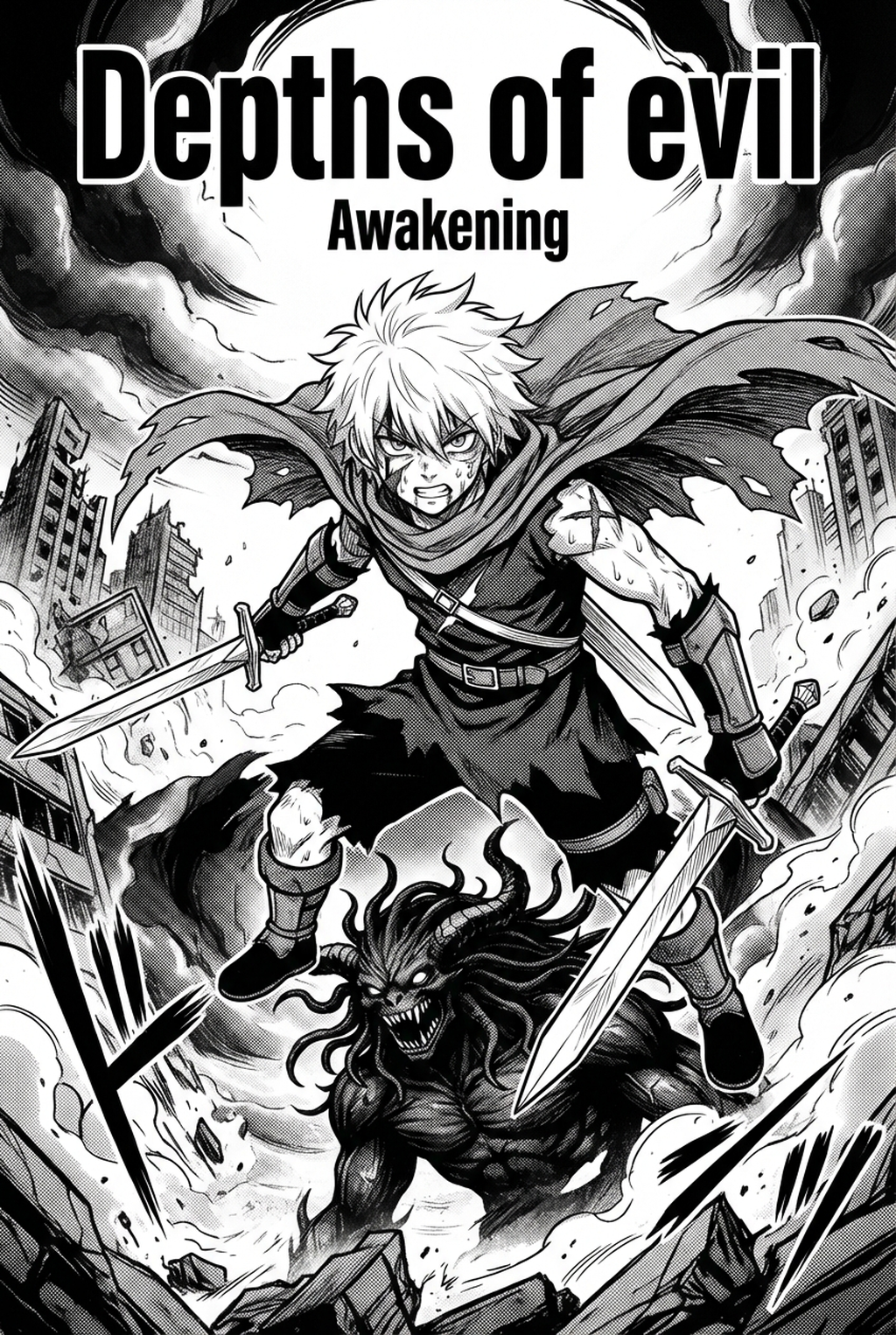
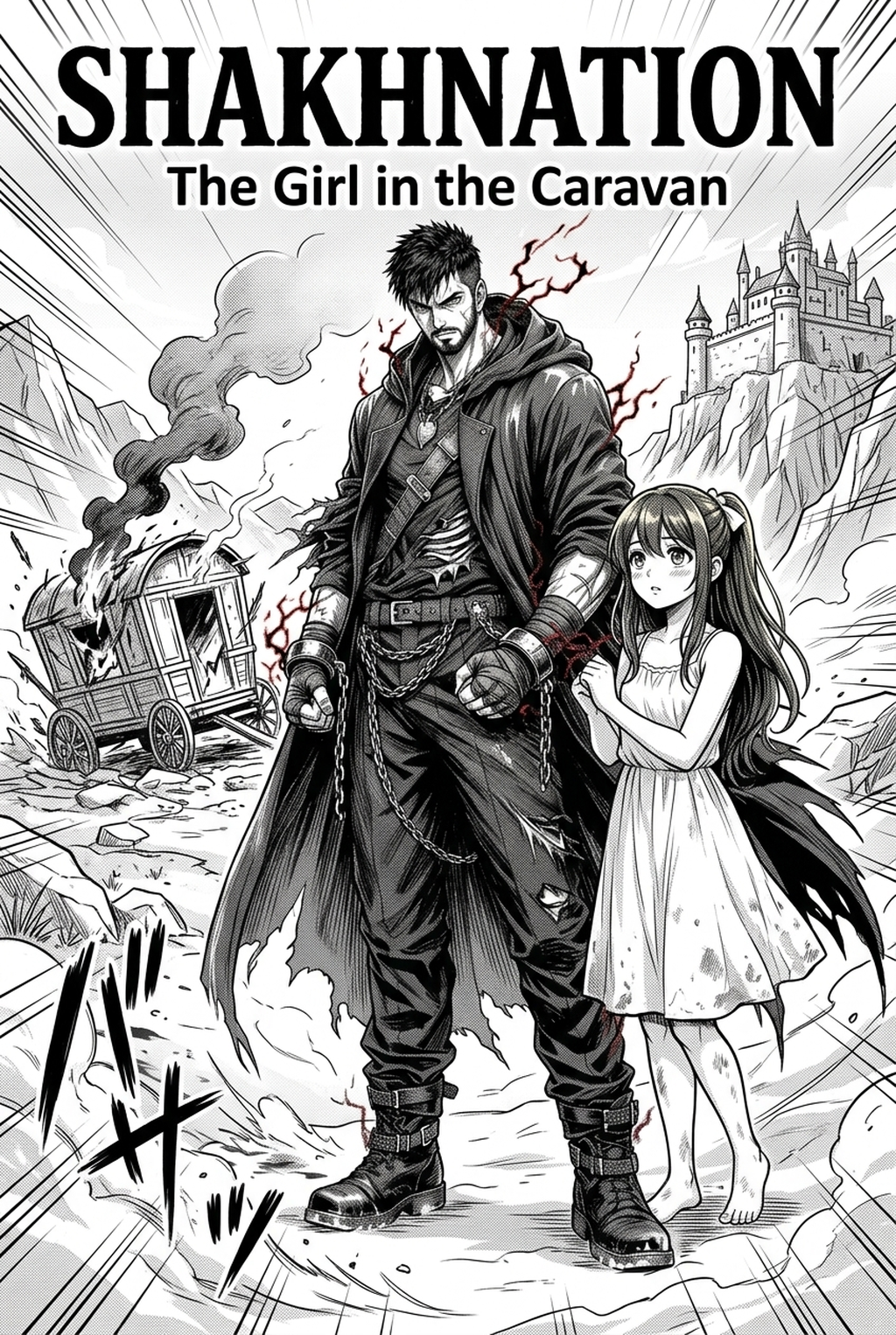
Historical manga art style is fundamentally defined by its reliance on high-contrast, woodblock-inspired line work and a meticulous, often obsessive, attention to period-accurate costume details. Creators must navigate the transition between eras by adjusting their visual vocabulary to match the specific artistic demands of their chosen timeline.
The core of this aesthetic lies in the use of hatching patterns for fabric texture and intentional variations in brush strokes to mimic the look of traditional ink. Artists frequently employ sparse background detail to ensure the reader's eye remains focused on the character silhouette, a technique essential for managing the visual density of tight, complex kimono patterns.
Authenticity depends on the creator’s ability to apply a "period lens," which dictates the necessary paneling density and ink sharpness. For example, an Edo-era saga requires a softer, more organic ink finish with frequent use of bokashi gradients, while a Meiji-era industrial theme benefits from cleaner, sharper lines that emphasize the harsh edges of early modernization.
Why AI Manga Style Transfer Matters for Manga Creators
Consistency in art style establishes a definitive "source context" that anchors the reader in the story’s era, preventing immersion-breaking anachronisms that can ruin the suspension of disbelief. Professional mangaka use specific terminology like kasure for dry-brush effects to maintain tonal cohesion throughout long-running series, ensuring the visual "delivery format" remains stable across hundreds of panels.
In period dramas, visual shorthand serves as a non-verbal communication tool for the reader to quickly identify social status. Specific patterns applied to kimono textiles or the distinct wood grain of architectural elements convey information about character status and environment without requiring lengthy expository dialogue, saving precious panel space for emotional beats.
The primary challenge for any creator is maintaining this rigor over long-form production. When a story stretches across multiple volumes, the risk of artistic dilution increases, making it vital to rely on set style parameters that govern line-work density and shading, ensuring that the final output feels like a singular, cohesive creative vision rather than a collection of disjointed drafts.
How Historical Manga Art Style Works with Mangaka
Mangaka’s AI-powered style transfer allows artists to transform raw, loose sketches into refined, period-correct art styles with one click, preserving the original artist's unique intent while standardizing complex ink densities. By applying custom historical filters to character poses and panel layouts, creators can handle the heavy lifting of repetitive inking that would otherwise take hours to illustrate manually.
The tool bridges the gap between digital speed and the raw, unpolished delivery format of traditional brush-and-paper manga. This process allows for a seamless integration of digital speed with the tactile quality required for authentic historical work. Applying style-transfer to panel layouts allows for a uniform look across your page spreads, maintaining consistent line-art fidelity even during high-paced production weeks. By using historical manga art style to refine character silhouettes, you can focus on the emotional depth of your characters rather than struggling with the manual rendering of intricate period attire.
Use Cases for AI Manga Style Transfer
Modern workflows require a systematic approach to production to avoid the burnout associated with hand-inking every period-accurate detail. Implementing a rigorous "review owner" protocol ensures that every chapter thumbnail is tested against historical references, confirming the style remains consistent before full-page rendering begins.
Using AI-assisted inking to handle repetitive architectural elements allows the artist to focus entirely on character expressions and narrative flow. This allocation of labor is critical for creators working on tight deadlines who must maintain high-quality, dense backgrounds without sacrificing the time needed for character-driven emotional scenes.
When working in color, it is essential to emulate the limited pigment palette of pre-modern Japan. Utilizing digital tools to apply these muted, naturalistic tones ensures the final finish aligns with the specific era of your story, preventing the usage of modern, vibrant pigments that can distract from the historical tone.
How to Get Started with Mangaka
Getting started requires a clear strategy for integrating AI tools into your existing creative process, focusing on enhancing rather than replacing your traditional expertise. This keeps the review focused on story intent, line weight, panel readability, and the export quality behind the final AI Manga Style Transfer output.
- Imperfection mimicry: Mangaka’s system interprets your specific brush-pressure inputs to replicate organic ink imperfections, ensuring your work avoids the look of flat digital vectors. * Copyright status: The platform focuses on style transfer for your original inputs, which ensures you remain the sole, primary creator of all character models and panel content. * Modernity mitigation: To keep your art from looking too modern, focus on maintaining high complexity in your initial line-art sketches and use the AI to reinforce, rather than replace, traditional shading techniques. * Workflow integration: Begin by testing the style-transfer feature on a single panel before applying it to a full page layout, verifying that the output matches your intended line weight and texture density.
The Bottom Line
Mastering a creator workflow requires a delicate balance of deep historical research and disciplined technical execution. By utilizing specialized tools like historical manga art style to manage the heavy lifting of inking and texture generation, modern creators can maintain the rigorous quality required for period pieces without sacrificing their unique creative vision. Successful manga creation today effectively merges traditional aesthetic discipline with modern production efficiency to tell compelling stories that resonate across time.