AI Manga Style Transfer: Why Artistic Uniformity Keeps Horror Readers Immersed
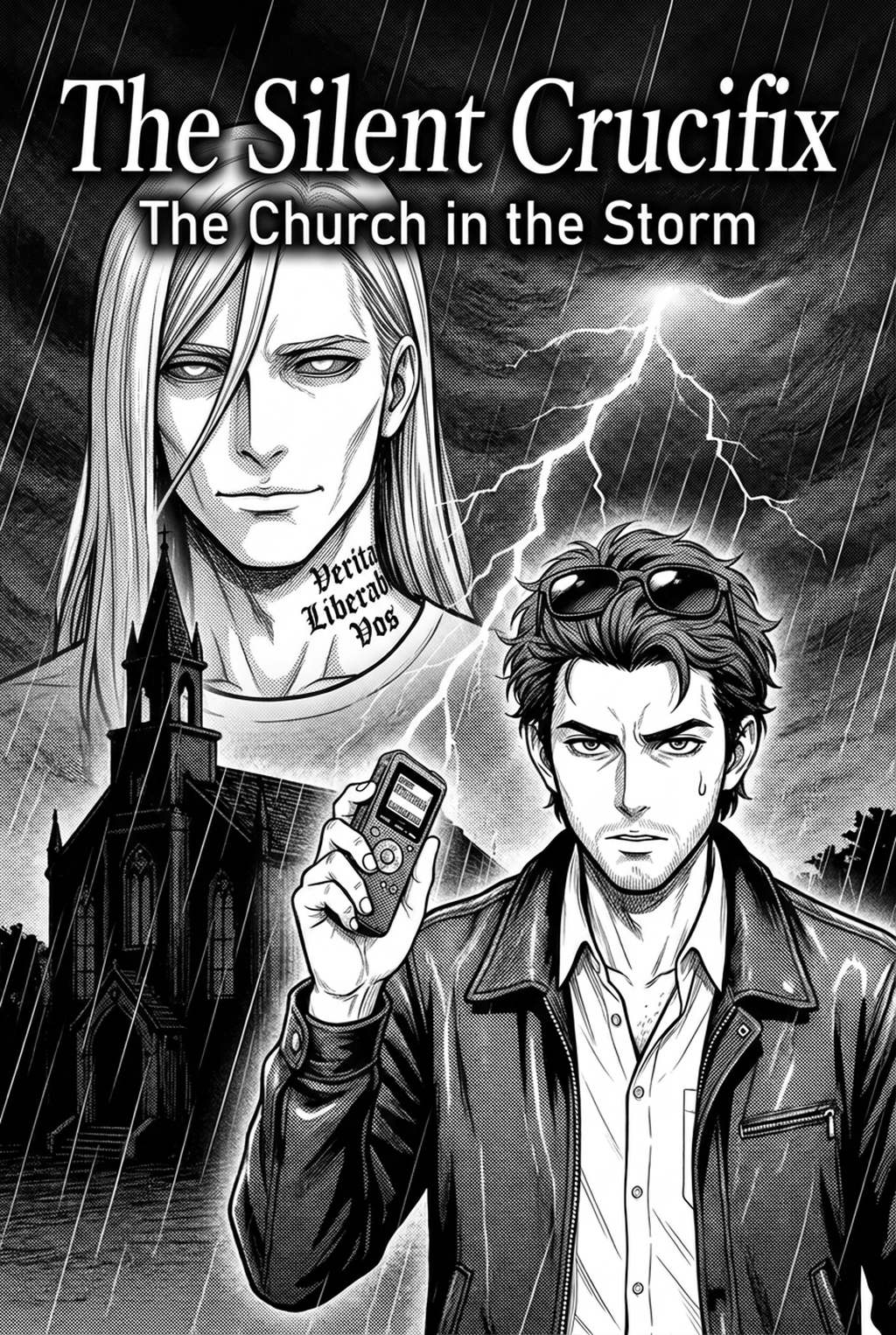
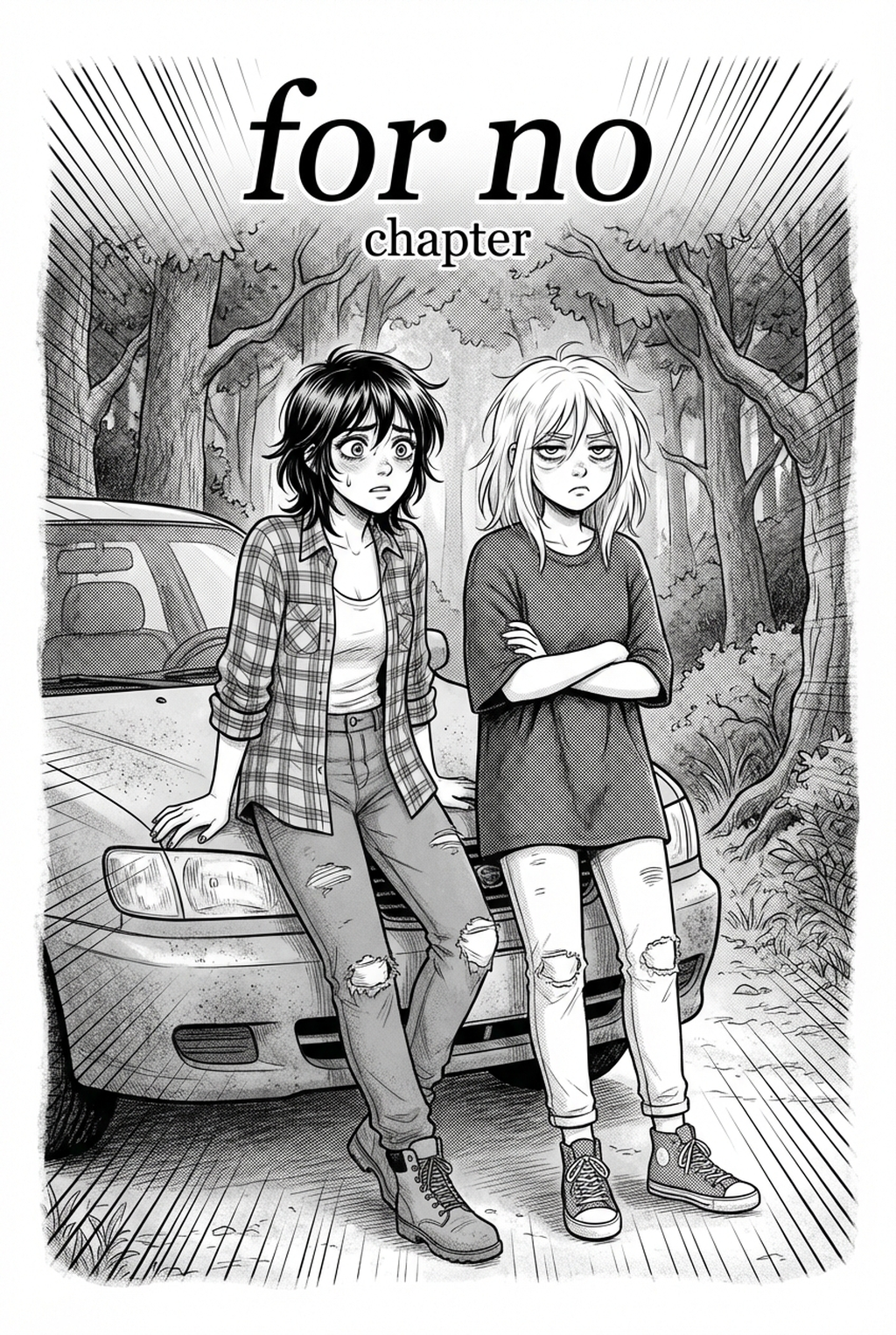
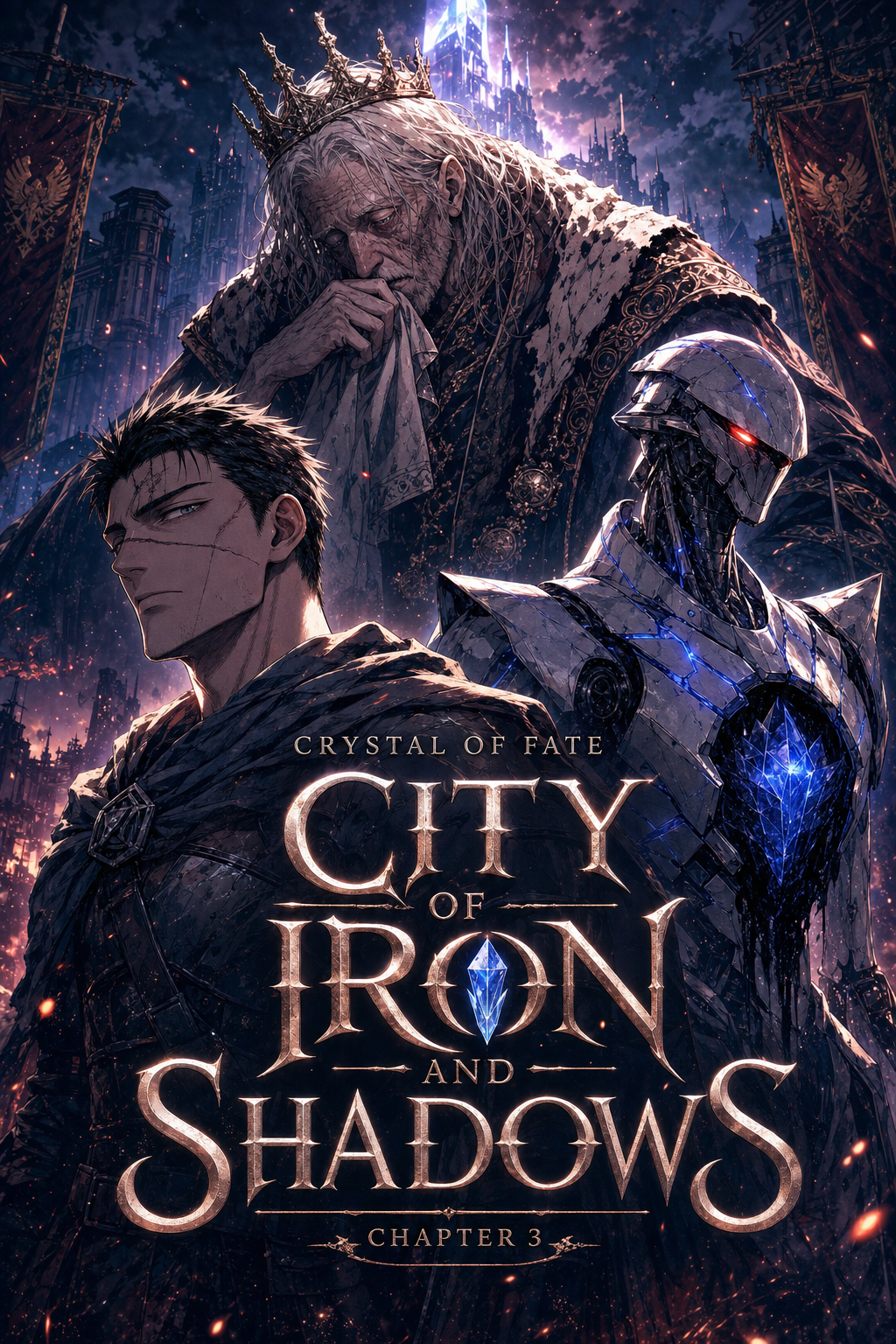
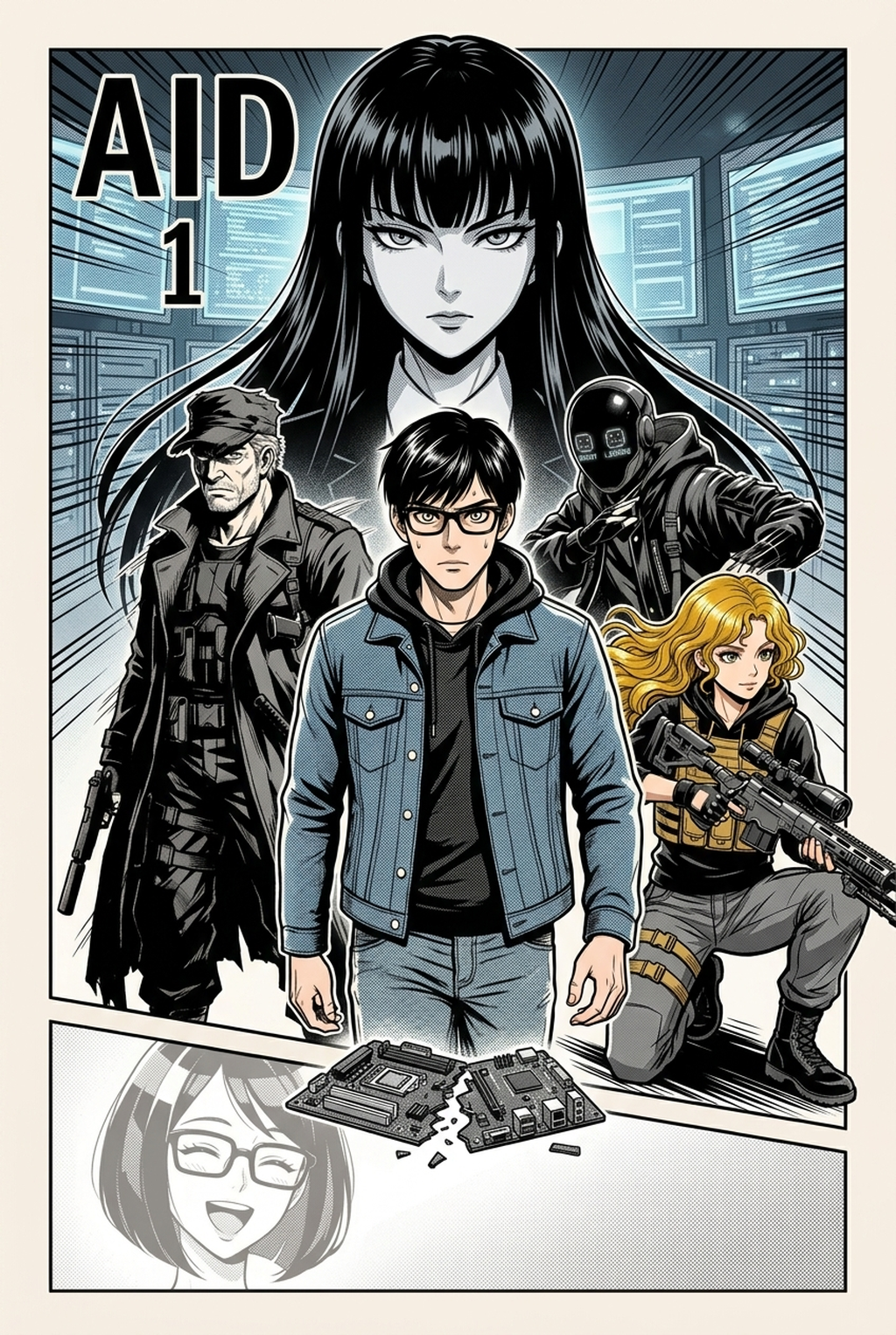
Indie creators often fail to maintain the "uncanny valley" effect across an entire volume, leading to a disconnected narrative where the zombies feel like afterthoughts rather than looming, legitimate threats. A unified visual language is essential to ensure that your background hordes and detailed primary antagonists share the same ink-weight density, preventing the reader from noticing a drop in production quality mid-scene.
Consistency in a horror project is the primary barrier to finishing a commercial-ready manuscript. When you manually ink across multiple panel spreads, line weight often drifts due to hand fatigue or shifting brush settings, which creates a jarring visual gap between consecutive pages. Maintaining a cohesive aesthetic from the initial layout to the final page export is the most effective way to keep your reader within the intended horrific experience.
Incorporating Mangaka into the Workflow
Mangaka automates the rendering of complex horror textures, allowing you to focus on narrative pacing while the system handles the application of ink weights and shadow density to your rough sketches. By removing the need for tedious manual inking of every skeletal joint or decayed wound, you can maintain a high-impact horror aesthetic without sacrificing your entire production schedule.
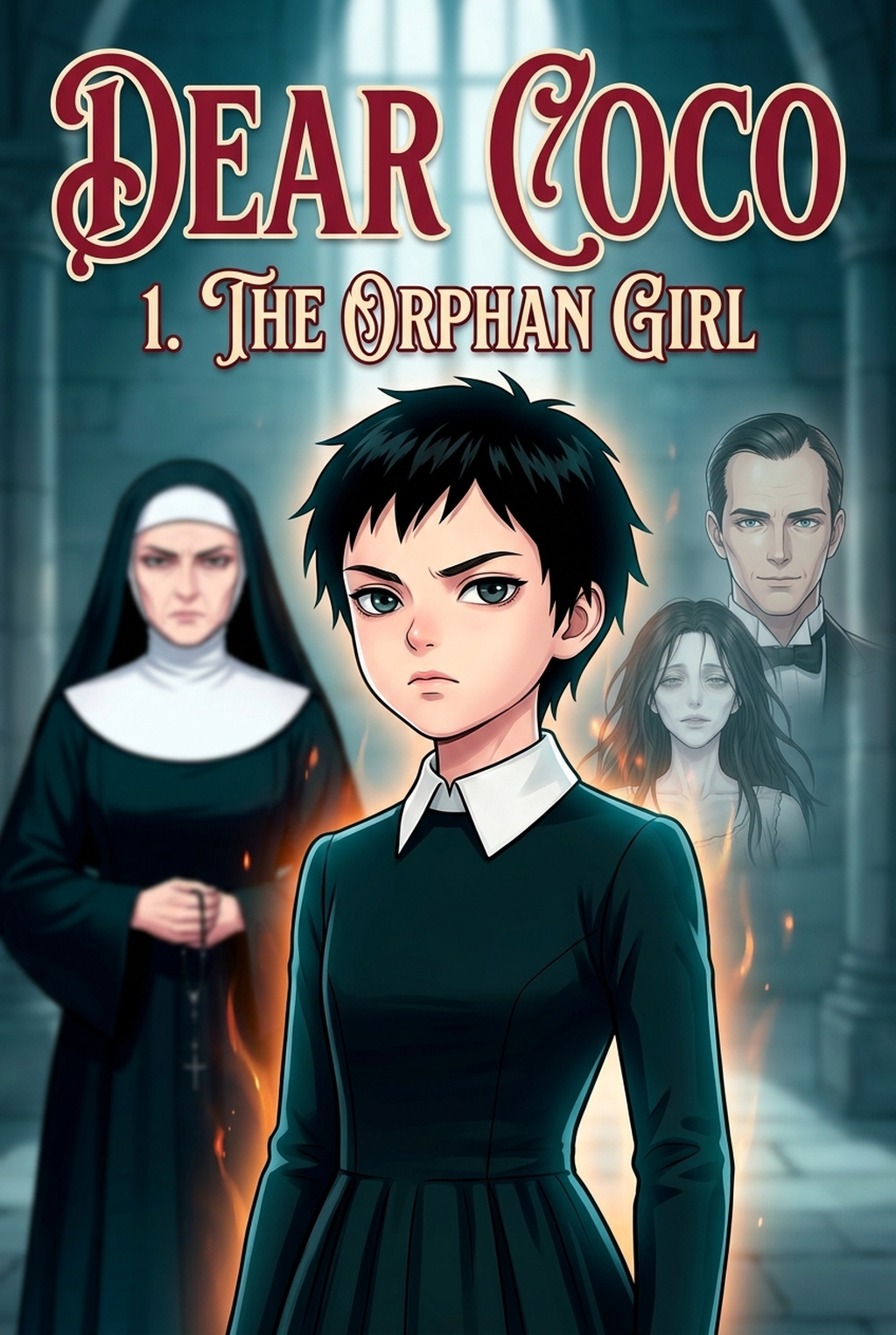
Recognizing Source Context During Decay. Users can feed original character source context into the platform to ensure that individual zombie mutations remain identifiable, even as the character undergoes extreme physical changes across a narrative arc. This feature prevents character-proportion drift and ensures that even the most decayed antagonist remains visually linked to their former, living self. To see how this manages specific texture application, visit zombie manga art style with Mangaka for an interactive demonstration of your sketches.
- Chapter cadence. Use the AI pass for pages where speed matters most, such as repeated action poses, transformation beats, or dense speed-line panels. Keep manual cleanup for hero panels where the line style defines the emotional peak. - Character continuity. Compare the generated lines against the same model sheet, costume notes, and facial-expression range used during sketching. This prevents a fast inking pass from drifting away from the character identity readers recognize. - Export readiness. Check whether the final manga output can move into lettering, coloring, or final layout without rebuilding panel borders or speech-bubble space. A good manga workflow should save time while keeping the next production step predictable.
- Chapter cadence. Use the AI pass for pages where speed matters most, such as repeated action poses, transformation beats, or dense speed-line panels. Keep manual cleanup for hero panels where the line style defines the emotional peak.
- Character continuity. Compare the generated lines against the same model sheet, costume notes, and facial-expression range used during sketching. This prevents a fast inking pass from drifting away from the character identity readers recognize.
- Export readiness. Check whether the final manga output can move into lettering, coloring, or final layout without rebuilding panel borders or speech-bubble space. A good manga workflow should save time while keeping the next production step predictable.
Applying Horror Designs to Digital Formats
Effective design requires balancing human anatomy with exaggerated signs of trauma to ensure the creature reads correctly at different sizes. You must consider the delivery format, as a high-detail ink spread that looks stunning on a 10-inch tablet might lose its impact when compressed for mobile-optimized vertical comic platforms readers.
- Mandibular Displacement: Shift the jawline from the natural cranium position to create a sense of broken, non-functional anatomy. * Ocular Degradation: Use negative space and heavy, pitch-black ink to suggest empty, necrotic eye sockets without needing to render every minute detail. * Joint Exposure: Highlight the transition between skin and exposed bone to emphasize the physical fragility of your undead entities.
Getting Started with Professional Horror Output
You can achieve professional horror output without specialized hardware by focusing on the underlying visual principles that define the genre's aesthetic. Mangaka allows you to transform your rough, hand-drawn inputs into fully inked horror panels, regardless of your current tablet setup or experience level with traditional brush work.
By utilizing the platform's style-locking features, you ensure that character anatomy remains cohesive despite the heavy application of decaying effects. This process allows you to maintain the "source" character model, ensuring that distinct facial features remain recognizable even after the AI applies the required horror textures and shading patterns.
Creators should compare the generated line art with the original sketch and confirm that facial expressions, props, speed lines, and speech-bubble space still support the scene. A repeatable review pass should cover character consistency, panel readability, background clarity, and whether the final file is ready for coloring, lettering, or editor feedback.
Creators should save approved examples of line weight, face detail, clothing folds, and background density. Those references keep later chapters closer to the intended style. For collaboration, creators should mark which panels are final and which panels still need redraws. Clear status labels prevent an assistant, editor, or colorist from polishing the wrong version.
The Bottom Line
Mastering this genre involves balancing deep technical inking requirements with the necessity of keeping your characters visually consistent throughout the story. By utilizing automated tools to handle the heavy lifting of shadow rendering and texture application, indie creators can bridge the gap between rough conceptual sketches and industry-standard horror output. Start your next project by zombie manga art style and see how AI-assisted style transfer can elevate your horror manga page quality.
Related articles
What Is 4-Koma Manga? The Art of the Four-Panel Strip 2026
Half-Yokai Character Design: Creating Iconic Manga Hybrids
Mastering Yokai Character Design: A Guide for Manga Artists