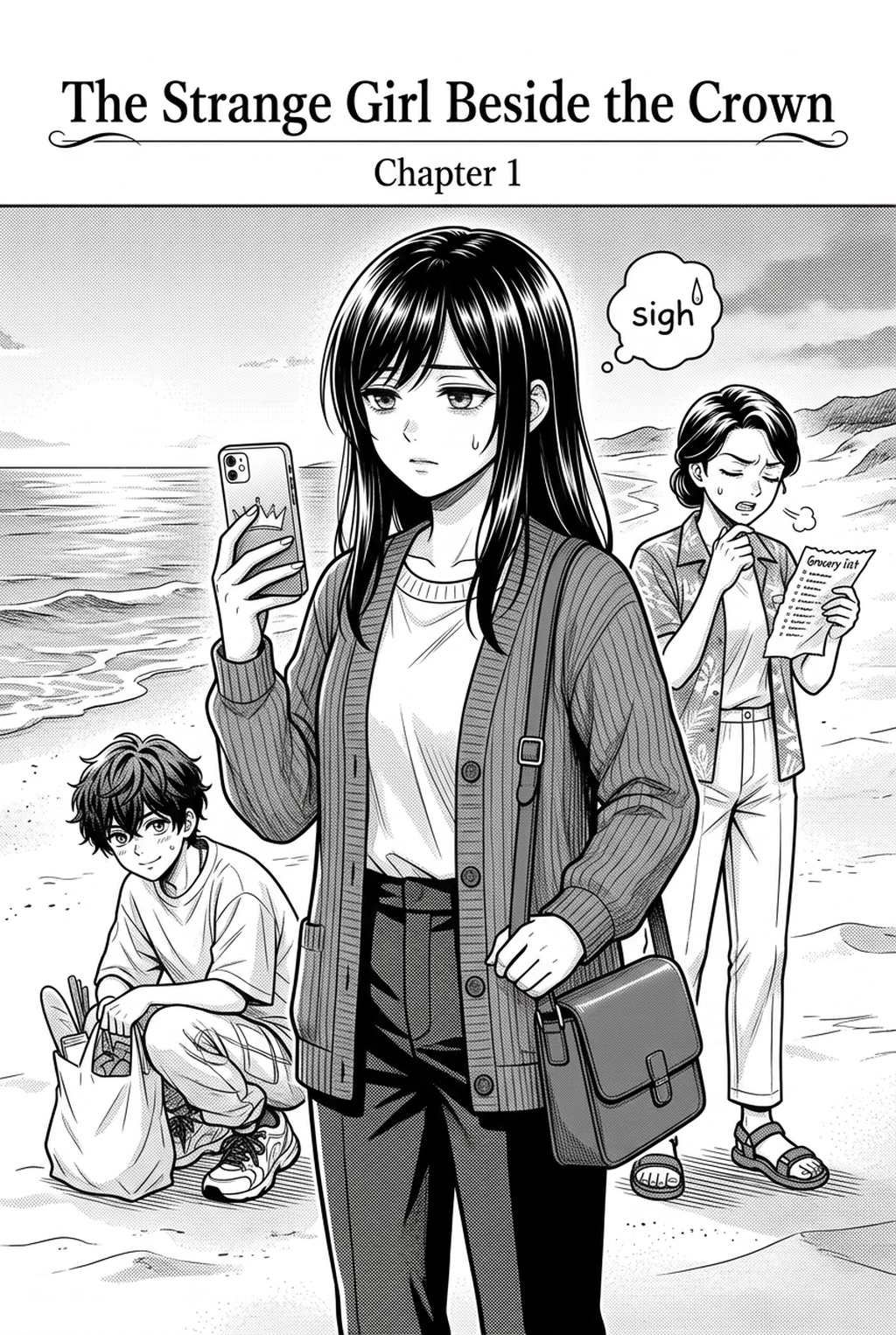
Defining the Visual Blueprint
A manga storyboard is a low-fidelity visual draft that prioritizes composition, camera angles, and text placement over aesthetic polish or ink quality. It serves as a communication tool to ensure the 'gutter'—the white space between panels—effectively dictates the reader's gaze, moving them naturally through a scene without visual friction.
- Dialogue bubble placement: Positioning text boxes during the storyboard phase prevents the common error of covering crucial facial expressions or action lines later in the inking process. * Camera framing: Defining whether a panel is a wide shot or a close-up determines the emotional weight of a scene before you commit to complex rendering. * Narrative flow: The layout must guide the reader's eye in a specific 'Z' or 'N' pattern, ensuring that the sequence of panels maintains the intended tempo of the story.
Significance for Solo Creators
Poorly planned storyboards result in severe page clutter, where the reader loses track of the action during complex combat or rapid emotional shifts. The most successful creators treat the storyboard as a precision timing mechanism, using larger, expansive panels to denote slower, impactful moments and smaller, jagged panels to emphasize high-octane sequences.
In Shonen manga, the pacing relies heavily on the 'action-reaction' storyboard loop, which allows creators to pace epic fight sequences without overwhelming the visual field. By alternating between a wide shot of a character charging a strike and a tight, claustrophobic close-up of their opponent’s panicked expression, you control the adrenaline level of the reader. Skipping this step often causes the "wall-of-text" effect, where the reader is forced to decipher chaotic, unorganized art rather than experiencing the story's momentum.
Mangaka Panel Automation
Mangaka provides an AI-driven environment that auto-arranges panels based on your specific script, removing the manual labor of resizing, framing, and aligning page elements. By automating the structural 'delivery format,' creators focus entirely on the 'source context' of their plot, allowing the tool to calculate the optimal panel hierarchy for professional-grade balance.
Eliminating Model Drift. The tool enforces consistent character proportions during the storyboard phase, a major hurdle for teams or solo creators struggling with 'model drift' in long-form serialized work. Because the software maps character landmarks onto the chosen layout, you avoid the common headache of a protagonist’s head size shifting between a wide panel and a close-up. If you want to see how these automated structures function, you can start your project at manga storyboard with Mangaka to generate your first draft in minutes.
Strategic Use Cases
Start with a 'thumb-nailing' phase to block out massive movements across the two-page spread, prioritizing the 'reveal' of dramatic plot points before adding any detail. You should evaluate your storyboard against your script to ensure that the artist has clearly defined the emotional beats for every single page.
For Seinen projects requiring high-detail backgrounds, your storyboards must include 'depth markers' so the final rendering engine knows exactly where to place environmental assets. Without these markers, your background perspectives often clash with the character foreground, resulting in a flat, artificial aesthetic that fails to capture the gritty, atmospheric realism typical of the genre.
| Stage | Primary Output | Goal |
|---|---|---|
| Blocking | Low-fidelity layout | Establish panel rhythm |
| Refinement | Depth-marker placement | Correct perspective distortion |
| Export | PSD/PDF project file | Prepare for final inking |
Check character consistency, panel readability, line quality, and export readiness before publishing. Creators should also record why the page passed review, which panel details still need manual cleanup, and which export format the next collaborator will use. That makes the subsection useful instead of leaving a short checklist under a large heading.
Beginning Your Storyboard Journey
Do not feel that you need to be a master of traditional drawing to create an effective storyboard, as the process is entirely about composition and page logic rather than technical rendering. A storyboard is a pure narrative roadmap; a sketch is merely the first step toward final art. You can test the effectiveness of your layout by showing your rough draft to a peer; if they can follow the sequence of events without reading the dialogue, your panel hierarchy is successfully performing its role.
- Before Export. Creators should compare the generated line art with the original sketch and confirm that facial expressions, props, speed lines, and speech-bubble space still support the scene. A repeatable review pass should cover character consistency, panel readability, background clarity, and whether the final file is ready for coloring, lettering, or editor feedback.
- For Longer Projects. Creators should save approved examples of line weight, face detail, clothing folds, and background density. Those references keep later chapters closer to the intended style. For collaboration, creators should mark which panels are final and which panels still need redraws. Clear status labels prevent an assistant, editor, or colorist from polishing the wrong version.
- For Publishing. Creators should review the page at the actual reading size before export. Small screens expose crowded dialogue, weak silhouettes, and line details that looked fine while zoomed in. For style control, creators should keep a short reference board beside the draft and compare hair shapes, eye details, costume folds, and texture choices before approving the final page.
The Bottom Line
The AI AI Manga Storyboard Builder workflow Builder workflow remains the single most important phase for ensuring your reader remains hooked; skipping this step often leads to messy, unreadable pages that derail your story's momentum. By utilizing an AI creator workflow Builder, you reduce blank-canvas anxiety and ensure your narrative structure is sound before investing time in ink and color. Begin your first project at manga storyboard to see how automated panel arrangements can streamline your creative process.
Related articles
Mastering Your Manga Storyboard: A Guide for 2026
Manga Storyboard Guide: Planning Narrative Layouts 2026
Manga Storyboard Guide: Master Narrative Pacing & Layout