AI Manga Character Designer: Fundamentals of Visual Character Design
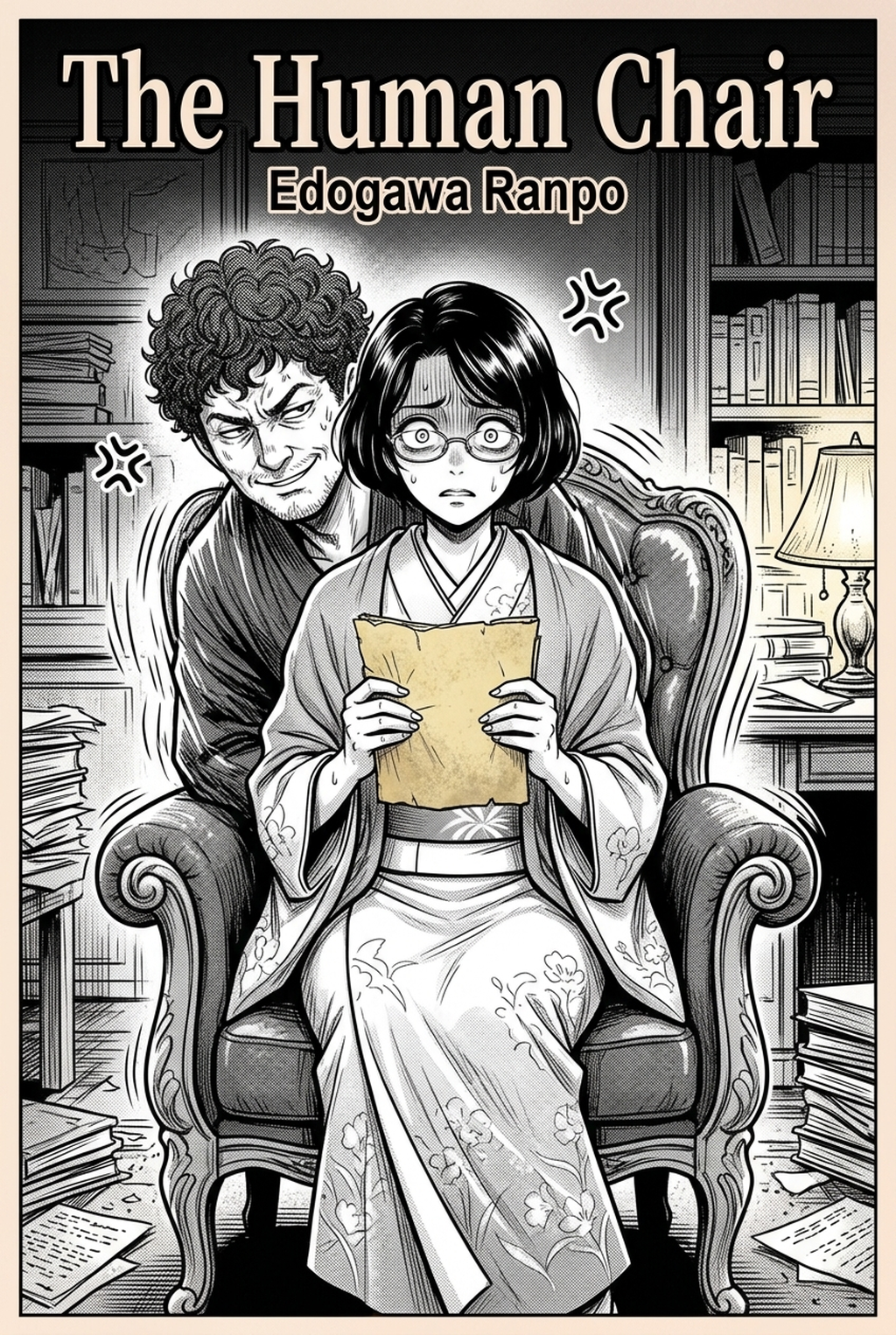
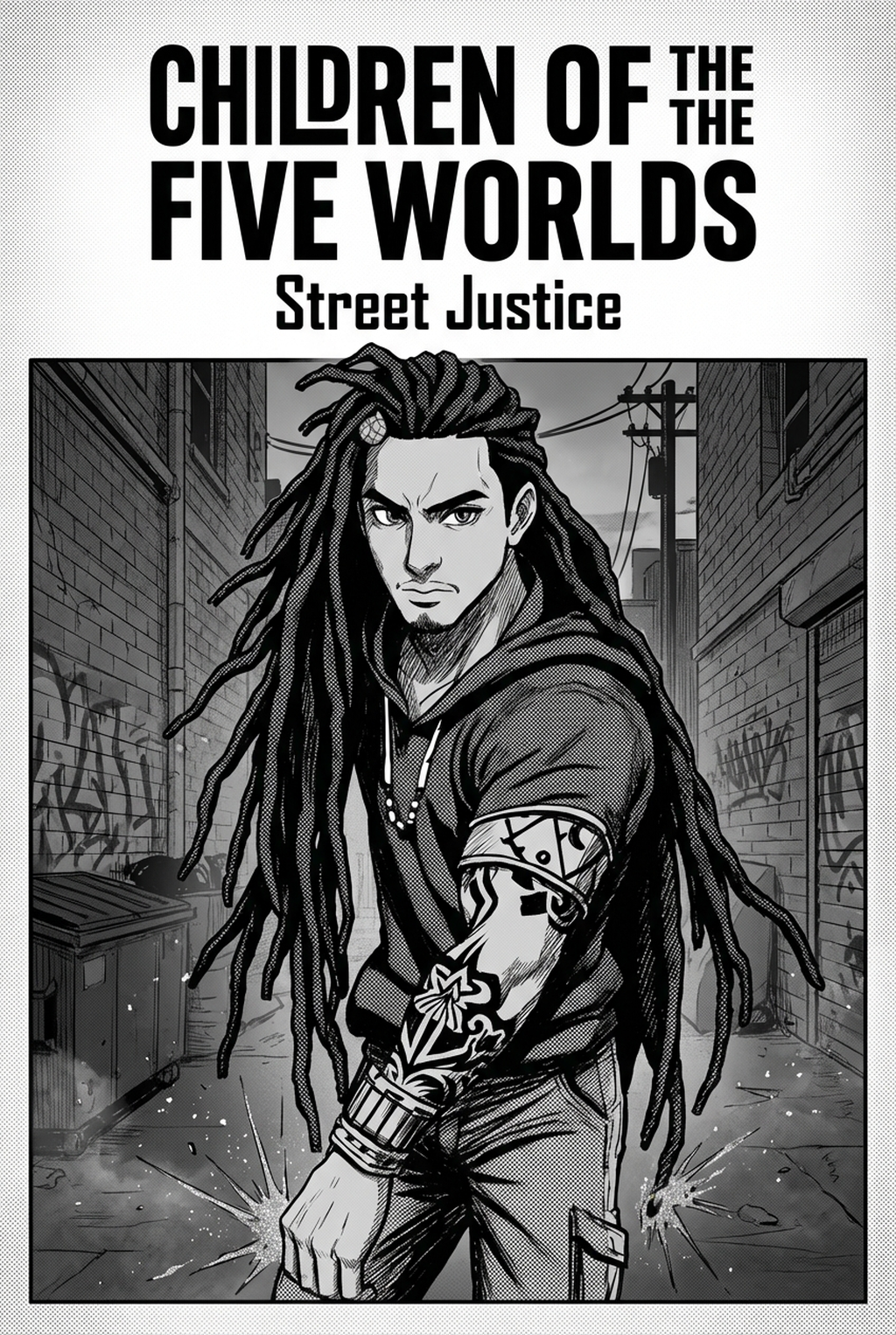
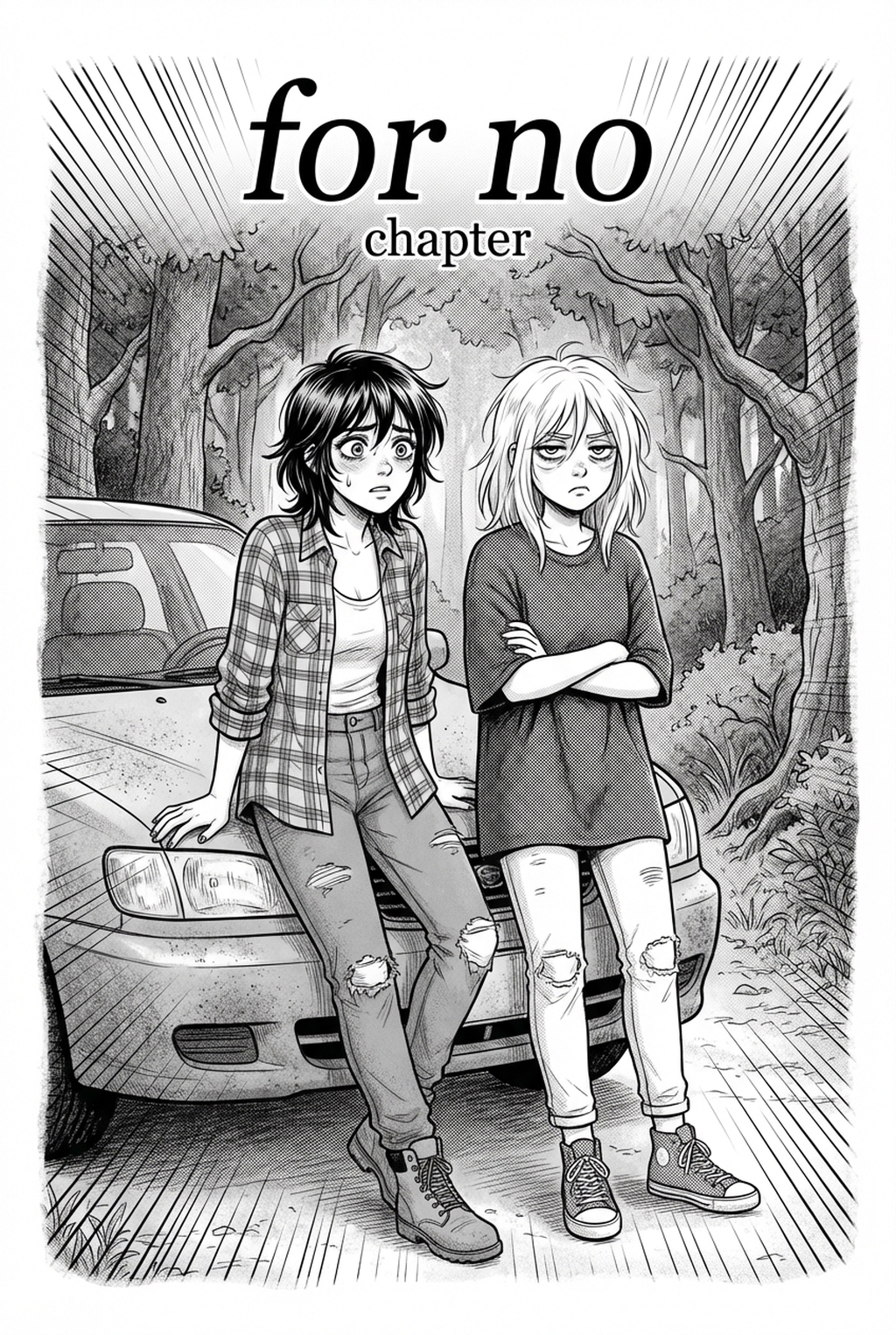
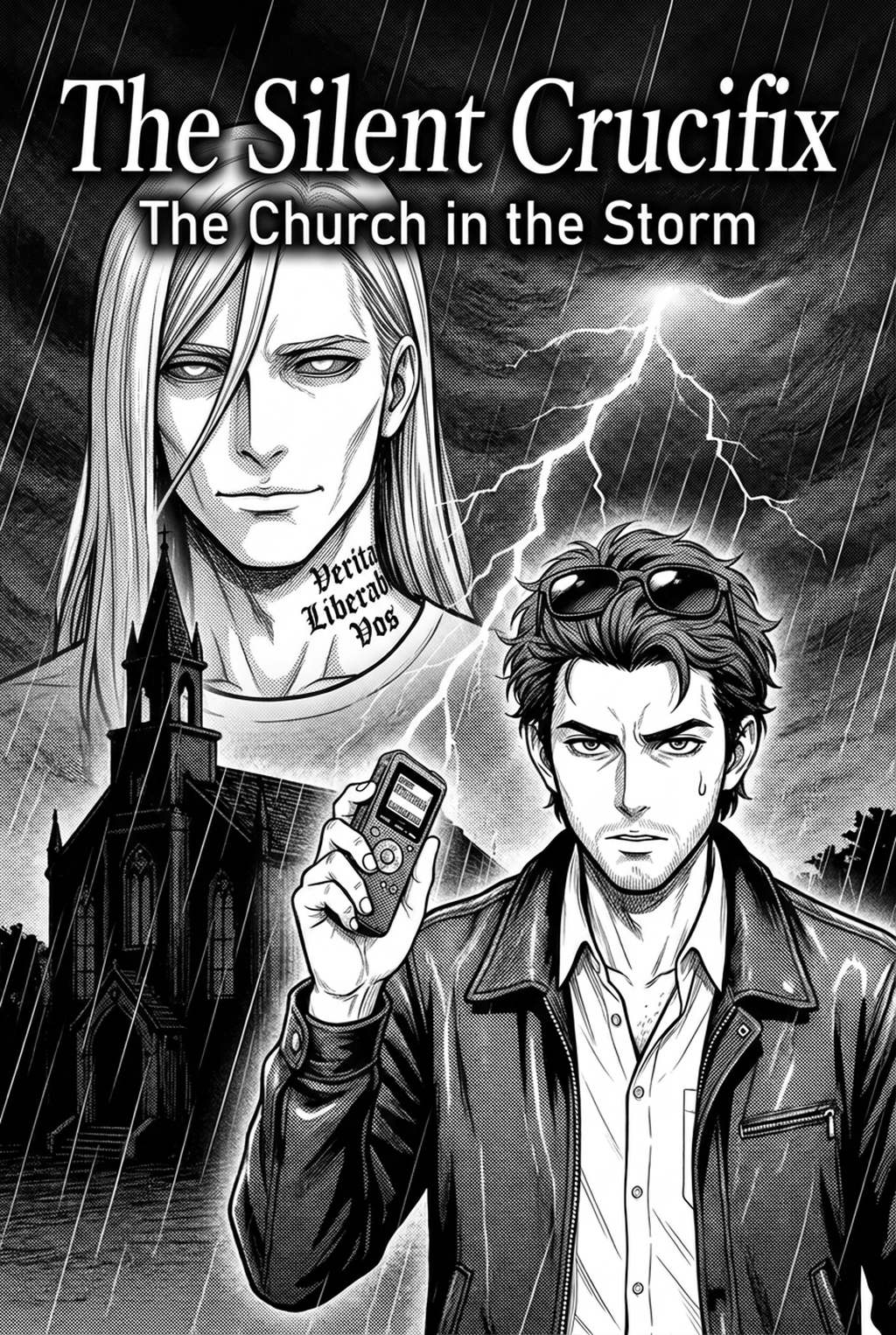
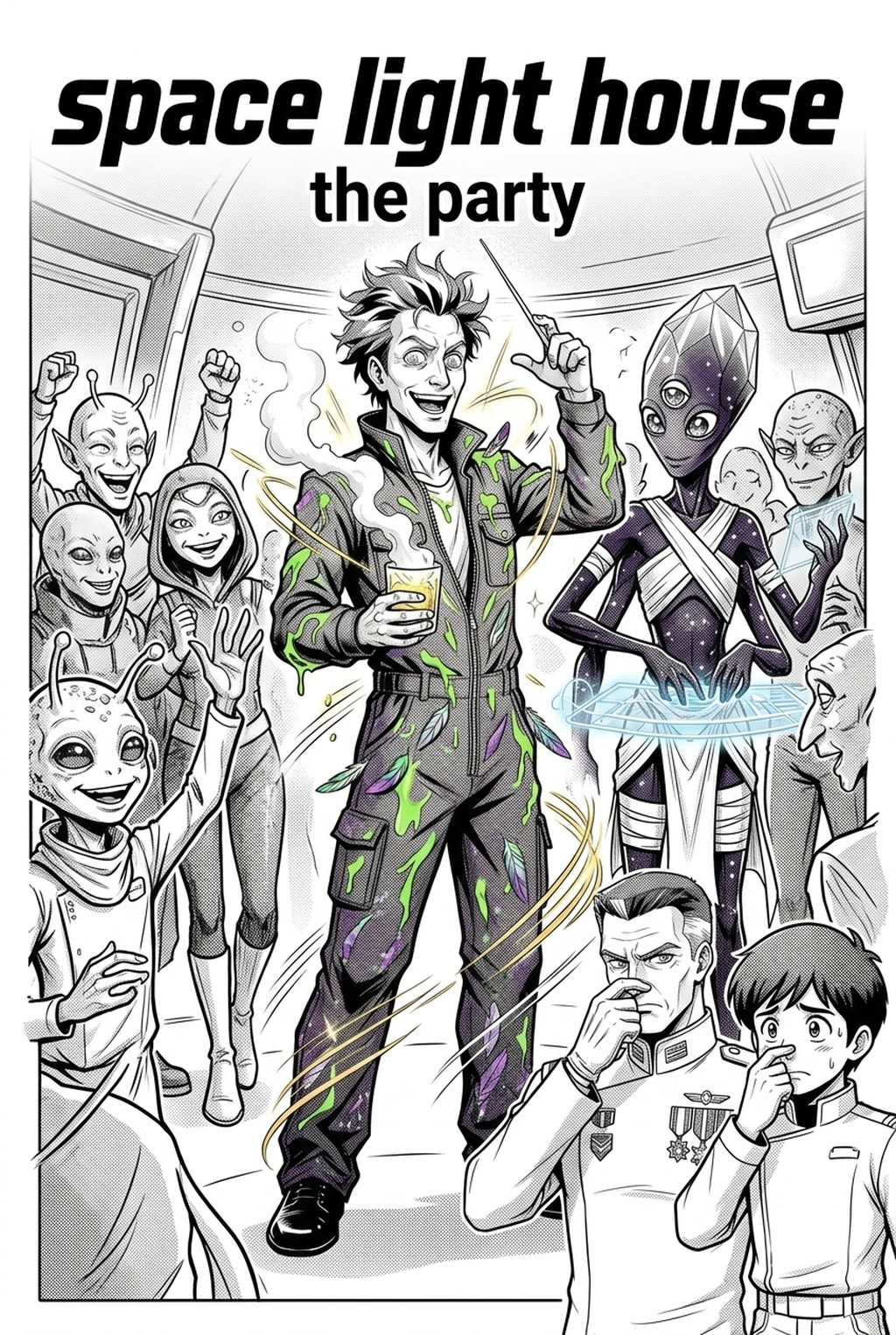
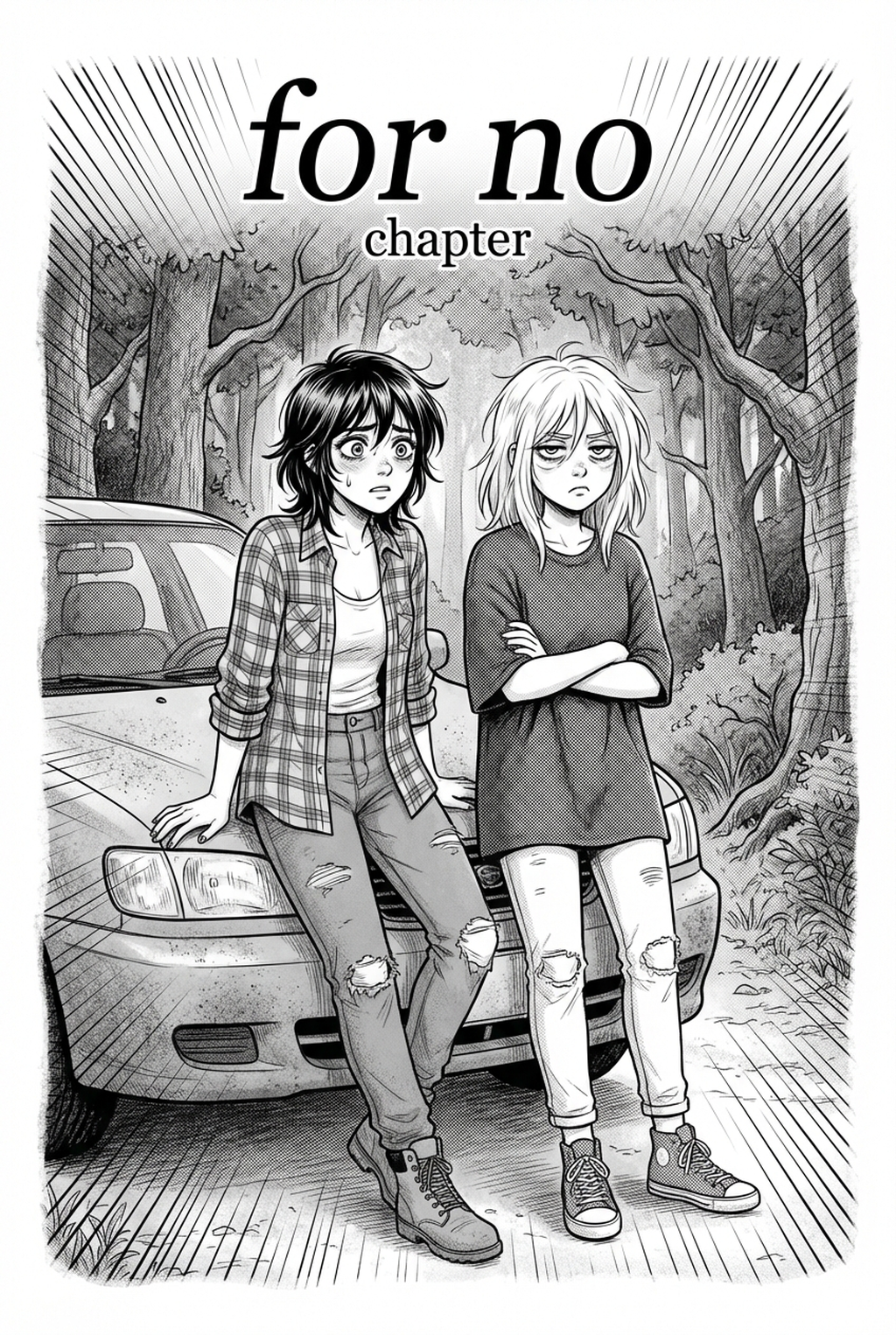
Successful character design relies on high-contrast silhouettes, distinct shape language, and recognizable facial features that remain readable across diverse panel layouts. A character must be instantly identifiable in both dynamic, motion-blurred action panels and intimate, dialogue-heavy frames.
- Shape Language Strategy: Use triangular shapes to communicate inherent threats or instability in antagonists, while circular or soft-edged designs reinforce the relatability of a protagonist. * Visual Readability Standards: Prioritize clear, simple silhouettes that ensure the character is distinct even when rendered in small background panels or compressed in a 4-panel strip. * Stylistic Distinctions: For Shonen titles, lean into heavier, more aggressive line-weight intensity to emphasize kinetic movement; in contrast, Shojo designs favor wider eye-size ratios and thinner, more delicate lines to enhance emotional expressiveness.
Why Structural Consistency Governs Serialization
The primary obstacle for independent manga creators is maintaining character consistency across hundreds of pages, which frequently leads to costly "ink-bloat" where costume details become too complex to render accurately under deadline pressure. Model sheets serve as the industry standard for mapping proportions, gear, and outfit variations from multiple perspectives, yet manual creation of these sheets is often a redundant bottleneck.
- Managing Costume Complexity: Reducing the number of fiddly accessories early in the design process prevents the common failure mode where a character's attire changes unintentionally during the inking phase. * Source Context Management: Establishing a fixed repository of character references prevents the "style drift" that occurs when an artist draws from memory rather than a verified source sheet. * Line-Weight Control: Defining a consistent stroke width for specific character elements like hair or armor ensures that the character does not look "lighter" or "darker" than the surrounding panels in the final export.
How Mangaka Optimizes Character Workflows
Mangaka automates the creation of consistent characters from text descriptions, effectively removing the technical burden of maintaining manual model sheets for every minor wardrobe change. By utilizing a standardized delivery format, creators generate side-profiles, rear-views, and varied expressions that remain faithful to the initial creative brief inputs without requiring manual cleanup.
- Seed-Locking Precision: Integrate the tool’s seed-locking feature to ensure the review owner maintains total control over character model evolution throughout the entire storyboard process. * Consistent Proportion Mapping: The system ensures that character heights and facial ratios are locked to your specific creative brief, preventing the common "proportion drift" that ruins long-term serial projects. * Workflow Integration: Instead of spending hours redrawing base frames, you can generate character variations in seconds, leaving more time for the actual inking and page-layout composition.
Use Cases for AI Manga Character Designer
Many creators suffer from over-designing, adding unnecessary accessories that are physically impossible to ink accurately in every frame under a 20-page-per-week schedule. Failing to account for the "ink-ready" stage of production often leads to conceptual designs that look vibrant in full color but fail to translate into clean black-and-white line art.
- Negative Space Utilization: Ignoring the negative space in character hair and silhouettes often muddies the panel composition, making it difficult for the reader's eye to track the character's movement. * Inking Efficiency: Designs that are too intricate often result in smudged inking during the digital coloring or shading process, as complex details become indistinguishable at typical printing resolutions. * Layout Adaptability: A design that works well in a splash-page layout might fail when cropped into a standard vertical panel sequence; use your design guide to test these extremes early.
How to Get Started with Mangaka
To begin, focus on defining the key facial features and silhouette anchors before you start the storyboard phase to avoid re-drawing entire sequences when the character model is rejected by the review owner. Once you have defined your base model, you can character design guide that act as your primary reference for every future panel you produce.
- Maintaining Progressional Consistency: The AI tool handles character evolution by locking in fixed visual traits while allowing for costume changes, ensuring that even after a time-skip, the core model remains recognizable. * Handling Complex Costumes: You can update your character’s wardrobe by modifying specific input parameters while keeping the underlying model geometry intact, which prevents the need for a full redesign. * Timing the Design Phase: Spend no more than 15-20% of your pre-production time on the model sheet; the rest should be dedicated to layout testing and storyboard flow to ensure the design actually performs well in context.
Creators should compare the generated line art with the original sketch and confirm that facial expressions, props, speed lines, and speech-bubble space still support the scene. A repeatable review pass should cover character consistency, panel readability, background clarity, and whether the final file is ready for coloring, lettering, or editor feedback.
Creators should save approved examples of line weight, face detail, clothing folds, and background density. Those references keep later chapters closer to the intended style. For collaboration, creators should mark which panels are final and which panels still need redraws. Clear status labels prevent an assistant, editor, or colorist from polishing the wrong version.
The Bottom Line
Effective character design is a balance of creative flair and technical discipline to ensure long-term sustainability throughout your series. Using AI-assisted tools like Mangaka empowers independent creators to maintain professional-grade consistency without the bottleneck of traditional, manual redrawing. You can character design guide by defining your key features, testing them against diverse panel layouts, and leveraging technology to handle the repetitive model-sheet updates.
Related articles
Character Design for Manga: A Guide to Consistent Heroes
Mastering Manga Character Design: A Guide for 2026
Manga Background Design: A Modern Guide for 2026