AI 4-Koma Strip Maker: Why AI 4-Koma Strip Maker Matters for Manga Creators
Four-panel strips offer a low-barrier entry point for creators to build a serialized audience without the demand of long-form chapter production. The episodic nature of the format allows for consistent character development while keeping weekly production time manageable for independent artists.
| Feature | AI 4-Koma Strip Maker workflow | Long-form Manga |
|---|---|---|
| Production Time | Low (Hours) | High (Weeks) |
| Narrative Arc | Self-contained | Serialized |
| Mobile Readability | Optimized | Requires Zooming |
Unlike long-form manga, these strips function as 'snackable content' perfectly optimized for social media feeds and modern vertical comic platforms platforms. Because the format is fixed, you avoid the common burnout associated with producing 20-page chapters, allowing you to maintain a consistent release schedule that keeps your audience returning for the next punchline.
How 4-Koma Manga Works with Mangaka
Modern AI tools allow creators to translate a singular punchline idea into a complete four-panel layout, drastically reducing drafting time by automating the structural heavy lifting. By providing a base punchline, the software handles the panel composition,, ensuring the narrative follows the Kishōtenketsu flow without requiring you to manually sketch every frame.
Production Efficiency and Character Consistency. The primary benefit of using 4-koma manga in your workflow is the preservation of character consistency across all four panels. Artists often struggle with model degradation—where a character looks significantly different by the fourth panel due to fatigue or drawing errors—but automated tools enforce strict adherence to your character's defined proportions. This ensures the recurring punchlines land with a familiar, professional aesthetic that audiences expect from a serialized series.
The secret to effective AI usage is 'creative brief iteration'—using specific comedic timing inputs to guide the model’s interpretation of your joke. If the twist in panel three feels weak, you can refine your inputs to emphasize a reaction shot, which is a proven psychological hook that elevates reader engagement. This process lets you focus on joke refinement and nuance rather than the labor-intensive task of inking and line-art cleanup.
Use Cases for AI 4-Koma Strip Maker
While traditionally used for comedy, the 4-panel format is increasingly used for mini-dramas and educational slice-of-life content. These versatile applications demonstrate why the format remains the gold standard for independent content creators.
- Comedy Gags: Perfect for recurring character tropes and slapstick humor. * Slice-of-Life: Ideal for documenting small, relatable daily experiences in a concise format. * Educational Summaries: Useful for distilling complex concepts into bite-sized, digestible segments. * Narrative Shorts: Effective for mini-dramas that require a faster, punchy resolution.
How to Get Started with Mangaka
Creators often worry about the learning curve associated with new technology, but the transition is usually smooth for those already familiar with traditional manga composition. Most creators master the specific Kishōtenketsu flow and the associated digital input process after producing 10-15 short strips.
Workflow Fit for Creator Output. When working on your first strip, start by defining your character sheets to ensure the software has a reference for consistent anatomy. Once your draft is generated, use the export features to pull your work into a high-resolution PNG or PDF format suitable for web publishing. This workflow allows you to finalize a complete, professional-grade strip in a fraction of the time it would take to hand-draw and ink the same content from scratch.
- Style Control: Current AI platforms use style-consistent training to ensure your characters look the same across all four panels, preventing the "drift" often seen in manual work. * Language Versatility: The structural focus of the format means your content can easily adapt to different languages or regional humor styles without losing the punchline's impact. * Platform Compatibility: Because the output is standard graphic format, it is fully compatible with all major vertical comic platforms and social media distribution platforms.
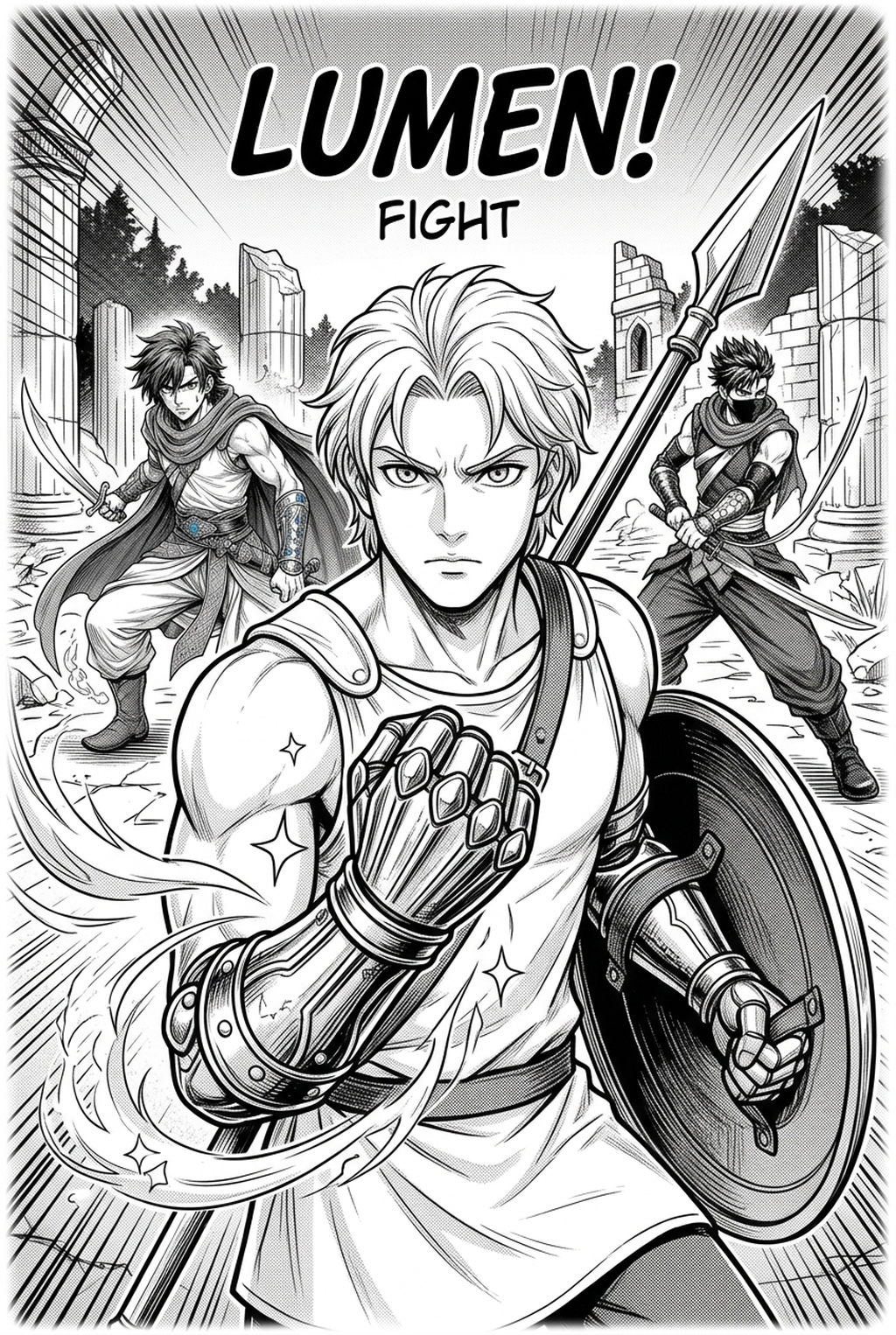
Creators should compare the generated line art with the original sketch and confirm that facial expressions, props, speed lines, and speech-bubble space still support the scene. This keeps the review focused on story intent, line weight, panel readability, and the export quality behind the final AI 4-Koma Strip Maker output.
- Before Export. Creators should compare the generated line art with the original sketch and confirm that facial expressions, props, speed lines, and speech-bubble space still support the scene. A repeatable review pass should cover character consistency, panel readability, background clarity, and whether the final file is ready for coloring, lettering, or editor feedback.
- For Longer Projects. Creators should save approved examples of line weight, face detail, clothing folds, and background density. Those references keep later chapters closer to the intended style. For collaboration, creators should mark which panels are final and which panels still need redraws. Clear status labels prevent an assistant, editor, or colorist from polishing the wrong version.
- For Publishing. Creators should review the page at the actual reading size before export. Small screens expose crowded dialogue, weak silhouettes, and line details that looked fine while zoomed in. This keeps the review focused on story intent, line weight, panel readability, and the export quality behind the final AI 4-Koma Strip Maker output.
- For Style Control. Creators should keep a short reference board beside the draft and compare hair shapes, eye details, costume folds, and texture choices before approving the final page. For revision planning, creators should separate art fixes from story fixes. Line cleanup, panel order, dialogue clarity, and character acting each need a different review question.
The Bottom Line
The 4-koma format remains the most effective way for creators to cultivate a loyal audience through consistent, high-impact storytelling. By leveraging 4-koma manga to handle the technical requirements of layout and character consistency, you can focus your energy on the creative punchlines that define your unique brand.
Related articles
Best Manga Colorist Tools: AI vs. Manual Coloring 2026
Best Manga Colorist Tools: AI vs. Manual Methods Compared
Mastering the Ninja Manga Art Style: A 2026 Creator's Guide