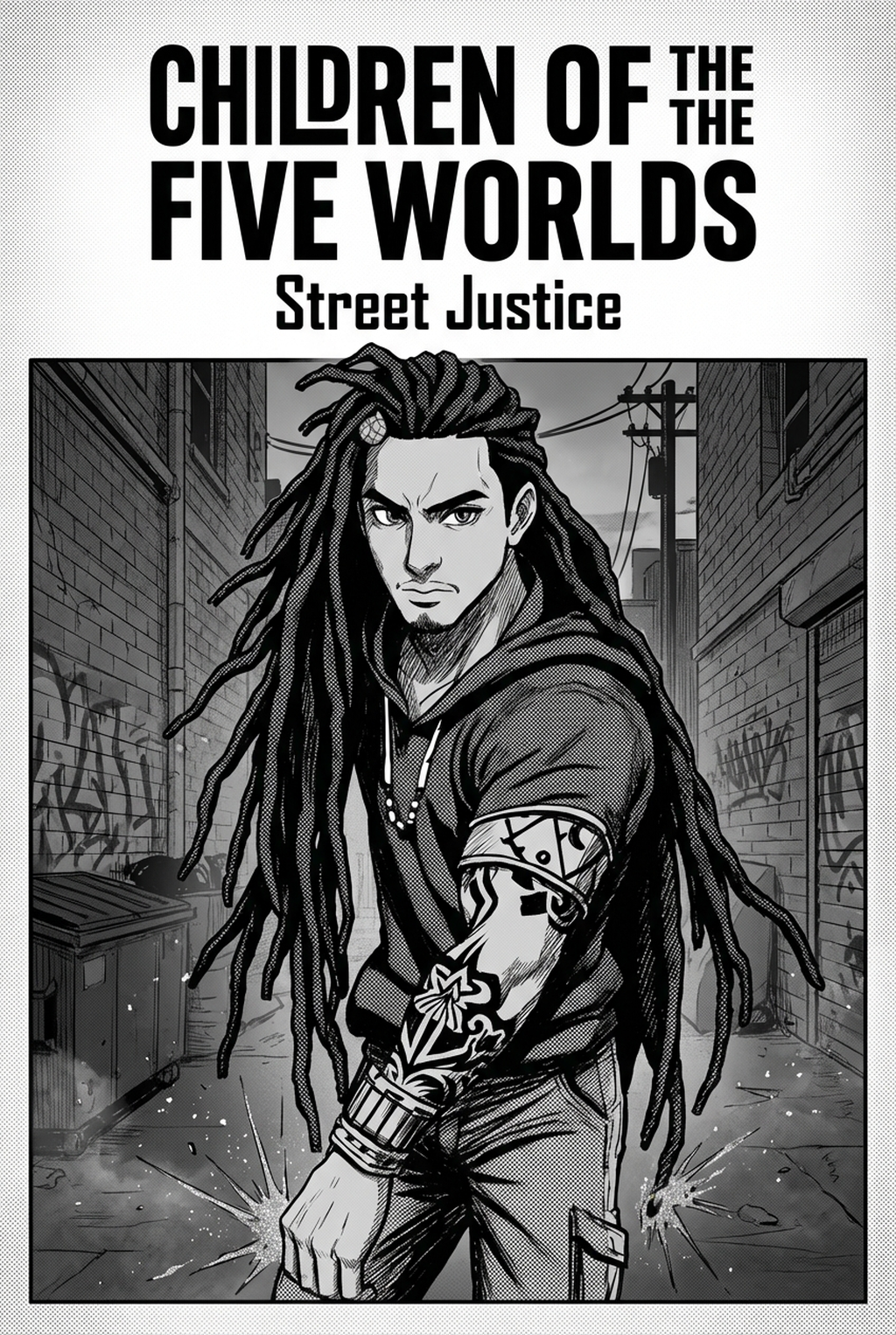
Professional AI Manga Colorist Roles
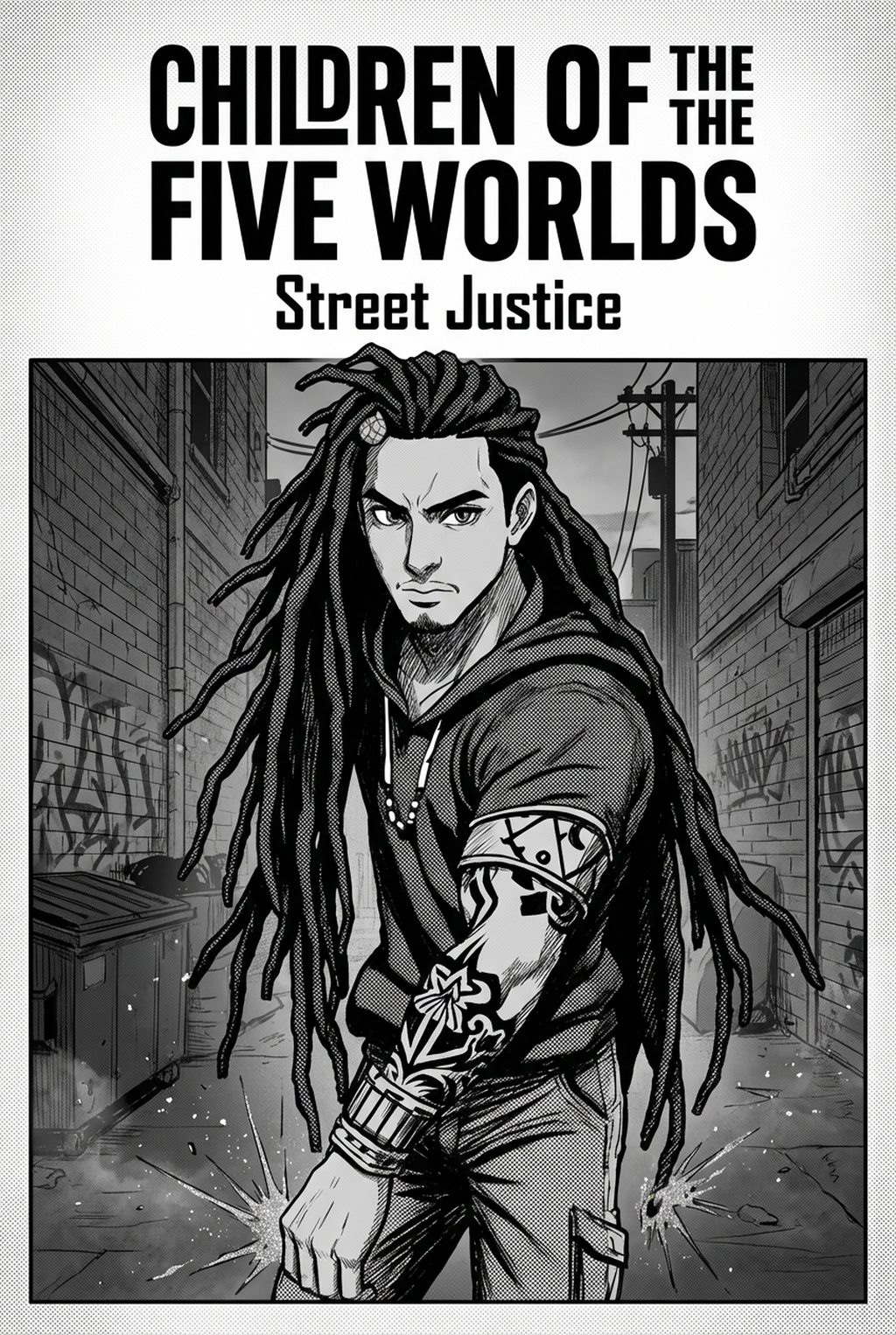
A professional in this field is responsible for more than just filling in bounded areas with color; they serve as a bridge between the draft stages and the final polished chapter. The primary goal is to ensure that the color-scripting matches the intended mood of the scene—such as cooling the palette during tense flashbacks or warming it during character-defining emotional beats—without distracting from the composition.
- Palette Strategy Development: Establishing a repeatable set of hex codes for recurring character designs to avoid color drift across multiple chapters. * Visual Hierarchy Management: Using selective desaturation and color contrast to lead the reader's eye toward the focal point of a panel. * Layer-Based Protection: Maintaining the ink layer at 100% opacity above all color fills to prevent the "smudged" aesthetic that occurs with improper flattening.
Independent creators often overlook how pacing changes when color is introduced to a monochromatic environment. A well-executed color pass dictates how quickly a reader moves through a page; for example, using high-saturation splashes on key action panels creates a "stop-and-look" effect, whereas muted colors in background panels encourage the reader to scan forward. This control over pacing is what separates an amateur digital conversion from a professional vertical comic platforms-ready asset.
Importance of Line Art Integrity
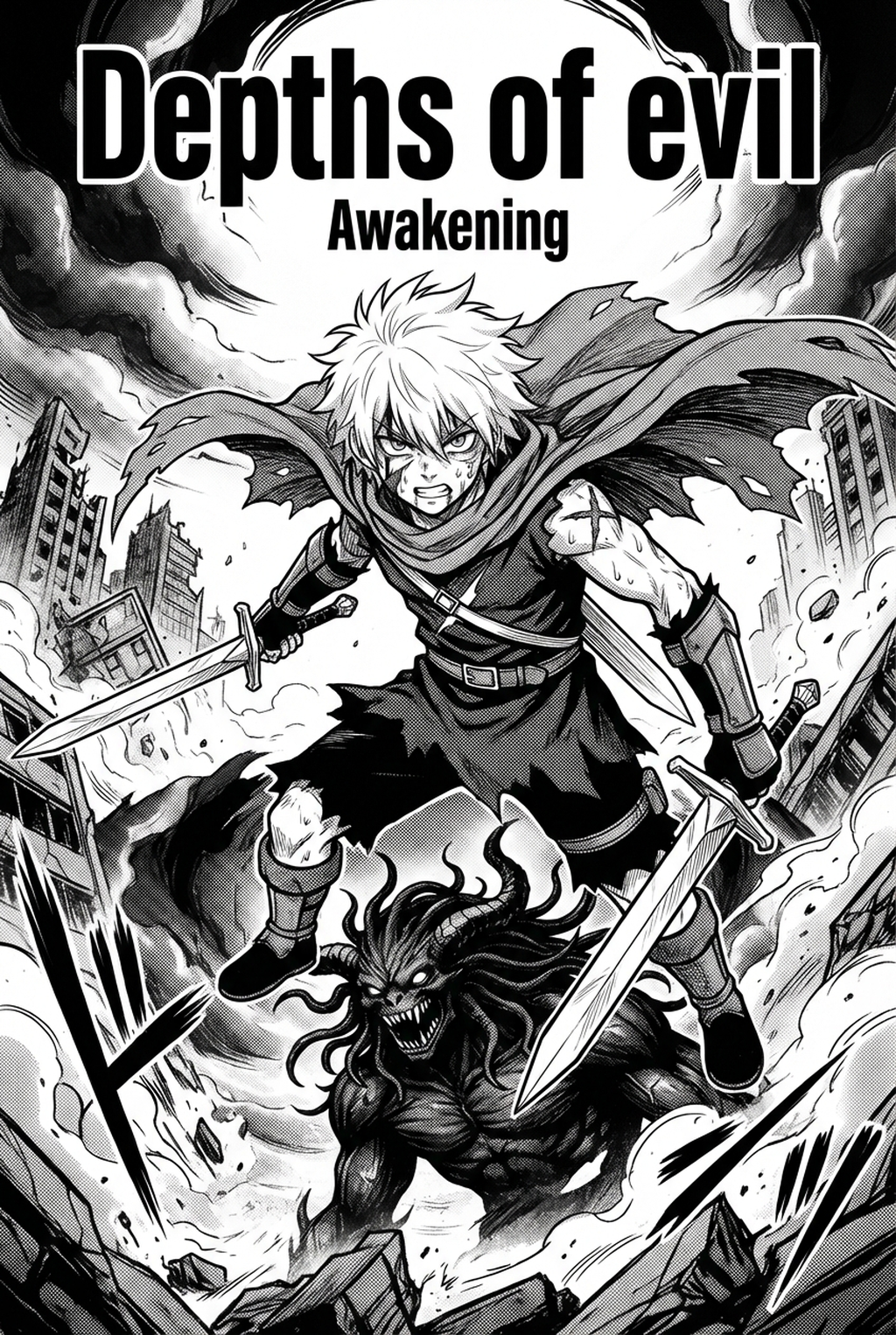
Maintaining the original ink density is the absolute benchmark of quality in modern manga production. When you apply colors beneath the lines, the software must account for the specific width of your g-pen or brush strokes to ensure no pixels are lost or blurred during the export process. If your ink-density retention is compromised, the "punch" of your original character expressions—especially in high-detail Shonen combat scenes—will vanish under the weight of the digital paint.
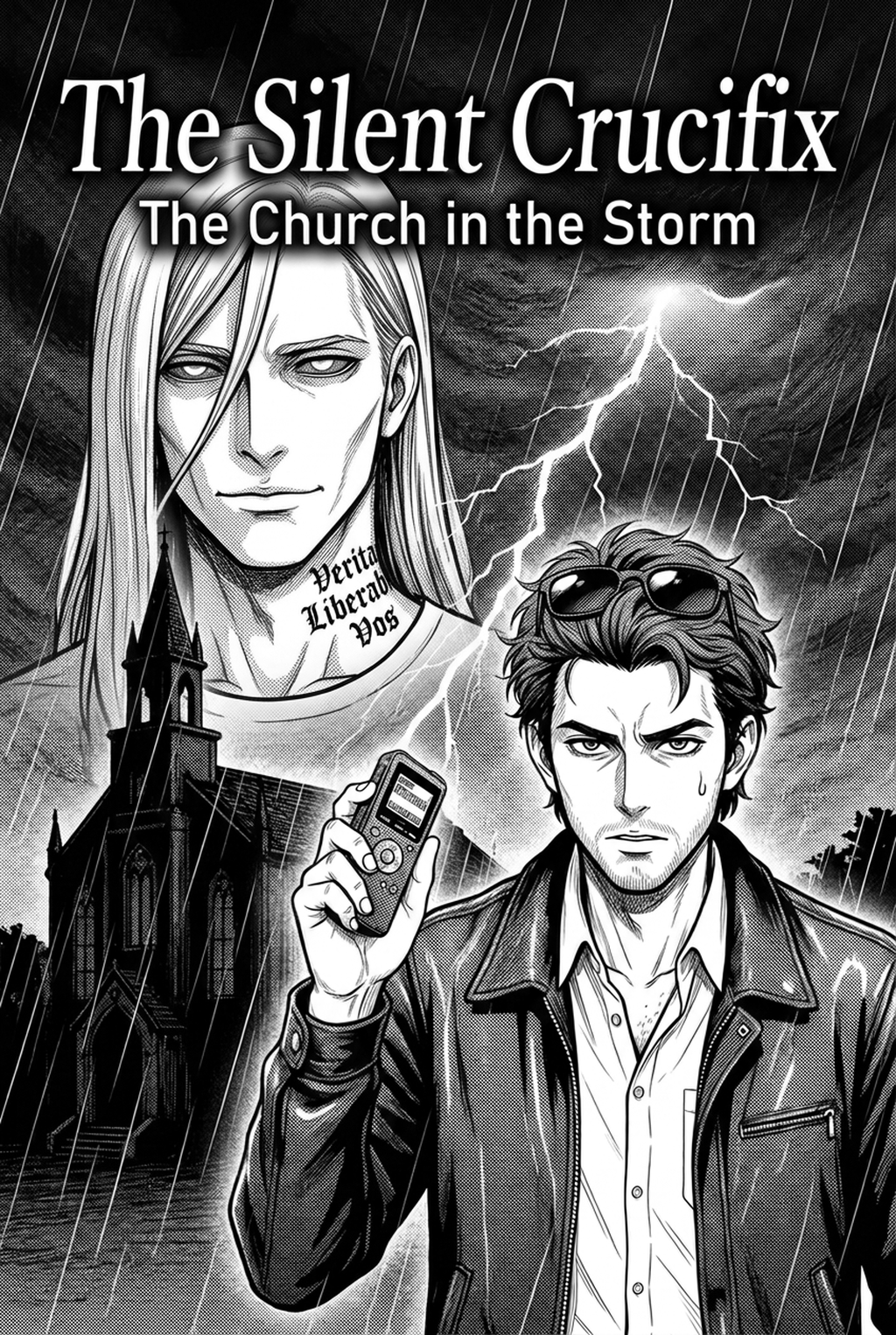
Creators frequently encounter a "digital sheen" that flattens out the contrast of hand-drawn lines. By prioritizing non-destructive layer management, you ensure that every shadow and highlight lives on a separate plane from your base ink. This allows for last-minute adjustments to the lighting mood without risking the structural integrity of your character’s silhouettes or background architecture.
Workflow Efficiency with Mangaka
Modern AI tools have fundamentally altered how flatting is performed by automating the tedious task of segmenting ink-bound regions. Instead of spending hours manually isolating every strand of hair or fold in a costume, you can use manga colorist with Mangaka to handle the base-layer application in seconds. By letting the AI handle the masking intelligence, you regain the time needed to focus on advanced creative lighting and complex color grading that actually adds value to your narrative. Automation Benefits for Indie Creators.
- Rapid Base Application: Quickly identifying bounded color zones using high-precision edge-detection algorithms. * Sharper Ink Retention: Ensuring that the AI recognizes the specific ink-line weight, preventing the erosion of fine cross-hatching or stippling. * Creative Reallocation: Moving labor-intensive flatting to the background so the artist can concentrate on final atmospheric effects and panel-wide color balancing.
Consider a 24-page chapter where each page averages 15 individual panels. For this criterion, check character consistency, panel readability, line quality, and export readiness before publishing. Creators should also record why the page passed review, which panel details still need manual cleanup, and which export format the next collaborator will use. That makes the subsection useful instead of leaving a short checklist under a large heading.
Strategic Use Cases for Colorization
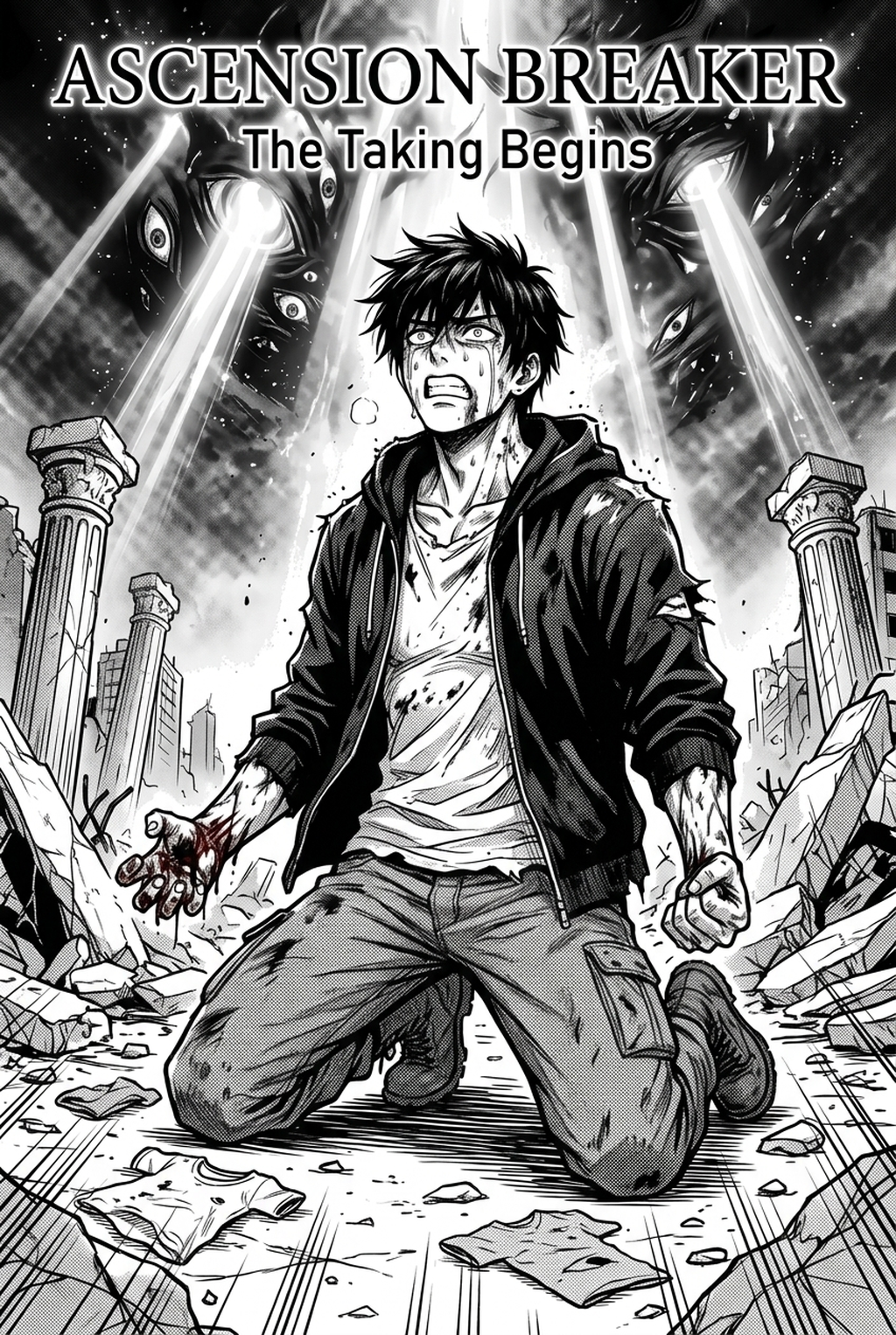
Independent creators use automated tools to scale their production to meet demanding weekly release schedules without burning out. By utilizing batch processing, you can convert an entire backlog of B&W chapters into full-color digital volumes, significantly increasing the marketability of your IP on digital platforms.
- Serialized vertical comic platforms: Accelerating the weekly output of serialized content by eliminating the manual bottleneck of character flatting. * Storyboard Communication: Rapidly applying color-coded panels to show editors the intended atmosphere of a sequence before the final inking phase begins. * Legacy Chapter Upgrades: Repurposing classic B&W chapters into premium full-color volumes for print or digital-first releases.
Getting Started with Artistic Control
The role of the creator remains central to the production process because AI acts as a sophisticated production assistant rather than a replacement for your specific stylistic vision. While the software handles the mathematical heavy lifting of color regions, you retain absolute authority over final lighting decisions, palette shifts, and emotional nuance. Modern AI tools are engineered specifically to respect the boundary between ink-filled regions and color-fill layers, ensuring that your lines remain crisp whether you are preparing a digital file or a high-resolution print-ready asset.
Creators should compare the generated line art with the original sketch and confirm that facial expressions, props, speed lines, and speech-bubble space still support the scene. A repeatable review pass should cover character consistency, panel readability, background clarity, and whether the final file is ready for coloring, lettering, or editor feedback.
Creators should save approved examples of line weight, face detail, clothing folds, and background density. Those references keep later chapters closer to the intended style. For collaboration, creators should mark which panels are final and which panels still need redraws. Clear status labels prevent an assistant, editor, or colorist from polishing the wrong version.
The Bottom Line
A successful AI AI Manga Colorist workflow workflow balances the technical demands of digital software with the artistic intuition required to drive a story’s emotional impact. By leveraging professional-grade automation to handle repetitive flatting, you free yourself to focus on the high-level color-scripting that defines a series' visual brand. When you are ready to modernize your production timeline while keeping your original inking crisp, manga colorist and see how quickly your workflow can adapt.
Related articles
What Does a Manga Colorist Do? A Guide for Creators 2026
What Is an AI Manga Colorist and How Does It Work in 2026?
Use Our AI Manga Colorist: Instant Color for Panels 2026