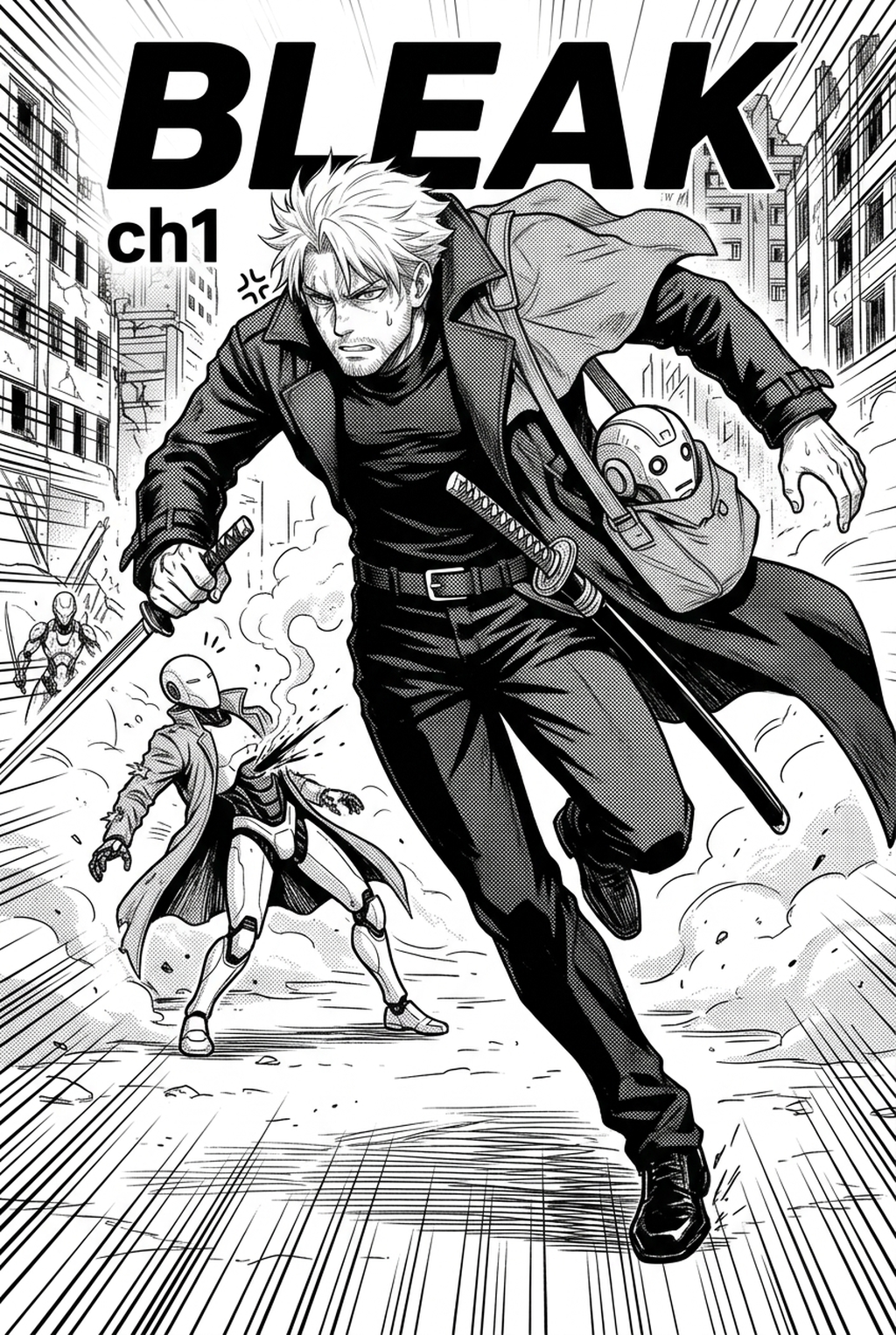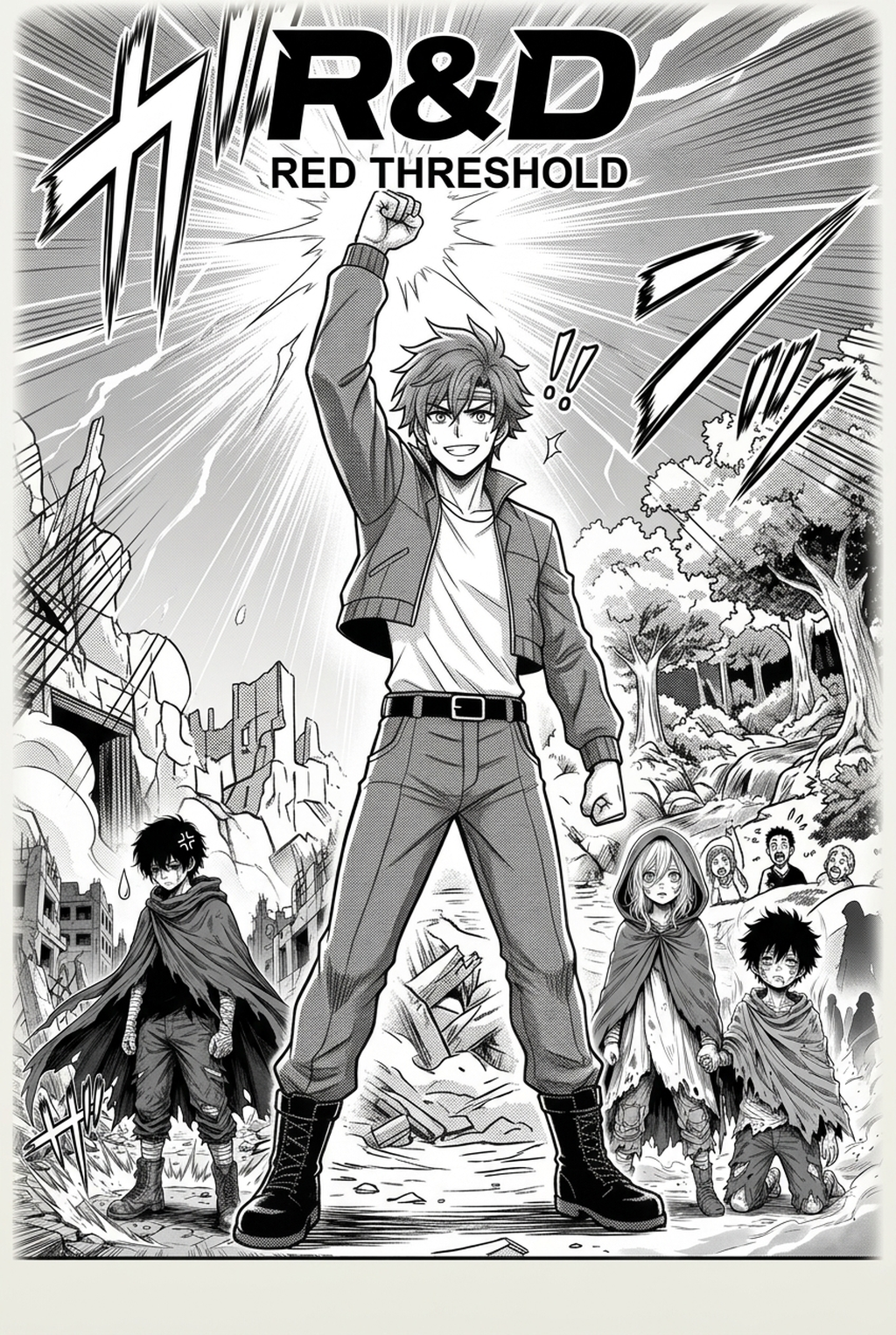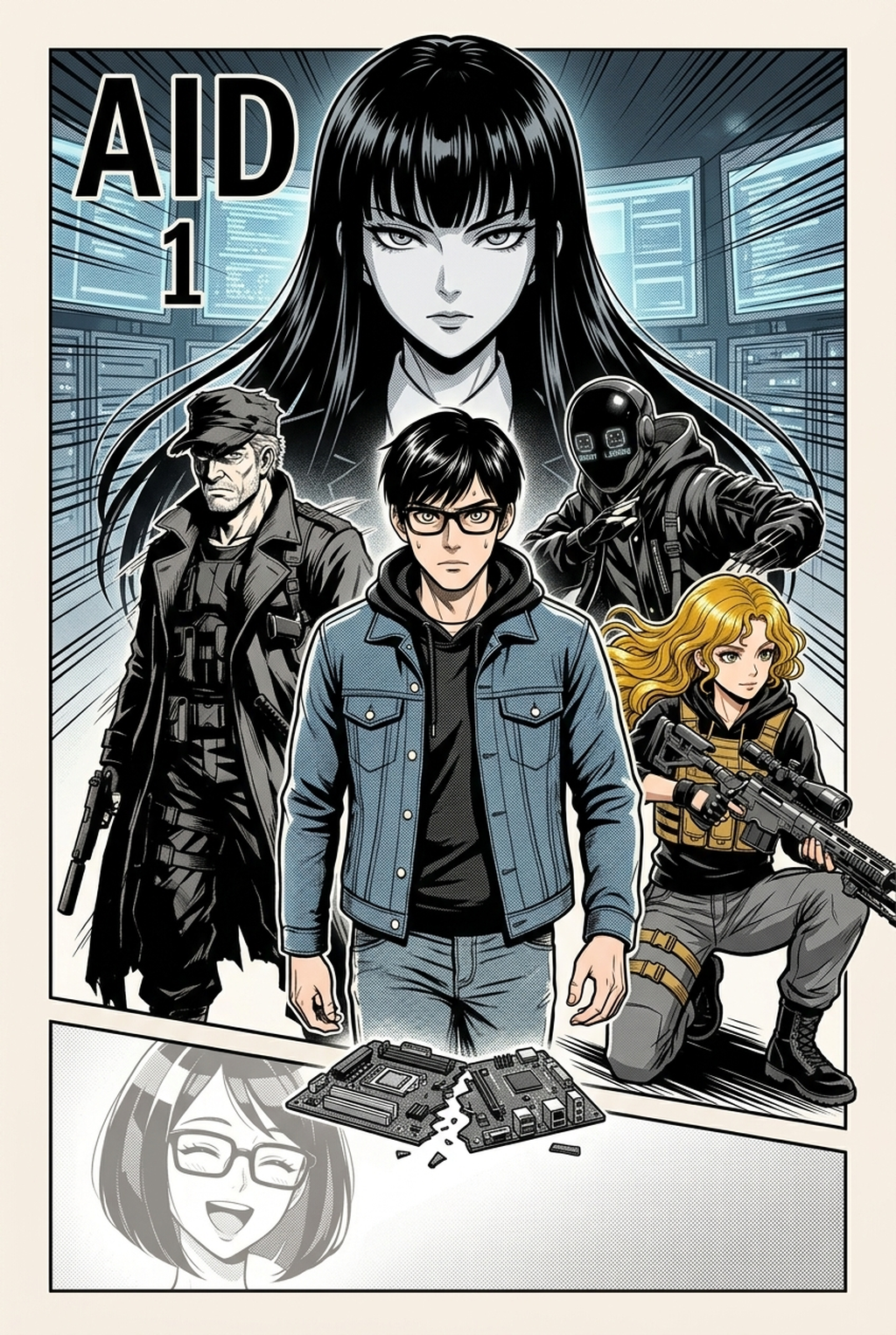
Defining the Role of a AI Manga Colorist
A professional manga colorist balances the technical requirements of file resolution with the emotional weight of narrative storytelling. You are not merely filling empty shapes with color; you are responsible for maintaining the focus on original ink work while guiding the reader's eye through lighting, shadow, and highlights.
The modern professional must reconcile the stark, high-contrast aesthetic typical of black-and-white pages with the nuanced depth of a full-color presentation. Effective coloring preserves the artist’s unique stroke styles by preventing "bleeding" into the gutters or blurring the sharp edges of defined character outlines.
Check character consistency, panel readability, line quality, and export readiness before publishing. Creators should also record why the page passed review, which panel details still need manual cleanup, and which export format the next collaborator will use. That makes the subsection useful instead of leaving a short checklist under a large heading.
Your file management strategy depends entirely on the intended distribution channel for the project. For example, a vertical comic platforms formatted for vertical mobile scrolling requires specific, vibrant color densities, while a print publication demands high-DPI output to ensure that subtle gradients do not become muddy or pixelated during the offset printing process.
Why the AI Manga Colorist Role Matters for Creators
Integrating automated tools into your production workflow acts as a force multiplier by handling the tedious flatting process, which can otherwise consume hours of manual selection. By relying on specialized algorithms to define boundaries, you reclaim the time necessary to focus on advanced color theory, such as managing the temperature of light sources or defining secondary light bounce in complex interior panels.
Long-running series face the persistent risk of drifting proportions or shifting color palettes for main character designs. Utilizing systematic coloring tools allows you to maintain rigid color scripts for characters, ensuring that a specific jacket color or hair tone remains identical from chapter 1 to chapter 50, regardless of the lighting conditions applied in individual panels.
The most common point of failure in digital coloring is the degradation of line quality, where the coloring process softens the hard edges of the ink. By using specialized software, creators can lock the master line art layers, ensuring that all color additions remain strictly beneath the ink, preserving the exact stroke character that the original artist intended.
How Your Color Workflow Integrates with Mangaka
Mangaka functions as an extension of your creative direction, transforming your raw B&W input into a polished, color-ready asset. You maintain full control over the final look, using the platform to define the palette, while the underlying engine handles the labor-intensive separation of flat areas and lighting maps.
You must adjust your color theory based on the target demographic of your project to match established visual expectations. A Seinen narrative often benefits from muted, realistic, or desaturated tones to emphasize grit and gravity, whereas Shonen titles typically demand high-contrast, vibrant palettes that signify energy, power-ups, and dramatic tension.
Efficient workflows rely on professional layering, where each color component is stored as a distinct asset. This allows you to revisit a specific panel—for instance, adjusting the saturation of a background sky—without impacting the master line work or needing to re-render the entire page. By keeping your source context separated, you ensure that you can make late-stage creative adjustments to individual elements like clothing or magical effects even after the initial coloring is complete.
Use Cases for Your Coloring Workflow
- Accelerating production schedules: You can import a 20-page chapter and apply base colors to the entire batch in a fraction of the time required by manual flatting. * Maintaining specific artistic styles: You keep your hand-drawn aesthetic intact because the system recognizes and locks the original line-weight, preventing the "blur" associated with low-quality filters. * Iterative creative direction: Use the tool to generate variations of lighting on a single panel, allowing you to review and select the mood that best fits your narrative beat.
Human oversight remains the final requirement for any professional workflow. While AI serves as a powerful accelerator for base-layer application, you must provide the creative nuance—such as deciding where a shadow should break or how much highlight is needed on a character’s eyes to convey specific emotion. You can explore how your own line art adapts to these workflows at AI AI Manga Colorist workflow workflow with Mangaka to see the immediate improvement in your page quality.
Creators should compare the generated line art with the original sketch and confirm that facial expressions, props, speed lines, and speech-bubble space still support the scene. A repeatable review pass should cover character consistency, panel readability, background clarity, and whether the final file is ready for coloring, lettering, or editor feedback.
Creators should save approved examples of line weight, face detail, clothing folds, and background density. Those references keep later chapters closer to the intended style. For collaboration, creators should mark which panels are final and which panels still need redraws. Clear status labels prevent an assistant, editor, or colorist from polishing the wrong version.
The Bottom Line
Transitioning your manga production to include AI-assisted color work allows you to achieve studio-grade results without compromising the artistic voice that defines your work. By automating the flatting phase and focusing your effort on high-level direction, you can significantly reduce your production time while simultaneously increasing the visual polish of your final pages. If you are ready to see how your specific line art translates into full-color, you can manga colorist and see the impact on your next release.
Related articles
Mastering the Dystopian Manga Art Style for Your Series 2026
Professional Manga Colorist Workflow: Automate in 2026
Mastering the Samurai Manga Art Style: A Style Transfer