What Is Horror Manga Character Design?
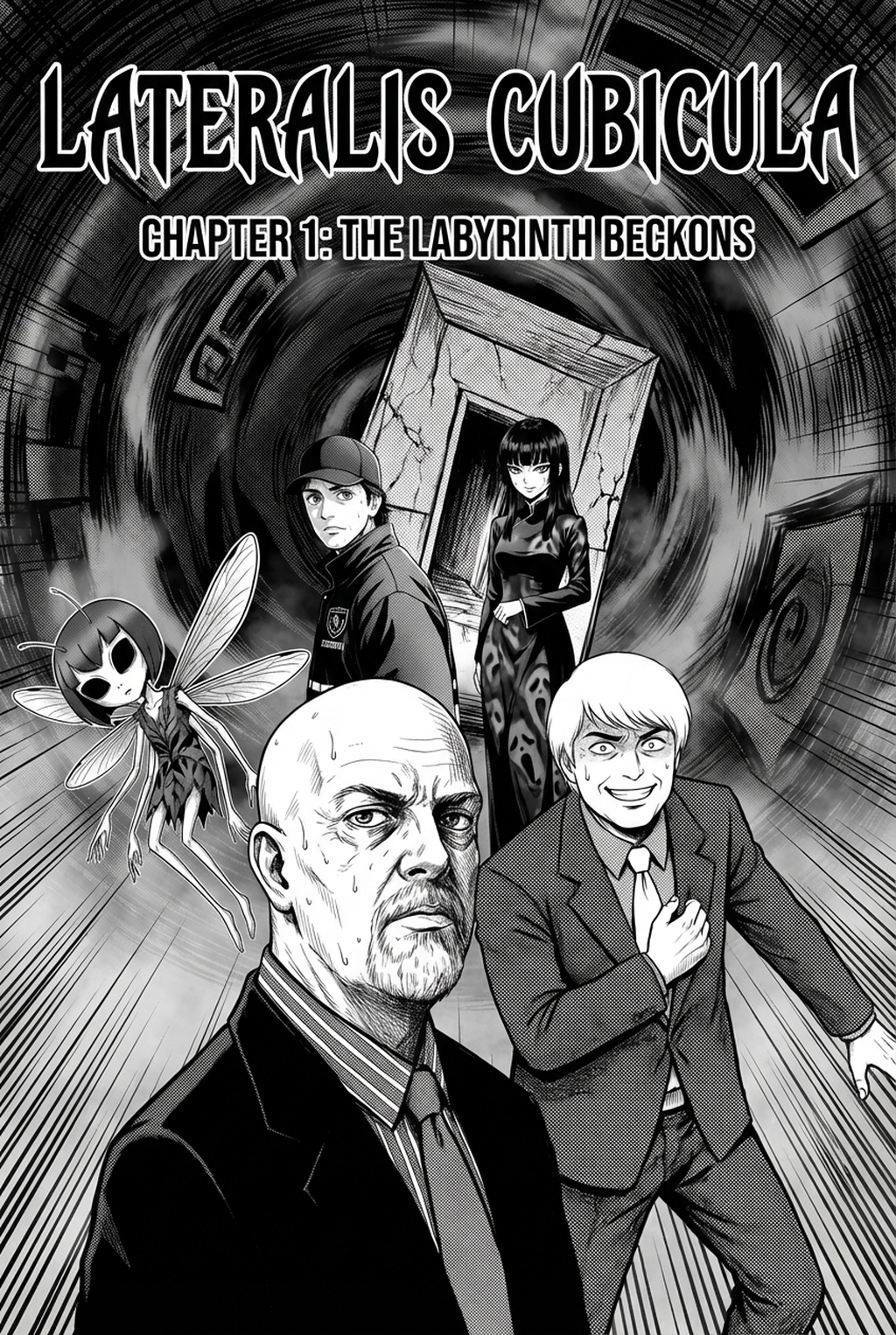
Effective horror character design thrives on the Uncanny Valley, leveraging human recognition against mutated features to force a fight-or-flight response in the reader. Designers achieve this by embedding biological dissonance—such as asymmetrical pupils, non-human joints, or inconsistent lighting—that directly subverts expected human anatomy.
- Shadow-heavy eyes: Obscuring the iris or pupil masks intent, forcing readers to project their own fears onto the character. * Jarring skeletal posture: Using angles that defy biomechanical logic makes an entity appear physically impossible to exist in a 3D space. * Corrupted innocent archetypes: Taking a standard, comforting silhouette and introducing "rot" or "voids" creates a stronger repulsion than a generic monster.
Why AI Manga Character Designer Matters for Manga Creators
Consistency in horror is not about rigid adherence to a clean model, but about managing the 'decay rate' of a character's form. If your antagonist changes shape, the modification must be intentional; if a character loses a digit or gains an extra set of ribs, that change serves as a narrative signpost for infection or encroaching madness.
Maintaining anatomical coherence across multiple panels is critical because if a reader suspects your art has "drifted" accidentally, the horror factor collapses into a technical critique. By anchoring the entity’s core dimensions—such as torso height and primary silhouette—you ensure that when a character does break their form, the impact remains focused on the narrative terror rather than a perceived drawing error. Establishing a clear visual threat signature early in your serial allows you to build sustained dread without exhausting your reader with excessive, redundant gore.
How Horror Manga Character Design Works with Mangaka
Mangaka automates the heavy lifting of keeping your terrifying entities physically consistent while you focus on pacing and panel tension. When working on a scene where a creature stalks a protagonist, you can input descriptive text for 'distorted anatomy' or 'shadow-draped facial features' to iterate on the entity's look without manually redrawing every frame.
This approach turns abstract psychological notes into concrete visual assets, bridging the gap between a written script and a high-fidelity page layout. You can refine your character sheets within horror manga character design to ensure the entity maintains its horrific signature features, such as specific jagged textures or ocular abnormalities, across every panel. By managing these character assets centrally, you eliminate the technical bottleneck of manual redrawing and maintain a professional finish across your final exports, whether you are outputting to high-resolution PNGs or printer-ready PDFs.
Use Cases for AI Manga Character Designer
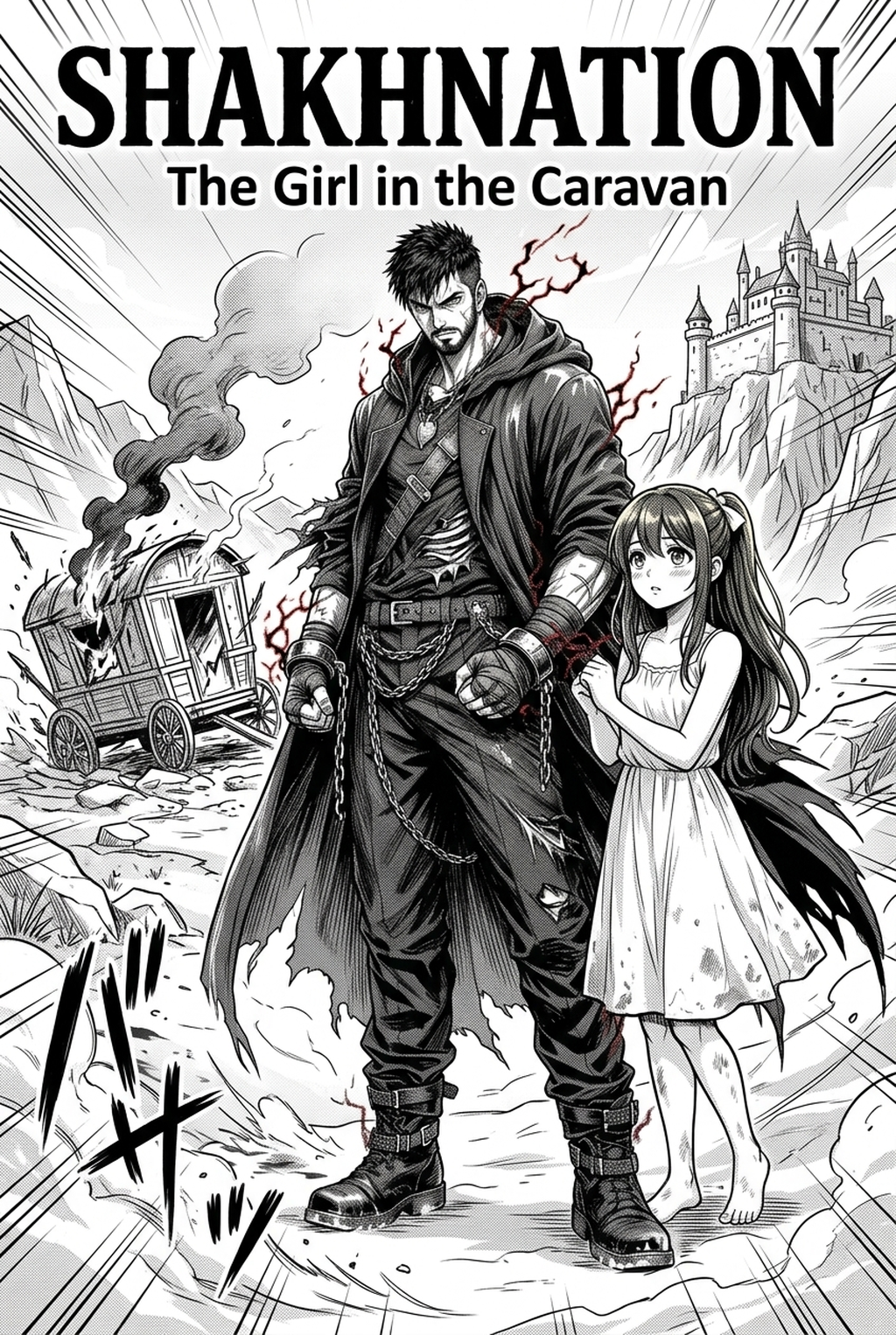
Your protagonist should embody 'vulnerable' design choices, typically utilizing neutral clothing and predictable expressions to emphasize their ordinary life before the encounter with the supernatural. Contrast this ordinary humanity against the 'opposing logic' of your horror entities, which should prioritize jagged lines, noise-heavy textures, and hyper-detailed monstrosity.
- Human Lead: Keep lines clean, uniform, and grounded in realistic proportions to invite reader identification. * Supernatural Entity: Introduce high-contrast shadows and irregular, broken geometry to make the creature feel "wrong" in the environment. * The Contrast Point: Use Mangaka to contrast a clean-lined lead against a noise-heavy, hyper-detailed entity, creating a clear visual hierarchy that directs the reader’s eye directly to the source of fear.
How to Get Started with Mangaka
Maintaining a unique horror style is achievable by uploading your own art as a reference context, allowing the system to learn your specific line weight and shading habits. This process does not replace the necessity of studying anatomy; rather, it acts as a creative partner that understands that to effectively "break" a form, you must first understand the structural rules of the human body.
- Specific descriptors: Avoid generic creative briefs. Use hyper-specific labels like 'symmetrical eye-glitch,' 'Victorian-era fabric decay,' or 'emaciated skeletal structure' to push the generation toward a distinct, non-generic result. * Consistency checkpoints: Treat each character design pass as a review gate for your overall visual tone. * Style adaptation: Use reference uploads to ensure that whether you are drawing a suburban home or a dark forest, your monster's shading style feels like it belongs in your specific, terrifying world.
- Before Export. Creators should compare the generated line art with the original sketch and confirm that facial expressions, props, speed lines, and speech-bubble space still support the scene. A repeatable review pass should cover character consistency, panel readability, background clarity, and whether the final file is ready for coloring, lettering, or editor feedback.
- For Longer Projects. Creators should save approved examples of line weight, face detail, clothing folds, and background density. Those references keep later chapters closer to the intended style. For collaboration, creators should mark which panels are final and which panels still need redraws. Clear status labels prevent an assistant, editor, or colorist from polishing the wrong version.
- For Publishing. Creators should review the page at the actual reading size before export. Small screens expose crowded dialogue, weak silhouettes, and line details that looked fine while zoomed in. This keeps the review focused on story intent, line weight, panel readability, and the export quality behind the final AI Manga Character Designer output.
The Bottom Line
Mastering creator workflow requires a delicate balance between intentional biological distortion and rigid visual consistency. By automating the repetitive elements of your design process, you keep the horror fresh and visually arresting without becoming lost in technical rework. Start your next project by defining your central fear element and use the horror manga character design to build a supporting cast that keeps your reader perpetually unsettled.
Related articles
Manga Character Design: A Beginner’S Guide for 2026
Manga Character Design: A Guide to Consistent Visuals 2026
Character Design for Manga: A Guide to Consistent Art 2026