What Is AI Manga Storyboard Builder for Shojo Manga?
Reader expectations should shape how creators review pacing, expression, and genre clarity after generation. MyAnimeList manga news keeps that audience context visible, so Shojo pages should be judged by whether readers can follow the action, character role, and visual rhythm.
The Anime News Network feature on how manga is made describes manga as staged work from rough draft to finished page. That production context matters for Shojo creators because AI assistance is useful only when the sketch, inking pass, and final page review stay connected.
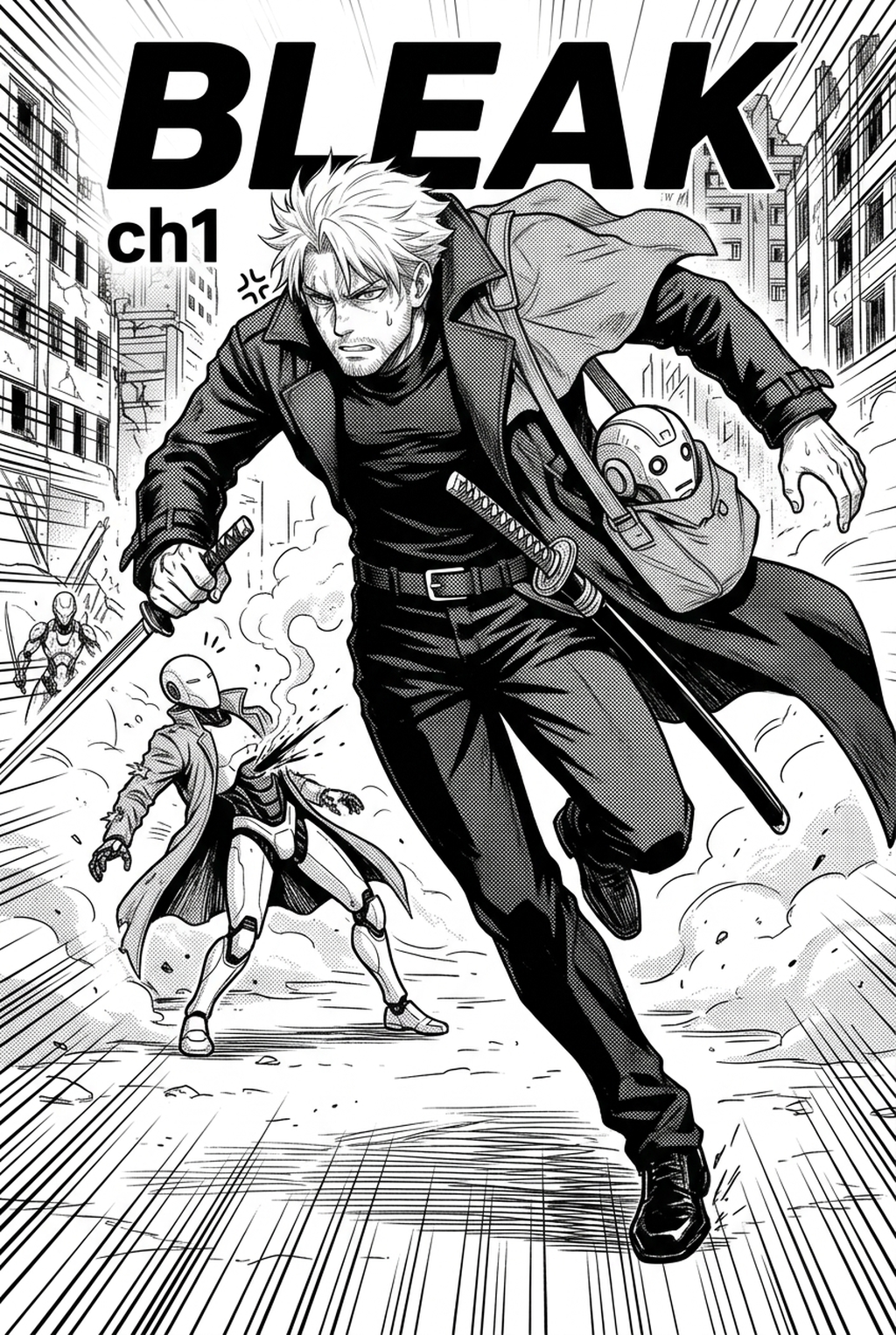
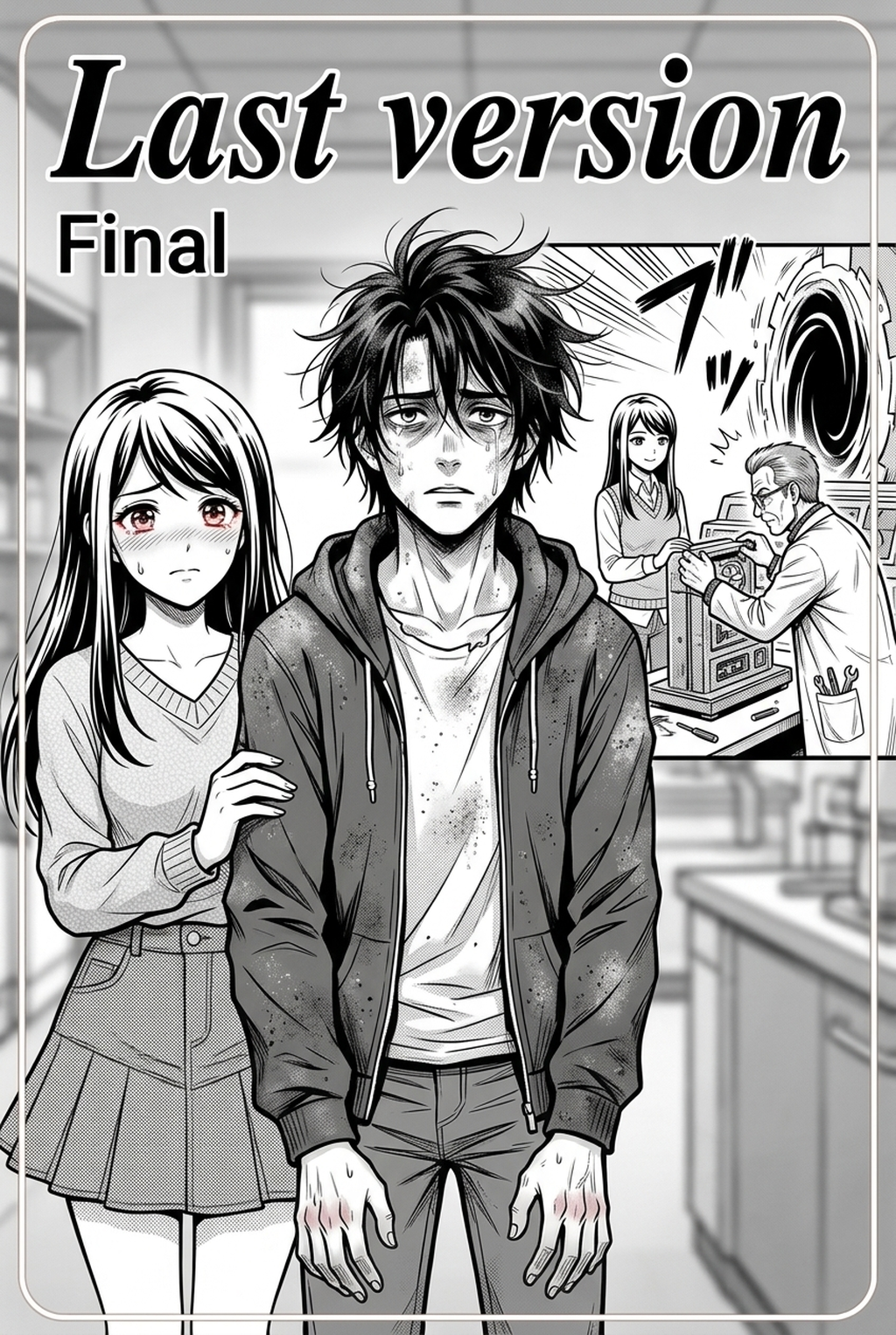
A useful manga workflow ties setup, review responsibility, and export conditions to the page a creator needs to finish. That keeps the decision focused on sketch cleanup, character intent, panel readability, and the publishing handoff. An AI storyboard builder is a specialized design tool that parses your narrative script and automatically structures it into a professional manga layout. Unlike standard image generators that focus on single-frame aesthetics, these builders prioritize narrative flow, panel size variance, and the specific visual tropes essential to Shojo, such as flower motifs, large emotional close-ups, and sweeping background shifts.
Why AI Manga Storyboard Builder Matters for Shojo in 2026
How AI Manga Storyboard Builder Works for Shojo in Full Color Manga
You can achieve high-fidelity results by integrating automated layout tools into your creative production process. By using a AI Manga Storyboard Builder for Shojo manga with Mangaka to define the visual structure of a scene, you ensure that the emotional beats of your character interactions remain the focal point, while the AI manages the technical complexity of full-color paneling. The core strength of a modern storyboard builder lies in its ability to interpret narrative dialogue and automatically calculate the necessary panel weight.
In Shojo, this often means creating long, vertical panels for introspective moments or sudden, wide panels to highlight a character's blush or dramatic realization. The AI interprets these script cues to build a layout that mimics professional industry standards, ensuring the viewer's eye follows the emotional journey exactly as intended. Beyond mere structure, managing color palettes and character models across multiple pages is a significant hurdle for indie projects.
Advanced builders provide consistency layers that ensure a consistent "look" for your protagonist’s school uniform or the soft, pastel hues characteristic of the genre. Because the structure is defined during the storyboard phase, you reduce the risk of erratic character proportions or disconnected color schemes, leading to a much more polished final product.
Use Cases for AI Manga Storyboard Builder
Use cases are strongest when the story goal, genre expectation, visual risk, and final export format are clear. A useful example names the page detail a creator checks before the page moves into lettering, coloring, or publishing. * Rapid Prototyping of Romance Arcs: Quickly visualize how a confession scene plays out across four pages to decide if the emotional payoff hits hard enough.
- Developing Cinematic Cutaways: Use automated layout suggestions to insert stylistic, non-dialogue panels like falling cherry blossoms or sunset silhouettes that emphasize mood. * Consistency Check for Character Designs: Run your character sheets through the builder to ensure that your lead’s hair and costume details remain consistent from frame to frame. * Volume Pre-visualization: Build out entire chapter sketches in minutes to get an overview of the chapter’s "breathing room" before committing to final line art.
Step-By-Step Guide to Start with Mangaka
Hands-on drawing control still matters after an AI first pass because creators may need to adjust line weight, cleanup, and export settings. The Wacom comic and manga creation guide anchors that review in practical art production rather than broad AI-image claims. Generation Setup and Final Export.
Start by preparing the creative brief, reference notes, character constraints, and export target before generation. The setup matters because a clearer brief gives the review pass something specific to judge: silhouette, expression, panel readability, and file readiness. Getting your project off the ground is a straightforward process designed to minimize technical overhead and maximize creative output.
- Sign up: Create an account on the platform to begin your project workspace.
- Paste or upload: Input your script or scene notes directly into the interface.
- Generate and download: Let the tool arrange the panels and provide a high-resolution export for your final refinement. Release cadence belongs in the production context for manga tools. For creators, the useful product question is whether pages stay readable when schedule pressure rises. Export quality depends on whether the creator can still adjust cleanup, line weight, and handoff settings after AI assistance. Ties that point to drawing practice instead of broad AI-image claims.
Creators should define the scene goal, character references, page count, reading direction, and target Full color manga. That gives AI Manga Storyboard Builder enough context to support the story instead of producing disconnected panels. Creators should check line weight, facial expression, pose clarity, panel order, and space for dialogue before export. Those checks matter more for Shojo pages because action beats and emotional pauses need to read quickly. For comparison, a useful tool should save time without flattening the creator's style.
The best choice keeps the first pass editable, makes revisions visible, and leaves final judgment with the artist. Creators can use each revision decision to clarify panel readability, character consistency, and export quality before publishing or sharing. For production, creators should keep a small reference sheet for recurring characters, outfits, props, and backgrounds.
That makes it easier to compare generated pages and decide which panel needs a redraw. For export, creators should confirm the final PNG, PDF, or editable file can move into lettering, coloring, or layout cleanup without rebuilding the page. A clear export routine keeps the next chapter faster.
Creators should separate story feedback from art feedback. One pass can focus on pacing, another on panel readability, and a final pass on file quality before publishing or sharing. For style control, creators should compare the generated page against the intended genre mood rather than judging only technical polish. A clean page still needs the right energy, expression, and visual rhythm.
Master Delicate Floral Accents and Emotional Romance Pacing with Mangaka.app
Shojo manga thrives on delicate psychological resonance, expressive character gazes, and ornamental decorative screentones that mirror emotional interiority. Mangaka.app provides the dedicated sequential production engine built specifically for shojo manga and comic creators:
- Delicate Emotional Pacing & Gutter Dissolves: Compose open, borderless emotional panels and soft diagonal cuts that emphasize romantic tension and internal monologues.
- Expressive Eye Sparkle & Hair Detail: Lock intricate shojo character aesthetics—including shimmering ocular highlights and flowing hair silhouettes—across delicate character interactions.
- Ornamental Floral & Tone Overlays: Integrate shimmering sparkles, rose screentones, and soft feather gradients directly into the layout without destructive layer flattening.
- Non-Destructive Romantic Typography: Position soft whisper balloons and organic curved dialogue tails that flow naturally alongside character glances.
The Bottom Line
A useful creator workflow keeps the story goal, visual style, and review step clear before export. AI Manga Storyboard Builder gives creators a faster first pass without removing the final human review. Start creating with AI Manga Storyboard Builder for Shojo manga when you are ready to turn the reviewed idea into finished manga pages. Test it with one real page goal, one reference boundary, and one export requirement so the decision stays tied to production quality.