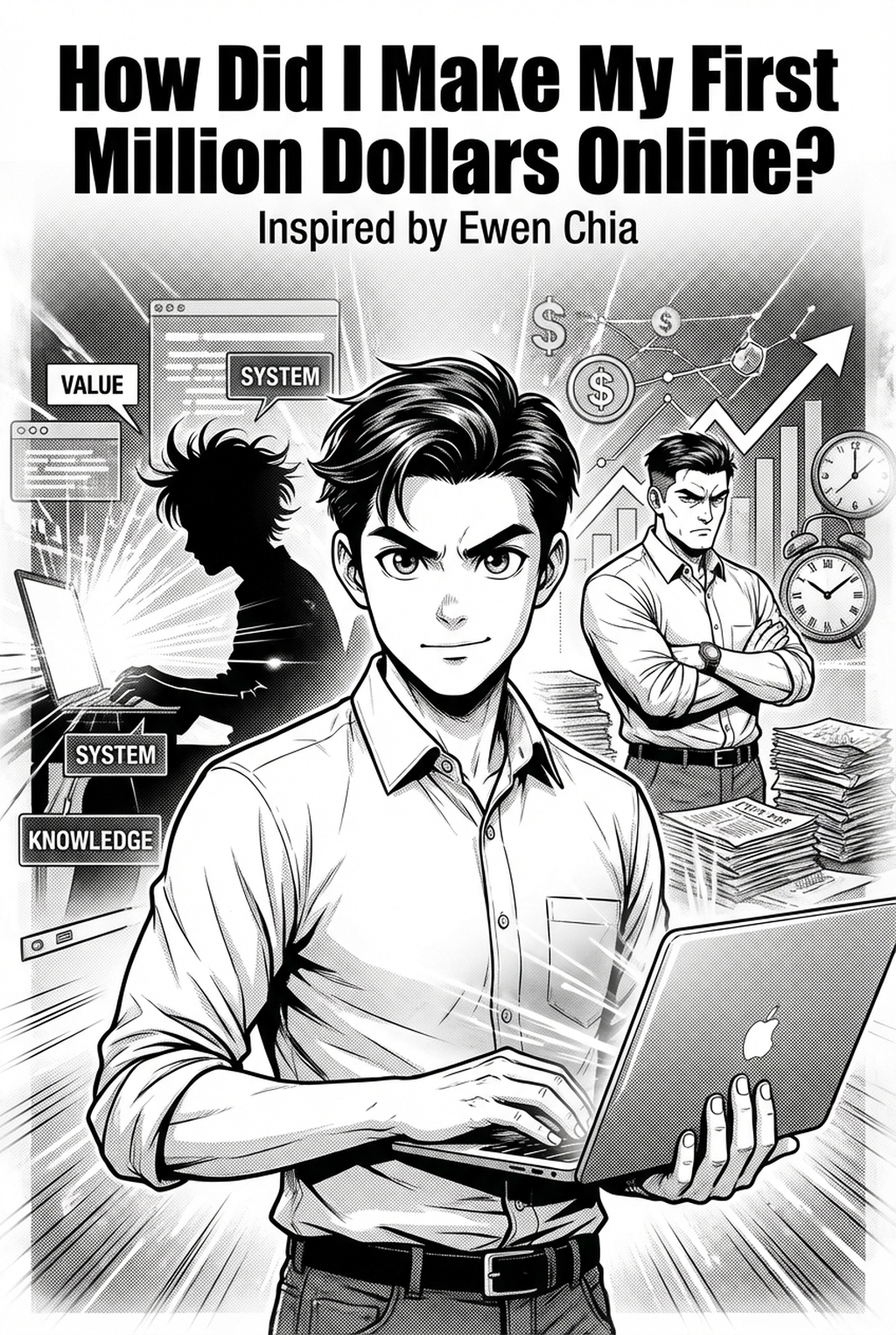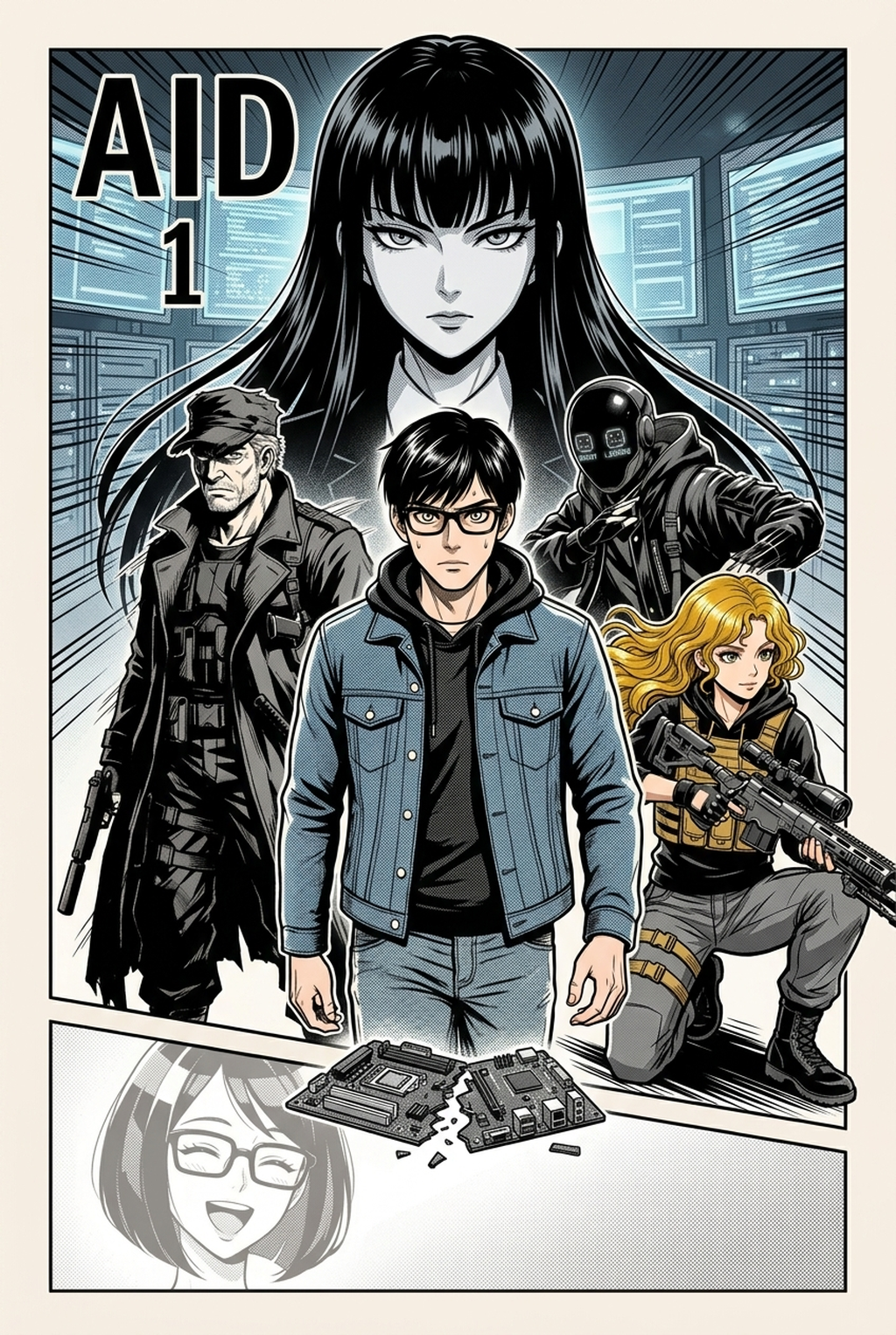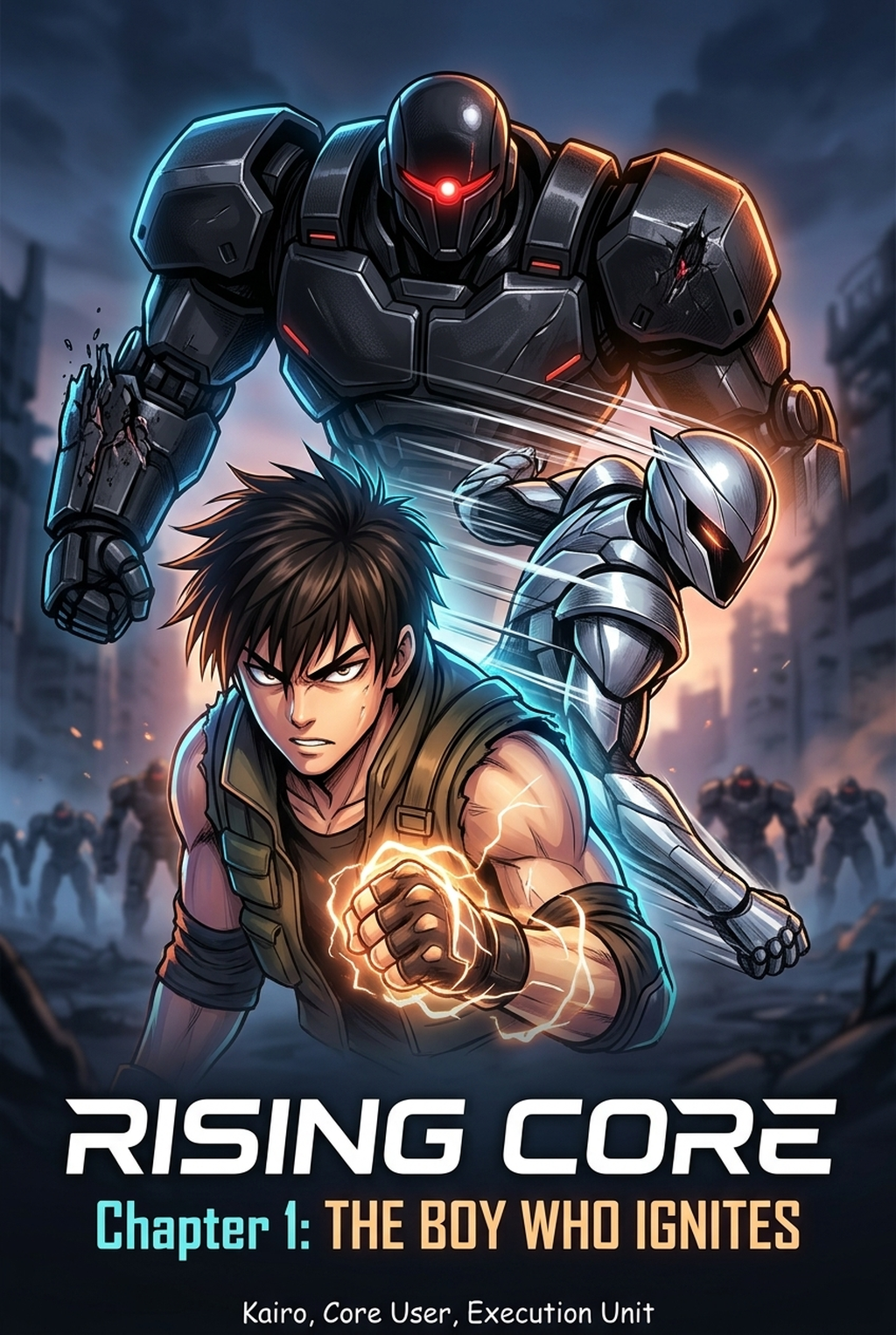
The Foundation of AI Manga Storyboard Builder
A professional manga storyboard prioritizes visual velocity and panel hierarchy over high-fidelity line art, acting as the blueprint for your finished chapter. It serves as the primary tool for mapping narrative beats, establishing which character movements deserve full-page impact and which dialogue sequences function best in condensed, high-density grids.
Strategic planning during this stage allows you to define where the 'action flow' happens, ensuring your reader’s eye moves naturally across the page from the top-right entry point toward the bottom-left exit. Without a clear map, you risk losing momentum in the middle of a chapter, particularly when transitioning from dialogue-heavy exposition to high-stakes action scenes.
Why Narrative Planning Matters for Creators
Effective narrative pacing prevents 'flat' chapters by utilizing varied panel sizes to signal shifts in emotional intensity, time progression, or environmental context. By pre-defining your layout, you ensure that pivotal narrative events occupy the 'Golden Zones' of a page, which typically reside in the bottom-right corner or center of a two-page spread.
Creators must actively prevent 'page-turn lag' to keep readers hooked, which requires structural awareness of your cliffhangers. * Verso Positioning: Ensure high-tension reveals or shocking dialogue lines are placed at the very end of verso (left-side) pages to maximize the impact of the physical page turn. * Spread Continuity: High-stakes emotional beats should span the center gutter to avoid awkward cutoffs, forcing a panoramic reading experience that slows the reader down at key moments. * Visual Rhythm: Alternating between expansive, silent panels and tight, text-filled grids maintains interest, preventing the monotony that causes readers to skim through your work.
How Storyboard Tools Function with Mangaka
Mangaka functions as an AI-powered engine that algorithmically calculates panel arrangement to align with specific genre requirements, such as the rapid-fire action sequences of Shonen or the slow-burn, dialogue-focused pacing of Slice-of-Life stories. By automating the technical geometry of your layout, the tool removes the manual trial-and-error often associated with creating perspective-heavy panels or complex multi-page spreads.
Using digital assistance allows you to verify that your chosen composition holds up before you ever start inking. * Logical Continuity: The platform provides flow analysis to verify that the spatial relationships between your characters remain consistent across multiple frames. * Rapid Prototyping: You can generate multiple variations of a complex scene layout in seconds, enabling you to test which configuration provides the best narrative punch. * Artistic Focus: By offloading the burden of gridding and alignment, you can devote your energy to fine-tuning character expressions and intricate background details.
For creators looking to streamline their production, you can AI AI Manga Storyboard Builder workflow Builder workflow with Mangaka to maintain absolute control over your narrative architecture. This keeps the review focused on story intent, line weight, panel readability, and the export quality behind the final AI Manga Storyboard Builder output.
Common Use Cases for AI Manga Storyboard Builder
Many creators fall into the trap of over-crowding their panels, which leads to reader fatigue and a total loss of narrative momentum. When every panel is packed with detail, the eye has nowhere to rest, causing the reader to miss crucial plot developments tucked away in the corners of a busy page.
| Failure Mode | Resulting Issue | Impact on Reader |
|---|---|---|
| Over-Crowding | Cluttered Panel Grid | Loss of visual focus |
| Neglected Gutters | Lack of Pause | Pacing becomes frantic |
| Poor Balance | Expository Fatigue | Reader disengagement |
Ignoring the physical space between panels—the gutter—is a frequent mistake that breaks the immersion of your story. The gutter acts as a silent 'pause' button, and managing its width allows you to dictate how much time passes between two adjacent frames, effectively controlling the tempo of your action.
Getting Started with Mangaka
The distinction between a rough storyboard and a final sketch is critical to a professional workflow. A storyboard is a high-level layout plan that focuses on composition and page geometry, while your final sketch layer is where you commit to detailed perspective, character likenesses, and clean line work.
- Does AI replace manual layouts? No, it serves as a powerful accelerator, allowing you to iterate on complex page configurations far faster than traditional manual methods. * Can the system handle perspective shifts? Yes, it utilizes intelligent spatial mapping to suggest panel configurations based on the specific action sequence you provide. * What is the impact on output? By having a locked-in storyboard, you minimize the risk of having to redo complex inking because the original layout did not support the required narrative depth.
Creators should compare the generated line art with the original sketch and confirm that facial expressions, props, speed lines, and speech-bubble space still support the scene. A repeatable review pass should cover character consistency, panel readability, background clarity, and whether the final file is ready for coloring, lettering, or editor feedback.
Creators should save approved examples of line weight, face detail, clothing folds, and background density. Those references keep later chapters closer to the intended style. For collaboration, creators should mark which panels are final and which panels still need redraws. Clear status labels prevent an assistant, editor, or colorist from polishing the wrong version.
The Bottom Line
Mastering your creator workflow is the fundamental difference between a cluttered, confusing chapter and a professional, immersive narrative experience. By leveraging tools that automate the technical labor of panel arrangement, you can ensure that your creative vision translates perfectly from your initial script to the final page. To begin organizing your next chapter with precision, you can manga storyboard today.
Related articles
Streamline Your Manga Storyboard Creation with Mangaka 2026
Manga Storyboard: Draft Not Generated 2026 Guide Manga Guide
Manga Storyboard Guide: How to Map Out Your First Chapter