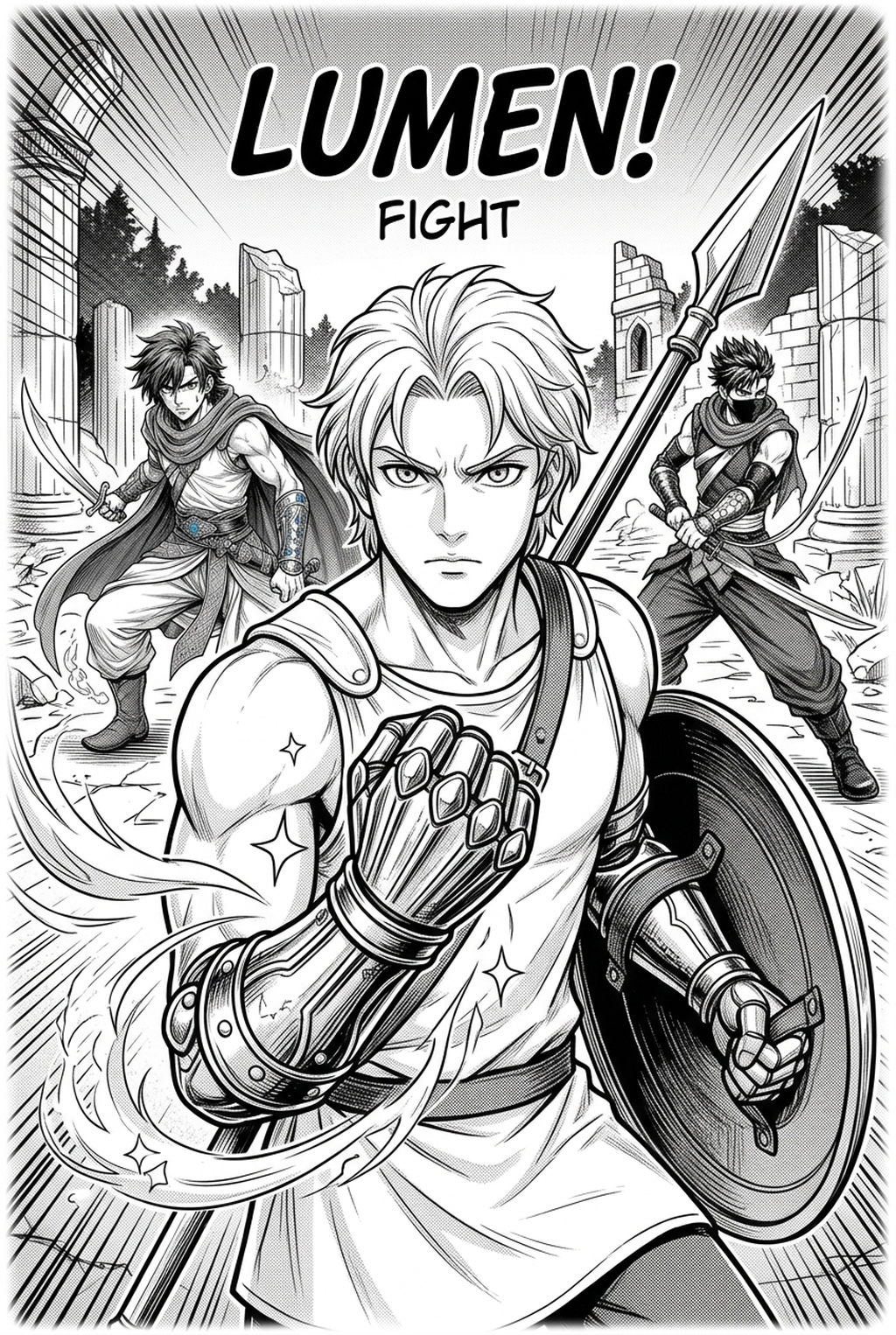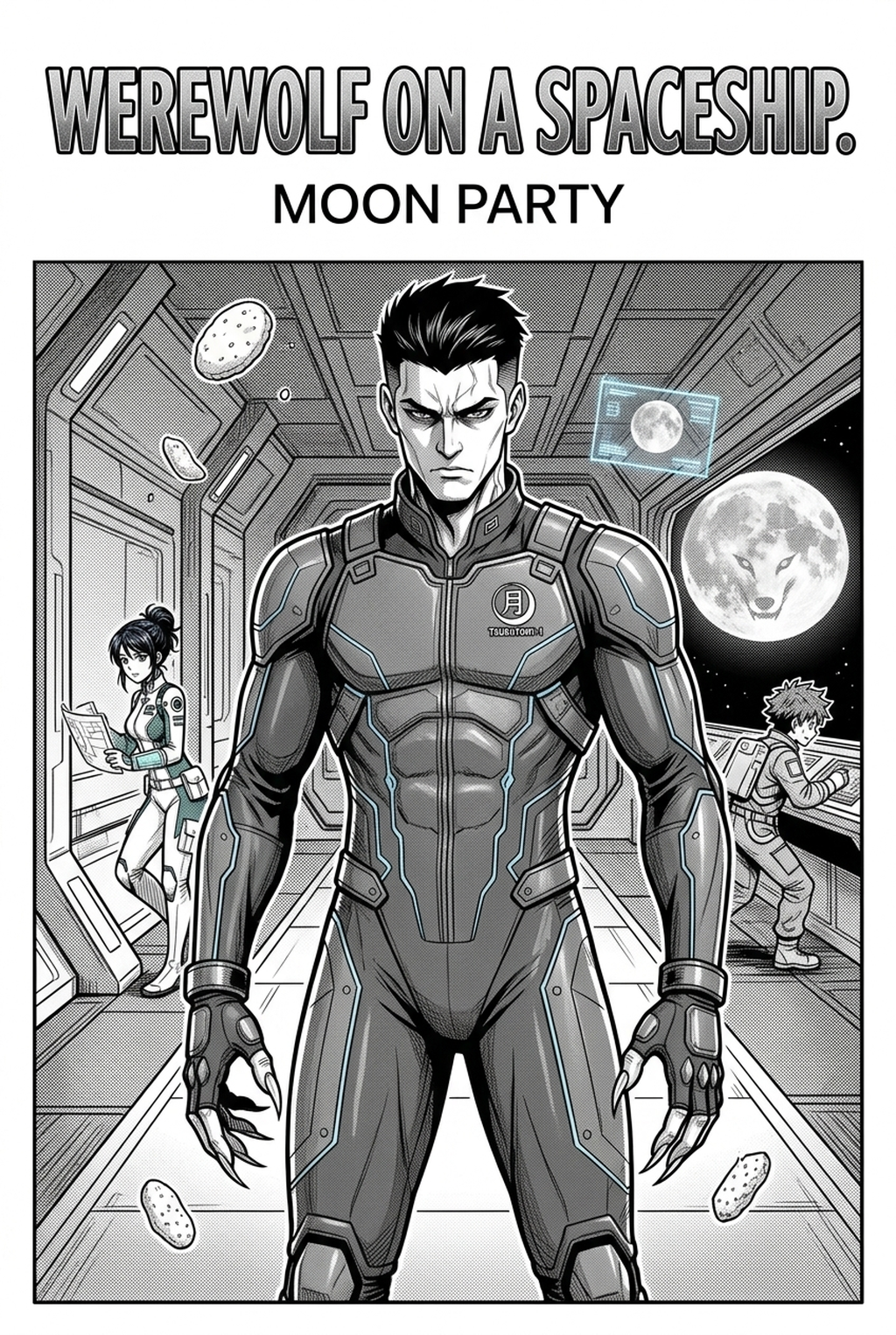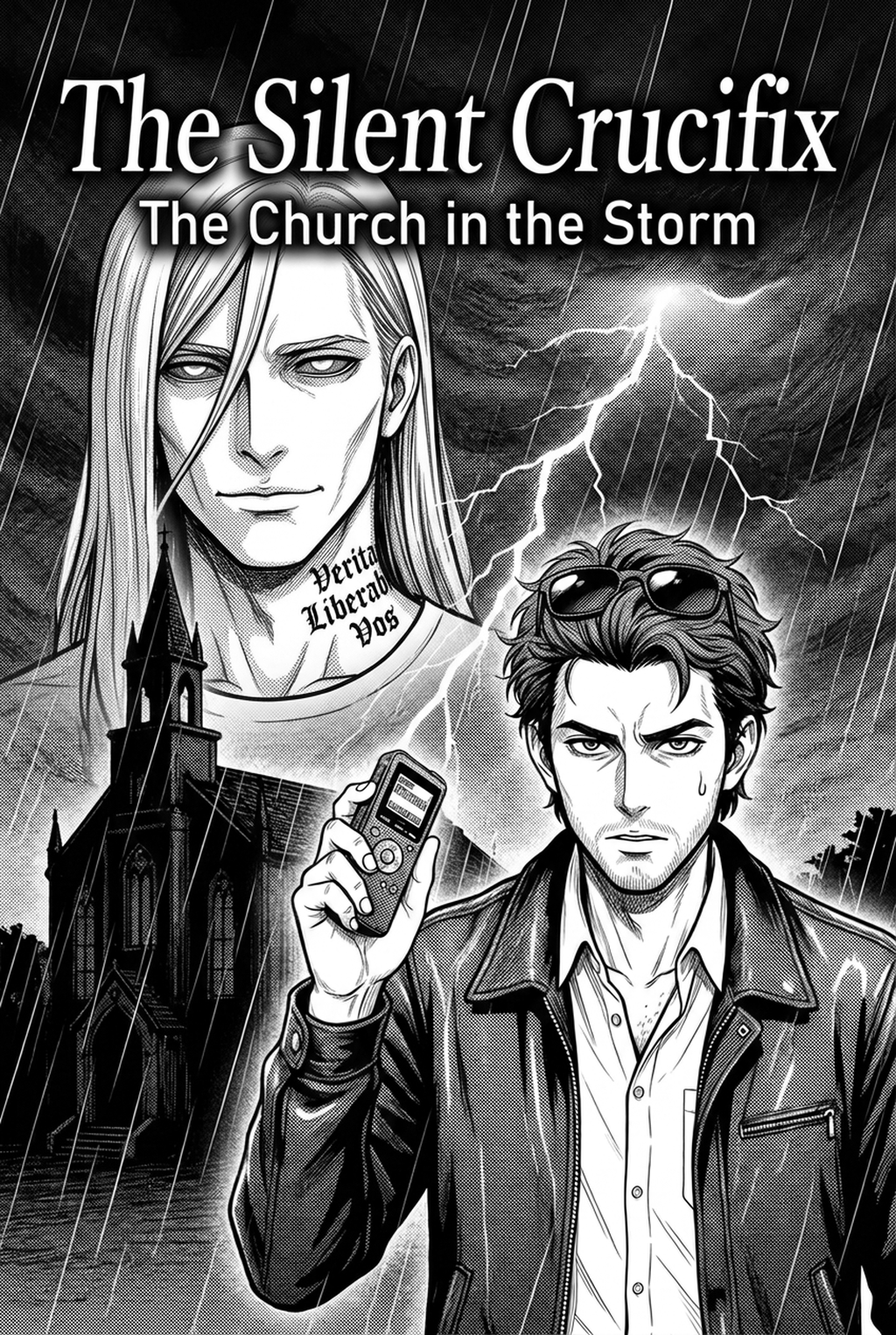
Style is half the story
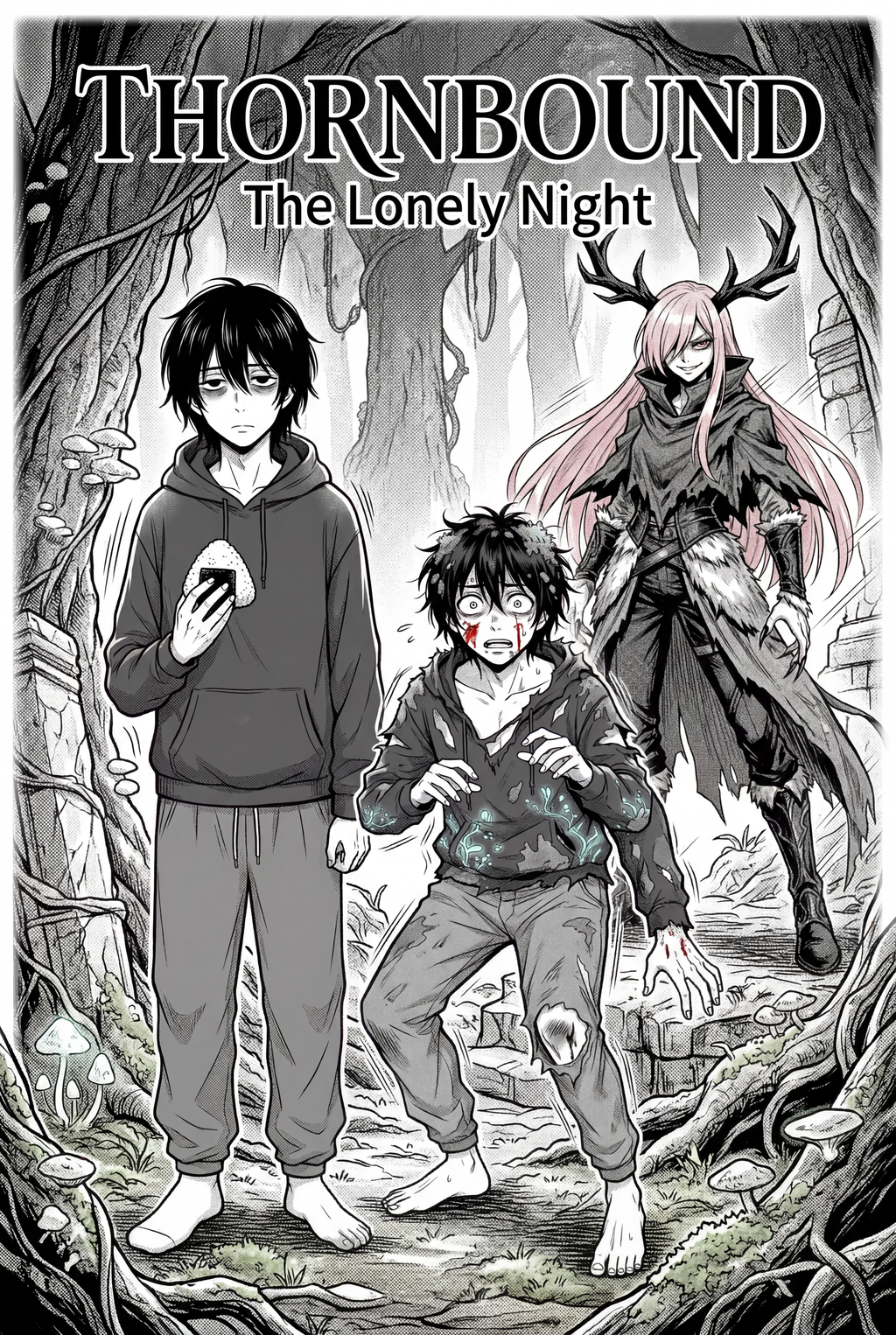
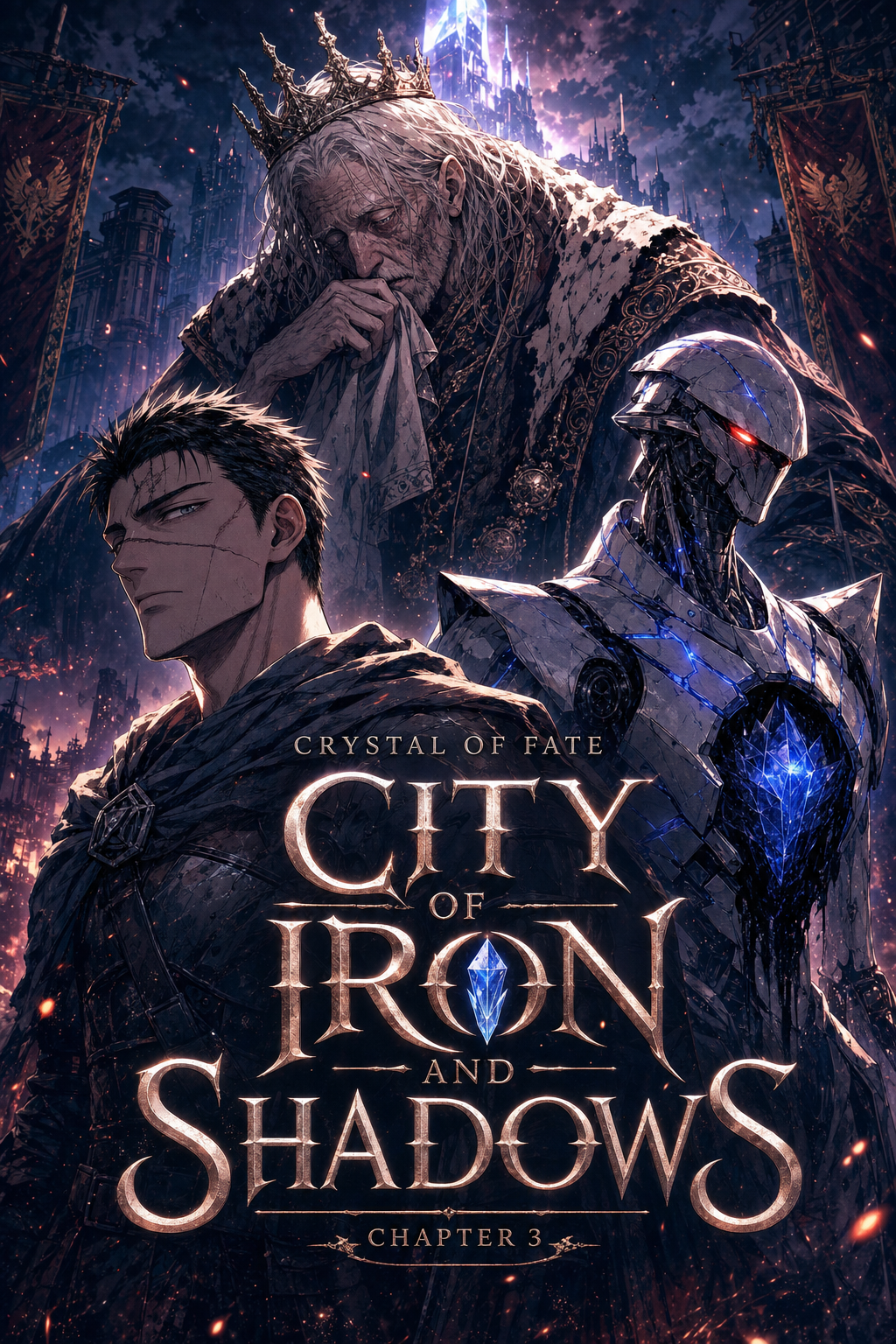
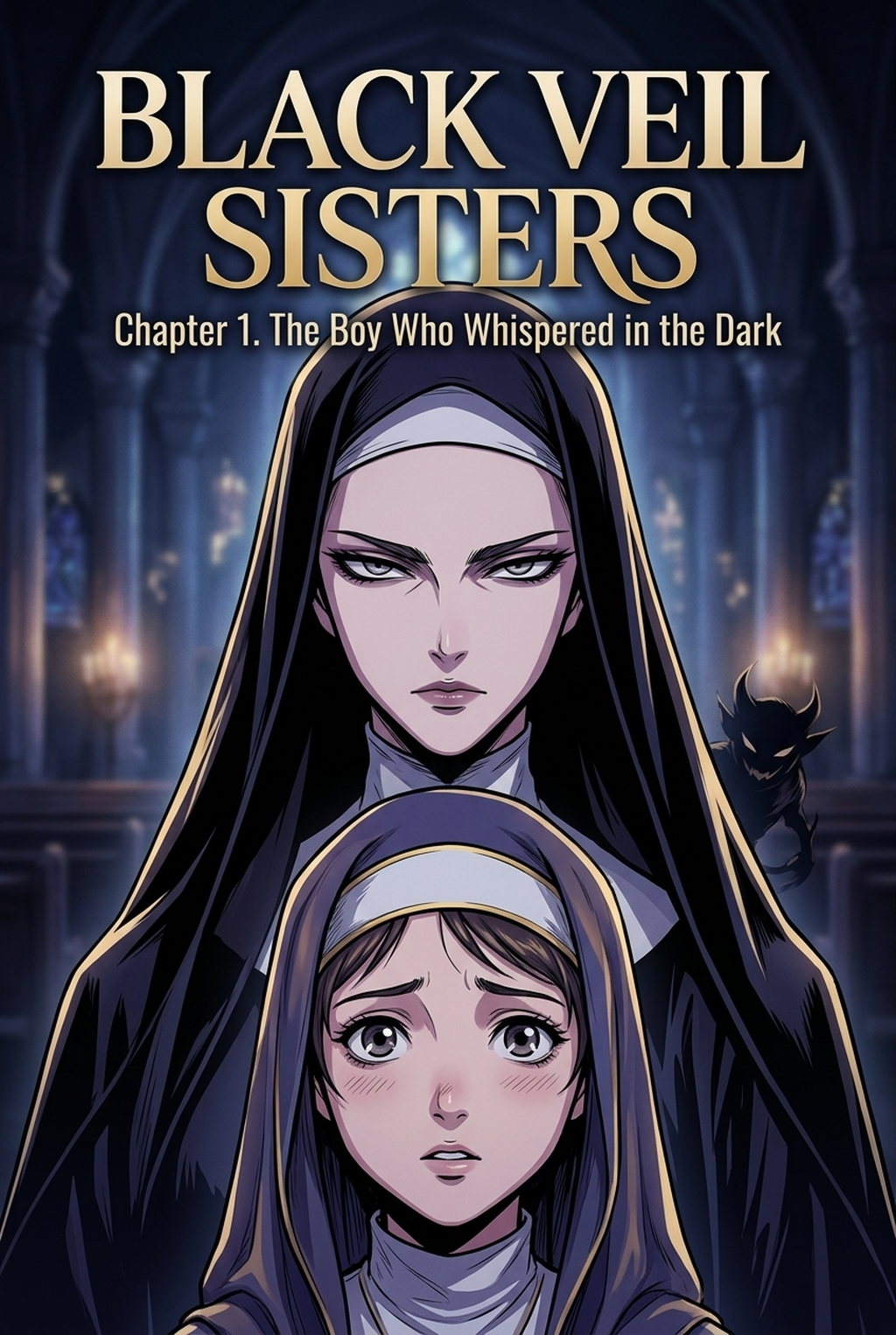
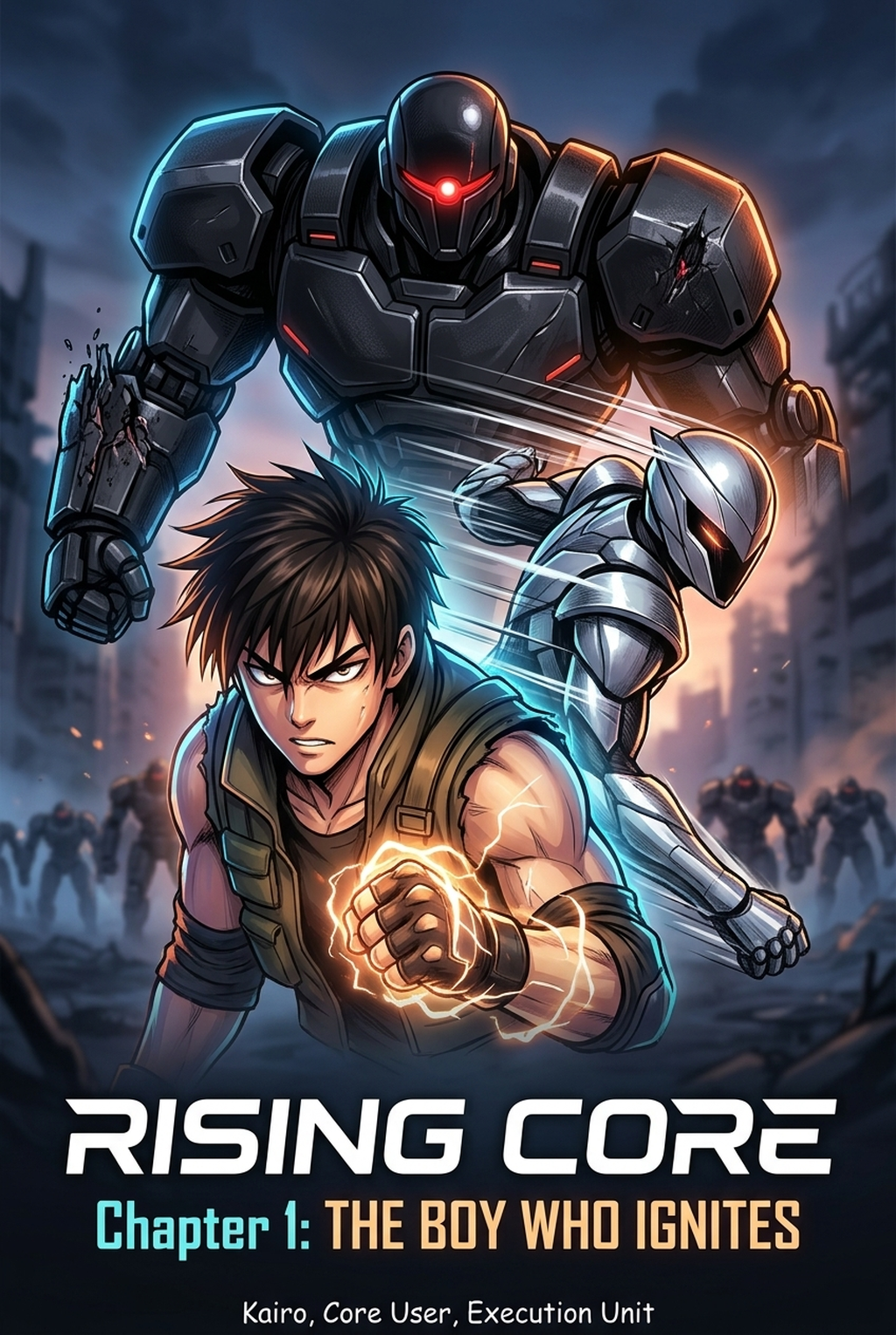
The same script reads completely differently in shonen versus seinen. Style controls the pacing, the emotional register, and how much your reader feels like they're in the panel.
The four big families
- Shonen — high contrast, dynamic poses, expressive faces. Built for action and emotional peaks.
- Shojo — softer line weight, sparkles, lots of negative space. Romance and interpersonal beats land best here.
- Seinen — realistic proportions, heavier rendering, grounded backgrounds. For adult drama, slice-of-life, and anything that wants to feel real.
- Josei — mature shojo, more restrained, often slice-of-life adjacent.
Audience first, tone second
Think about who reads your story before you think about how it should look. A shonen-styled romance feels different from a shojo-styled romance — and that's a deliberate choice you should make, not a default.
Mix within a chapter
Mangaka lets you switch styles per scene. A flashback in a more painterly style, a dream sequence in chibi — these style shifts are part of the manga toolkit, and they're a single dropdown away in the panel editor.
Try one style on a single page
Shonen, shojo, and seinen are different intents, so do not mix them into one template. Mangaka lets you start a fresh page from a short script and ink it in the line weight you asked for. Use a separate page for each style instead of one hybrid.
- Pick one genre for the test page.
- Write the scene in that genre's pacing.
- Ink it, then start a new page if you want to test another style.