Understanding the Retro-Futuristic Aesthetic
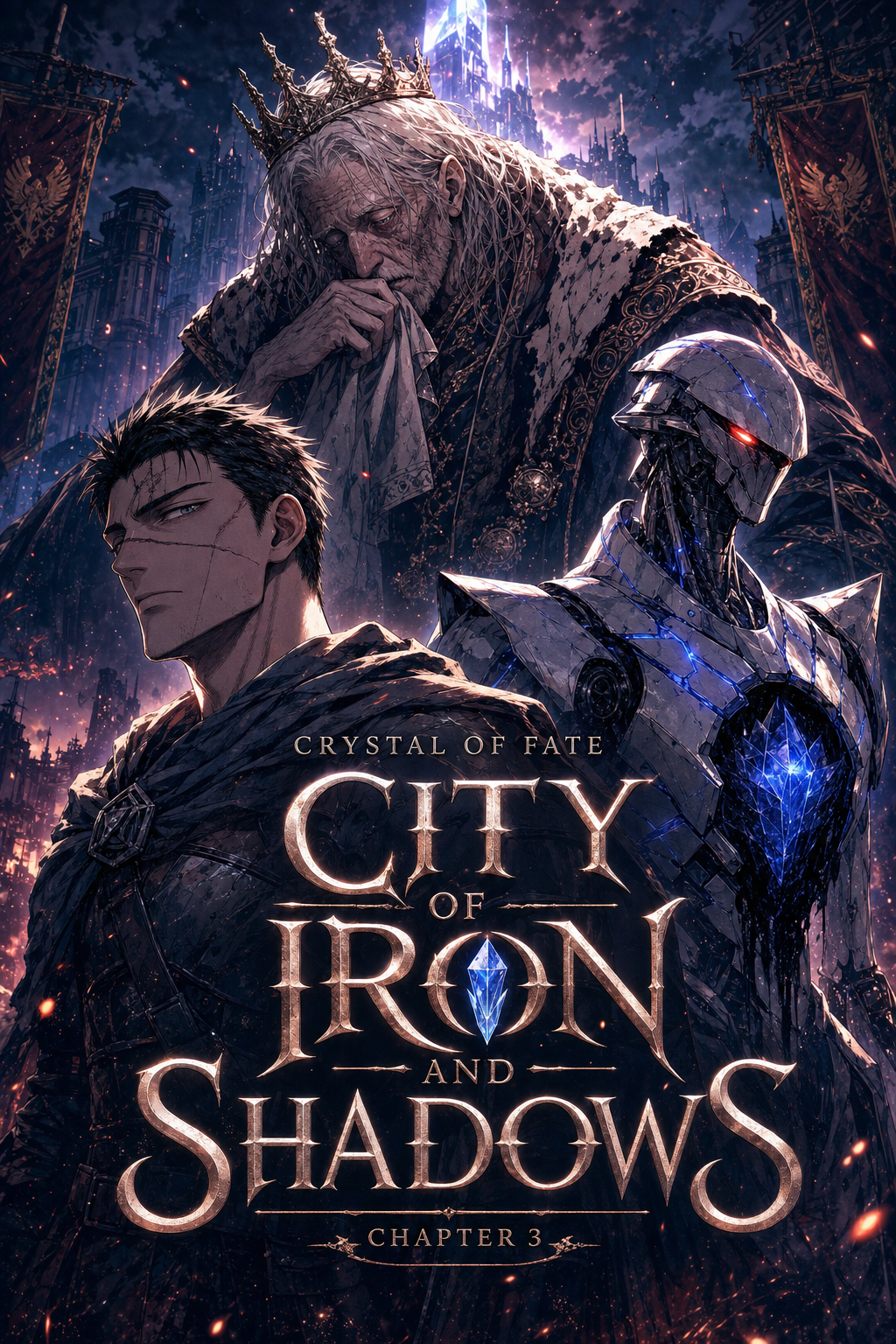
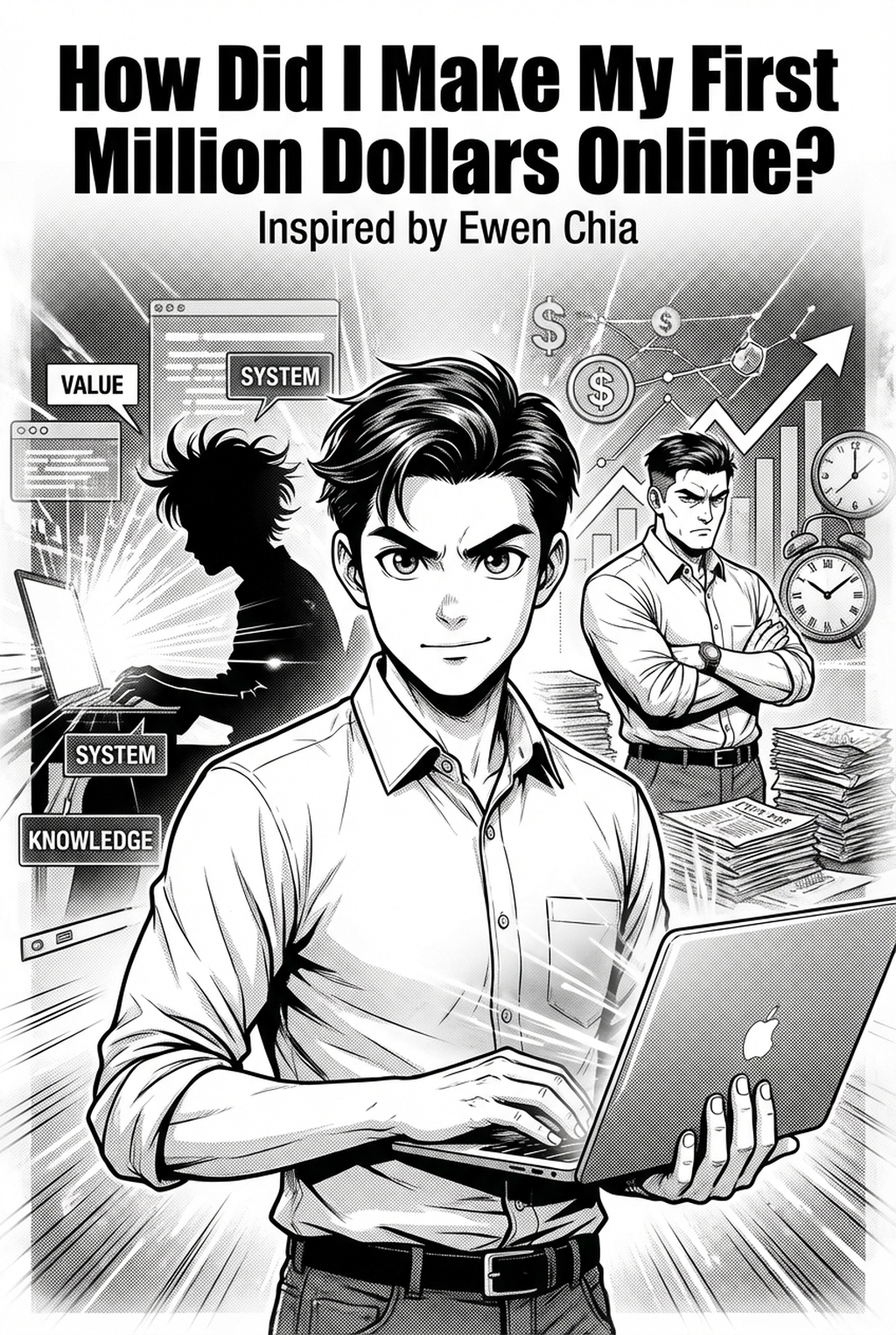
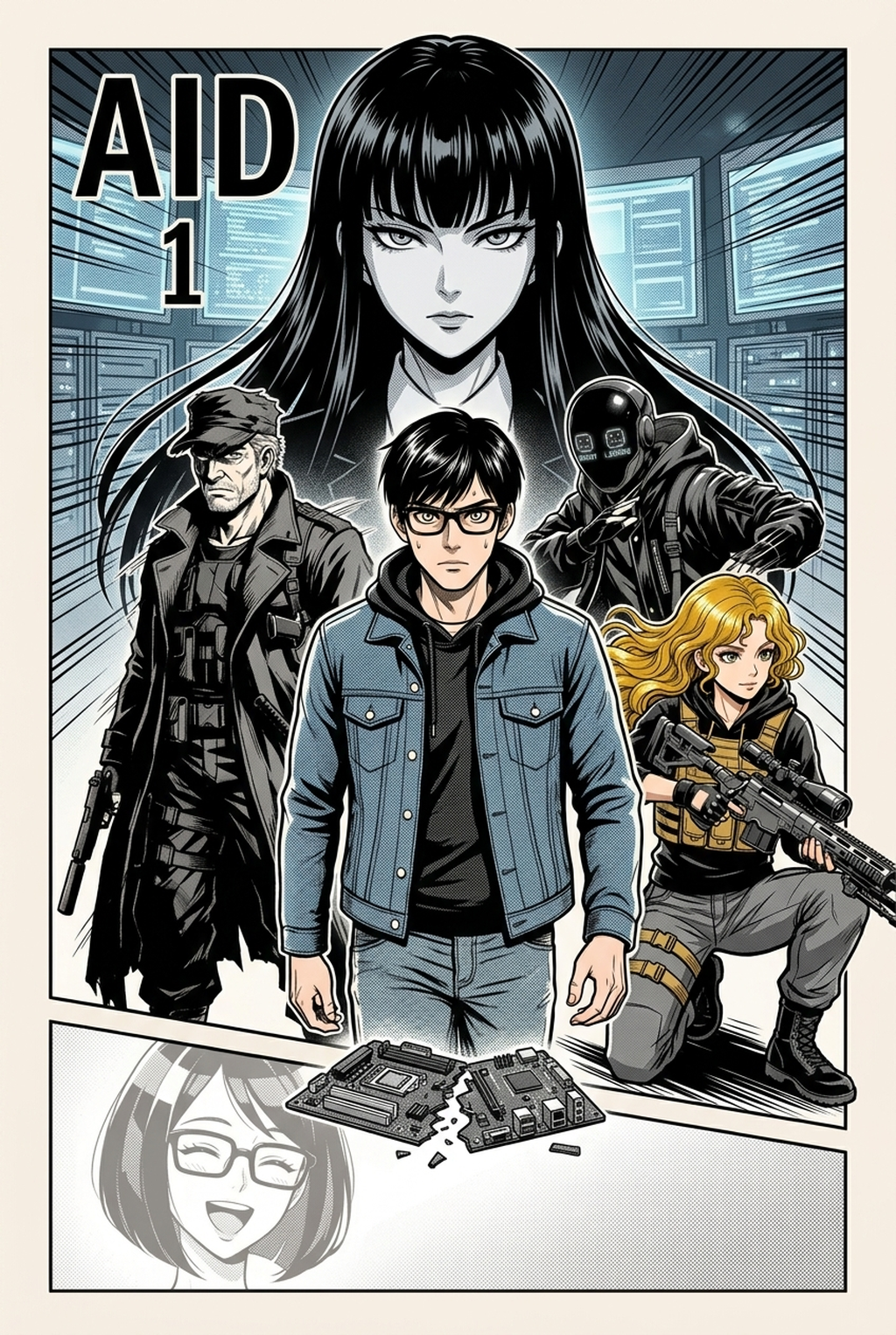
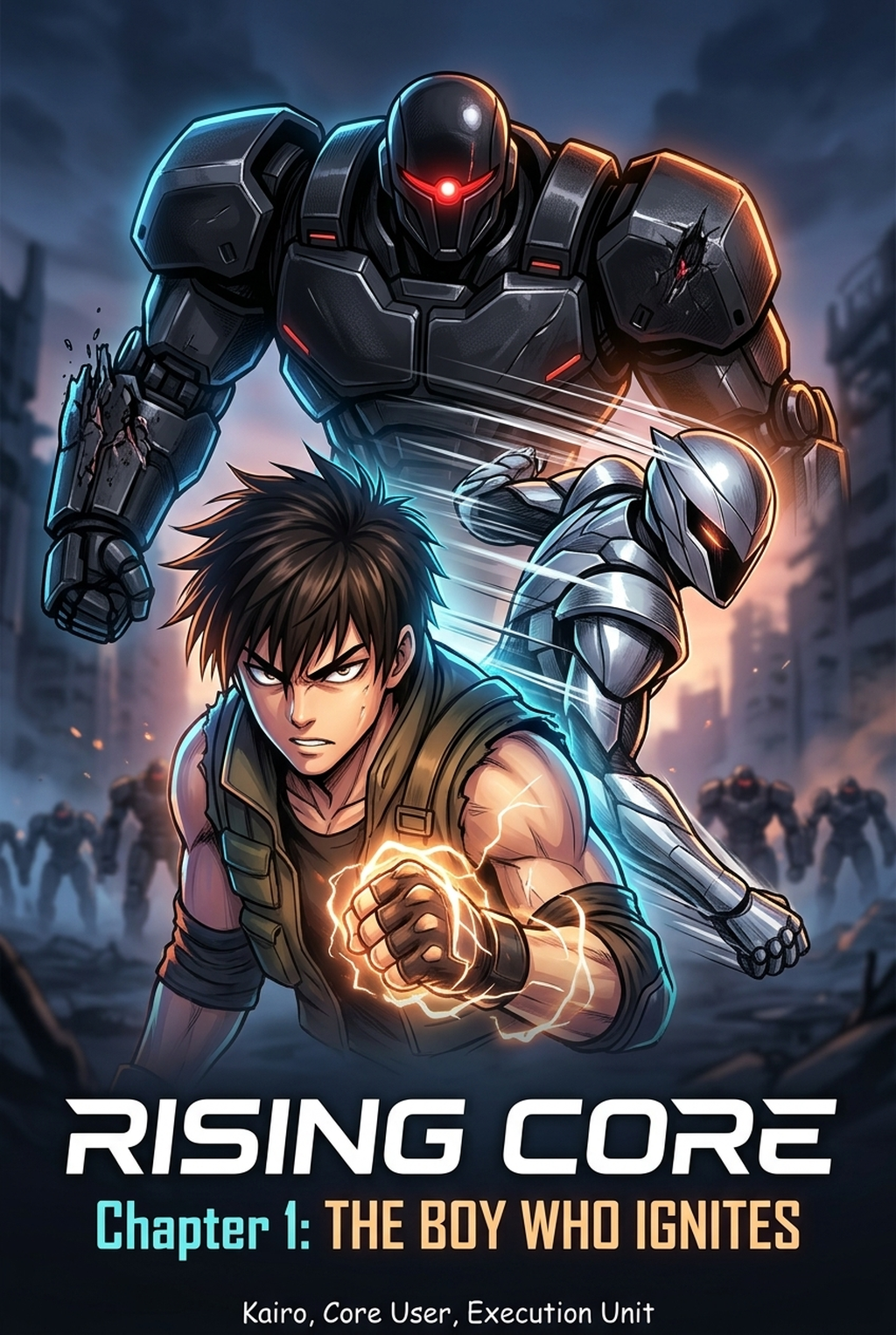
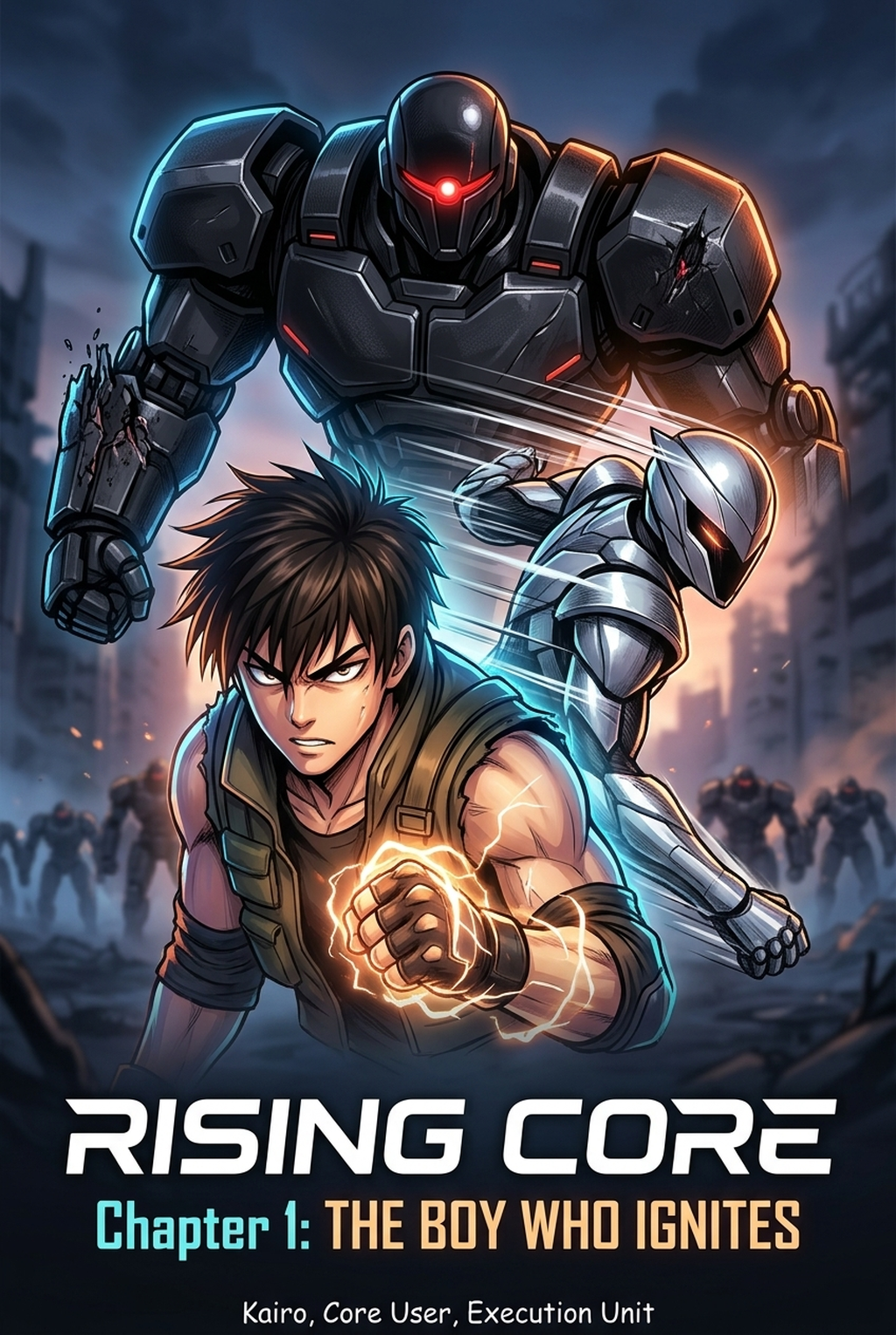
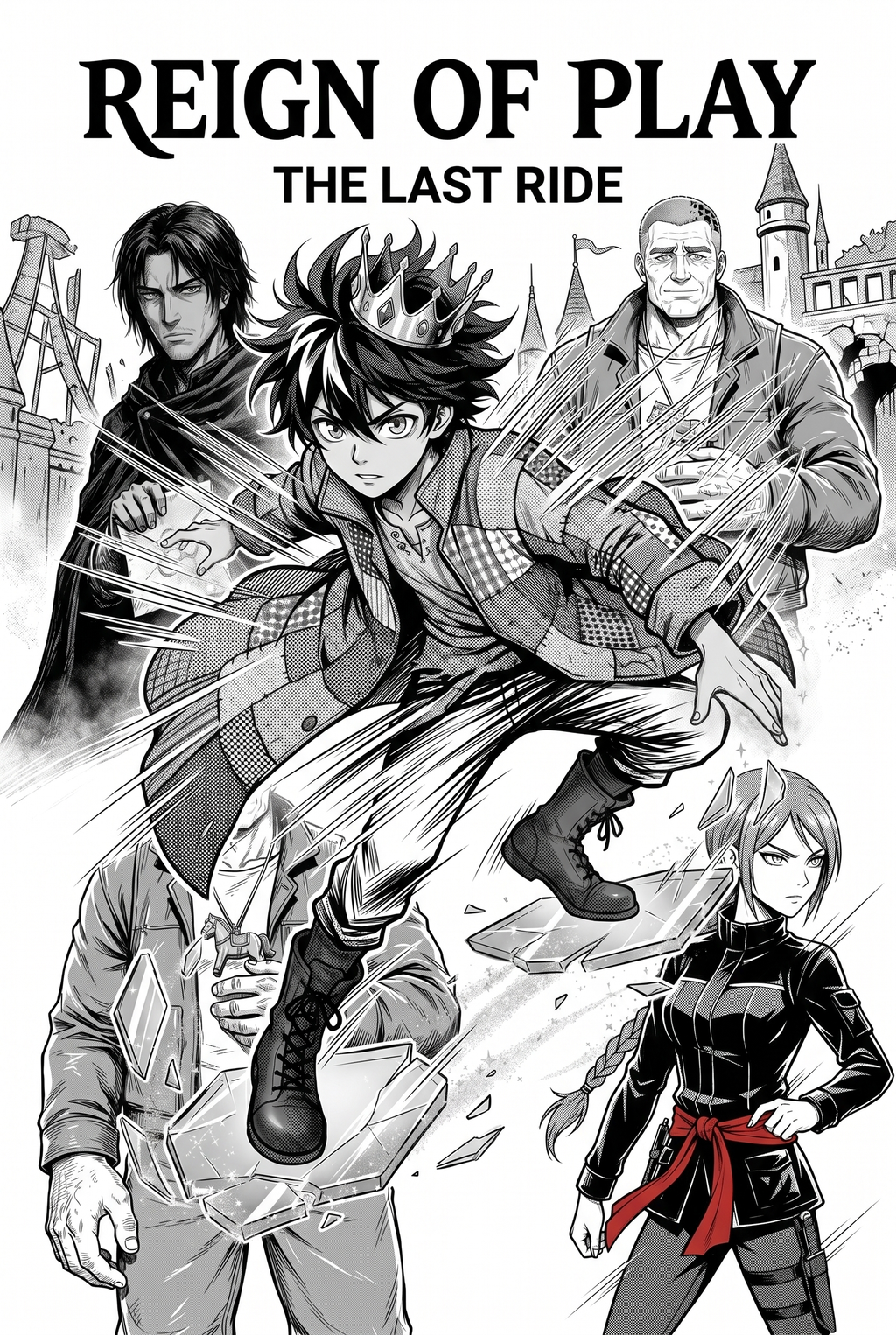
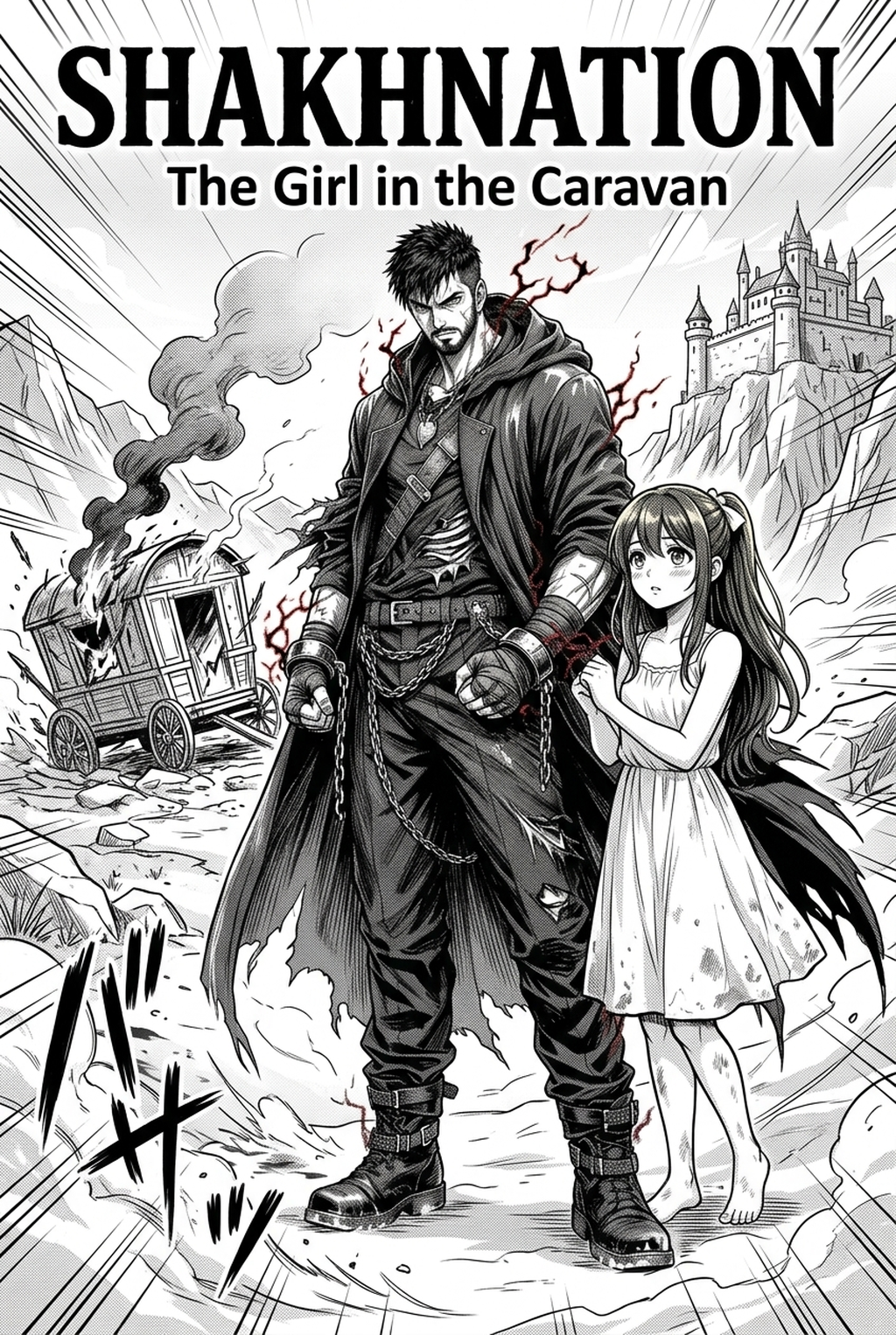
The Macross art style relies on high-contrast mecha designs paired with 'wash-style' character soft-shading and expressive, grounded facial features. This aesthetic prioritizes clear silhouettes, using high-density line-weight variation to separate the complex mechanical armor from the soft, organic anatomy of the main cast.
The visual hierarchy hinges on how you treat boundaries between material types. 5mm tip equivalent in scale, while human faces rely on subtle, layered shading to imply volume without heavy line work. This keeps the review focused on story intent, line weight, panel readability, and the export quality behind the final AI Manga Style Transfer output.
- Cel-shaded cockpits: Internal displays prioritize glowing interfaces over cluttered detail, keeping the pilot as the visual anchor. * Dynamic space combat: Lens flares and light streaks are used as kinetic indicators to guide the reader’s eye across 4-panel sequence arrays. * High-collared flight suits: Iconic, thick-collar designs serve as a framing device for the neck and shoulders, simplifying the silhouette in medium shots.
- Chapter cadence. Use the AI pass for pages where speed matters most, such as repeated action poses, transformation beats, or dense speed-line panels. Keep manual cleanup for hero panels where the line style defines the emotional peak.
- Character continuity. Compare the generated lines against the same model sheet, costume notes, and facial-expression range used during sketching. This prevents a fast inking pass from drifting away from the character identity readers recognize.
- Export readiness. Check whether the final manga output can move into lettering, coloring, or final layout without rebuilding panel borders or speech-bubble space. A good manga workflow should save time while keeping the next production step predictable.
Importance of Retro Aesthetics for Creators
Adopting a retro-inspired aesthetic allows modern creators to tap into nostalgia while leveraging the clean, readable panel structures inherent in the 80s mecha look. This style acts as a structural safeguard, forcing the artist to maintain clear gutters and consistent character depth, which prevents the "visual noise" common in modern, hyper-detailed manga pages.
Creators utilize this style to bridge the gap between hard-scifi technical schematics and emotional, character-driven storytelling arcs. By anchoring your mechanical designs in the Macross tradition, you gain a built-in language for the reader; a high-contrast armor layout immediately signifies high-stakes action, while the 'wash-style' shading on a character’s face signals intimate, dialogue-heavy beats.
A major risk for artists is inconsistent line weights across long-form chapters, especially when moving between different artists or assistant studios. Maintaining a strict reference sheet for armor thickness ensures that the "mechanical-human" balance remains stable across 20-page issues, preventing the armor from feeling floaty or disconnected from the character underneath.
Integration with Mangaka Style Transfer
Mangaka handles the heavy lifting of rendering, allowing you to input raw character drafts and instantly generate the specific line-weight and color palette of 80s mecha animation. This AI-driven workflow ensures that your mechanical parts possess the sharp, clean edges characteristic of the era, which are notoriously time-consuming to ink manually for every panel iteration.
Workflow Optimization Strategies. When your source sketches are high-contrast, the system can prioritize distinct character features over background noise, resulting in clean, production-ready panels. If you are struggling with a 12-page transformation sequence, Macross art style with Mangaka allows you to maintain identical armor proportions without needing to redraw complex segments from scratch for every frame.
You can use style transfer to test 'muted-but-vibrant' color palettes—a signature of vintage space opera—before committing to the final digital painting of a full chapter. This allows for rapid iteration on the color balance of cockpit interfaces against the dark, high-contrast blues of deep space, ensuring that character skin tones never look muddy against vibrant machinery.
Strategic Application of the Style
To maintain visual integrity throughout your project, you must establish a style reference sheet that defines the standard for eye geometry, hair-tuft shading, and interface-display intensity. Treat this reference sheet as a essential contract for your assistants or your own automated generation pass, as drifting away from these established visual signatures will immediately shatter the immersion of the setting.
- High-contrast input: Ensure your source sketches for the AI feature high-contrast blacks to prevent the tool from misinterpreting shadows as line work. * Interface density: Limit the display elements on mecha panels; use the 80s-style "less is more" philosophy to prevent the pages from appearing over-engineered. * Palette consistency: Use a restricted palette of four primary colors for mechanical armor to avoid the fragmented, messy look of modern, overly complex color grading.
- Before Export. Creators should compare the generated line art with the original sketch and confirm that facial expressions, props, speed lines, and speech-bubble space still support the scene. A repeatable review pass should cover character consistency, panel readability, background clarity, and whether the final file is ready for coloring, lettering, or editor feedback.
- For Longer Projects. Creators should save approved examples of line weight, face detail, clothing folds, and background density. Those references keep later chapters closer to the intended style. For collaboration, creators should mark which panels are final and which panels still need redraws. Clear status labels prevent an assistant, editor, or colorist from polishing the wrong version.
- For Publishing. Creators should review the page at the actual reading size before export. Small screens expose crowded dialogue, weak silhouettes, and line details that looked fine while zoomed in. For style control, creators should keep a short reference board beside the draft and compare hair shapes, eye details, costume folds, and texture choices before approving the final page.
The Bottom Line
The AI Manga Style Transfer workflow remains a gold standard for sci-fi manga because of its perfect marriage of technical precision and human emotion. By leveraging tools to automate the labor-intensive rendering of mechanical plating, modern creators can focus on the core narrative beats that define their work. You can start refining your mechanical-human balance today by Macross art style with our dedicated AI manga style transfer tool.