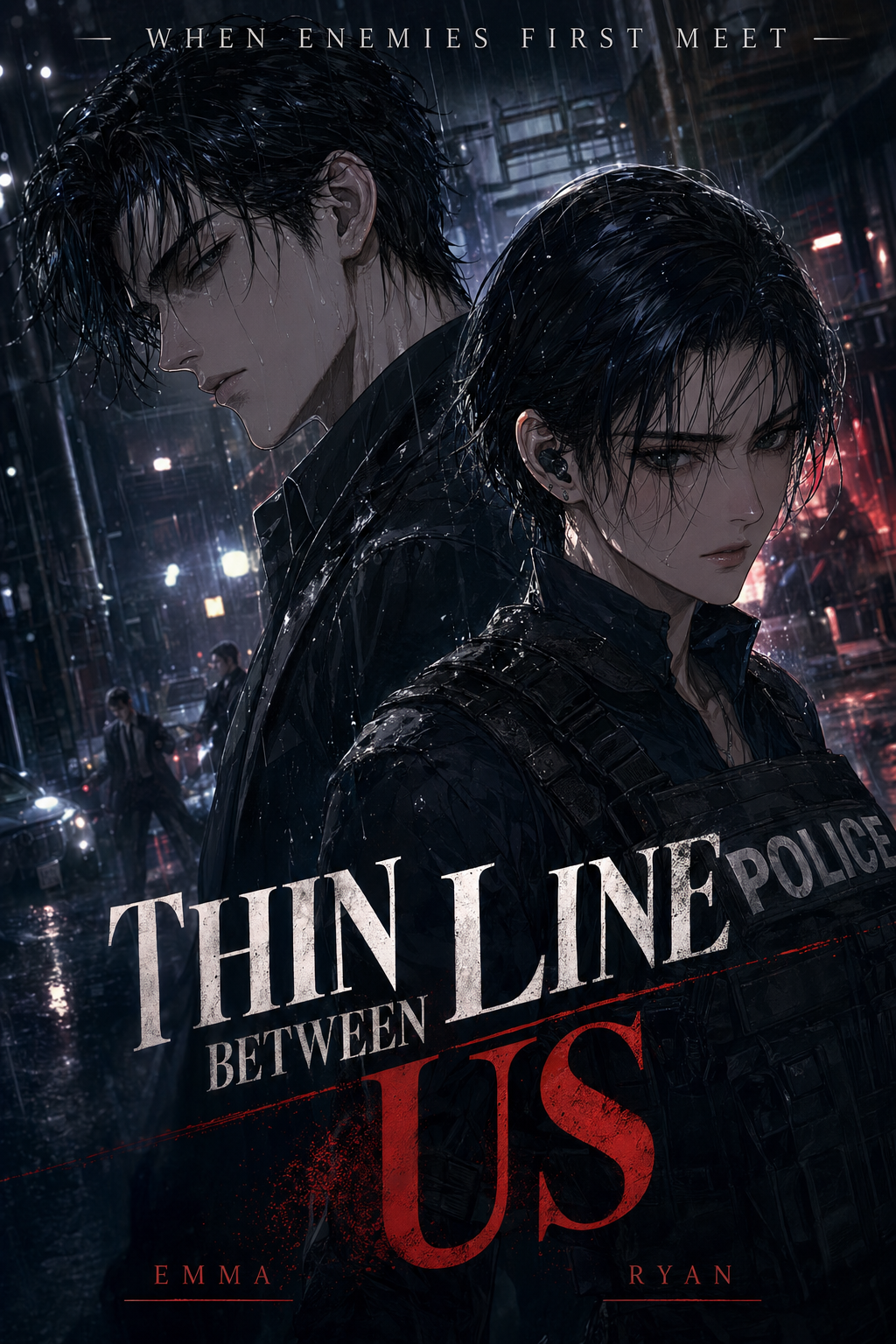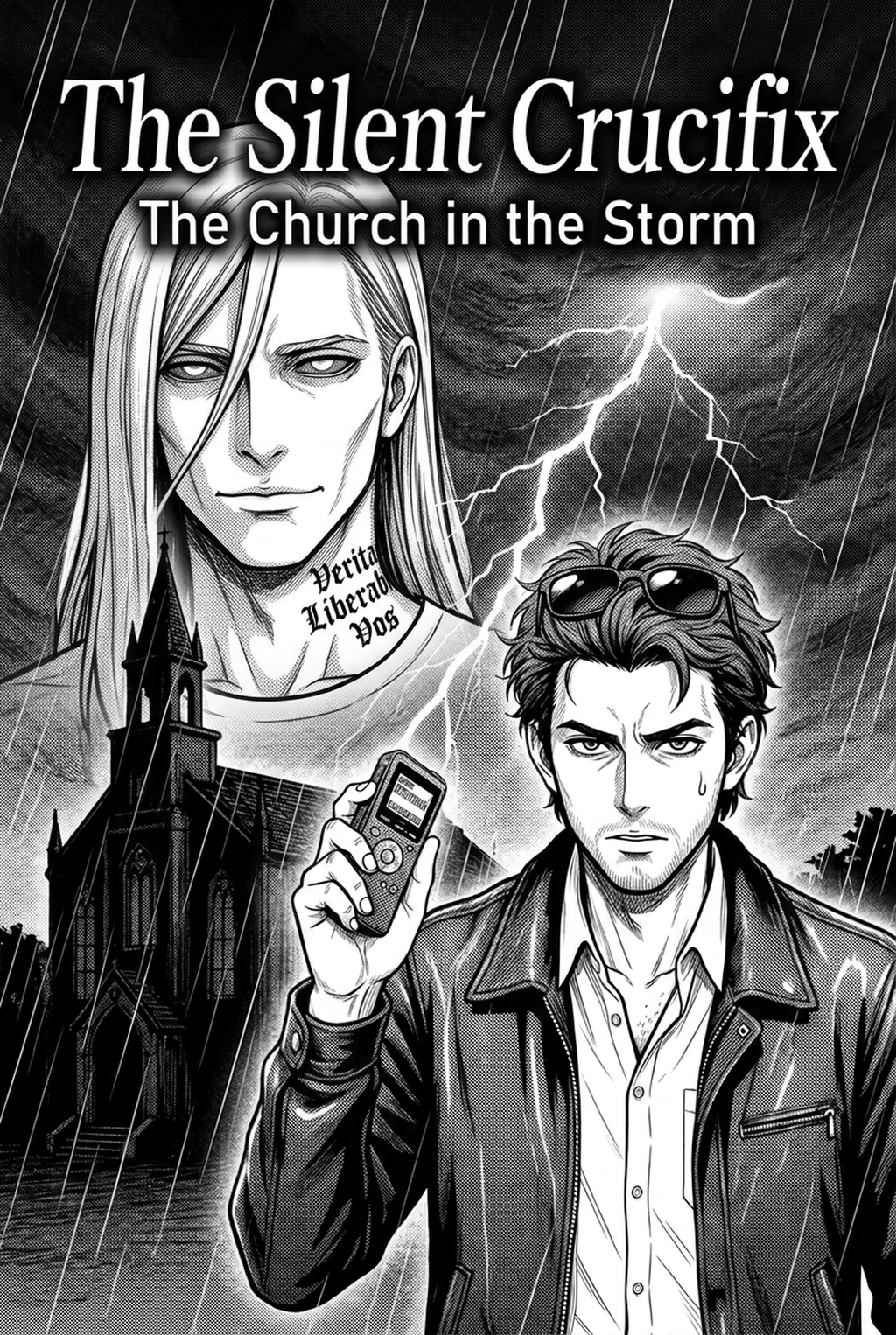
Understanding the Role of a Digital Colorist
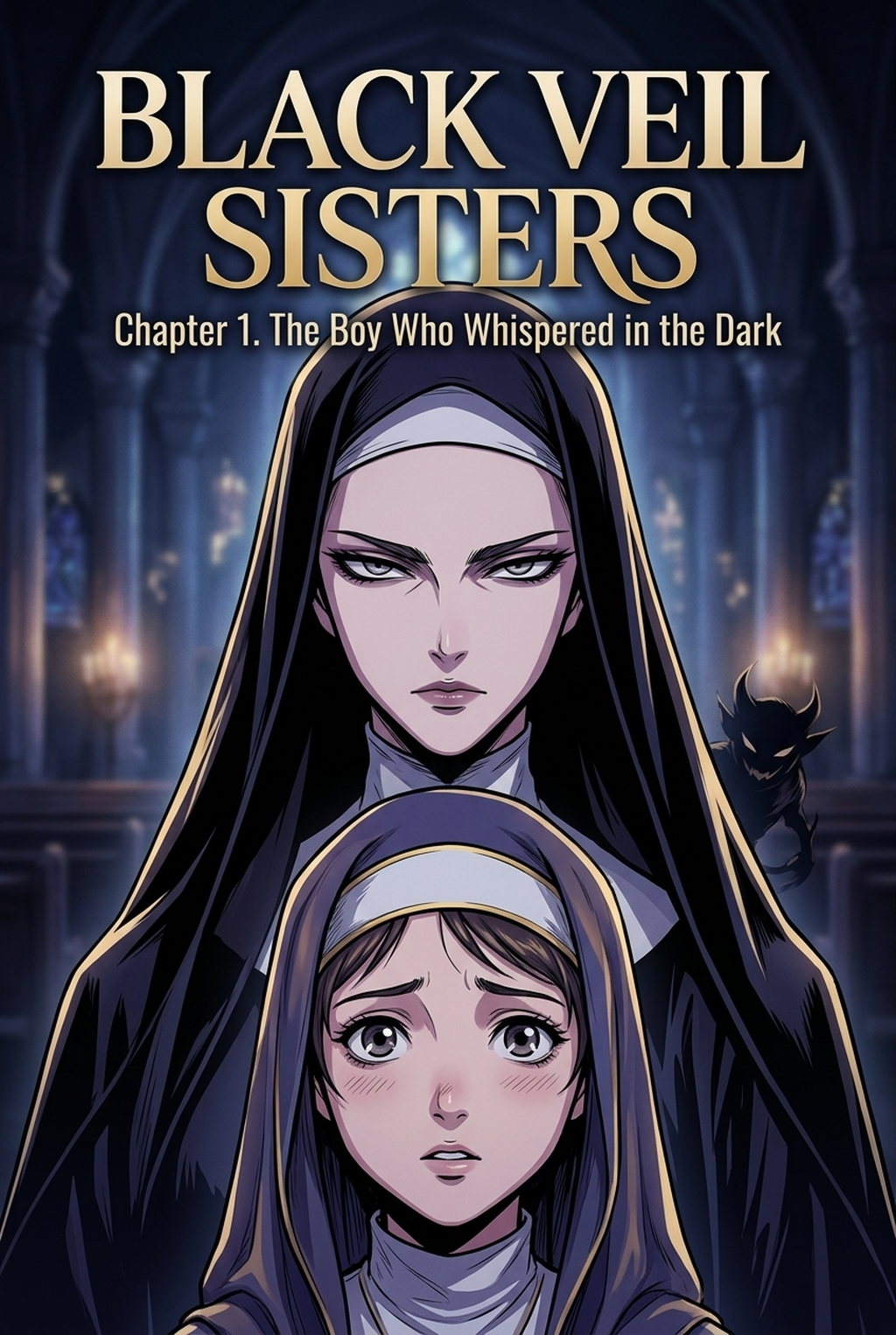
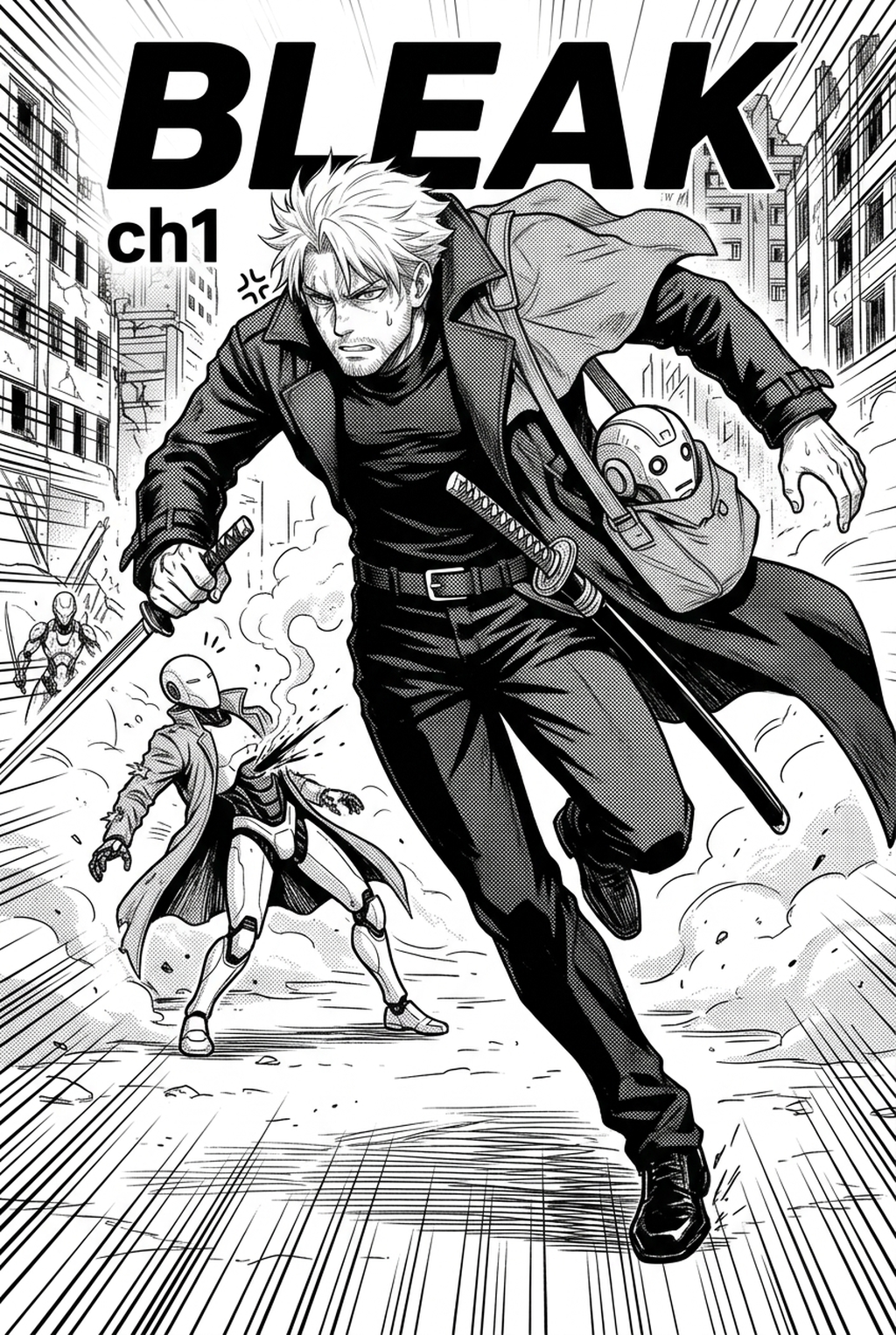
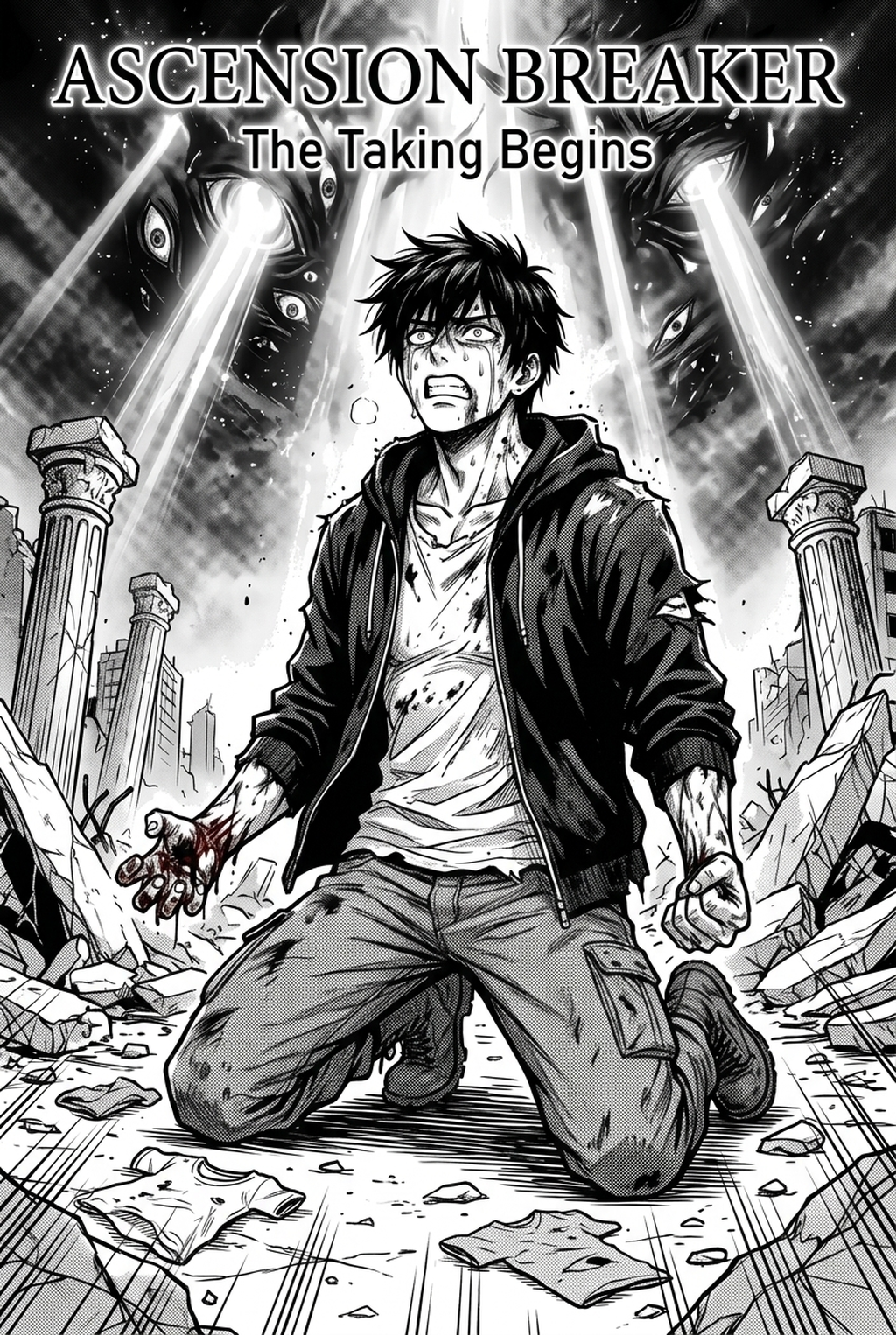
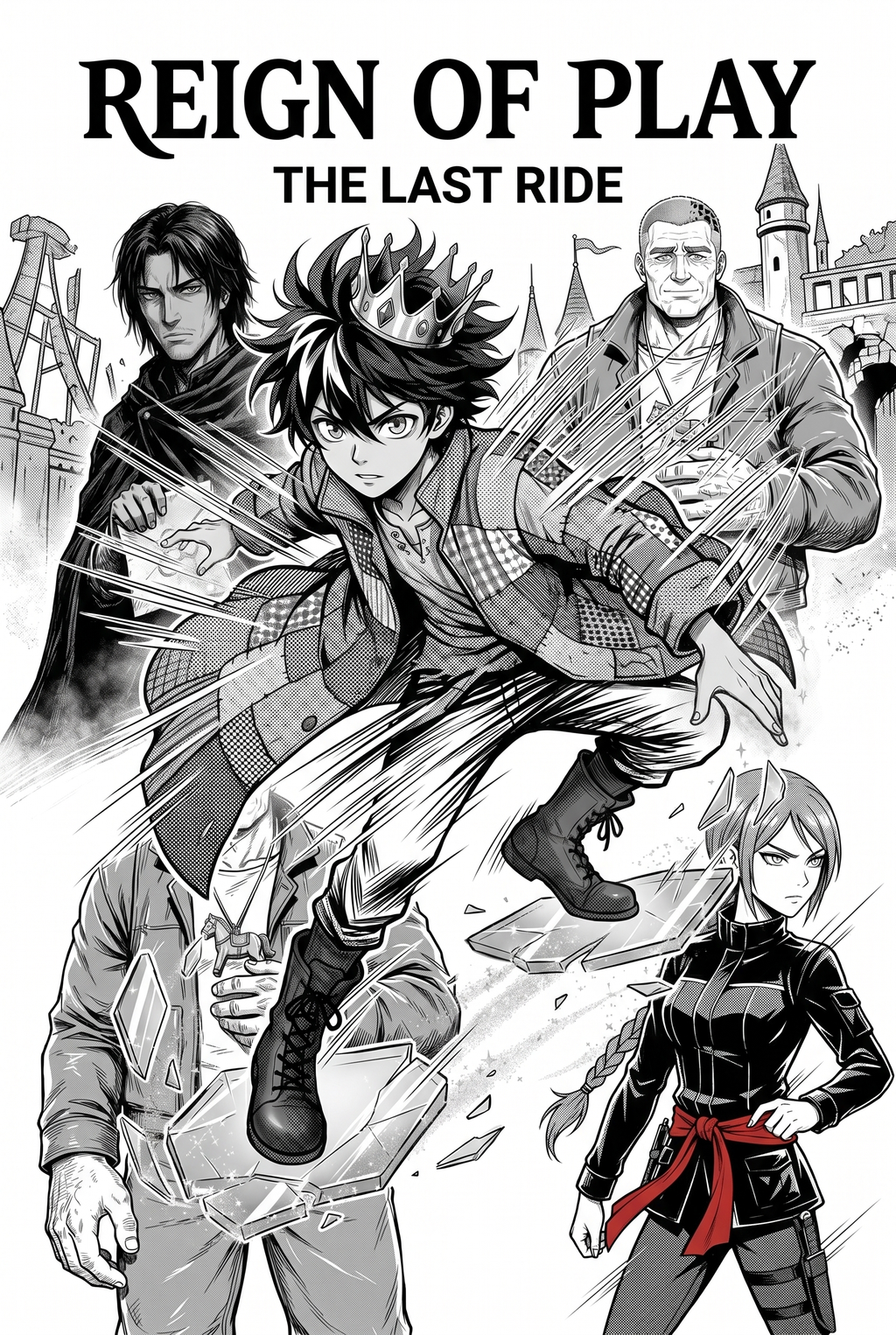
A manga colorist is a specialist who transforms high-contrast black-and-white ink work into a full-color immersive experience, focusing on mood, lighting, and reader focus. The role requires a deep understanding of color theory, specifically how hue and saturation influence narrative pacing across diverse demographics like Shonen, Seinen, and Shojo.
- Flatting and Masking: The meticulous process of filling base colors into closed line-art regions, which serves as the foundation for all subsequent rendering passes. * Atmospheric Rendering: Applying gradients and light sources to establish the emotional tone of a scene, ensuring the background elements support the focal character action. * Special Effects Application: Integrating high-impact visual elements like glow, lens flares, or blood splatter to heighten the intensity of combat sequences without obscuring the line work.
Why Automated Workflows Matter for Creators
Integrating AI into the production cycle allows artists to reclaim their creative bandwidth, moving away from the "labor-as-cost" model that previously forced artists to rely on massive, expensive color teams. The primary advantage of AI for the professional colorist is the total preservation of original line-art density, ensuring that the artist’s unique hand-drawn "fingerprint" remains the primary visual anchor.
Serialized manga production demands a punishing pace where traditional manual color work often becomes the primary bottleneck for publication. By automating the foundational color steps, creators can move from a page-per-week color cadence to a faster, more agile delivery format without sacrificing the narrative depth associated with high-end color manga. This efficiency gain allows for more iterative refinement of complex "hero panels" that require specialized, custom brushwork and emotional nuance.
How Mangaka Works with Your Art
Mangaka provides a seamless production production process where ink layers are uploaded as high-resolution PNG or PSD files, allowing the software to maintain the structural integrity of your original drawings while identifying discrete color zones. You can Manga Colorist with Mangaka by using natural language creative briefs or pre-built style presets that automatically sync with your intended genre mood and atmospheric settings.
The system allows for rapid experimentation, letting the colorist tweak hue, saturation, and layer blend modes across individual panels without the need for manual re-coloring. If a character’s hair or outfit requires a shift to match a scene's lighting, the software recalculates the color zones across the entire page, ensuring that color consistency remains locked even if the composition changes significantly during the final review pass.
Use Cases for Advanced Color Work
Independent colorists must maintain a rigorous style guide to ensure visual continuity across disparate chapters and evolving character outfits. This requires a workflow that keeps the base tones, highlights, and atmospheric layers physically separated, allowing for granular adjustments that are easily exported for final printing or web-display formats.
- Character Consistency: Storing specific color profiles for hair, skin, and clothing to prevent accidental hue shifts during long-form storytelling. * Dynamic Lighting States: Using layer separation to apply day/night lighting presets to existing page files without redrawing shadows from scratch. * Scene Mood Modulation: Applying specific tonal filters to highlight combat tension or character internal monologues, enhancing the emotional impact of the dialogue layout.
Getting Started with AI Coloring
Your original ink layer is always preserved as the top layer, which ensures no loss in detail during the processing phase. When you balance automation with personal artistic flair, you should aim to use AI for the foundational "busy work" while dedicating your manual hand-painting effort to the pivotal, high-stakes panels that define the chapter.
- Preparation: Upload your final black-and-white ink work as a clean, high-contrast file with no gaps in the line art. 2. Base Application: Allow the AI to perform the initial flatting, then verify the zone detection for any complex, tight-angle panel gutters. 3. Tonal Refinement: Use the system’s adjustment tools to shift the atmosphere or temperature of the color palette to match your creative brief. 4. Final Polish: Export the results into your favorite software to add final custom highlights or specific digital textures that meet your personal artistic standard.
- Before Export. Creators should compare the generated line art with the original sketch and confirm that facial expressions, props, speed lines, and speech-bubble space still support the scene. A repeatable review pass should cover character consistency, panel readability, background clarity, and whether the final file is ready for coloring, lettering, or editor feedback.
- For Longer Projects. Creators should save approved examples of line weight, face detail, clothing folds, and background density. Those references keep later chapters closer to the intended style. For collaboration, creators should mark which panels are final and which panels still need redraws. Clear status labels prevent an assistant, editor, or colorist from polishing the wrong version.
- For Publishing. Creators should review the page at the actual reading size before export. Small screens expose crowded dialogue, weak silhouettes, and line details that looked fine while zoomed in. This keeps the review focused on story intent, line weight, panel readability, and the export quality behind the final AI Manga Colorist output.
The Bottom Line
Modern manga creation is shifting toward a hybrid model where professional colorists use automation to handle production drudgery while reserving their creative energy for the most critical narrative beats. By mastering these tools, you can achieve studio-quality results without the overhead of an expensive team, effectively shortening your delivery cycle while significantly increasing the visual fidelity of your work. You can Manga Colorist today to experience the balance between automation and creative control.
Accelerate Digital Manga Coloring and Tonal Staging with Mangaka.app
Transitioning from black-and-white manga to vibrant digital webtoons or promotional color pages requires intelligent flatting and nuanced atmospheric shading. Mangaka.app powers modern color workflows:
- Intelligent Auto-Flatting & Line Gap Detection: Instantly flood base flat colors while automatically identifying and closing small unclosed line art gaps.
- Cinematic Ambient Occlusion & Lighting: Cast dramatic directional rim lighting, sunbeams, and moody ambient shadows across character figures and backgrounds.
- Reusable Color Palette Libraries: Lock exact character skin tones, hair swatches, and uniform colors across entire multi-chapter series.
- CMYK & RGB Dual-Mode Output: Maintain color accuracy across digital smartphone viewing and physical art book publishing.
Ready to elevate your serialized manga and speed up chapter production? Create your professional manga storyboard and character sheets on Mangaka and transform your creative workflow today.