AI Manga Character Designer: Production Stability and Narrative Flow
Serial narratives require characters to appear across hundreds of pages, making model stability a critical component of every professional production workflow. When a character’s anatomy shifts between pages, the reader’s immersion shatters, leading to a perceived drop in the overall production value of the series.
Inconsistent outfit details—such as a misplaced pocket or a missing sleeve button—create "continuity noise" that distracts from the dialogue and action. A professional series must maintain a uniform look for every lead cast member to keep the reader focused on the emotional arc rather than correcting mental errors in the art.
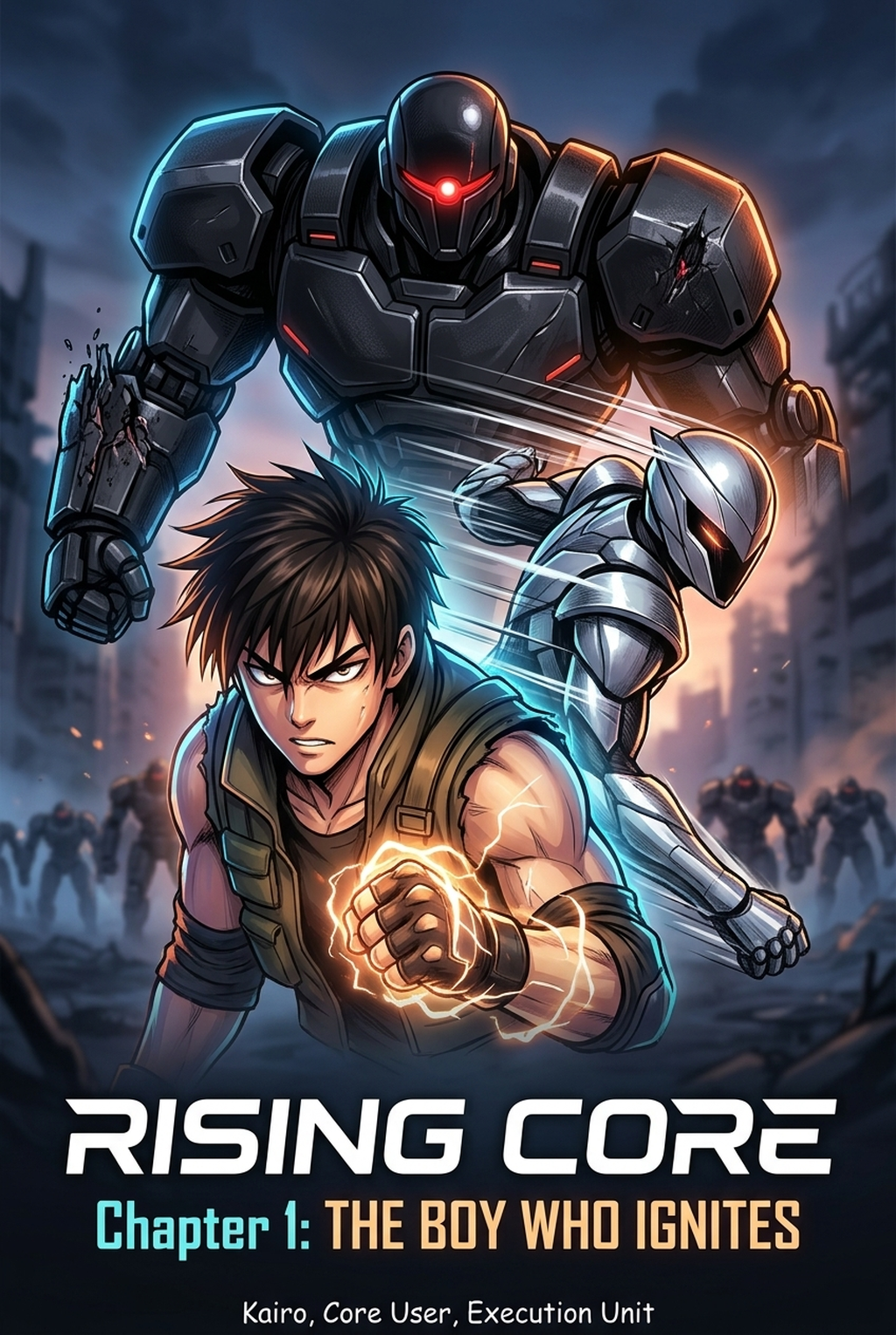
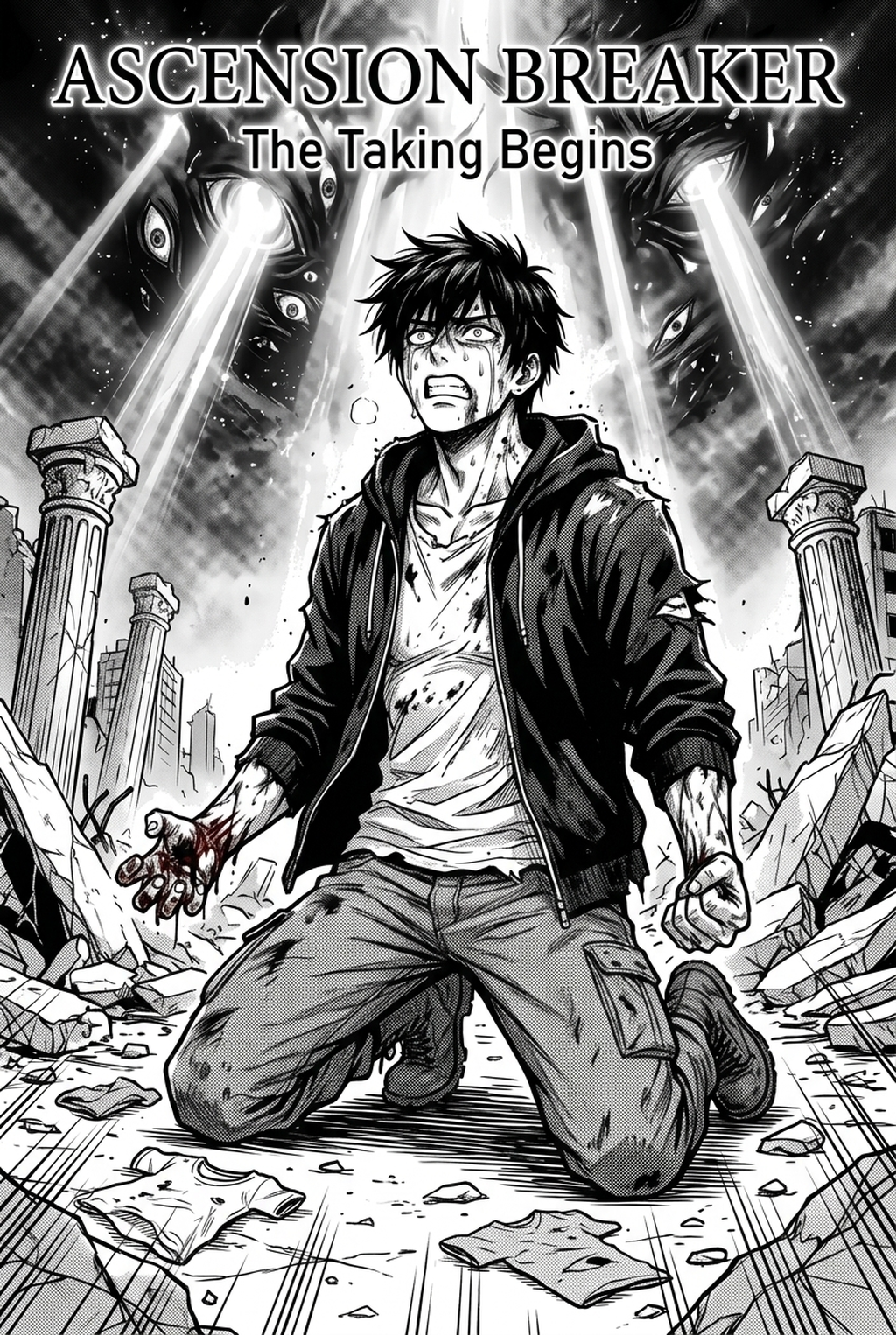
- Shonen dynamic stability: Creators in this genre must prioritize action-pose stability, ensuring that high-velocity movement lines and kinetic posing do not distort the character’s base anatomy. * Seinen granular focus: These works demand a more disciplined approach to facial expression and nuanced silhouette variations to reflect mature, complex character growth. * Line-weight discipline: Consistent line-weight prevents the character from looking "disconnected" from the background in high-detail, ink-heavy panels.
Tooling for Model Consistency
AI-driven creative tools allow artists to turn descriptive creative briefs into fixed model sheets, which drastically reduces the manual labor required when redrawing complex character designs for new chapters. By locking in style parameters, these tools ensure that elements like hair physics, garment folds, and accessory placement remain uniform from the initial storyboard to the final inked page.
Using AI for 'color-palette locking' prevents the common trap of shifting saturation levels in long-running digital chapters, where subtle lighting changes can inadvertently alter the reader's perception of a character's color scheme. This stabilization is vital when you are managing a large cast and need to ensure that colors remain vibrant and consistent across both screen displays and print-ready PDF exports.
| Feature | Manual Sketching | Mangaka Tooling | Benefit |
|---|---|---|---|
| Model Sheet | Hours per angle | Instant generation | Eliminates proportion drift |
| Color Palette | Eyedrop-reliant | Locked per cast | Maintains visual brand |
| Inking Path | Hand-traced | Auto-refining | Uniform line weights |
Implementation of Archetype Design
Start your project by defining a "core archetype," then sketch the character in three key views: front, profile, and three-quarter view. This initial setup provides the reference material needed to handle any future panel layout challenges with confidence. Refine the visual storytelling by iterating on outfits that reflect the character's background and their current arc status. A character’s attire should evolve to mirror their internal development, such as adding gear after a battle arc or simplifying clothing during a period of poverty.
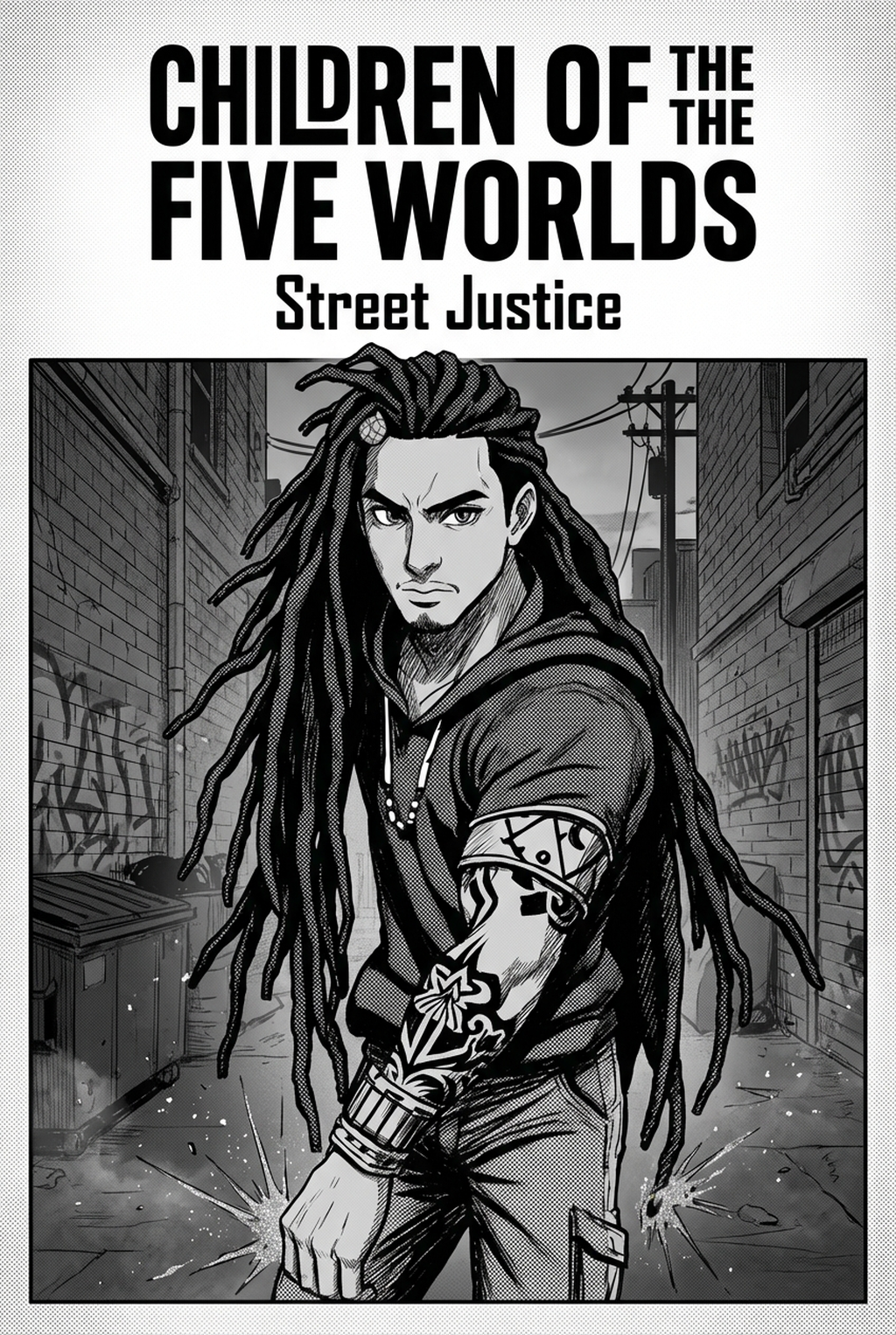
- Geometry validation: Review eye-shape geometry to ensure the character’s gaze remains consistent across different perspectives. * Accessory placement: Check that items like utility pouches or hair accessories are correctly mapped in every sheet to avoid continuity errors. * Style-guide checklist: Mandate a final review of all character assets before any panel is inked to confirm the design holds up against the master model sheet.
Professional Onboarding Strategies
What is the most important element of a manga character design? The silhouette serves as the primary foundation; if a character's shape is unique and readable, they remain memorable regardless of the specific detail density applied to their costume. How do pros maintain consistency in long series? They utilize rigid reference sheets that map out every detail from multiple angles, preventing the common issue of evolving anatomy over time. If a character’s hand size or eye placement drifts during a long-running series, the emotional resonance of the character often suffers as well.
Creative Decisions and Export Quality. Can AI assist with character design for manga? Yes, tools like AI Manga Character Designer workflow with Mangaka help generate consistent character variants, allowing you to focus on story and layout rather than the tedious redrawing of basic character poses. This digital assistance enables you to export high-quality character assets that can be imported directly into your primary drawing workspace for page assembly.
Creators should compare the generated line art with the original sketch and confirm that facial expressions, props, speed lines, and speech-bubble space still support the scene. A repeatable review pass should cover character consistency, panel readability, background clarity, and whether the final file is ready for coloring, lettering, or editor feedback.
- Before Export. Creators should compare the generated line art with the original sketch and confirm that facial expressions, props, speed lines, and speech-bubble space still support the scene. A repeatable review pass should cover character consistency, panel readability, background clarity, and whether the final file is ready for coloring, lettering, or editor feedback.
- For Longer Projects. Creators should save approved examples of line weight, face detail, clothing folds, and background density. Those references keep later chapters closer to the intended style. For collaboration, creators should mark which panels are final and which panels still need redraws. Clear status labels prevent an assistant, editor, or colorist from polishing the wrong version.
- For Publishing. Creators should review the page at the actual reading size before export. Small screens expose crowded dialogue, weak silhouettes, and line details that looked fine while zoomed in. For style control, creators should keep a short reference board beside the draft and compare hair shapes, eye details, costume folds, and texture choices before approving the final page.
Creators can evaluate manga character design with Mangaka mid-workflow when they need the product path tied directly to review, refinement, and export. A real test should use the same sketch, character goal, or panel sequence that would otherwise need manual cleanup after generation.
The Bottom Line
Consistent character design is the most critical factor in transforming a rough concept into a professional, recognizable cast of characters. By leveraging AI-powered generation to maintain high-quality standards throughout your series, you can ensure that your narrative remains immersive regardless of your drawing speed or team size.
Related articles
Mastering AI Character Design for Professional Manga in 2026
AI Character Design: A Guide for Modern Manga Creators 2026
Mastering AI Manga Character Design for Consistent Results