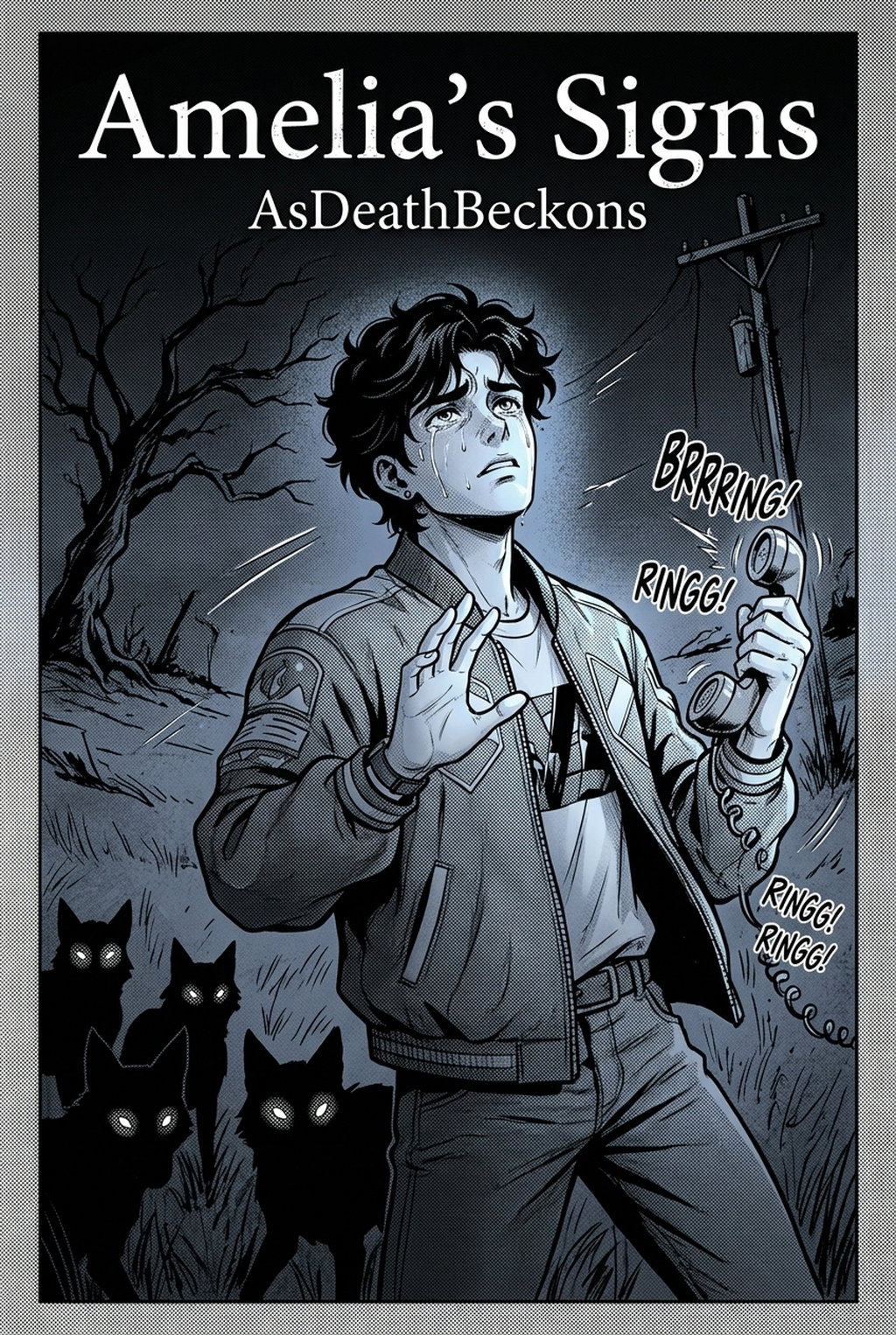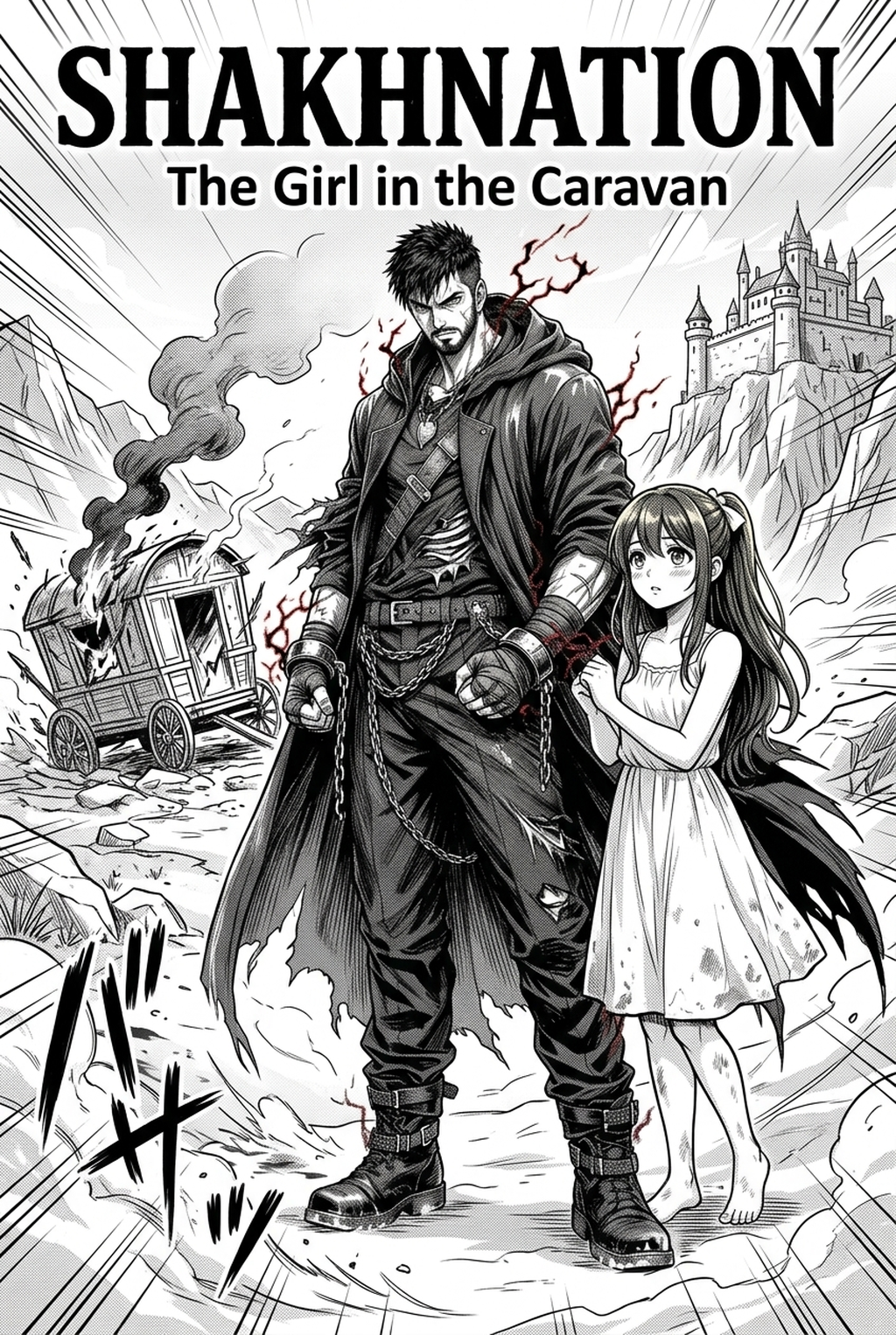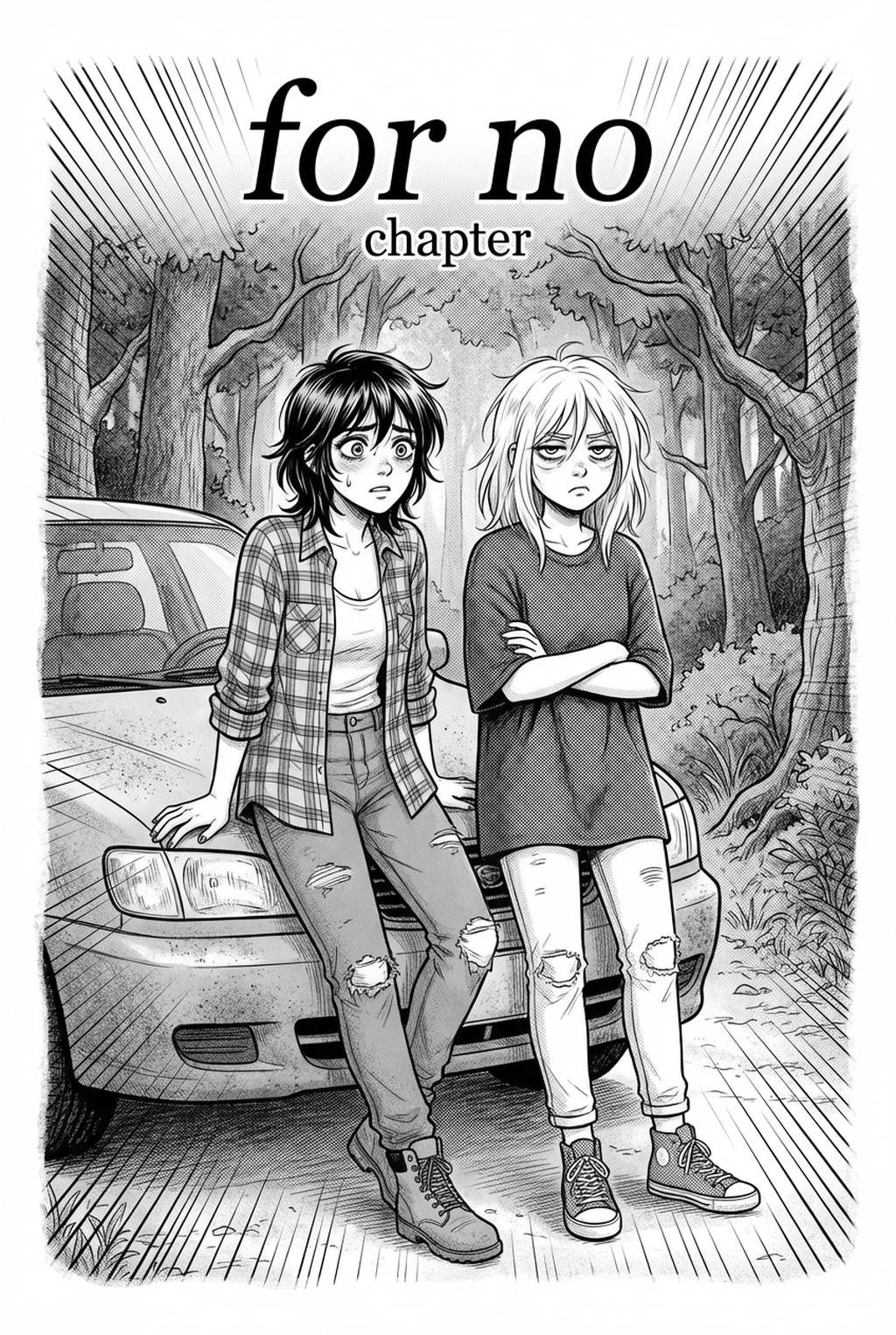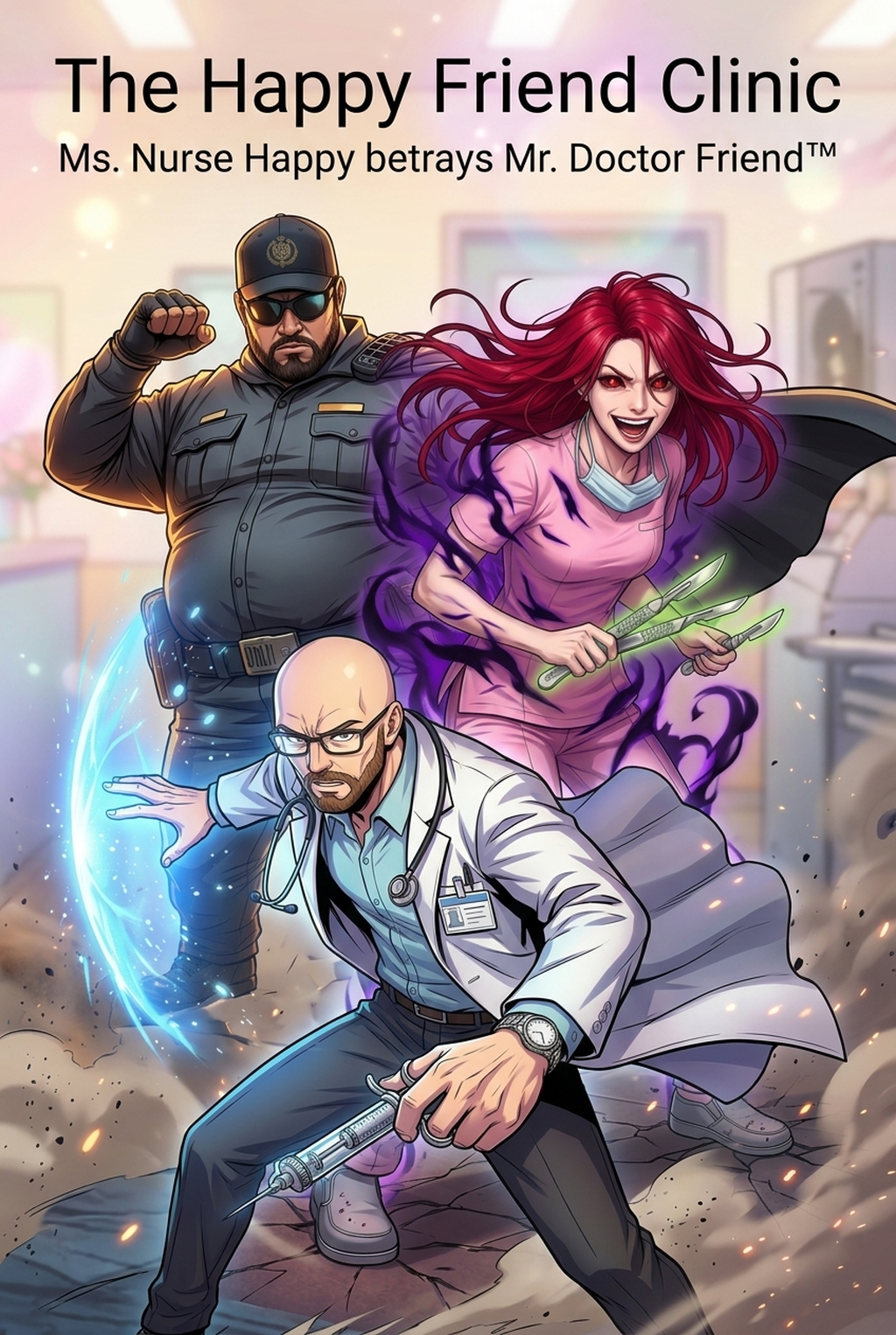
What Is Manga Character Design?
Manga character design functions as a visual shorthand, where specific hair shapes and accessory placements act as identity anchors for the reader. Effective design hinges on balancing the 'complexity-to-clarity' ratio; highly detailed gear might look impressive on a cover page, but it inevitably slows down the inking process when you must reproduce that same armor across thirty panels in a single action sequence.
A streamlined silhouette is superior to a hyper-detailed one because it allows for rapid, consistent reproduction under tight production deadlines. Instead of focusing solely on realistic anatomy, prioritize defining 'character nodes'—distinct features like a specific lightning-bolt cowlick or a unique scar—that remain constant regardless of the character’s emotional state or the panel perspective.
Why AI Manga Character Designer Matters for Manga Creators
Consistency is the primary production barrier in long-form series, as constant camera angle changes and dramatic dynamic posing often lead to visual degradation. Creators who fail to establish a 'Character Sheet' or a 'Reference Sheet' early on will find that their characters begin to lose their structural integrity, forcing expensive, time-consuming manual retouches during the final coloring or toning phase.
- Proportion Lock: Maintain stable head-to-body ratios to ensure characters don't shrink or grow between pages. * Layer Organization: Standardize clothing accessories into specific groups to speed up the inking and flat-color stages. * Expression Range: Create a documented set of six core expressions—neutral, angry, shocked, sorrowful, determined, and joyful—to stabilize facial geometry.
By treating the design as a rigid system rather than a series of one-off illustrations, you eliminate the risk of the 'uncanny valley' where a character looks slightly 'off' due to a shifted facial dimension. This keeps the review focused on story intent, line weight, panel readability, and the export quality behind the final AI Manga Character Designer output.
How Manga Character Design Works with Mangaka
Mangaka allows you to maintain professional-grade stylistic harmony by applying a unified 'source context' to every frame you generate. Instead of manually redrawing every angle, the tool translates your descriptive text inputs into fixed character nodes, acting as a technical stabilizer for your entire project.
By utilizing this system, you ensure that the line art and shadow placement align with your established master design throughout the export process. When you need to generate a new panel, the interface preserves the design DNA of your character, allowing you to focus on panel pacing rather than fighting against anatomy drift or inconsistent line weight.
- Fixed Character Nodes: Generate poses that respect the predefined height and proportions of your protagonist. * Unified Source Context: Ensure that your color palettes and hatching styles remain consistent from the first page to the last. * Reduced Manual Cleanup: Automatically apply consistent facial geometry to varying emotional expressions, cutting down on secondary drawing tasks.
You can start integrating these production-ready workflows into your current project by visiting AI Manga Character Designer workflow with Mangaka and setting your base reference models today. Creators can use each revision decision to clarify panel readability, character consistency, and export quality before publishing or sharing.
Use Cases for AI Manga Character Designer
Avoid the trap of 'over-designing' in the initial conceptual phase, as excess gear and complex textures significantly inflate your production time. A common error involves drawing elaborate outfits that are physically impossible to draw from a low-angle perspective, leading to shortcuts that make the character look fundamentally different in action scenes.
- Turnaround Discipline: Always design a front, side, and back view to understand how the character occupies 3D space. * Personality Integration: Ensure design choices like hair length or clothing fit correspond to the character's core motivation rather than just visual trends. * Simplified Background Appearances: Develop a 'simplified mode' for your character when they appear in distant background shots, ensuring they remain recognizable without consuming your entire page-time budget.
Effective design is not about how many details you can cram onto a character; it is about how much you can remove while still retaining the viewer’s emotional connection to the subject. That extra context helps the reader connect the creative choice to character consistency, composition, speech-bubble space, and final file format.
How to Get Started with Mangaka
The most efficient way to maintain production speed is to shift from manual drafting to a hybrid model that uses AI to enforce character proportions. For instance, if you are working on a 20-page chapter, you should use your character reference set to generate consistent poses, which saves an average of four hours of cleanup time per page.
- Define Your Core Nodes: Start by identifying the three most recognizable physical traits of your protagonist. * Stabilize the Reference: Use the AI interface to build a base model that serves as the 'source context' for all subsequent panels. * Iterate on Poses: Instead of re-drawing a complex jump kick, use the tool to generate the pose and then add your signature inking style over the base output.
By standardizing your input, you ensure that the delivery format—whether a digital web-scroll or a printed physical page—retains the intended visual impact of your original concept. Before export, creators should compare the generated line art with the original sketch and confirm that facial expressions, props, speed lines, and speech-bubble space still support the scene. A repeatable review pass should cover character consistency, panel readability, background clarity, and whether the final file is ready for coloring, lettering, or editor feedback.
The Bottom Line
Professional creator workflow relies on a system of rigid constraints that prevents visual incoherence in a medium defined by speed and recurring motifs. By adopting modern tools like manga character design , you bridge the gap between creative ambition and production speed, ensuring that every panel remains on-model while you maintain your unique artistic voice. Focus on simplicity, systemic consistency, and modular design early on to set your project up for a sustainable, professional-grade run.
Related articles
Mastering AI Character Design for Professional Manga in 2026
AI Character Design: A Guide for Modern Manga Creators 2026
Mastering AI Manga Character Design for Consistent Results