AI Manga Character Designer: Defining the Structure of Character Silhouettes
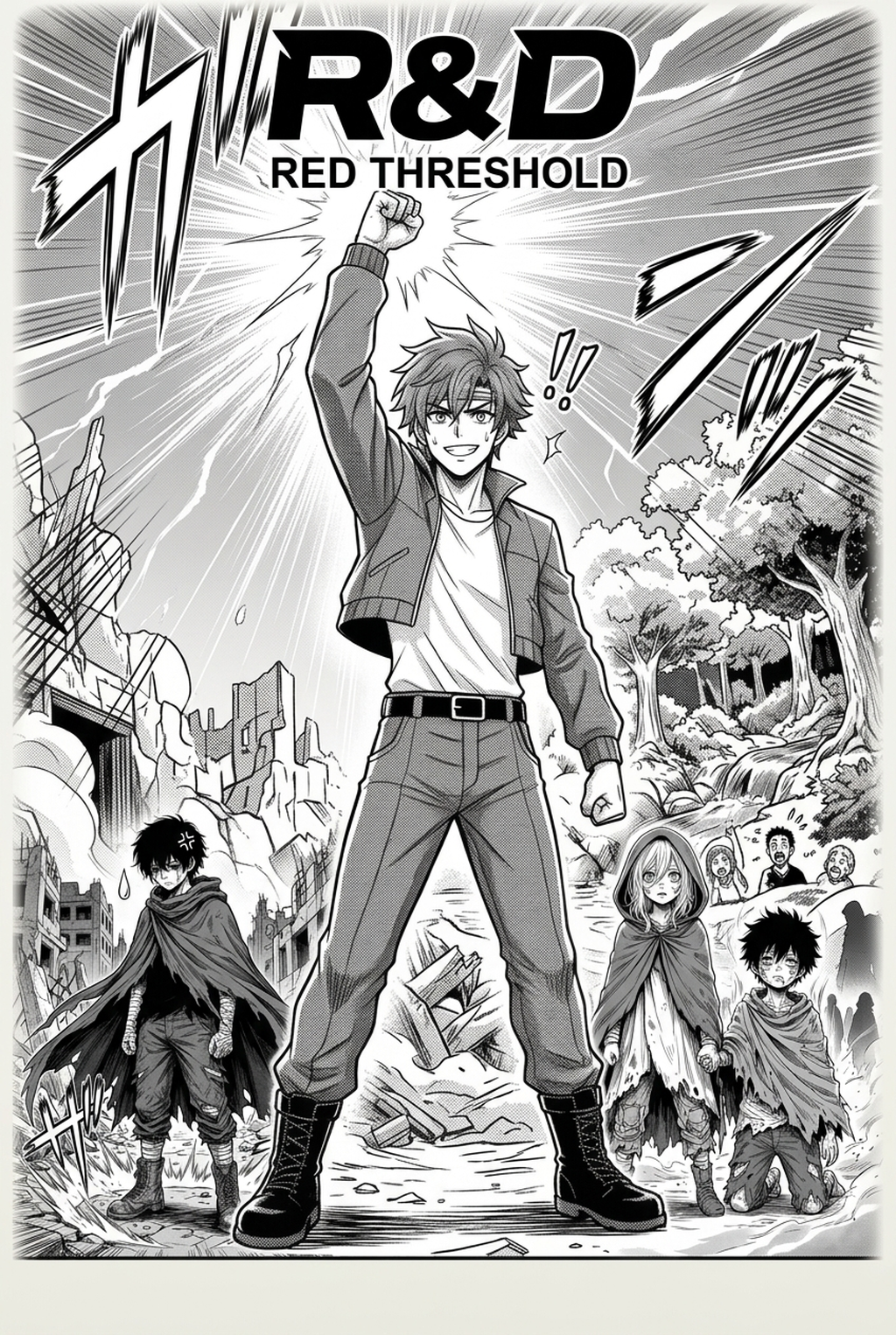
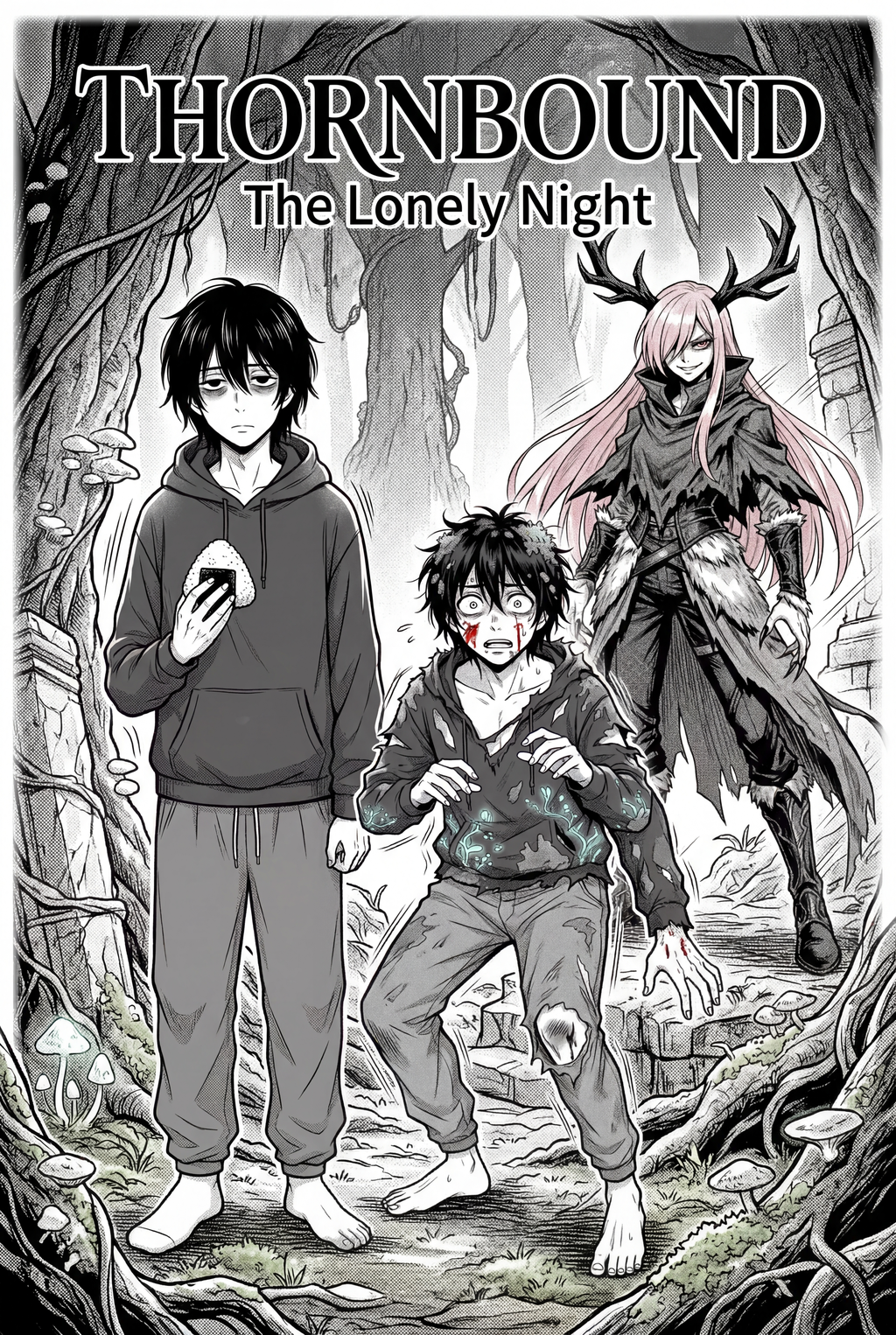
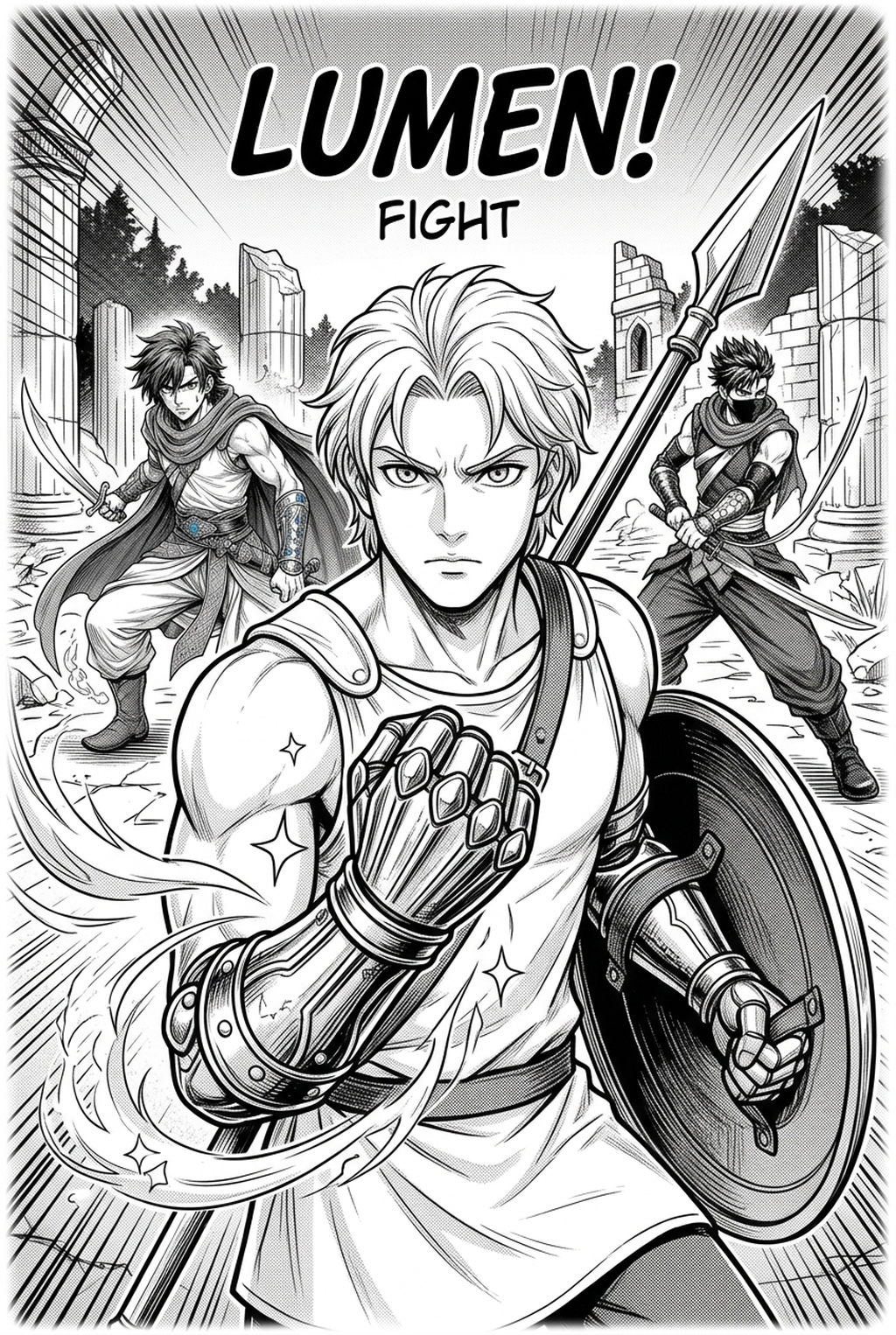
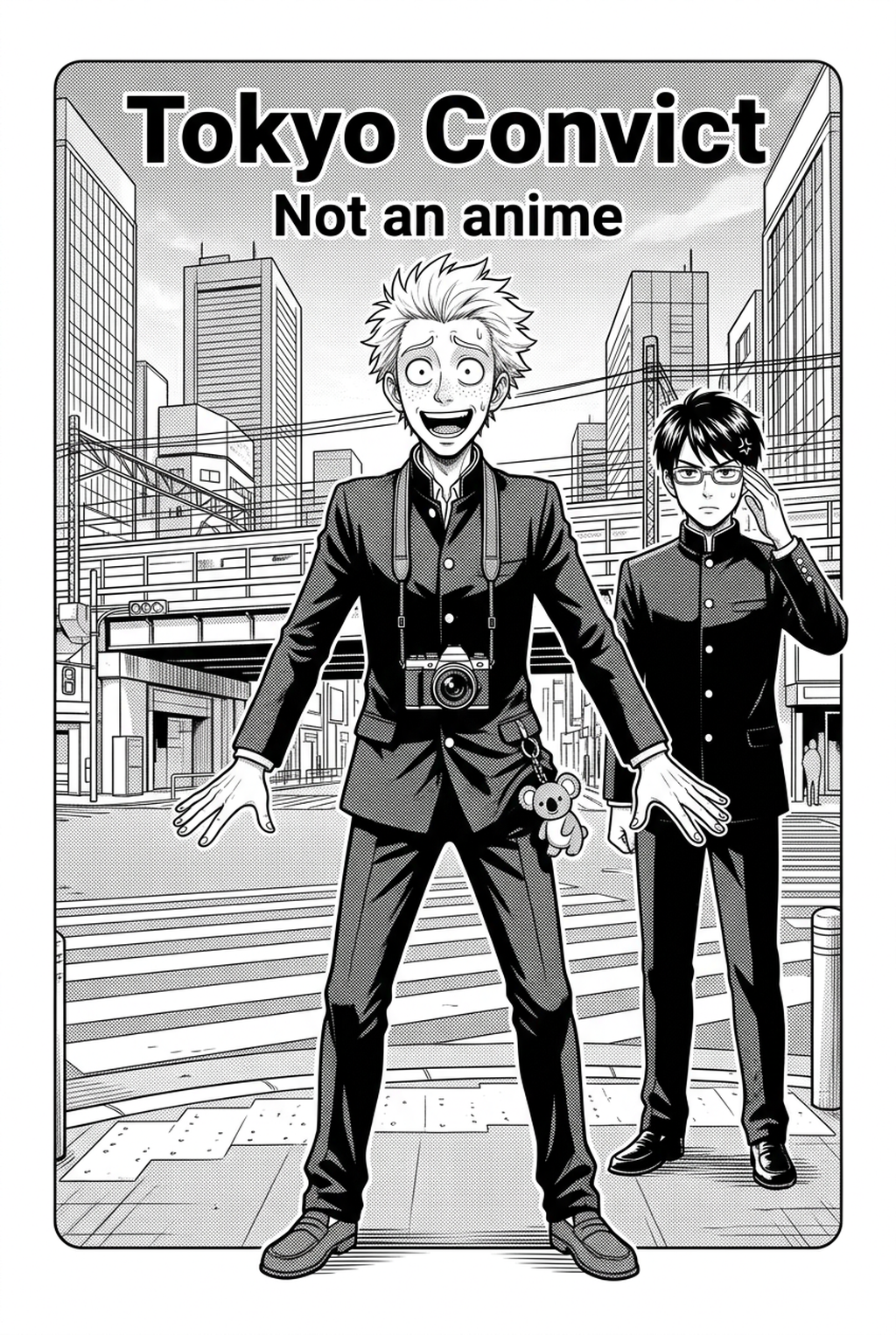
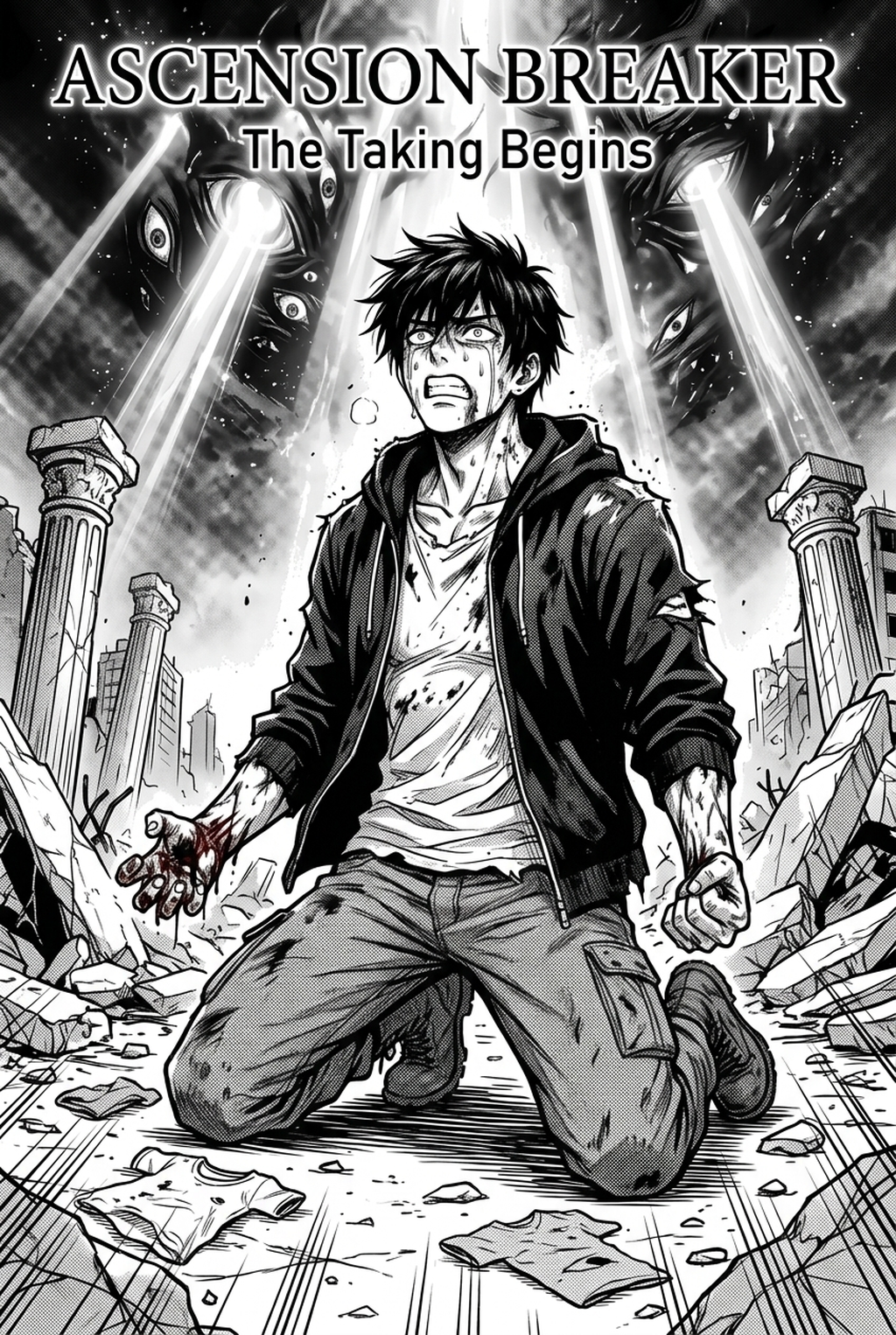
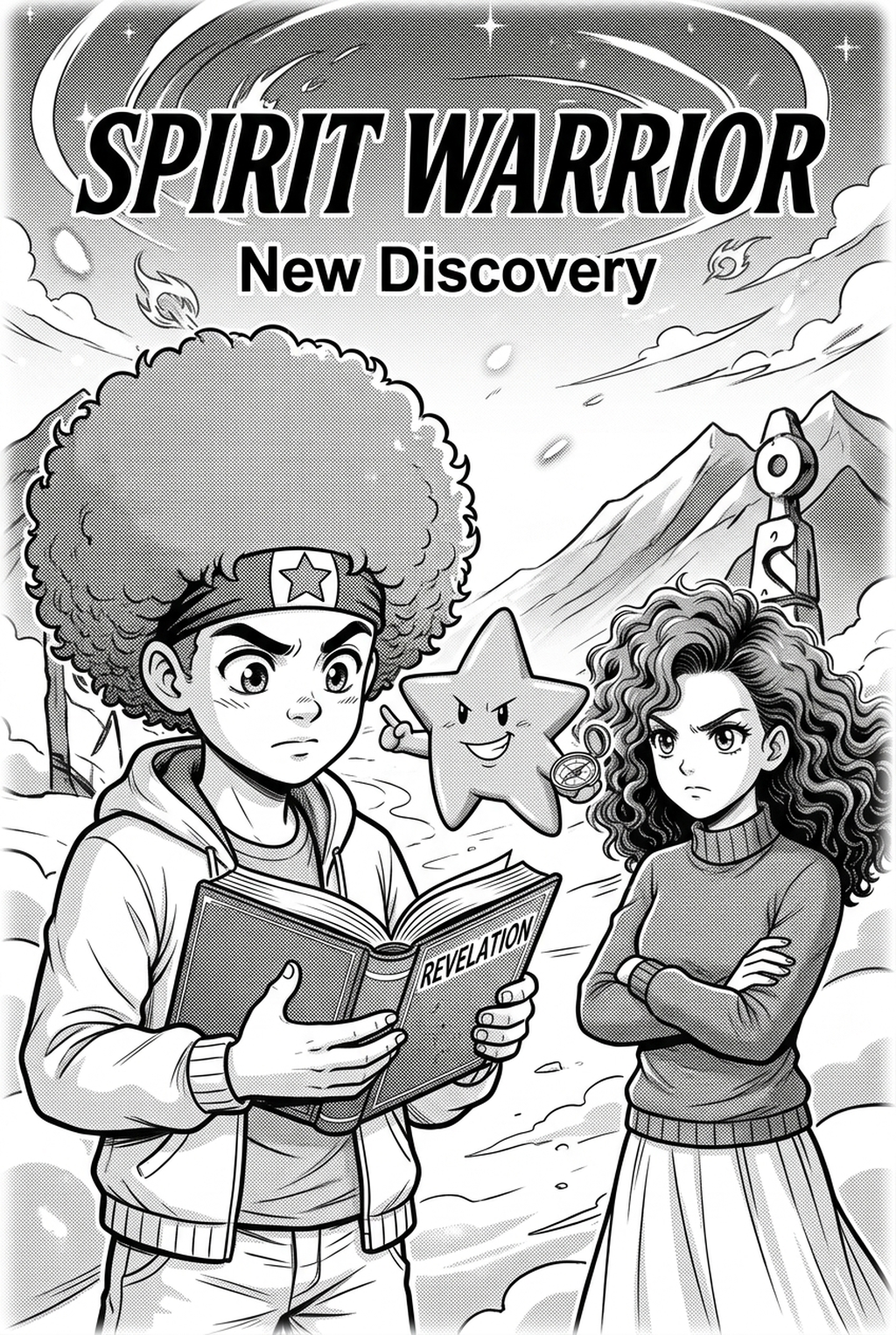
A successful character design relies on the balance between a unique, memorable silhouette and the specific visual markers that distinguish them as a hero, villain, or sidekick. You need to identify three core elements that remain consistent even when the character is rendered in low-detail sequences or tiny background panels.
Signature Motifs: Unique accessories like a jagged collar, a specific weapon hilt, or a distinct hairstyle shape that acts as a visual anchor. * Proportion Markers: Fixed measurements for the head-to-body ratio and limb thickness, ensuring they look like the same person in an action shot as they do in a close-up. * Reference Anchors: A dedicated multi-view sheet—front, side, and three-quarter—that acts as your source of truth for every subsequent sketch.
Focusing on these anchors early in the process creates a reliable template. If your design is too complex, you will struggle to keep the line weight consistent across dozens of high-speed action panels where detail often gets sacrificed for velocity.
Why Structural Uniformity Prevents Character Drift
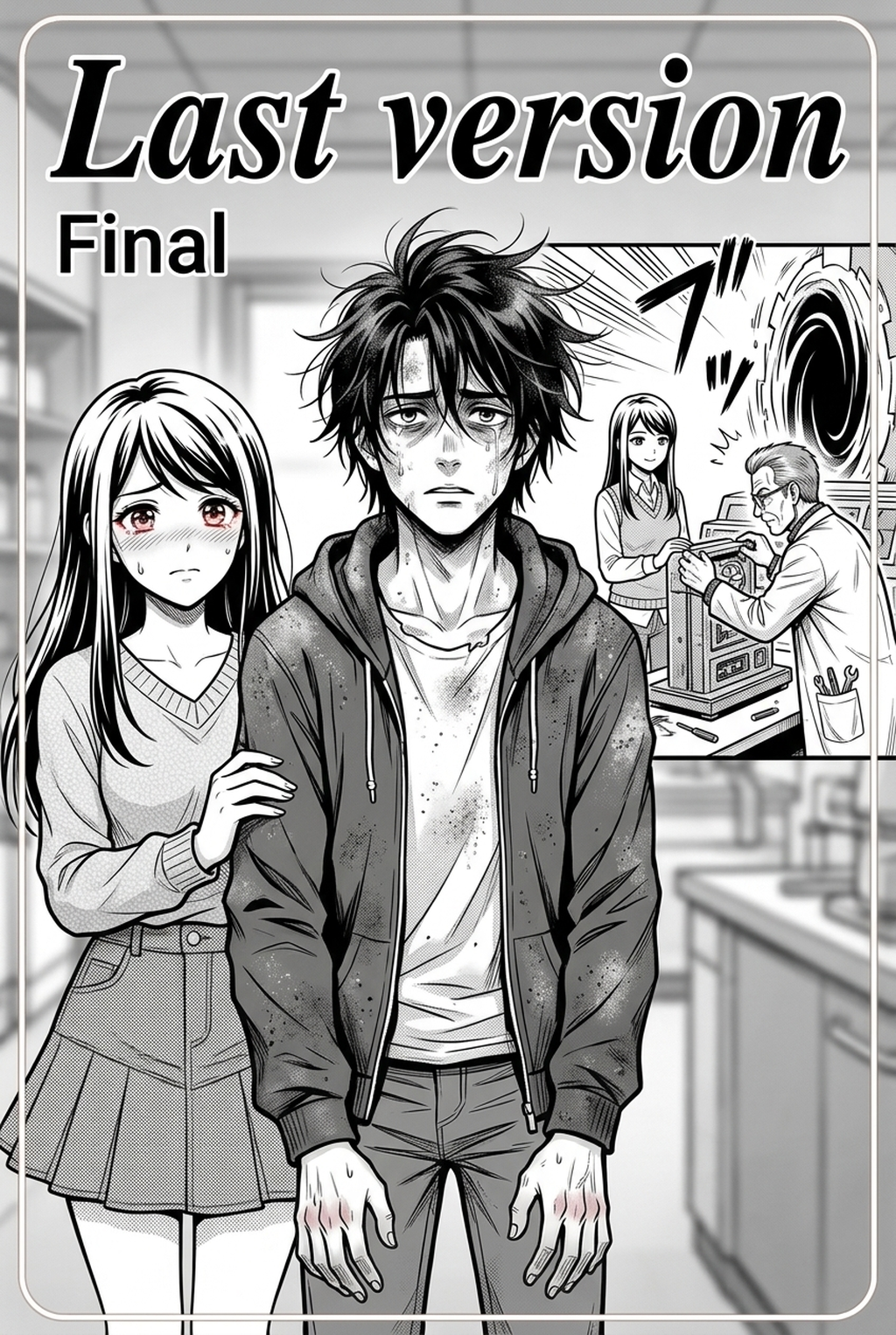
Manual illustration often suffers from "character drift," where subtle changes in the jawline or hair volume accumulate over time until the character looks like a different person by the final chapter. Relying solely on memory or quick, loose sketches to capture a complex design inevitably leads to stylistic inconsistencies.
To counteract this, you must treat your character sheet as a rigid contract rather than a loose suggestion. Strict adherence to a fixed model sheet ensures that specific features—such as the exact placement of eye highlights or the specific curve of an ear—are replicated faithfully across every scene. If you fail to lock these proportions early, you may find yourself performing costly, time-consuming corrections to align the art style after your storyboards are already drafted.
Achieving Design Integrity with Mangaka
Modern tools allow you to generate consistent characters from text, which acts as a "review owner" for your project’s visual fidelity. By defining your character’s appearance in a source context file, you ensure that the AI maintains stylistic integrity throughout the drafting process, effectively generating high-fidelity source context for complex poses that would otherwise require hours of manual construction.
Reference Locking: Use the Mangaka AI character designer to generate variants that adhere to your established parameters, keeping hair length and outfit details locked across different camera angles.
Time Allocation: Shift your production time away from mechanical cleanup of inconsistent limbs and toward the actual storytelling beats of your storyboard.
Iterative Refinement: Quickly prototype difficult angles—like a top-down perspective or a dramatic perspective shift—while trusting the AI to maintain the core identity of the character.
By offloading the generation of repetitive character angles to an automated process, you can move directly to the inking and tone stages with a clean, consistent foundation. This keeps the review focused on story intent, line weight, panel readability, and the export quality behind the final AI Manga Character Designer output.
Strategic Application of Character Designs
Your character's design language should directly serve the narrative beats of each page. A protagonist’s posture or the weight of their outfit should communicate their current state or role, whether they are a seasoned veteran or an underdog starting their journey.
Choosing a clear color palette early is essential for projects that eventually move from black-and-white line art to color. A well-defined palette ensures that the visual impact of a character remains strong, even when converted to grayscale or halftone, which is crucial for maintaining print-quality clarity in both digital and physical formats.
The character’s silhouette should influence your storyboard layout. If your character has an expansive, flowing cape or a prominent weapon, use these elements to guide the reader’s eye across the page and help define the gutter spacing. Placing characters in poses that mirror their primary defining features helps create a more cohesive reading experience and makes the most important panels pop.
Getting Started with Consistent Character Workflows
Artists often worry that using automated generation might strip away their unique personal style, but the reality is that the technology is meant to support your hand-drawn input. You can use an AI-generated base to set the proportions and then inject your specific, hand-drawn line-art style during the inking process.
Maintaining long-form consistency: If you are worried about the character changing over a long series, you must maintain a consistent source context file. This file acts as the AI's reference, ensuring that your character's silhouette remains identical for every new panel generation you request. * Commercial publishing standards: Many independent studios are now integrating these tools to accelerate their prototyping phase. Rapidly generating character iterations allows you to test designs before committing to the final inking and lettering, which is an efficient way to ensure your visual style is finalized before publication.
Creators should compare the generated line art with the original sketch and confirm that facial expressions, props, speed lines, and speech-bubble space still support the scene. Creators can use each revision decision to clarify panel readability, character consistency, and export quality before publishing or sharing.
The Bottom Line
Mastering character design requires a delicate balance between creativity and the rigid consistency needed to keep a story grounded. Tools like Mangaka help bridge this gap by automating the heavy lifting of proportion maintenance and reference creation. By adopting an AI-assisted workflow, you can spend less time struggling with anatomy and more time focusing on compelling storytelling. Start building your professional manga character design today to ensure your series remains visually perfect from the first chapter to the last.
Related articles
Manga Character Design: A Guide to Visual Consistency 2026
Mastering Manga Background Art: A 2026 Guide for Creators
Manga Character Design: A Guide for Modern Creators 2026
Maintain Precise Character Consistency Across Every Storyboard Panel with Mangaka.app
Moving from character model sheets to high-energy storyboard sequences often leads to facial distortion and anatomical drift. Mangaka.app locks your original character proportions, signature facial landmarks, and costume details across dynamic multi-angle camera perspectives, ensuring seamless visual continuity from preliminary thumbnailing to production panels.
- Maintain strict character model proportions across extreme angles, close-ups, and action shots.
- Generate reliable multi-pose turnarounds that match your established manga art style.
- Bridge the gap between initial character turnarounds and complex sequential storyboarding.