AI 4-Koma Strip Maker: Defining the Four-Panel Narrative Flow
The four-panel structure is fundamentally defined by the Ki-Sho-Ten-Ketsu framework, which mandates a specific cadence for narrative tension and release that distinguishes professional work from amateur drafts. This Japanese narrative style serves as the structural backbone for every successful comic strip, preventing the "wandering punchline" syndrome that plagues many creators.
- Ki (Introduction): Sets the stage by introducing your recurring characters and their immediate environment, usually within a single, establishing visual moment. * Sho (Development): Expands upon the initial premise or setup, adding depth or a minor complication to the scenario introduced in the first frame. * Ten (Twist): Provides the pivot point of the story, introducing an unexpected shift, an absurdist turn, or a sudden emotional reversal that catches the reader off guard. * Ketsu (Conclusion): Delivers the final resolution or punchline, bringing the narrative to a definitive close that relies on the contrast between the setup and the twist.
Why AI 4-Koma Strip Maker Matter for Manga Artists
Bite-sized visual storytelling is highly effective for modern social media algorithms because the format aligns with the rapid, vertical-scrolling habits of mobile readers. By utilizing this framework, creators can maintain a consistent "daily reader" audience without the burnout associated with long-form chapter production, as the focus remains on character dynamics rather than complex, multi-arc plotting.
- Reduced Commitment: You focus on short-term gag creation rather than managing long-term narrative continuity, which keeps production morale high over extended periods. * Viral Shareability: The condensed nature of the four-panel layout means readers are more likely to share a single, complete image file on social platforms. * Audience Retention: By establishing a familiar cast, you build a recognizable "brand" that rewards fans for checking in every single day to see a new variation on your recurring jokes.
How 4-Koma Comedy Strips Works with Mangaka
AI-driven creation tools streamline the technical overhead of producing comics by converting a single raw punchline into fully rendered, professional layouts. This process removes the technical friction of drawing repetitive frames, allowing the artist to focus entirely on the quality of the script and the precision of the visual gag.
| Feature | Manual Workflow Pain Point | Mangaka Solution |
|---|---|---|
| Panel Layout | Manual grid drawing and alignment | Instant composition and gutter creation |
| Character Fidelity | Proportion and costume drift | Consistent model tracking across all panels |
| Drafting Speed | Hours of sketching per strip | Rapid generation from text-based briefs |
If you are a solo artist struggling to finalize your drafts, 4-koma comedy strips to see how the software handles the underlying geometric alignment of panels while you focus on character expressions. The AI preserves your specific style parameters, ensuring that the exported final product maintains a professional, uniform line weight throughout the entire sequence.
Use Cases for AI 4-Koma Strip Maker
Creators frequently use these compact, self-contained narratives to experiment with artistic styles or character designs before committing to the labor-intensive requirements of a full-scale serialization. By maintaining a massive back-catalog of punchlines through automated storyboarding, you ensure your publishing schedule never falters, even when your personal creative energy fluctuates.
- High-Volume Serializing: Use consistent digital assets to generate variations of your characters in different scenarios, keeping your feed active daily. * Gag-a-Day Buffering: Maintain a queue of ready-to-publish strips by leveraging AI to generate the base storyboard, which you can then refine and finalize for output. * Visual Prototyping: Test how a new art style or character design resonates with your audience through low-stakes, four-panel shorts before investing weeks of work into a long-form pilot.
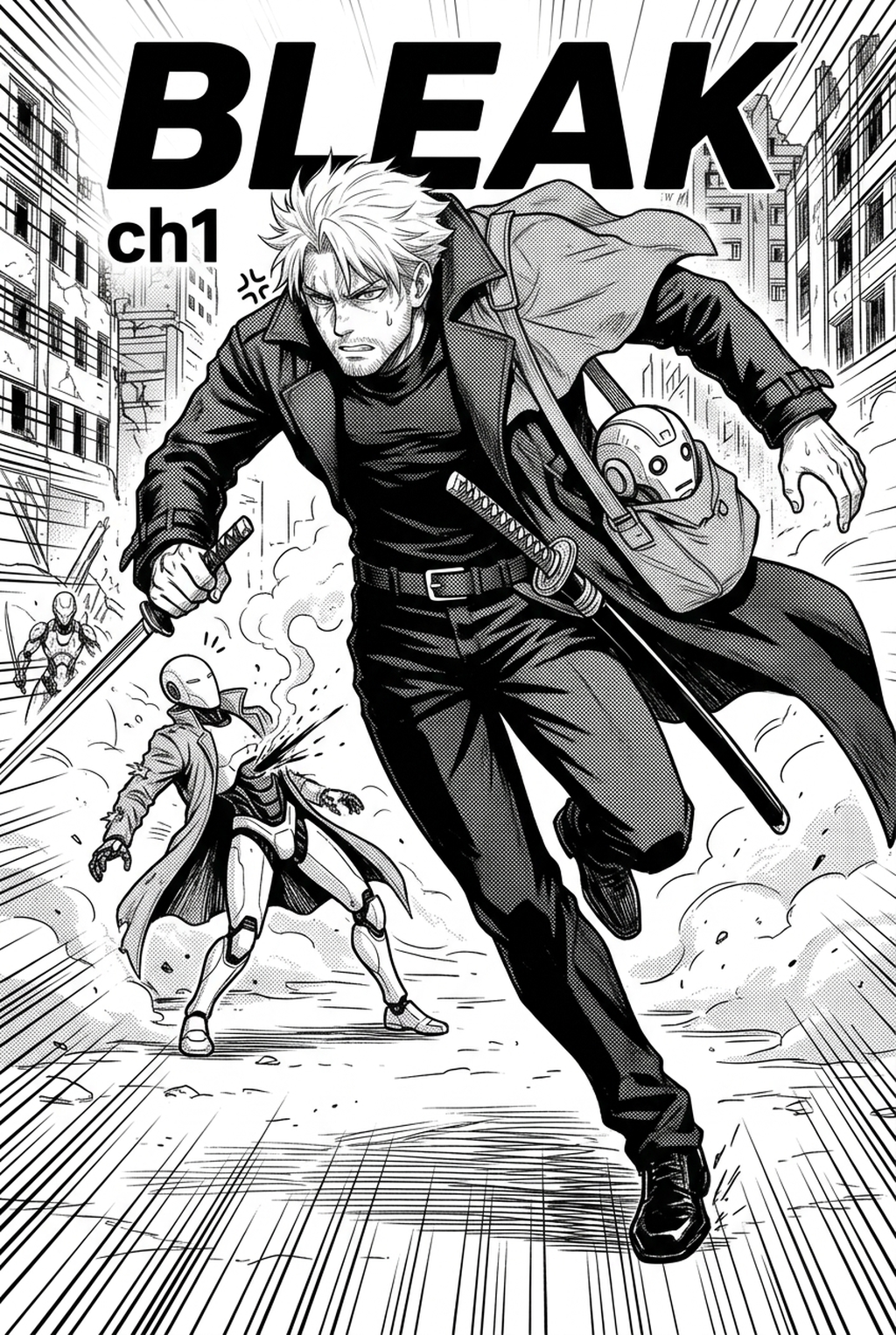
- Chapter cadence. Use the AI pass for pages where speed matters most, such as repeated action poses, transformation beats, or dense speed-line panels. Keep manual cleanup for hero panels where the line style defines the emotional peak.
- Character continuity. Compare the generated lines against the same model sheet, costume notes, and facial-expression range used during sketching. This prevents a fast inking pass from drifting away from the character identity readers recognize.
- Export readiness. Check whether the final manga output can move into lettering, coloring, or final layout without rebuilding panel borders or speech-bubble space. A good manga workflow should save time while keeping the next production step predictable.
How to Get Started with Mangaka
Learning to work with an AI-assisted workflow requires a shift in how you view the "blank page. Instead of starting with a pencil, start with the joke—the Ki-Sho-Ten-Ketsu sequence—and let the platform handle the heavy lifting of composition and consistency.
- Mastering the Structure: You will naturally learn the rhythm of Ki-Sho-Ten-Ketsu within your first five generated strips as you observe how the AI distributes weight across the four panels. * Timing through AI: The tool is designed to support the specific comedic timing you define, allowing for subtle adjustments in facial expressions or panel spacing to ensure the Ten" (Twist) hits with maximum impact. * Choosing Your Style: Select an art style that complements your humor; for instance, sharp, clean line art works best for rapid-fire puns, while more detailed, textured tones better suit slice-of-life storytelling.
Creators should compare the generated line art with the original sketch and confirm that facial expressions, props, speed lines, and speech-bubble space still support the scene. A repeatable review pass should cover character consistency, panel readability, background clarity, and whether the final file is ready for coloring, lettering, or editor feedback. For longer projects, creators should save approved examples of line weight, face detail, clothing folds, and background density. Those references keep later chapters closer to the intended style.
The Bottom Line
Mastering the art of the 4-koma comedy strip requires a disciplined balance of creative timing and consistent production, ensuring that your punchlines always hit with the intended impact. By utilizing advanced production tools, you can bridge the gap between initial joke inspiration and professional-grade delivery, ensuring that your content remains consistent, timely, and high-impact. To start automating your layout phase and focusing on what matters most, 4-koma comedy strips today and see how these digital tools improve your daily output.
Related articles
Decoding the Apothecary Diaries Art Style: A 2026 Guide
Mastering Foodie Manga Background Art: A Creator’s Guide
Manga Inking: A Guide to Clean Line Art and Digital Flow