Understanding the Artist Role
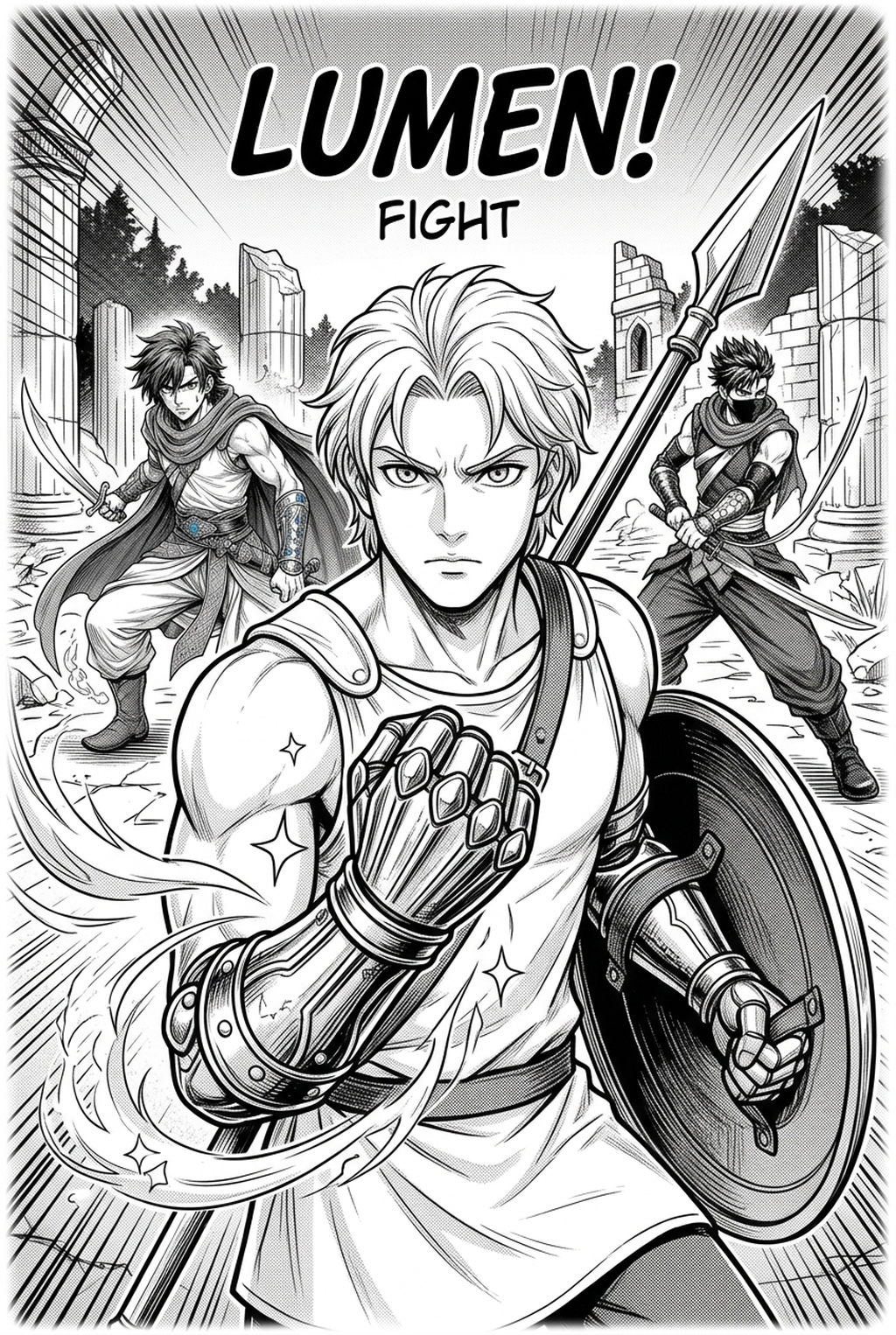
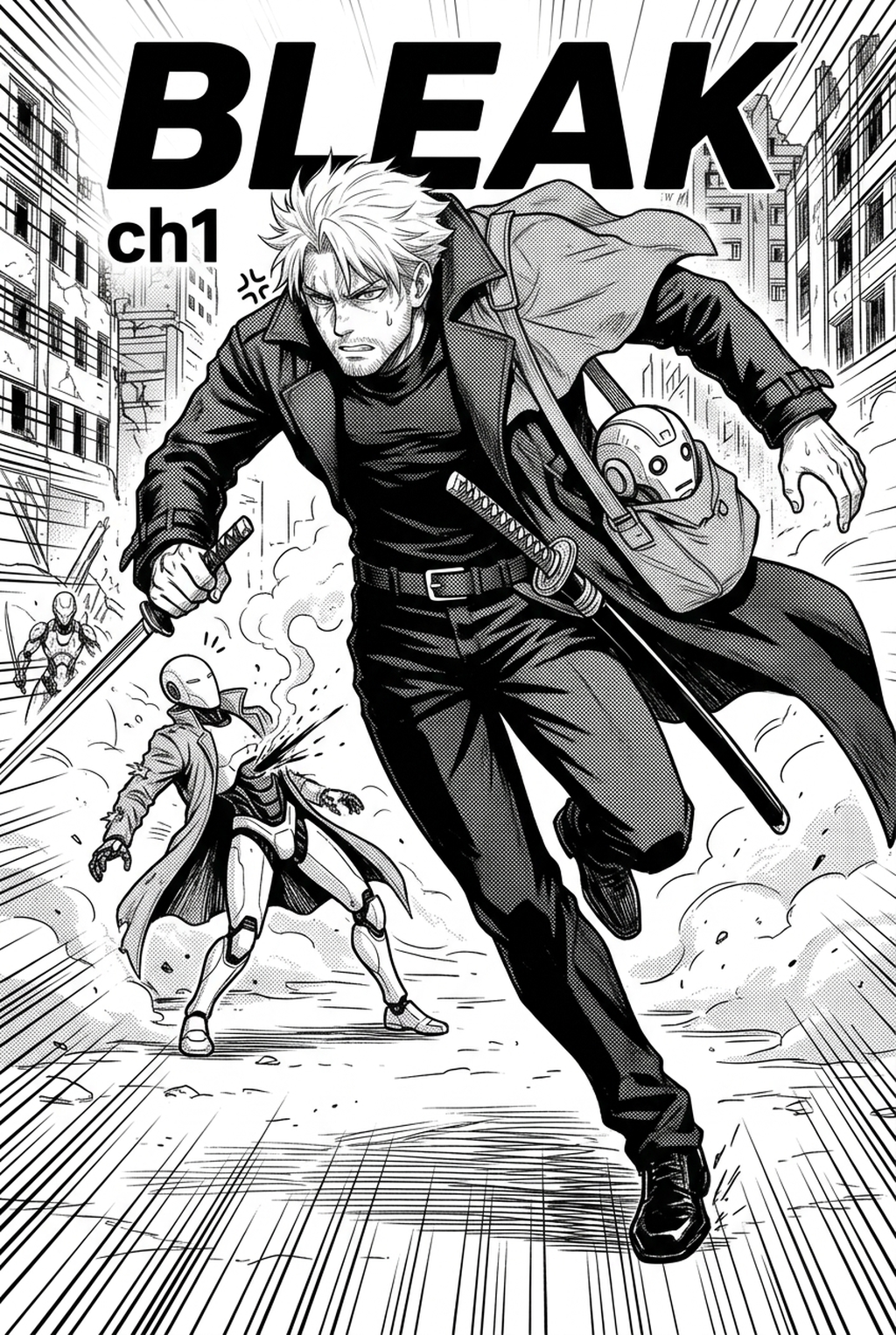
A manga colorist is a technical specialist who translates stark black-and-white ink work into a narrative-driven visual language. Their work goes beyond mere aesthetics; it establishes the time of day, atmospheric temperature, and emotional weight of a scene without compromising the integrity of the original line work.
Creators must differentiate between the mechanical labor of preparation and the artistic decision-making of final output. If you fail to separate these, your production timeline will stall during the final coloring pass. This keeps the review focused on story intent, line weight, panel readability, and the export quality behind the final AI Manga Colorist output.
- Base Flatting: This involves assigning a flat, uniform color to every distinct area, such as character skin, hair, or background architecture, to establish a foundation. * Narrative Rendering: This stage injects life into the page by defining primary light sources, creating depth through gradient shifts, and applying atmospheric textures like rain, fog, or magical FX.
Why This Craft Matters for Your Release
Effective color usage directly dictates how a reader perceives the pacing of your narrative. When you neglect the psychological impact of color palettes, your reader may struggle to distinguish between key action panels and static background exposition, leading to a drop in engagement for your long-running series.
- Reader Eye-Guidance: Strategic use of saturation and high-contrast color highlights focal points, effectively steering the reader through complex, multi-panel page layouts. * Production Velocity: Independent creators often face a "bottleneck of labor" where manual coloring consumes 60% of the production time, potentially delaying your weekly or monthly release schedule. * Stylistic Brand Identity: Maintaining consistent hue shifts and saturation levels across chapters creates a professional, recognizable brand identity that readers associate with high-quality, studio-produced manga.
How Mangaka Helps Your Process
Mangaka acts as a digital assistant that applies vibrant color layers to your black-and-white pages while keeping your original ink lines intact. By automating the tedious task of flatting and mask creation, the software frees you to focus on high-level artistic adjustments like adjusting light bias or choosing custom mood palettes.
| Workflow Task | Manual Approach | Mangaka Assistance |
|---|---|---|
| Masking/Flatting | 4-6 hours per page | Seconds/Automated |
| Line Integrity | High risk of smudge/blur | Preservation guaranteed |
| Palette Updates | Requires total repaint | Influenced by inputs |
Unlike generic image-generation tools that might distort your stroke weight or create "bleeding" into the white space, this technology respects the density of your inking. It recognizes the difference between a thin cross-hatching texture and a solid black shadow, ensuring that your original composition remains as sharp as it was on the initial page layout. You can access the creative tools directly at manga colorist with Mangaka to see how it handles your specific line work.
Use Cases for Color Application
Coloring strategies must shift based on the intended genre to ensure your visual output matches the narrative's intensity. If you treat a grounded mystery exactly like an explosive action title, the disconnect between your visuals and your dialogue will confuse your audience.
- Shonen Dynamic Rendering: This involves using high-contrast, saturated palettes that emphasize movement and character power-ups. Mangaka-assisted pages here focus on bold highlights that make action panels pop against the page, distinguishing them from the flatter aesthetics of standard vertical comic platforms. * Seinen Atmospheric Depth: Creators working in more mature genres often require nuanced, desaturated palettes that prioritize realism and narrative tension. The focus shifts toward soft, realistic light scattering rather than flat, bright fills, which helps maintain the serious tone required for high-stakes drama. * Delivery Format Constraints: You must manage the technical requirements for different viewing environments. A color page optimized for a high-resolution print collection might look too dark on a mobile device, so the ability to toggle between print-ready 600dpi and screen-optimized 72dpi files is essential to avoid pixelation or muddy colors.
Getting Started with Your Workflow
You retain full creative control over your project while the engine handles the technical rendering heavy lifting. By providing a base color influence, you guide the artistic direction of each page while ensuring your final export remains in a standard, print-quality format.
- Palette Influence: Yes, you can influence the color output through your inputs while the software renders the complex light and shadow interactions. * Ink Integrity: Mangaka does not erase or modify your original ink lines, treating your line art as a fixed layer that sits above the color base. * Professional Output: Every export is generated with high-resolution standards in mind, ensuring your pages are ready for both professional print services and digital reading platforms.
Creators should compare the generated line art with the original sketch and confirm that facial expressions, props, speed lines, and speech-bubble space still support the scene. A repeatable review pass should cover character consistency, panel readability, background clarity, and whether the final file is ready for coloring, lettering, or editor feedback.
Creators should save approved examples of line weight, face detail, clothing folds, and background density. Those references keep later chapters closer to the intended style. For collaboration, creators should mark which panels are final and which panels still need redraws. Clear status labels prevent an assistant, editor, or colorist from polishing the wrong version.
The Bottom Line
A professional AI AI Manga Colorist workflow workflow role is no longer defined by hours of tedious manual filling, but by the ability to direct the atmospheric and visual flow of your story. By integrating advanced tools into your production, you can achieve studio-level visual fidelity without sacrificing your creative control or release cadence. Start refining your workflow today by visiting manga colorist and see how your work looks with professional, AI-assisted color.
Related articles
How to Create Stunning Sci-Fi Manga Backgrounds Fast in 2026
Manga Colorist: 2026 Guide for Creators
What Does a Manga Colorist Do? A Modern Workflow Guide 2026