The Professional Role of a AI Manga Colorist
A professional in this field is responsible for applying flat colors, shadows, and highlights to black-and-white panels while maintaining the structural integrity of the creator's ink work. The primary objective is to elevate the visual hierarchy without sacrificing the crisp edges that define a classic manga aesthetic.
- Flatting and Masking: You must isolate every hair strand, clothing fold, and background element into individual layers to prevent spill-over during later lighting passes. * Lighting and Depth: Adding consistent highlights and shadows across a 20-page chapter ensures that the mood remains cohesive even when scenes jump between interior and exterior locations. * Palette Optimization: Selecting colors that match the specific genre, such as bright primary tones for action or muted, desaturated shades for psychological drama, determines the emotional resonance of the final output.
Why Technical Precision Matters for Creators
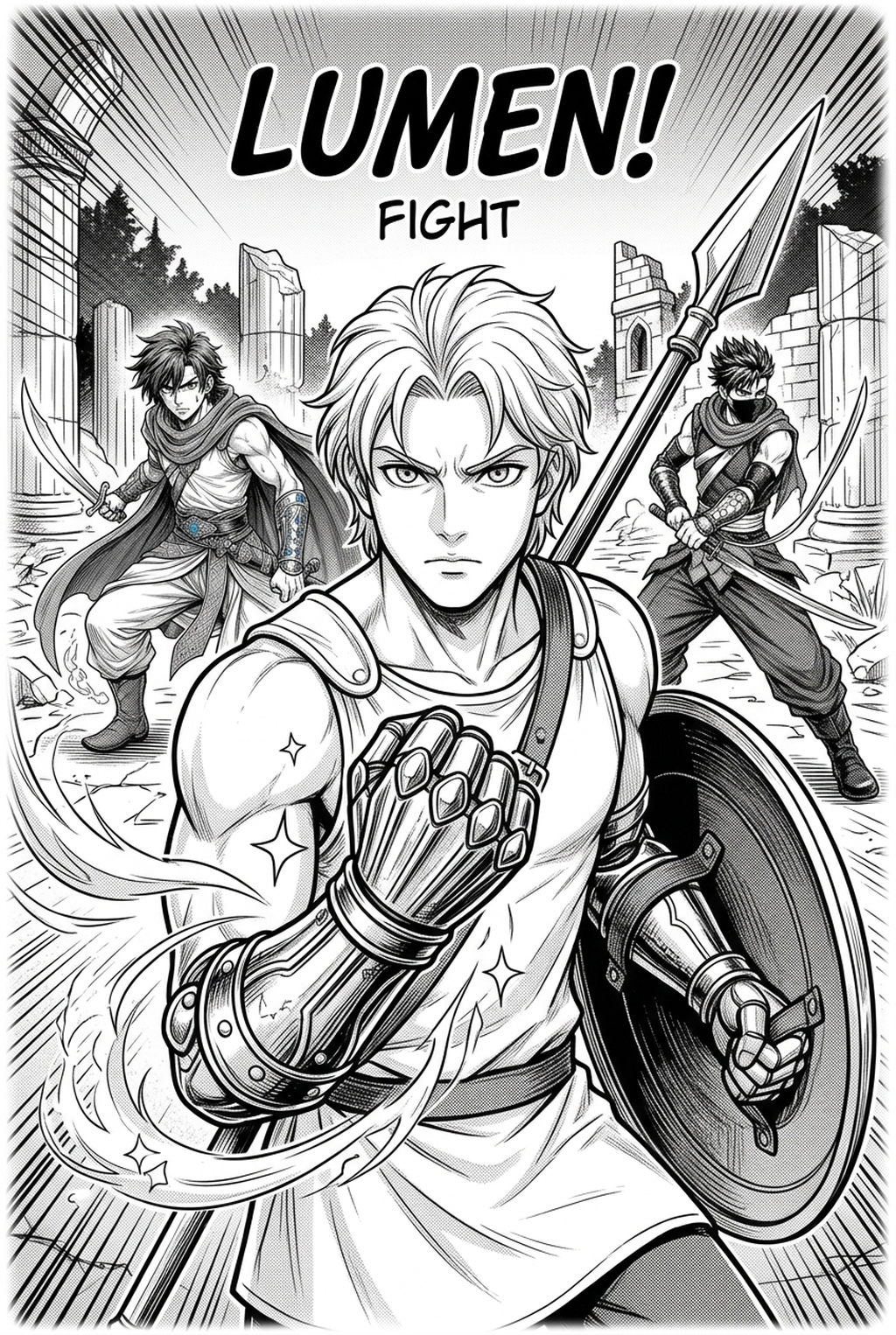
Preserving original line work is the primary challenge for any colorist, as 'bleeding' colors or blurry lines degrade the impact of high-contrast manga drawings. When lines are physically compromised by thick color fills, the reader loses the sense of texture and character silhouette that the mangaka labored to draw by hand.
The biggest risk in modern digital coloring is the destruction of hand-drawn 'screen tones' or complex hatching patterns. If you apply color in a way that flattens these textures, the depth of the drawing effectively vanishes, turning a high-fidelity ink masterpiece into a muddy, washed-out image.
To prevent loss of quality, your workflow must utilize non-destructive layers that lock color to the interior of inked paths. This approach ensures that you can adjust saturation or hue balance without re-drawing the foundational lines, keeping the original art style intact throughout the entire editing cycle.
Integrating Colorist Workflows with Mangaka
Automated tools like Mangaka drastically reduce the time spent on repetitive tasks like flatting, allowing you to focus on artistic direction and panel composition. By using an AI-assisted solution, you can maintain consistent color profiles across dozens of pages, a task that often leads to severe burnout when done manually with traditional brush-and-fill techniques.
Modern tools use sophisticated edge-detection to isolate high-density ink zones before applying color. This prevents the common failure mode where thin, light-pressure lines are swallowed by bright fill colors, maintaining the sharpness of your original pen pressure across every panel.
Check character consistency, panel readability, line quality, and export readiness before publishing. Creators should also record why the page passed review, which panel details still need manual cleanup, and which export format the next collaborator will use. That makes the subsection useful instead of leaving a short checklist under a large heading.
For Creators Managing a Solo Studio. An AI assistant acts as a force multiplier that ensures professional-grade color output without needing an entire team of background artists. You can manga colorist with Mangaka to see how automated masks stabilize your workflow, ensuring that your production speed increases without requiring a compromise in visual quality.
Genre-Specific Use Cases and Controls
Different genres require vastly different approaches to color depth and contrast, which determines how you configure your software settings before starting a new chapter. If you treat a gritty, realistic project the same way you treat an upbeat, action-oriented series, the final product will feel tonally disjointed and amateurish.
- High-Energy Saturation: Shonen titles often prioritize high-energy, vibrant palettes that demand specific contrast controls within the software to prevent colors from washing out the sharp ink borders. * Highlight Contrast: Using bold, high-contrast lighting is essential to make character abilities and action sequences feel "pop" off the screen, which requires careful management of saturation thresholds.
- Muted Palette Selection: Seinen projects frequently utilize muted, moody, or hyper-realistic palettes where the color depth features in the tool assist in layering shadows effectively. * Environmental Detail: You should focus on atmospheric depth, using darker, desaturated color gradients to emphasize the architectural details or heavy environmental shadows that ground these stories.
The tool must allow for per-panel source context adjustments, ensuring that action-heavy scenes have different saturation thresholds than dialogue-focused character panels. You cannot simply apply a global filter to an entire page, as that leads to character proportions or facial details becoming obscured in darker scenes.
Getting Started with Modern Coloring Tools
Many creators express concern that an AI colorist might replace human artistic intuition, but in practice, the tool serves as a partner for efficiency while the artist provides the final creative direction. The goal is to move the drudgery of flatting into an automated process so that you have more hours to spend on character expression and page layout.
A common question involves whether the output is ready for professional printing. The answer is yes, provided the software supports high-DPI export settings that match industry-standard delivery formats. Ensure your final PNG or PSD export is set to a minimum of 300 DPI for print, or the resolution will appear pixelated in professional physical editions.
- Line-Weight Preservation: Does the tool detect the difference between a thin cross-hatch and a bold contour line? * Resolution Flexibility: Can you export at a resolution high enough for physical manga tankobon printing? * Consistency Checks: Does the tool remember the RGB values of a character’s hair across twenty consecutive pages?
The Bottom Line
Adopting an AI-assisted coloring workflow allows creators to scale their production without sacrificing the unique, inked aesthetic that defines their personal artistic style. By automating the time-consuming tasks of flatting and shadow application, you can finally reclaim the hours needed to focus on narrative pacing and complex character design. For creators ready to modernize their studio, explore the AI AI Manga Colorist workflow workflow creation tools today to experience how AI integration makes every panel pop.
Related articles
Master Manga Colorization with AI in 2026
What Does a Manga Colorist Do? A Guide for Modern Creators
How to Create Stunning Sci-Fi Manga Backgrounds Fast in 2026