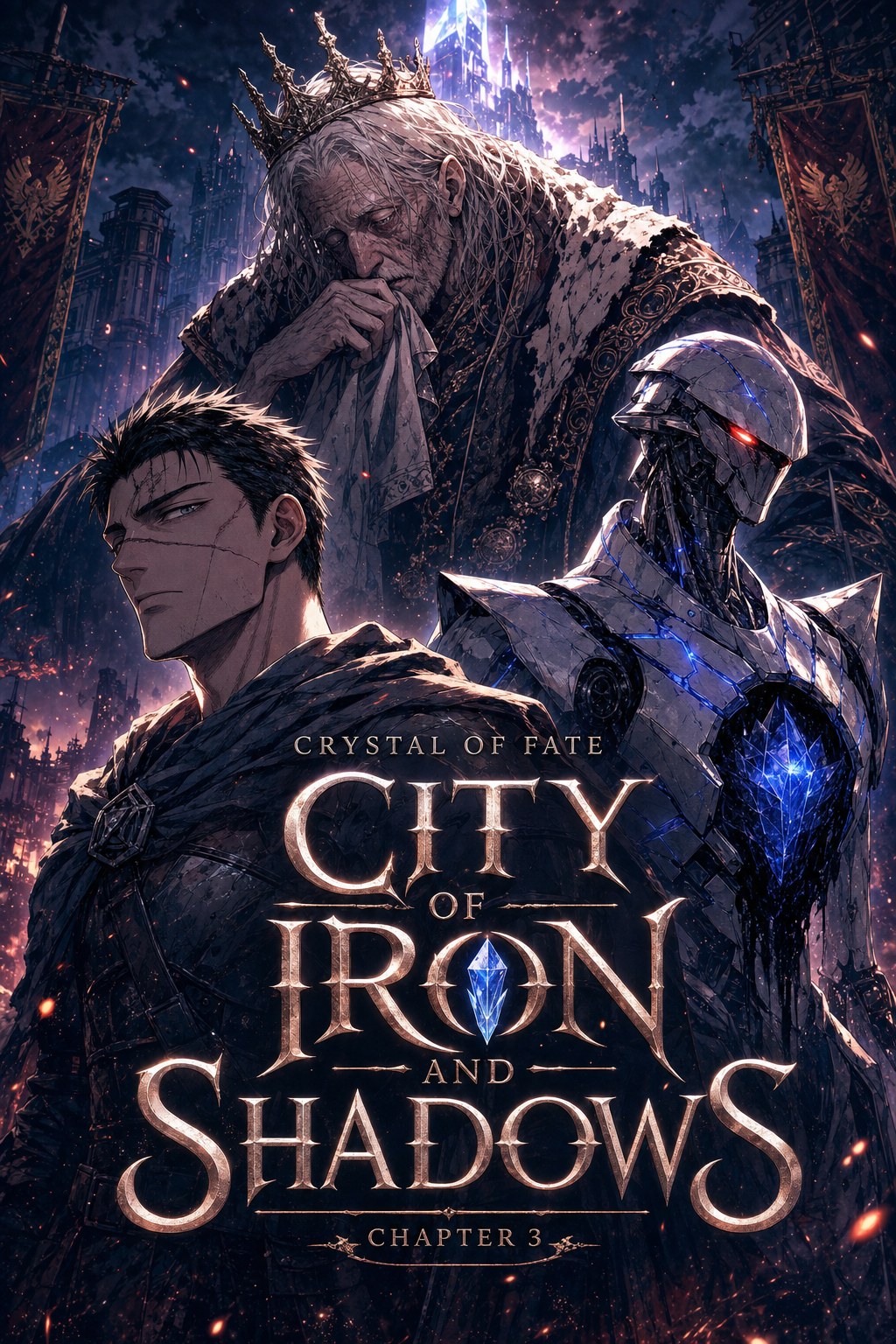
AI Manga Colorist: Why Colorization Matters for Manga Creators
Efficiently managing a multi-page chapter requires balancing aesthetic impact with the physical reality of production deadlines. When you integrate high-speed colorization, you can allocate your limited hours to storyboarding and character consistency, rather than chasing base-color errors on individual panels.
- Print-Ready Output: The platform generates assets compatible with professional publication standards, ensuring your colors hold their saturation when printed in physical formats. - Workflow Scalability: Studios can use batch processing to colorize dozens of panels simultaneously, reducing the time from raw ink to final export from days to mere hours. - Mood Customization: Creators can adjust the atmospheric tone of a scene—switching from high-octane shonen action with sharp, contrast-heavy palettes to softer, muted tones for slice-of-life storytelling.
| Feature | Manual Process | Mangaka AI |
|---|---|---|
| Flatting Time | 2-4 hours per page | Seconds |
| Shading Accuracy | High (Human error risk) | Consistent (Style-locked) |
| Line Fidelity | Fragile (Risk of smudging) | Protected (Layered) |
The evaluation criteria for any professional tool must include the ability to handle varying line weights, maintain consistent character palettes across panels, and export in lossless formats like PSD or high-resolution PNG. Mangaka excels by isolating your ink layer as an untouchable anchor, meaning the software only modifies the pixels behind your line work. This prevents the "blurred edge" problem where traditional recoloring tools inadvertently degrade the quality of intricate cross-hatching or sharp speed lines.
How Mangaka Handles Color Workflow
Professional manga artists prioritize control over the final look, which is why the tool provides granular toggles for color depth rather than relying on black-box automation. By isolating your line-art layer, the AI identifies regions of whitespace—such as character hair, clothing, or background environments—and applies color fills that respect your established panel composition.
- Artist-First Adjustments: You maintain oversight of the final saturation, allowing you to fine-tune the output if the AI chooses a shade that clashes with your specific character design sheets. - IP Security: Every upload is treated as private intellectual property, ensuring that your storyboards, character poses, and plot-sensitive layouts are never stored or used to train public datasets. - Style Preset Integration: Save your unique color profiles to ensure that a character’s hair or outfit colors remain consistent throughout a 200-page volume.
Consider a 15-panel action sequence where a protagonist performs a signature technique. Instead of manually flatting every frame, you upload your high-resolution ink pages (roughly 300MB per batch). You then review the output for any minor highlights or deep shadows, apply a quick mask if necessary, and export the entire set as a PSD with isolated color layers for final post-production refinement.
Use Cases for Advanced Colorization
Whether you are producing a long-running seinen series or a vertical-scroll web manga, the ability to rapidly colorize saves your team from common burnout scenarios. The system is specifically optimized to recognize the difference between digital brush strokes and traditional scanned sketches, allowing it to adapt to your preferred physical or digital medium.
- Traditional Sketches: If you scan your hand-drawn, pencil-based outlines, the engine intelligently cleans up noise while maintaining your unique, tactile ink style. - Style-Matching Presets: Apply pre-configured parameters to ensure that backgrounds in city scenes maintain a consistent urban palette without manual re-shading. - Web-Manga Pacing: Rapidly colorize long, vertical-scroll strips to ensure that your color work doesn't lag behind your daily panel production schedule.
How to Get Started with Mangaka
Transitioning to an AI-assisted colorization workflow is the most effective way to eliminate the repetitive tasks that drain your creative energy. By automating the flatting of your panels, you reclaim the time needed to focus on complex page layouts, panel pacing, and character expression.
- Prepare Your Files: Ensure your line art is clearly defined and separated from any gray-scale tones or textures to maximize the AI’s detection accuracy. - Select Your Palette: Input your character and environment color parameters into the interface to ensure the output aligns with your established visual brand. - Review and Export: Download your high-resolution, colorized pages in your preferred format and integrate them directly into your standard publication production process.
Start your first project today at manga colorization with Mangaka to see how much production time you can save on your next chapter. This keeps the review focused on story intent, line weight, panel readability, and the export quality behind the final AI Manga Colorist output.
- Before Export. Creators should compare the generated line art with the original sketch and confirm that facial expressions, props, speed lines, and speech-bubble space still support the scene. A repeatable review pass should cover character consistency, panel readability, background clarity, and whether the final file is ready for coloring, lettering, or editor feedback.
- For Longer Projects. Creators should save approved examples of line weight, face detail, clothing folds, and background density. Those references keep later chapters closer to the intended style. For collaboration, creators should mark which panels are final and which panels still need redraws. Clear status labels prevent an assistant, editor, or colorist from polishing the wrong version.
- For Publishing. Creators should review the page at the actual reading size before export. Small screens expose crowded dialogue, weak silhouettes, and line details that looked fine while zoomed in. This keeps the review focused on story intent, line weight, panel readability, and the export quality behind the final AI Manga Colorist output.
The Bottom Line
Modern manga production demands a balance between artistic quality and sustainable output speeds, making AI-powered colorization an essential asset for any serious creator. By automating the technical heavy lifting, you allow yourself more creative freedom to refine your narrative and character development. Join the next generation of manga production at manga colorization and colorize your first page for free today.
Related articles
What Does a Manga Colorist Do? A Guide for Modern Creators
How to Create Stunning Sci-Fi Manga Backgrounds Fast in 2026
Manga Colorist: 2026 Guide for Creators