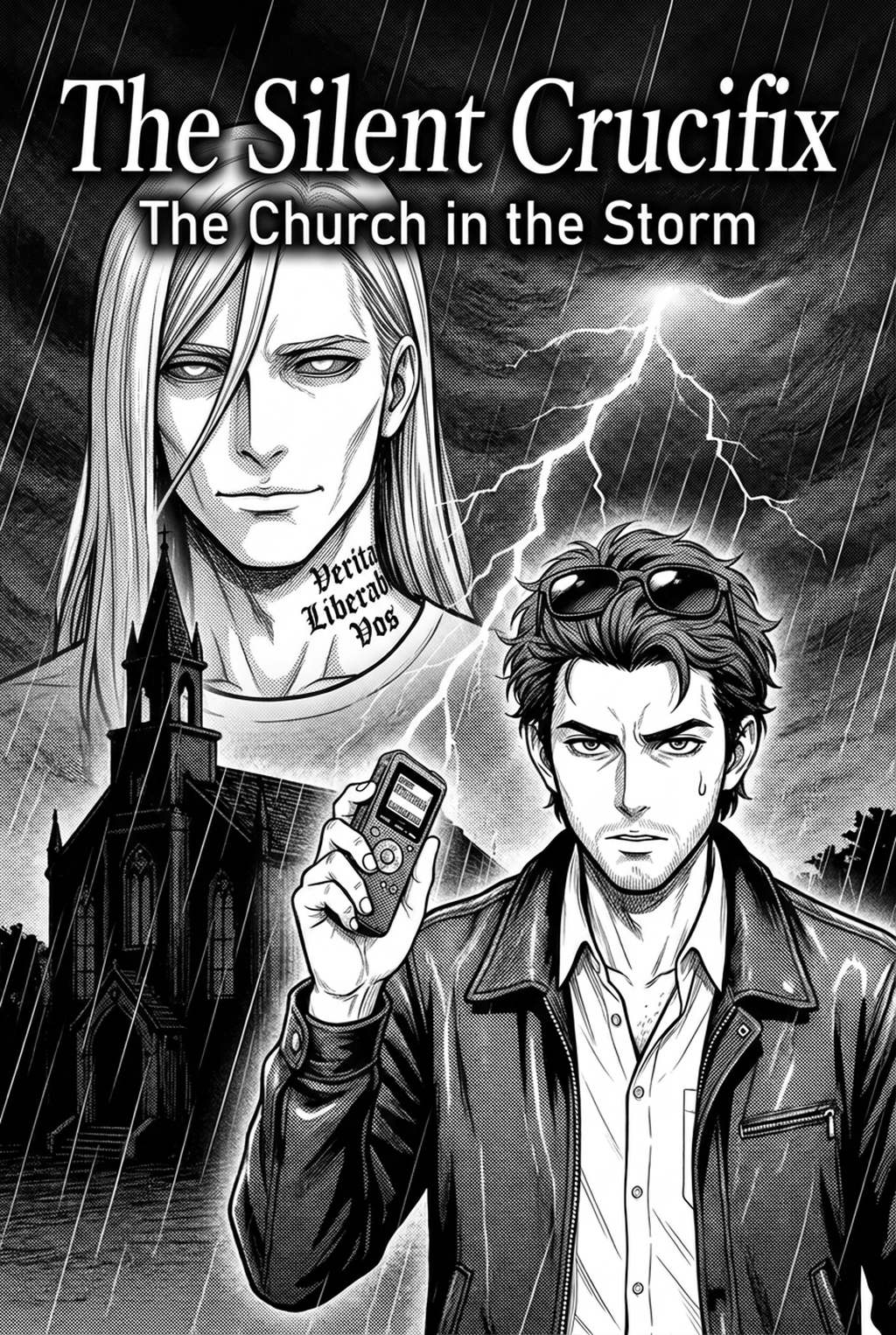
AI 4-Koma Strip Maker: Defining the Four-Panel Format
The 4-koma format is a rigid, four-panel architectural style that relies on the ancient East Asian narrative framework known as Ki-Sho-Ten-Ketsu. This structure demands that every panel serve a singular, essential purpose in the progression of the strip, ensuring the humor hits with maximum efficiency rather than wandering into unnecessary exposition.
- Ki (Introduction): Establishes the characters and the initial scene state without needing external context. * Sho (Development): Expands on the established theme, deepening the situation while keeping the focus narrow. * Ten (Twist): Provides the narrative kicker or comedic shift that forces the reader to re-evaluate the previous two panels. * Ketsu (Conclusion): Resolves the strip by highlighting the irony, outcome, or humor derived from the twist in the third panel.
Because this structure is so standardized, straying from the four-panel limit often destroys the intended rhythm. While digital canvas sizes can vary, the most effective 4-koma strips maintain a consistent vertical scroll or vertical page layout to match mobile reading habits.
Essential Production Advantages
Focusing on short-form content significantly lowers the barrier to entry for independent creators because it shifts the production burden from weeks of heavy inking to targeted, high-impact creative sessions. You avoid the burnout associated with maintaining complex, 20-page long-form chapters, allowing you to iterate on character designs and visual styles far more quickly.
| Criterion | Long-Form Manga | 4-Koma Strip |
|---|---|---|
| Pacing | Gradual, multi-chapter arcs | Immediate, punchline-driven |
| Character Focus | Large, evolving ensembles | Fixed, iconic archetypes |
| Layout Work | Complex, multi-page flows | Standard, vertical 4-panel |
The format is particularly effective for social media algorithms because the content is modular and shareable. Rather than requiring a reader to commit to a 50-page deep dive, a four-panel strip offers a self-contained experience that is perfectly suited for mobile viewing and consistent, daily or weekly updates.
Technical Execution with Mangaka
Creators can resolve the challenges of repetitive panel layout and inking by using the Mangaka AI 4-Koma Strip Maker to handle the heavy lifting. By providing a single, polished punchline, you initiate a creative process where the AI generates the necessary setup and development panels, ensuring that character proportions remain stable and your line weights are consistent throughout the entire vertical strip.
When you input a specific punchline, the system analyzes the character archetypes and environmental cues to synthesize the 'Ki' and 'Sho' stages of the comic. This automation removes the tedious task of manual sketching and inking for each panel, allowing you to focus on refining the final output for your specific export needs, such as high-resolution PNGs or printer-ready PDF files.
Modern Use Cases and Iteration
Digital tools for four-panel comics have shifted the workflow toward rapid iteration, enabling you to test multiple 'twists' for the same 'Ki' and 'Sho' setup. By keeping the first two panels locked, you can experiment with different punchlines to see which version resonates most with your audience, effectively conducting a stress test of your comic's humor before committing to final ink and tone work.
This approach is invaluable for slice-of-life, political, or observational humor where timing is everything. Because you are not spending hours hand-drawing the setup panels for every variation, you can afford to produce multiple "what-if" scenarios, sharpening your narrative craft without the technical overhead of traditional manual layout adjustments.
- Chapter cadence. Use the AI pass for pages where speed matters most, such as repeated action poses, transformation beats, or dense speed-line panels. Keep manual cleanup for hero panels where the line style defines the emotional peak.
- Character continuity. Compare the generated lines against the same model sheet, costume notes, and facial-expression range used during sketching. This prevents a fast inking pass from drifting away from the character identity readers recognize.
- Export readiness. Check whether the final manga output can move into lettering, coloring, or final layout without rebuilding panel borders or speech-bubble space. A good manga workflow should save time while keeping the next production step predictable.
Getting Started with Narrative Comics
Starting your 4-koma journey involves distinguishing this specific, fixed-panel medium from the freeform nature of vertical comic platforms, which favor endless vertical scrolling over structured, distinct panels. While vertical comic platforms rely on long, flowing panels to create atmosphere, 4-koma relies on the clear, rhythmic separation of panels to build tension toward a specific, timed conclusion.
- Verticality vs. Structure: Understand that while vertical comic platforms are long-form, 4-koma is a specific bite-sized story unit. * AI Writing Assistance: You can use creative brief-based tools to brainstorm punchlines, ensuring your narrative 'Ten' is as sharp as possible before generating the visual strip. * Genre Flexibility: Remember that 4-koma is not just for comedy; it is a powerful tool for short-form slice-of-life drama and thematic commentary. If you feel your story is lacking impact, look at your third panel; if it doesn't pivot, the reader will lose interest. Before export, creators should compare the generated line art with the original sketch and confirm that facial expressions, props, speed lines, and speech-bubble space still support the scene.
A repeatable review pass should cover character consistency, panel readability, background clarity, and whether the final file is ready for coloring, lettering, or editor feedback. For longer projects, creators should save approved examples of line weight, face detail, clothing folds, and background density. Those references keep later chapters closer to the intended style. For collaboration, creators should mark which panels are final and which panels still need redraws. Clear status labels prevent an assistant, editor, or colorist from polishing the wrong version.
The Bottom Line
Mastering the four-panel strip allows you to create high-impact, sharable content that thrives in modern digital environments while maintaining the strict rhythmic discipline of traditional Japanese storytelling. By streamlining your production through 4-koma manga , you can finally move away from the repetitive, manual tasks of inking and paneling to focus entirely on the strength of your narrative punchline. Start with a single, clear idea and let the technology handle the visual consistency to make your next 4-koma project a standout success.
Related articles
Half-Yokai Character Design: Creating Iconic Manga Hybrids
Mastering Yokai Character Design: A Guide for Manga Artists
Mastering Space Battleship Background Art in Manga in 2026