AI 4-Koma Strip Maker: Why 4-Koma Strips Anchor Creator Growth
Four-panel strips serve as a low-barrier entry point for artists to build a loyal, consistent audience through serialized social media content. Because the format is inherently bite-sized, it allows you to experiment with diverse character dynamics and recurring gag loops without the pressure of managing complex, plot-heavy worldbuilding or maintaining long-term continuity across hundreds of pages.
This format acts as a vital tool for establishing a unique art style that is recognizable and easily consumed on mobile devices, where vertical scrolling makes horizontal 4-koma grids highly readable. You can leverage these constraints to your advantage, using the standardized space to test which character tropes resonate most with your audience before committing to a larger, long-form project. Consistent delivery is the primary metric for growth in the modern webcomic sphere, and this format provides the most sustainable path to meeting that demand.
Streamlining Visual Flow with Mangaka
Mangaka automates the panel layout process by turning a single punchline idea into a coherent visual flow that maintains consistent character proportions throughout the strip. By inputting your premise, the AI manages the heavy lifting of inking and panel consistency, which effectively eliminates the common problem of line-weight drift that occurs when drawing identical characters across multiple panels manually.
The tool provides specific templates for character positioning and speech balloon placement to ensure the comedic timing remains punchy and readable. This approach resolves the persistent issue of cramped, misaligned speech bubbles that often plague self-published digital comics. By offloading the technical assembly—such as calculating gutter spacing and resolution settings for 4-koma manga with Mangaka —you keep your creative energy focused exclusively on refining the comedic beat. Optimizing Panel Layout for Mobile.
- Panel Gutters: Use consistent, narrow gaps to maintain the flow between the Ki and Ketsu phases. * Text Clearance: Ensure speech bubbles do not obscure the character’s eyes or key expressions, as these are vital for the 'Ten' twist. * Resolution Standards: Export your final strip at a minimum of 300 DPI to avoid pixelation on high-density mobile displays. * Contrast Balancing: Keep background elements minimal to ensure the character designs remain the focal point in small formats.
Strategic Use Cases for Gag Strips
Success in 4-koma relies on establishing an immediate 'source context'—letting the reader know the setting and characters in the first panel. If you spend too much time on environmental design, you lose the opportunity to build the character rapport required for the twist to function.
The 'Twist' panel is the core requirement for a memorable gag; subverting reader expectations here often involves shifting the character from a stoic stance to an exaggerated, comedic expression. Balancing this delivery format across mobile scrolling platforms requires clear, high-contrast visual cues that work in small dimensions. When your 4-koma is viewed on a smartphone, the reader should grasp the punchline within two seconds, necessitating a design that prioritizes silhouette clarity over complex detail.
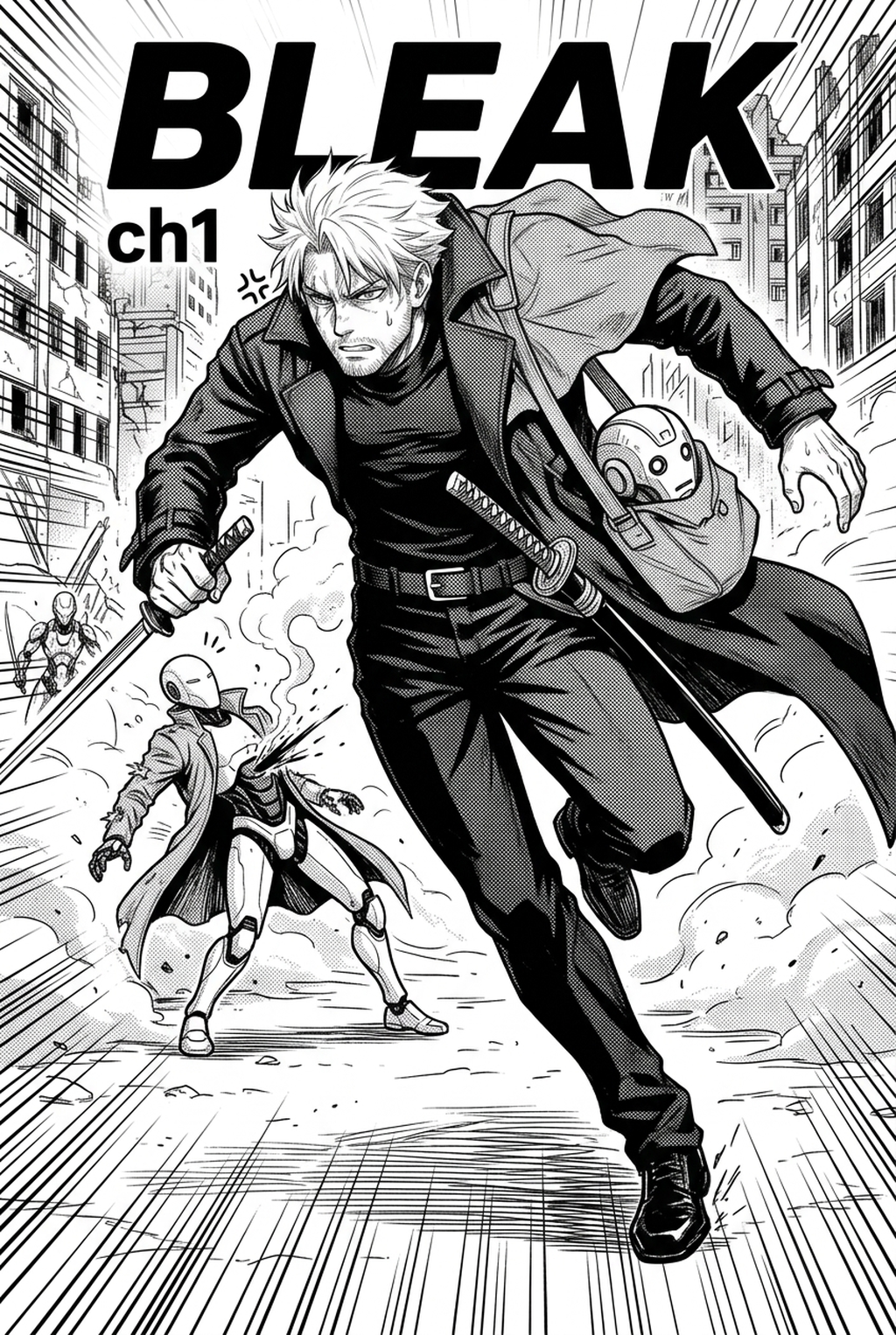
- Chapter cadence. Use the AI pass for pages where speed matters most, such as repeated action poses, transformation beats, or dense speed-line panels. Keep manual cleanup for hero panels where the line style defines the emotional peak.
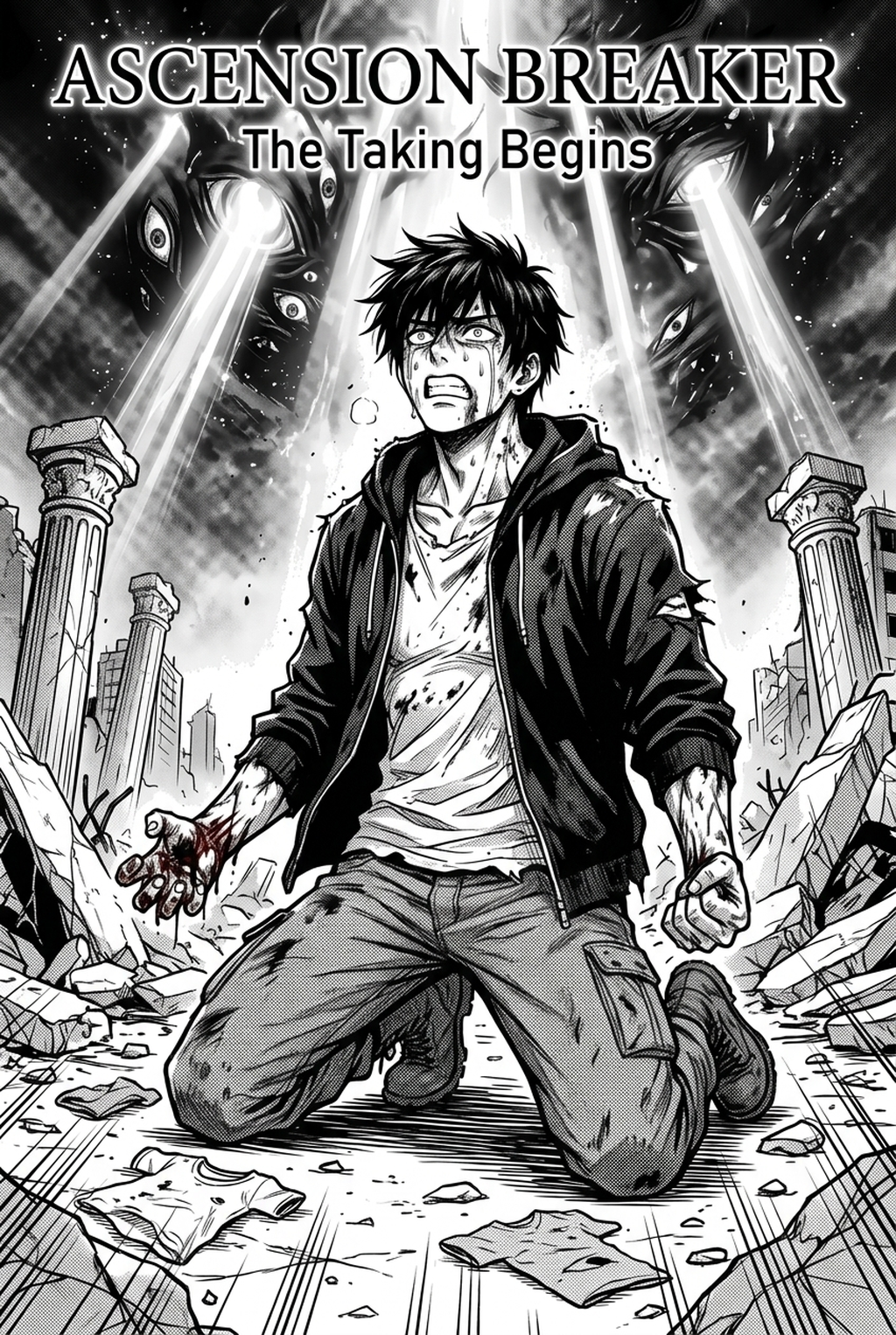
- Character continuity. Compare the generated lines against the same model sheet, costume notes, and facial-expression range used during sketching. This prevents a fast inking pass from drifting away from the character identity readers recognize.
- Export readiness. Check whether the final manga output can move into lettering, coloring, or final layout without rebuilding panel borders or speech-bubble space. A good manga workflow should save time while keeping the next production step predictable.
Getting Started with AI-Assisted Comic Design
You do not need advanced art skills to start, as modern AI tools handle the technical inking and page assembly that traditionally required years of manual practice. This keeps the review focused on story intent, line weight, panel readability, and the export quality behind the final AI 4-Koma Strip Maker output. Creative Brief and Source Input.
- Refining Beats: Can I use AI to write my punchlines? Yes, the platform assists in refining comedic beats by analyzing your initial premise and suggesting narrative adjustments that fit the 4-koma structure. * Technical Heavy Lifting: Does the AI handle the complex layout? Yes, the tool handles panel creation, character alignment, and speech balloon distribution, allowing you to focus on the story. * Beyond Comedy: Is the format only for humor? While primarily comedic, it is increasingly used for educational comics and micro-narratives where brevity is a strength rather than a limitation.
Creators should compare the generated line art with the original sketch and confirm that facial expressions, props, speed lines, and speech-bubble space still support the scene. A repeatable review pass should cover character consistency, panel readability, background clarity, and whether the final file is ready for coloring, lettering, or editor feedback. For longer projects, creators should save approved examples of line weight, face detail, clothing folds, and background density. Those references keep later chapters closer to the intended style. Before export, creators should compare the generated line art with the original sketch and confirm that facial expressions, props, speed lines, and speech-bubble space still support the scene.
Creators should mark which panels are final and which panels still need redraws. Clear status labels prevent an assistant, editor, or colorist from polishing the wrong version.
The Bottom Line
4-koma remains one of the most effective storytelling formats for new creators due to its brevity and potential for rapid audience engagement through social media. By leveraging tools that simplify the production workflow, you can focus on refining your unique comedic voice without getting bogged down in the technical minutiae of layout and inking. If you are ready to start your creative journey, focus on the punchline first and visit 4-koma manga to let modern technology handle the technical assembly of your comic strips.
Related articles
Mastering the Historical Manga Storyboard: A 2026 Guide
Fantasy Manga Storyboard Builder | Build Your Story with AI
What Is 4-Koma Manga? A Complete Guide to the Format 2026