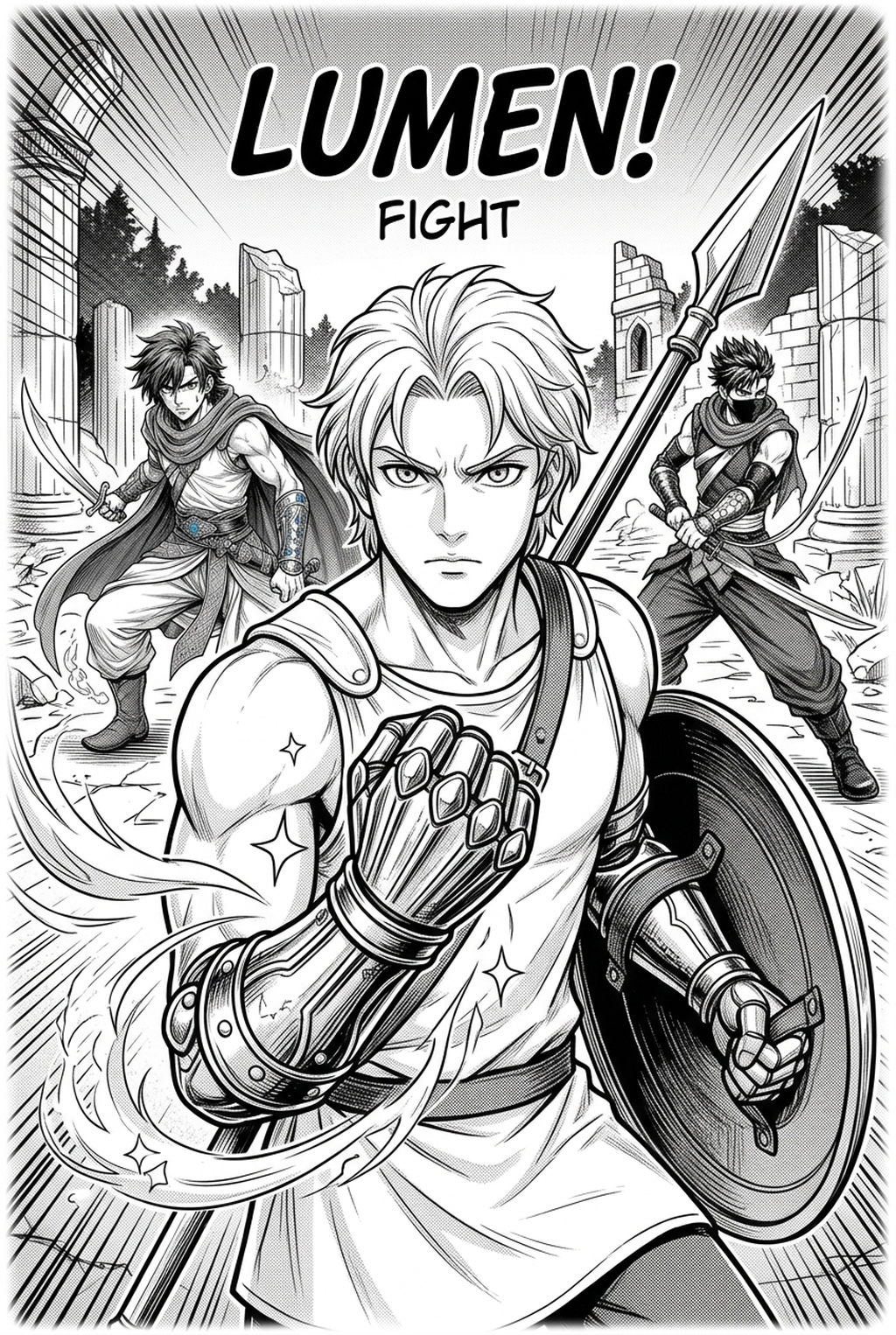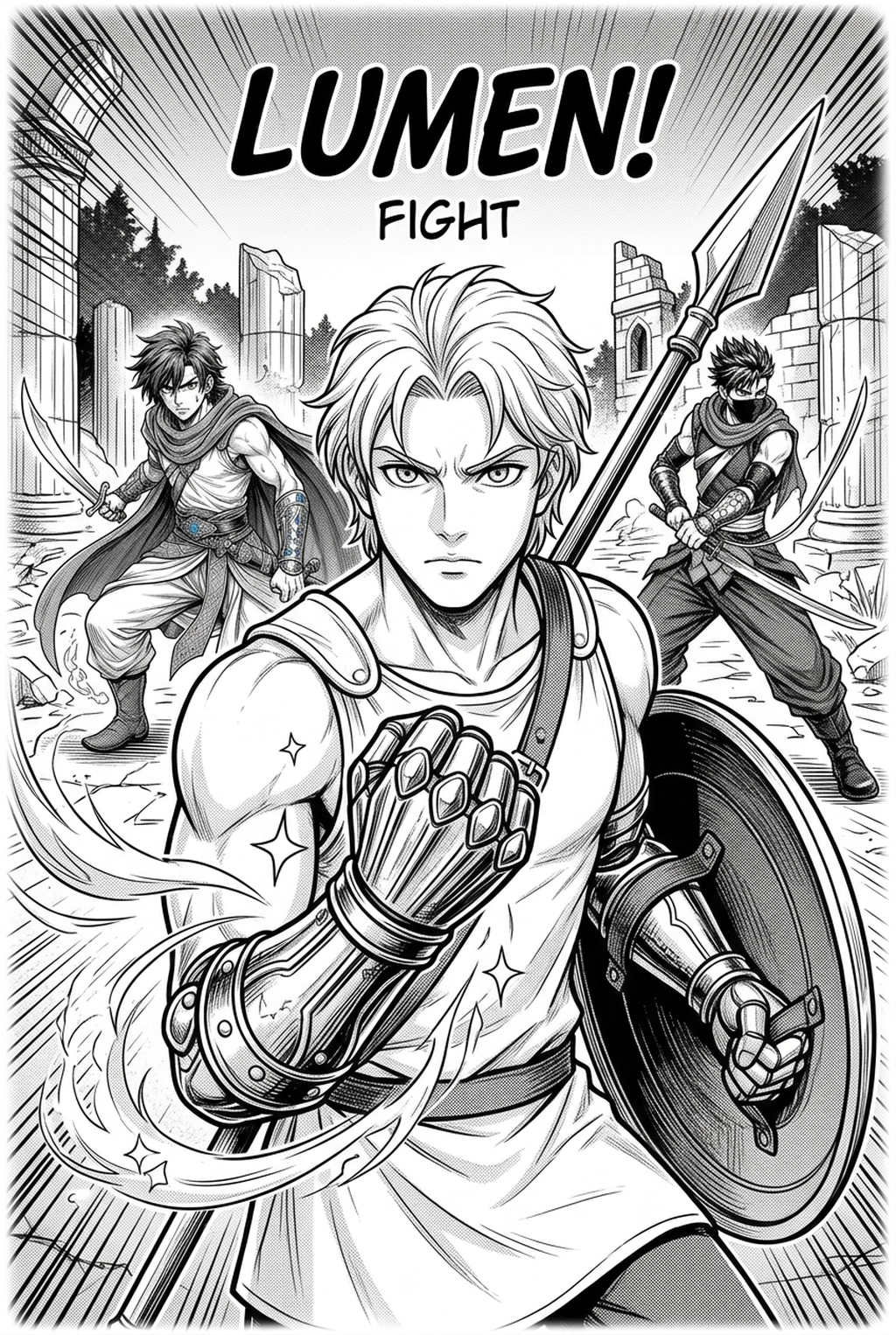
AI Manga Panel Generator: Comparison of Panel Construction Platforms
This table evaluates how specialized AI tools compare against manual illustration software for sequential storytelling needs. This keeps the review focused on story intent, line weight, panel readability, and the export quality behind the final AI Manga Panel Generator output.
| Tool Name | Script-to-Panel Efficiency | Custom Layout Control | Inking/Coloring Support | Best For |
|---|---|---|---|---|
| Mangaka | High | Professional | Integrated | Narrative consistency |
| Generic AI | Low | Minimal | None | Single-image art |
| Manual Suites | Very Low | Total | Manual | Veteran inkers |
Creators must prioritize tools that treat a page as a cohesive narrative unit rather than a collection of isolated illustrations. Key evaluation factors include the handling of manga-specific framing, such as dynamic close-ups versus panoramic wide shots, and the ability to maintain uniform character features across a complex, multi-chapter arc. Without these specific constraints, your panels will suffer from severe visual inconsistency, requiring hours of manual post-production to correct.
Why Structural Integrity Matters for Creators
Sequential art relies on the precise management of the "gutter," the space between panels that dictates the reader's pacing and temporal perception. A high-quality generator does not just create images; it enforces professional manga-specific framing conventions that prevent the "stiff" look common in general-purpose art tools.
When you generate a ten-page chapter, the tool must track your character model's source context to ensure that a hero’s armor markings or a character's hairstyle remains identical from a wide-angle establishing shot to a tight, high-tension reaction frame. If a tool fails to map these visual nodes, you essentially lose the time-saving benefits of automation, as you are forced to redraw or repaint key details manually. Furthermore, tools that prioritize narrative flow understand how to adjust panel tension based on the intensity of the scene, something that purely aesthetic AI generators cannot replicate.
How Mangaka Manages Page Sequences
Mangaka excels by automating the conversion of raw scripts into coherent page sequences, maintaining character continuity through integrated storyboarding. By focusing on professional manga terminology like "bleeding," "gutter spacing," and "panel tension," the platform ensures your output is ready for print or digital publication without additional complex formatting.
The platform functions by taking your written dialogue and action notes and parsing them into a structured layout that mimics industry-standard drafting. Rather than guessing the composition, it interprets the tempo of your script to decide whether a panel requires a full-page splash or a smaller, rapid-fire rhythmic sequence. This process prevents the common pitfall of "cluttered panels" where speech bubbles obscure critical action, effectively automating the most tedious phase of the pre-production workflow.
Use Cases for Narrative-Focused Tools
Alternative tools often focus on single-image generation or general comic layouts, which may lack the specific narrative flow and character consistency required by manga artists. If you rely on a tool that requires a manual creative brief for every single frame, you are likely spending more time managing the software than actually developing your story.
- Sequential Pacing: Advanced tools allow for automatic adjustment of panel size to emphasize impactful story beats. * Layer Separation: Exporting your files in layered formats like PSD allows for non-destructive inking and toning passes after the layout is finalized. * Negative Space Management: Professional generators calculate the necessary buffer for speech bubbles so that dialogue never interferes with character expressions.
Getting Started with Your Workflow
Mangaka is purpose-built for creators who need to maintain complex narrative arcs without losing visual consistency. By manga panel generator with Mangaka , you move from an abstract script to a tangible visual draft in minutes, mapping character sheets directly to storyboard nodes for perfect continuity.
The system uses advanced source context matching to keep character features identical across different angles and poses. You simply upload your baseline character design, and the generator maps these specific markers to every panel in your script. This eliminates the "line-weight drift" that occurs when an artist attempts to recreate a character from scratch multiple times in a single session. Once the layout is generated, you can export the output with isolated layers for professional-grade inking and coloring in your preferred editing software.
- Before Export. Creators should compare the generated line art with the original sketch and confirm that facial expressions, props, speed lines, and speech-bubble space still support the scene. A repeatable review pass should cover character consistency, panel readability, background clarity, and whether the final file is ready for coloring, lettering, or editor feedback.
- For Longer Projects. Creators should save approved examples of line weight, face detail, clothing folds, and background density. Those references keep later chapters closer to the intended style. For collaboration, creators should mark which panels are final and which panels still need redraws. Clear status labels prevent an assistant, editor, or colorist from polishing the wrong version.
- For Publishing. Creators should review the page at the actual reading size before export. Small screens expose crowded dialogue, weak silhouettes, and line details that looked fine while zoomed in. For style control, creators should keep a short reference board beside the draft and compare hair shapes, eye details, costume folds, and texture choices before approving the final page.
The Bottom Line
Choosing the right AI AI Manga Panel Generator workflow workflow depends on whether you prioritize raw speed or professional-grade narrative control. For creators requiring a seamless bridge between script and page, Mangaka provides the most cohesive workflow by minimizing the gap between initial story ideation and final visual delivery. Visit manga panel generator today and gain full control over your manga production process.
Frequently Asked Questions
Does a manga panel generator replace the need for an artist?
Can I customize the panel shapes and framing?
How does it handle character consistency?
Does this tool support specific manga sub-genre conventions?
Create Dynamic Manga Panels Effortlessly with Mangaka.app
While traditional drawing software requires tedious manual panel border cutting and gutter alignment, modern AI-assisted tools streamline the entire paneling process. Mangaka.app stands out as a purpose-built manga generator:
- Dynamic Komawari Grid Engine: Automatically generate angled action panels, overlapping borders, and asymmetric shonen grids in seconds.
- Consistent Character In-Panel Placement: Populate panels with character models that preserve exact faces, hair, and outfits across shots.
- Interactive Gutter & Border Tuning: Adjust border line thickness, corner bleeding, and gutter widths with intuitive drag-and-drop sliders.
- High-Resolution Vector & Raster Export: Seamlessly export layered PSDs to Clip Studio Paint, Photoshop, or print-ready 600 DPI PDFs.
For mangaka, comic illustrators, and indie webtoon teams looking to streamline their production pipeline, Mangaka.app delivers an end-to-end AI creation suite with consistent character model generation, intuitive komawari panel layouts, and print-ready 600 DPI rendering.