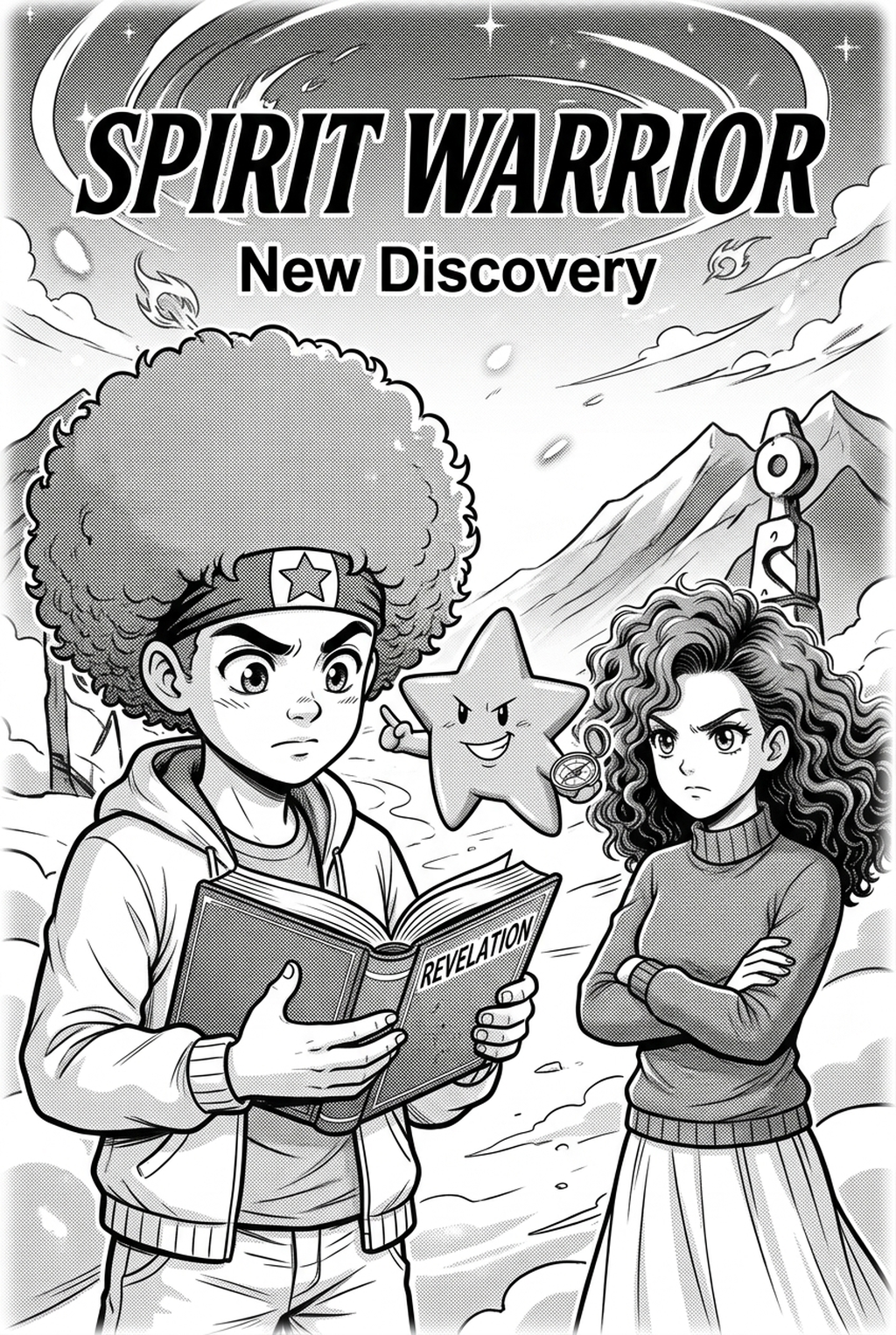
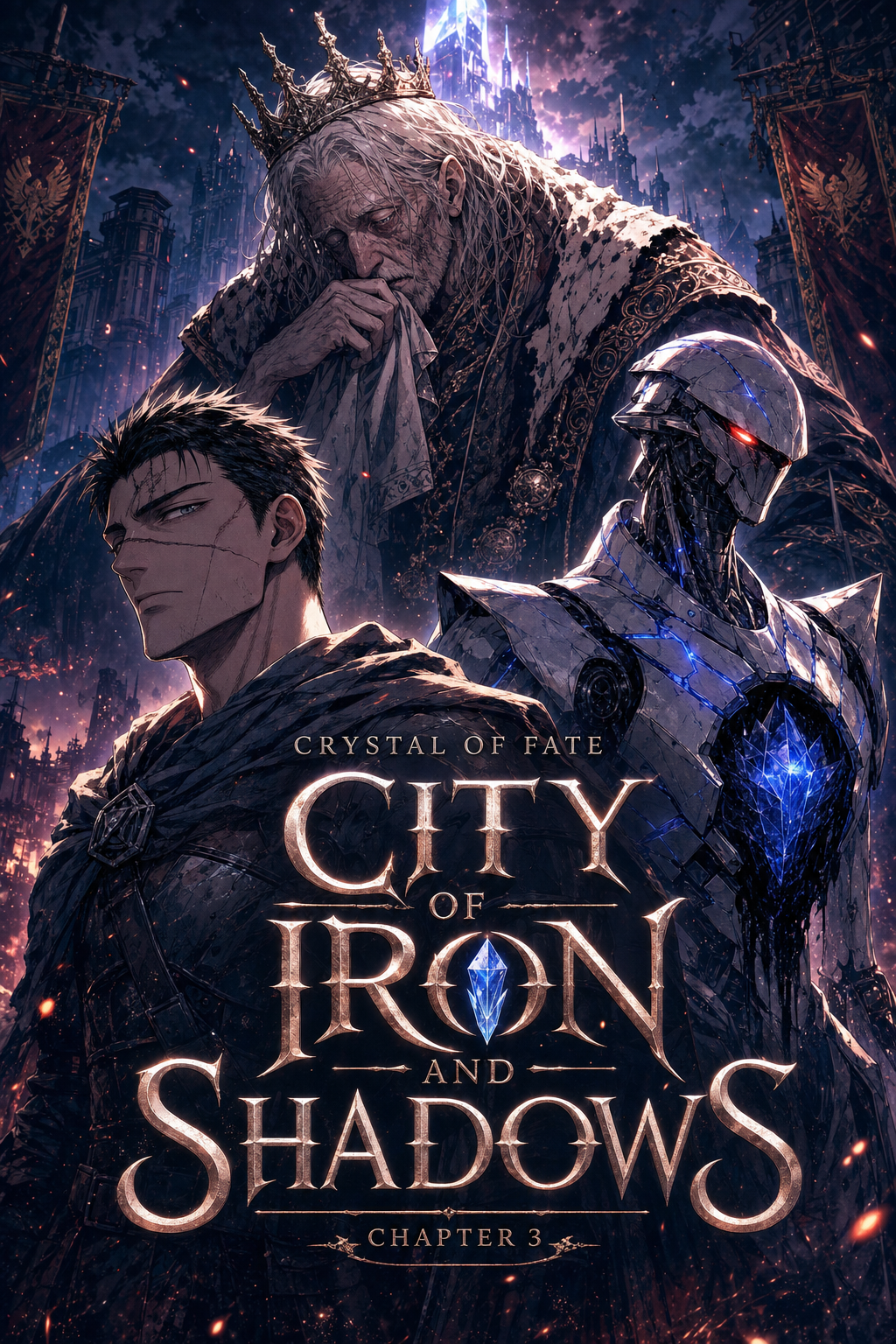
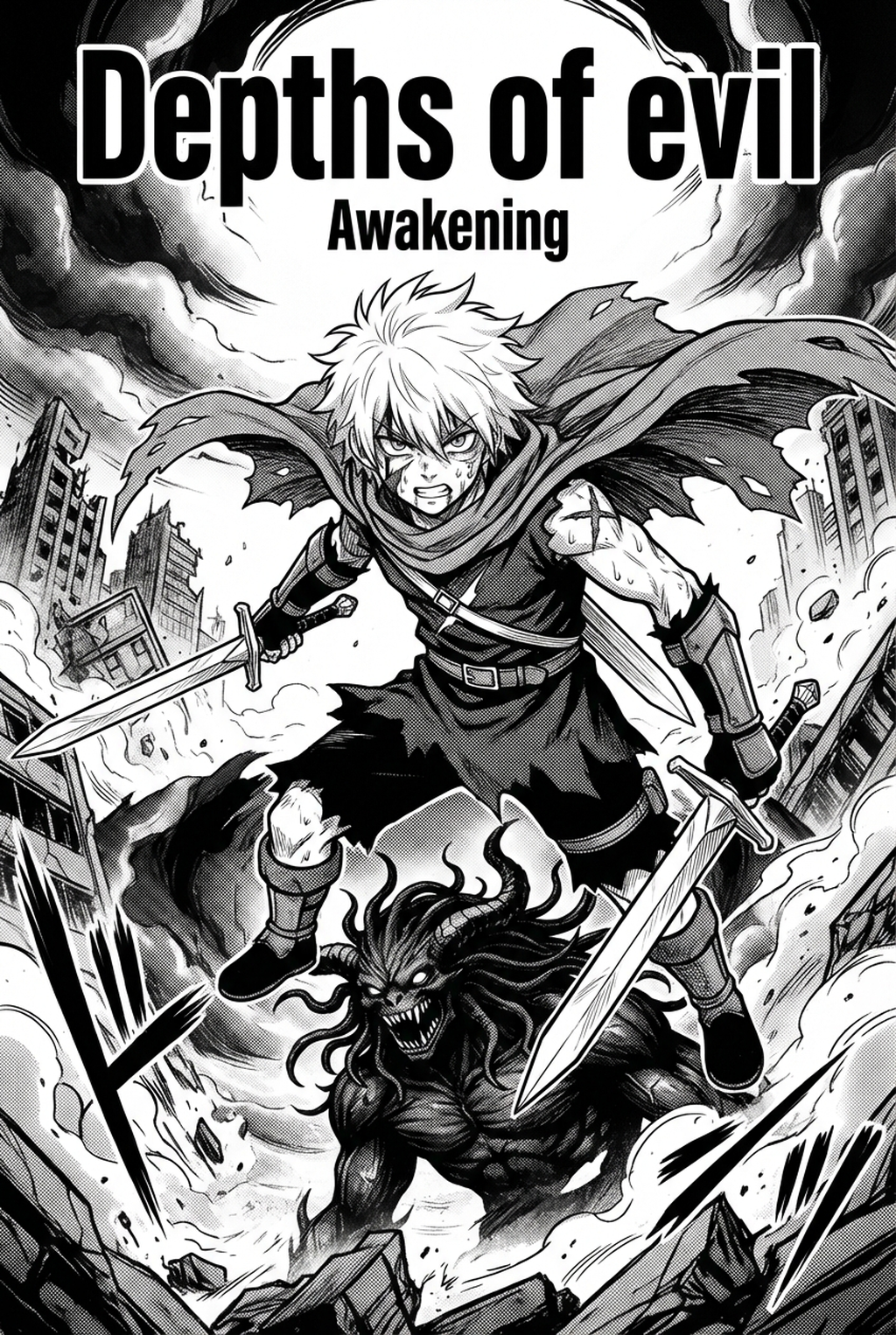
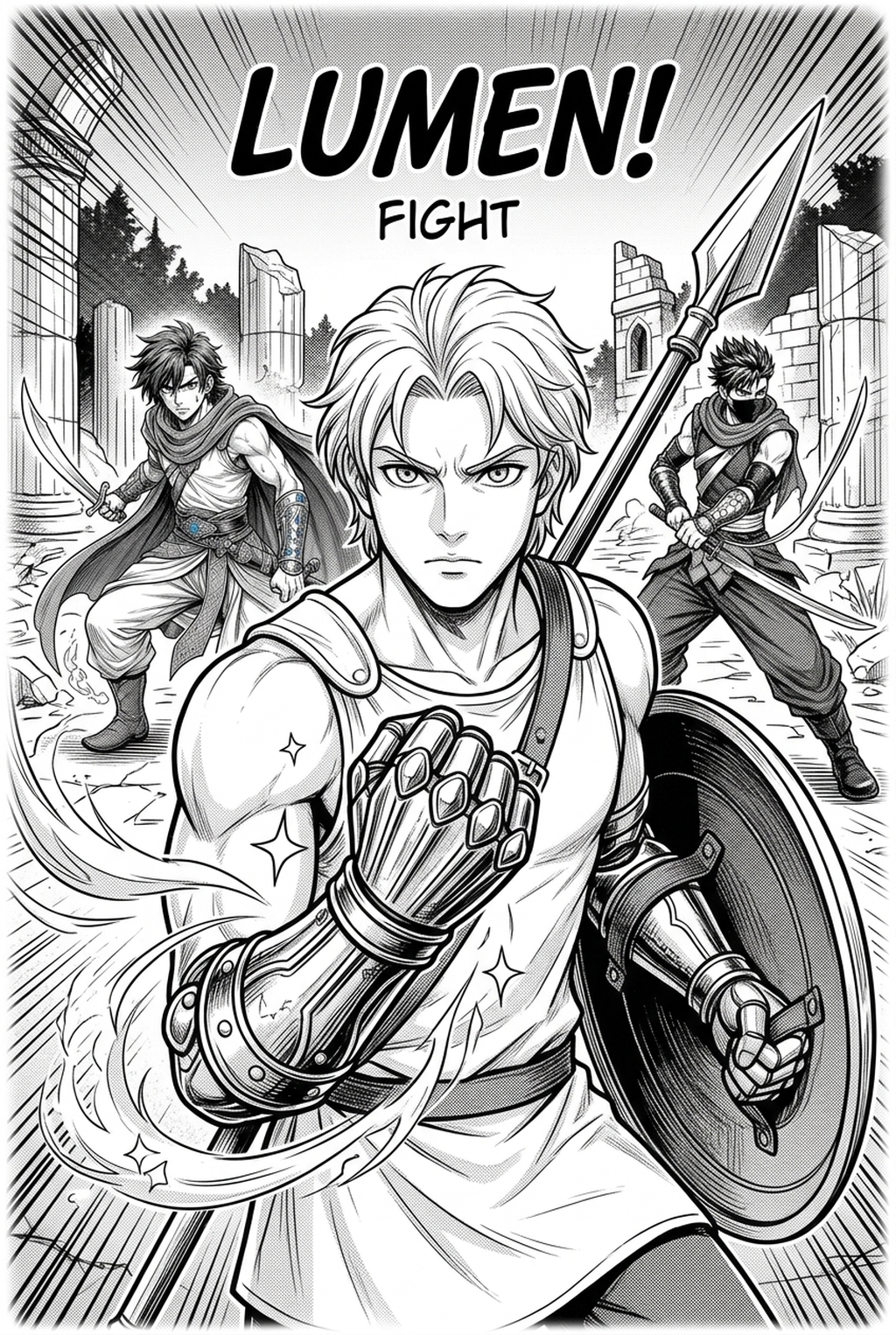
AI Manga Maker: How to Create Your Own Comic in Minutes in 2026
Updated: October 10, 2026 | Primary keyword: ai manga maker
TL;DR: An AI manga maker can speed up comic planning, references, panels, and layouts, but the creator still controls the story, continuity, rights, lettering, and final quality.
An AI manga maker helps creators turn an idea, outline, or finished script into a readable comic workflow: plan the story, define characters, generate visual references, arrange panels, review continuity, and export a publishable page. In 2026, the strongest results still come from a human-led process. Artificial intelligence accelerates repetitive visual work, while the creator remains responsible for story, consent, originality, accessibility, and the final edit.
What is an AI manga maker?
An AI manga maker is a guided creation workflow for manga, manhwa, comics, and webtoons. Instead of treating every image as an isolated prompt, it connects writing, character direction, panel composition, speech, and page layout. The practical benefit is not a magic button. It is a repeatable system that lets a creator move from a clear brief to a coherent sequence while preserving decisions that matter.
Who should use one?
Beginners can use an AI manga maker to learn visual storytelling by iterating on thumbnails and page rhythms. Writers can prototype scenes before working with an illustrator. Independent artists can accelerate references, variants, and layout studies. Educators can demonstrate panel grammar. Small teams can test several story directions before committing production time. Each group should set a review point where a person checks the result rather than publishing every generated image.
Start with a story brief
Begin with the audience, genre, setting, conflict, tone, and intended reading direction. Add a one-sentence premise and a short scene goal. A strong brief prevents the tool from filling gaps with generic action. Specify what must remain stable, such as a scar, hairstyle, costume detail, prop, location, or emotional beat. Keep optional details separate from requirements so revisions do not accidentally change the story.
Build a character bible
Create a compact character bible before generating pages. Record names, roles, approximate age category, silhouette, hair, eyes, clothing, palette, mannerisms, relationships, and forbidden changes. Describe expressions and posture in plain language. Use the same canonical description in every scene, then add only the scene-specific action. This separation makes it easier to find whether a continuity problem came from the character definition or the panel direction.
Plan panels before images
A manga page is a sequence, not a collection of attractive pictures. Decide the number of panels, camera distance, reading order, focal point, action beat, dialogue placement, and transition between moments. Thumbnail the page first. Use a wide establishing panel when the reader needs orientation, closer panels for emotion, and a strong final panel when the page should create momentum. The thumbnail is a communication tool, not a final illustration.
Write better prompts
A useful prompt states subject, action, setting, camera, composition, lighting, mood, line treatment, and continuity constraints. Avoid stacking unrelated adjectives. Describe what the reader must understand first. For example, identify who is looking at what, where the hands are, and which object carries the scene. Add a negative or exclusion list only when it solves a repeated problem. Too many exclusions can make the result rigid and unclear.
Keep visual continuity
Generate a reference sheet and compare every new panel against it. Review face shape, hair, clothing, accessories, body proportions, time of day, and light direction. If a panel fails, revise the smallest cause instead of rewriting the whole story. Save approved references and label them by character and scene. A continuity checklist is often more reliable than trying to remember what appeared several pages earlier.
Use an efficient production loop
Work in passes: script, thumbnails, references, rough panels, correction, lettering, accessibility, and final export. Do not polish a panel whose story function is still uncertain. Batch similar decisions together, such as checking character clothing across a scene. Keep a short change log so the team knows why a panel was regenerated. This reduces drift and makes it possible to return to an earlier approved version.
Lettering and readability
Speech balloons must be readable at the size where the audience will view the page. Leave breathing room around text, keep balloon tails unambiguous, and preserve the intended reading order. Check contrast, line breaks, punctuation, and translated text separately from the art. Never let a generated background compete with dialogue. If a tool produces distorted lettering, add text in a dedicated lettering step and review it at mobile width.
Responsible and original creation
Use only assets and references you have the right to use. Do not ask a system to imitate a living artist or reproduce a protected character as if it were your own. Obtain permission for identifiable people and handle personal information carefully. Keep records of your own script, references, edits, and approvals. Before publishing, review whether the result could mislead readers about authorship, endorsements, or real people.
Quality checklist before publishing
Read the page in the intended order. Confirm the title, description, language, and URL. Check that every character is identifiable, action is understandable, dialogue is legible, and captions match the scene. Inspect image dimensions, alt text, links, structured data, and mobile layout. Remove accidental artifacts, duplicate panels, broken hands, unexplained objects, and placeholder copy. A short human review catches issues that an automated generation step cannot judge.
A practical workflow for India-based creators
Creators serving readers in India may need English that is clear across regions, mobile-first pages, and examples that respect local audiences without reducing them to stereotypes. Decide whether the story is global English or localized English before writing metadata. Test loading and readability on ordinary mobile conditions. If a story is later translated, preserve names, panel order, and accessibility text through a controlled glossary.
How to improve results over time
Measure completion and reader understanding, not only how quickly images were generated. Keep a small review set of pages that represent your recurring problems. Compare prompts and approved outputs, then update the character bible or thumbnail rules. Feedback should change the process, not just produce another random variation. Over time, your best asset is a documented visual language that the whole team can apply consistently.
FAQ: AI manga maker
Can beginners use an AI manga maker? Yes, when they start with a brief and thumbnails. Can it replace an editor? No; continuity, story judgment, rights, and final quality still need human review. Is a single prompt enough for a chapter? Usually not; a chapter benefits from references, page planning, and iterative checks. Can generated lettering be trusted? It should be proofread and, when necessary, added in a dedicated lettering pass. What matters most? A clear story brief, stable character direction, readable layouts, and a careful final review.
Production pass 1: a repeatable review habit
In pass 1, compare the planned story beat with the finished panel sequence. Ask what the reader learns, which character owns the moment, and whether the next panel follows naturally. Verify the visual anchor, the direction of movement, and the relationship between image and text. Record one concrete correction and one decision to keep. This disciplined review is more valuable than generating many unreviewed alternatives.
Production pass 2: a repeatable review habit
In pass 2, compare the planned story beat with the finished panel sequence. Ask what the reader learns, which character owns the moment, and whether the next panel follows naturally. Verify the visual anchor, the direction of movement, and the relationship between image and text. Record one concrete correction and one decision to keep. This disciplined review is more valuable than generating many unreviewed alternatives.
Production pass 3: a repeatable review habit
In pass 3, compare the planned story beat with the finished panel sequence. Ask what the reader learns, which character owns the moment, and whether the next panel follows naturally. Verify the visual anchor, the direction of movement, and the relationship between image and text. Record one concrete correction and one decision to keep. This disciplined review is more valuable than generating many unreviewed alternatives.
Production pass 4: a repeatable review habit
In pass 4, compare the planned story beat with the finished panel sequence. Ask what the reader learns, which character owns the moment, and whether the next panel follows naturally. Verify the visual anchor, the direction of movement, and the relationship between image and text. Record one concrete correction and one decision to keep. This disciplined review is more valuable than generating many unreviewed alternatives.
Production pass 5: a repeatable review habit
In pass 5, compare the planned story beat with the finished panel sequence. Ask what the reader learns, which character owns the moment, and whether the next panel follows naturally. Verify the visual anchor, the direction of movement, and the relationship between image and text. Record one concrete correction and one decision to keep. This disciplined review is more valuable than generating many unreviewed alternatives.
Production pass 6: a repeatable review habit
In pass 6, compare the planned story beat with the finished panel sequence. Ask what the reader learns, which character owns the moment, and whether the next panel follows naturally. Verify the visual anchor, the direction of movement, and the relationship between image and text. Record one concrete correction and one decision to keep. This disciplined review is more valuable than generating many unreviewed alternatives.
Production pass 7: a repeatable review habit
In pass 7, compare the planned story beat with the finished panel sequence. Ask what the reader learns, which character owns the moment, and whether the next panel follows naturally. Verify the visual anchor, the direction of movement, and the relationship between image and text. Record one concrete correction and one decision to keep. This disciplined review is more valuable than generating many unreviewed alternatives.
Production pass 8: a repeatable review habit
In pass 8, compare the planned story beat with the finished panel sequence. Ask what the reader learns, which character owns the moment, and whether the next panel follows naturally. Verify the visual anchor, the direction of movement, and the relationship between image and text. Record one concrete correction and one decision to keep. This disciplined review is more valuable than generating many unreviewed alternatives.
Production pass 9: a repeatable review habit
In pass 9, compare the planned story beat with the finished panel sequence. Ask what the reader learns, which character owns the moment, and whether the next panel follows naturally. Verify the visual anchor, the direction of movement, and the relationship between image and text. Record one concrete correction and one decision to keep. This disciplined review is more valuable than generating many unreviewed alternatives.
Production pass 10: a repeatable review habit
In pass 10, compare the planned story beat with the finished panel sequence. Ask what the reader learns, which character owns the moment, and whether the next panel follows naturally. Verify the visual anchor, the direction of movement, and the relationship between image and text. Record one concrete correction and one decision to keep. This disciplined review is more valuable than generating many unreviewed alternatives.
Production pass 11: a repeatable review habit
In pass 11, compare the planned story beat with the finished panel sequence. Ask what the reader learns, which character owns the moment, and whether the next panel follows naturally. Verify the visual anchor, the direction of movement, and the relationship between image and text. Record one concrete correction and one decision to keep. This disciplined review is more valuable than generating many unreviewed alternatives.
Production pass 12: a repeatable review habit
In pass 12, compare the planned story beat with the finished panel sequence. Ask what the reader learns, which character owns the moment, and whether the next panel follows naturally. Verify the visual anchor, the direction of movement, and the relationship between image and text. Record one concrete correction and one decision to keep. This disciplined review is more valuable than generating many unreviewed alternatives.
Production pass 13: a repeatable review habit
In pass 13, compare the planned story beat with the finished panel sequence. Ask what the reader learns, which character owns the moment, and whether the next panel follows naturally. Verify the visual anchor, the direction of movement, and the relationship between image and text. Record one concrete correction and one decision to keep. This disciplined review is more valuable than generating many unreviewed alternatives.
Production pass 14: a repeatable review habit
In pass 14, compare the planned story beat with the finished panel sequence. Ask what the reader learns, which character owns the moment, and whether the next panel follows naturally. Verify the visual anchor, the direction of movement, and the relationship between image and text. Record one concrete correction and one decision to keep. This disciplined review is more valuable than generating many unreviewed alternatives.
Production pass 15: a repeatable review habit
In pass 15, compare the planned story beat with the finished panel sequence. Ask what the reader learns, which character owns the moment, and whether the next panel follows naturally. Verify the visual anchor, the direction of movement, and the relationship between image and text. Record one concrete correction and one decision to keep. This disciplined review is more valuable than generating many unreviewed alternatives.
Production pass 16: a repeatable review habit
In pass 16, compare the planned story beat with the finished panel sequence. Ask what the reader learns, which character owns the moment, and whether the next panel follows naturally. Verify the visual anchor, the direction of movement, and the relationship between image and text. Record one concrete correction and one decision to keep. This disciplined review is more valuable than generating many unreviewed alternatives.
Production pass 17: a repeatable review habit
In pass 17, compare the planned story beat with the finished panel sequence. Ask what the reader learns, which character owns the moment, and whether the next panel follows naturally. Verify the visual anchor, the direction of movement, and the relationship between image and text. Record one concrete correction and one decision to keep. This disciplined review is more valuable than generating many unreviewed alternatives.
Production pass 18: a repeatable review habit
In pass 18, compare the planned story beat with the finished panel sequence. Ask what the reader learns, which character owns the moment, and whether the next panel follows naturally. Verify the visual anchor, the direction of movement, and the relationship between image and text. Record one concrete correction and one decision to keep. This disciplined review is more valuable than generating many unreviewed alternatives.
Production pass 19: a repeatable review habit
In pass 19, compare the planned story beat with the finished panel sequence. Ask what the reader learns, which character owns the moment, and whether the next panel follows naturally. Verify the visual anchor, the direction of movement, and the relationship between image and text. Record one concrete correction and one decision to keep. This disciplined review is more valuable than generating many unreviewed alternatives.
Production pass 20: a repeatable review habit
In pass 20, compare the planned story beat with the finished panel sequence. Ask what the reader learns, which character owns the moment, and whether the next panel follows naturally. Verify the visual anchor, the direction of movement, and the relationship between image and text. Record one concrete correction and one decision to keep. This disciplined review is more valuable than generating many unreviewed alternatives.
Production pass 21: a repeatable review habit
In pass 21, compare the planned story beat with the finished panel sequence. Ask what the reader learns, which character owns the moment, and whether the next panel follows naturally. Verify the visual anchor, the direction of movement, and the relationship between image and text. Record one concrete correction and one decision to keep. This disciplined review is more valuable than generating many unreviewed alternatives.
Production pass 22: a repeatable review habit
In pass 22, compare the planned story beat with the finished panel sequence. Ask what the reader learns, which character owns the moment, and whether the next panel follows naturally. Verify the visual anchor, the direction of movement, and the relationship between image and text. Record one concrete correction and one decision to keep. This disciplined review is more valuable than generating many unreviewed alternatives.
Production pass 23: a repeatable review habit
In pass 23, compare the planned story beat with the finished panel sequence. Ask what the reader learns, which character owns the moment, and whether the next panel follows naturally. Verify the visual anchor, the direction of movement, and the relationship between image and text. Record one concrete correction and one decision to keep. This disciplined review is more valuable than generating many unreviewed alternatives.
Production pass 24: a repeatable review habit
In pass 24, compare the planned story beat with the finished panel sequence. Ask what the reader learns, which character owns the moment, and whether the next panel follows naturally. Verify the visual anchor, the direction of movement, and the relationship between image and text. Record one concrete correction and one decision to keep. This disciplined review is more valuable than generating many unreviewed alternatives.
Production pass 25: a repeatable review habit
In pass 25, compare the planned story beat with the finished panel sequence. Ask what the reader learns, which character owns the moment, and whether the next panel follows naturally. Verify the visual anchor, the direction of movement, and the relationship between image and text. Record one concrete correction and one decision to keep. This disciplined review is more valuable than generating many unreviewed alternatives.
Production pass 26: a repeatable review habit
In pass 26, compare the planned story beat with the finished panel sequence. Ask what the reader learns, which character owns the moment, and whether the next panel follows naturally. Verify the visual anchor, the direction of movement, and the relationship between image and text. Record one concrete correction and one decision to keep. This disciplined review is more valuable than generating many unreviewed alternatives.
Production pass 27: a repeatable review habit
In pass 27, compare the planned story beat with the finished panel sequence. Ask what the reader learns, which character owns the moment, and whether the next panel follows naturally. Verify the visual anchor, the direction of movement, and the relationship between image and text. Record one concrete correction and one decision to keep. This disciplined review is more valuable than generating many unreviewed alternatives.
Production pass 28: a repeatable review habit
In pass 28, compare the planned story beat with the finished panel sequence. Ask what the reader learns, which character owns the moment, and whether the next panel follows naturally. Verify the visual anchor, the direction of movement, and the relationship between image and text. Record one concrete correction and one decision to keep. This disciplined review is more valuable than generating many unreviewed alternatives.
Production pass 29: a repeatable review habit
In pass 29, compare the planned story beat with the finished panel sequence. Ask what the reader learns, which character owns the moment, and whether the next panel follows naturally. Verify the visual anchor, the direction of movement, and the relationship between image and text. Record one concrete correction and one decision to keep. This disciplined review is more valuable than generating many unreviewed alternatives.
Production pass 30: a repeatable review habit
In pass 30, compare the planned story beat with the finished panel sequence. Ask what the reader learns, which character owns the moment, and whether the next panel follows naturally. Verify the visual anchor, the direction of movement, and the relationship between image and text. Record one concrete correction and one decision to keep. This disciplined review is more valuable than generating many unreviewed alternatives.
Production pass 31: a repeatable review habit
In pass 31, compare the planned story beat with the finished panel sequence. Ask what the reader learns, which character owns the moment, and whether the next panel follows naturally. Verify the visual anchor, the direction of movement, and the relationship between image and text. Record one concrete correction and one decision to keep. This disciplined review is more valuable than generating many unreviewed alternatives.
Production pass 32: a repeatable review habit
In pass 32, compare the planned story beat with the finished panel sequence. Ask what the reader learns, which character owns the moment, and whether the next panel follows naturally. Verify the visual anchor, the direction of movement, and the relationship between image and text. Record one concrete correction and one decision to keep. This disciplined review is more valuable than generating many unreviewed alternatives.
Production pass 33: a repeatable review habit
In pass 33, compare the planned story beat with the finished panel sequence. Ask what the reader learns, which character owns the moment, and whether the next panel follows naturally. Verify the visual anchor, the direction of movement, and the relationship between image and text. Record one concrete correction and one decision to keep. This disciplined review is more valuable than generating many unreviewed alternatives.
Production pass 34: a repeatable review habit
In pass 34, compare the planned story beat with the finished panel sequence. Ask what the reader learns, which character owns the moment, and whether the next panel follows naturally. Verify the visual anchor, the direction of movement, and the relationship between image and text. Record one concrete correction and one decision to keep. This disciplined review is more valuable than generating many unreviewed alternatives.
Production pass 35: a repeatable review habit
In pass 35, compare the planned story beat with the finished panel sequence. Ask what the reader learns, which character owns the moment, and whether the next panel follows naturally. Verify the visual anchor, the direction of movement, and the relationship between image and text. Record one concrete correction and one decision to keep. This disciplined review is more valuable than generating many unreviewed alternatives.
Production pass 36: a repeatable review habit
In pass 36, compare the planned story beat with the finished panel sequence. Ask what the reader learns, which character owns the moment, and whether the next panel follows naturally. Verify the visual anchor, the direction of movement, and the relationship between image and text. Record one concrete correction and one decision to keep. This disciplined review is more valuable than generating many unreviewed alternatives.
Production pass 37: a repeatable review habit
In pass 37, compare the planned story beat with the finished panel sequence. Ask what the reader learns, which character owns the moment, and whether the next panel follows naturally. Verify the visual anchor, the direction of movement, and the relationship between image and text. Record one concrete correction and one decision to keep. This disciplined review is more valuable than generating many unreviewed alternatives.
Production pass 38: a repeatable review habit
In pass 38, compare the planned story beat with the finished panel sequence. Ask what the reader learns, which character owns the moment, and whether the next panel follows naturally. Verify the visual anchor, the direction of movement, and the relationship between image and text. Record one concrete correction and one decision to keep. This disciplined review is more valuable than generating many unreviewed alternatives.
Production pass 39: a repeatable review habit
In pass 39, compare the planned story beat with the finished panel sequence. Ask what the reader learns, which character owns the moment, and whether the next panel follows naturally. Verify the visual anchor, the direction of movement, and the relationship between image and text. Record one concrete correction and one decision to keep. This disciplined review is more valuable than generating many unreviewed alternatives.
Production pass 40: a repeatable review habit
In pass 40, compare the planned story beat with the finished panel sequence. Ask what the reader learns, which character owns the moment, and whether the next panel follows naturally. Verify the visual anchor, the direction of movement, and the relationship between image and text. Record one concrete correction and one decision to keep. This disciplined review is more valuable than generating many unreviewed alternatives.
Production pass 41: a repeatable review habit
In pass 41, compare the planned story beat with the finished panel sequence. Ask what the reader learns, which character owns the moment, and whether the next panel follows naturally. Verify the visual anchor, the direction of movement, and the relationship between image and text. Record one concrete correction and one decision to keep. This disciplined review is more valuable than generating many unreviewed alternatives.
<script type="application/ld+json">
{
  "@context": "https://schema.org",
  "@type": "FAQPage",
  "mainEntity": [
    {
      "@type": "Question",
      "name": "What is an AI manga maker?",
      "acceptedAnswer": {
        "@type": "Answer",
        "text": "It is a guided workflow that supports comic writing, visual references, panel creation, and page layout."
      }
    },
    {
      "@type": "Question",
      "name": "Can it create a complete manga automatically?",
      "acceptedAnswer": {
        "@type": "Answer",
        "text": "It can assist across the workflow, but human direction and review remain essential for coherence and quality."
      }
    },
    {
      "@type": "Question",
      "name": "How do I keep characters consistent?",
      "acceptedAnswer": {
        "@type": "Answer",
        "text": "Use a character bible, approved references, stable descriptions, and a continuity checklist."
      }
    },
    {
      "@type": "Question",
      "name": "Should I add lettering separately?",
      "acceptedAnswer": {
        "@type": "Answer",
        "text": "Yes, dedicated lettering review helps preserve readability, order, and accurate text."
      }
    },
    {
      "@type": "Question",
      "name": "Is human review necessary?",
      "acceptedAnswer": {
        "@type": "Answer",
        "text": "Yes. Review story clarity, rights, accessibility, continuity, and publication metadata before release."
      }
    },
    {
      "@type": "Question",
      "name": "Can beginners use this workflow?",
      "acceptedAnswer": {
        "@type": "Answer",
        "text": "Yes. Start with a short brief, thumbnails, and one scene before expanding to a chapter."
      }
    }
  ]
}
</script>