AI Manga Inker: Why This Service Matters for Independent Creators
Efficient production management requires predictable costs and reliable scalability, especially when moving from a single one-shot to a recurring monthly serialization. Choosing a platform that offers transparent, credit-based usage allows you to budget your page production effectively without hidden hardware overhead.
| Subscription Tier | Page/Panel Capacity | Primary Benefit |
|---|---|---|
| Free Trial | 3 Sample Pages | Test line-art fidelity and export speed |
| Pro Monthly | 50 Pages | Best for ongoing web-serial production |
| Annual Plan | 750 Pages | Optimal for high-volume graphic novel output |
You retain total control over your production production process with a clear money-back guarantee for new signups who find the tool incompatible with their specific artistic style. Because all processing is cloud-based, you are never locked into expensive local GPU hardware requirements to achieve professional line quality.
How Your Workflow Integrates with Mangaka
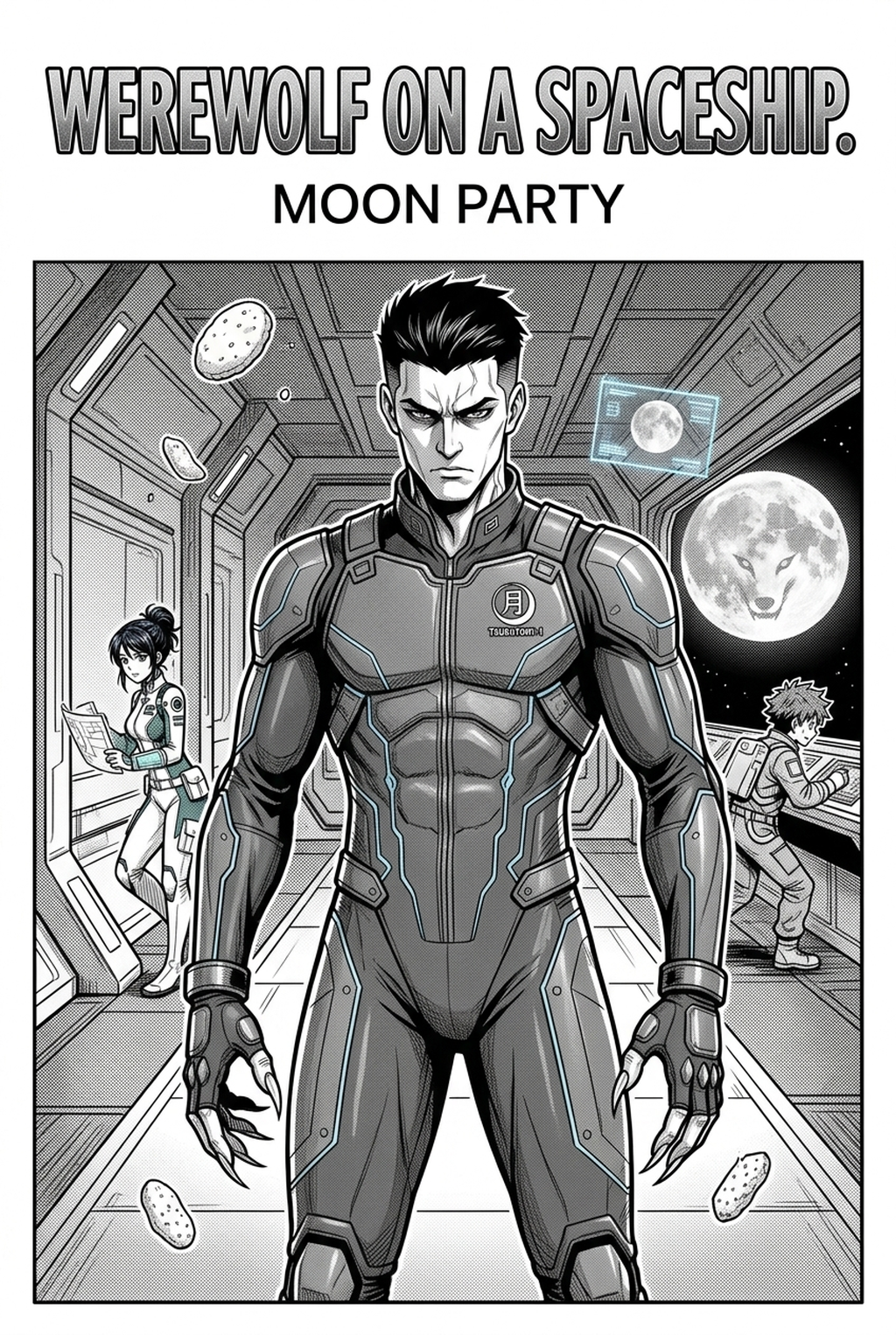
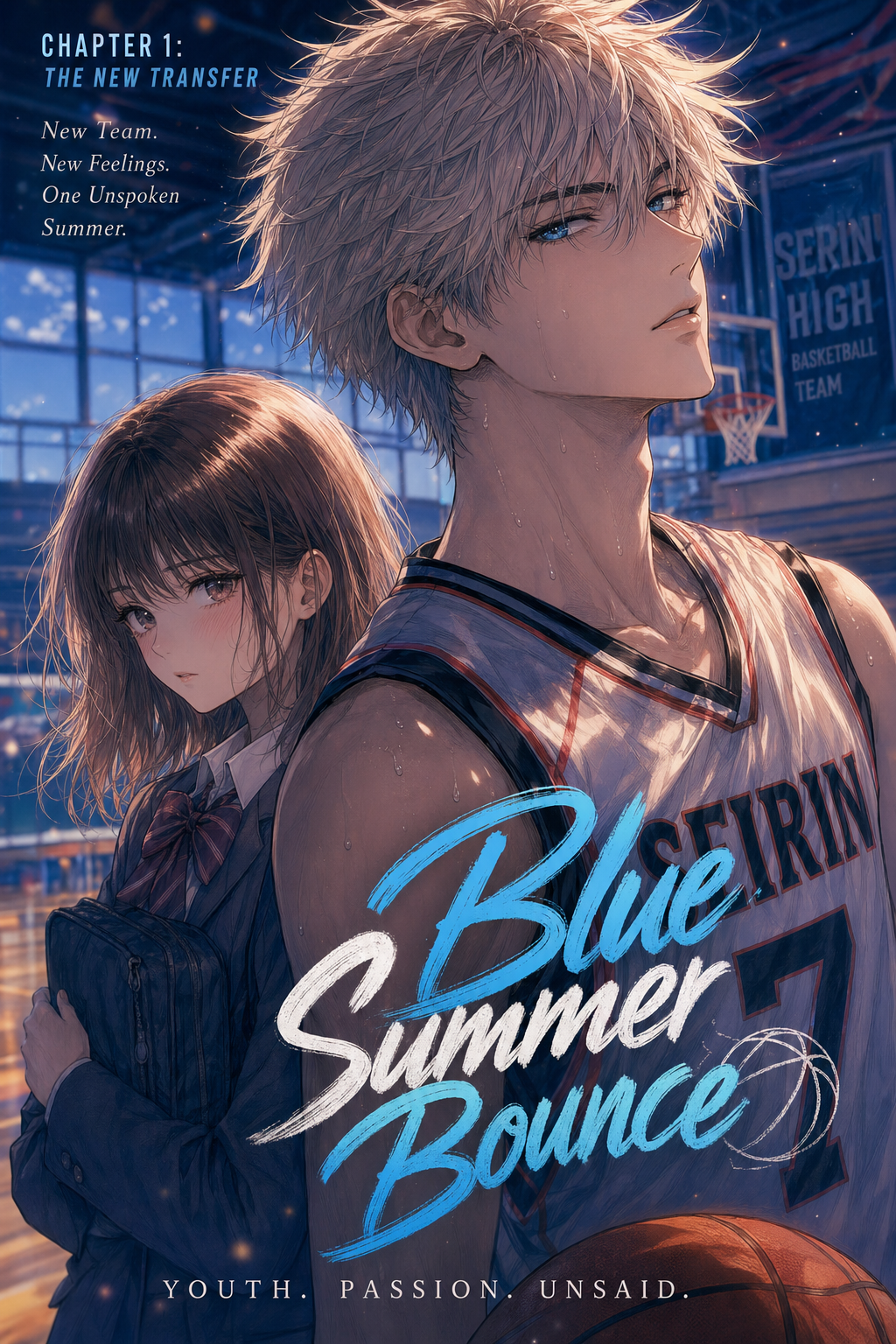
The platform acts as a bridge between your raw concept and your finalized manuscript by utilizing advanced pattern recognition to interpret your specific artistic intention. This technology maintains the artistic integrity of your character proportions, ensuring that the final output matches the sketch baseline while removing unwanted noise or scanning artifacts.
- Technical compatibility: Every inked asset is ready for direct import into professional software like Clip Studio Paint or Photoshop for coloring, screen-tone application, and dialogue layout. * Copyright security: You retain 100% ownership of all character designs, panel layouts, and inked assets processed through the platform, ensuring your creative property remains strictly yours. * Output flexibility: The system generates files at 600 DPI, which is the industry standard for print, preventing pixelation or blurred edges during the final export pass.
Essential Considerations for Your Production
Achieving the best results requires preparing your source files to maximize the AI's ability to distinguish between essential contours and incidental sketching noise. You must aim for high-contrast input sketches where the pencil lines are clearly defined against a clean background, as light or smudged pencil marks can lead to missed details in the final export.
One persistent risk in automated art processes is the potential for character-proportion drift across multiple panels of a single action sequence. The AI mitigates this by applying a uniform line-weight adjustment to every input image, ensuring that a character’s silhouette in an introductory panel matches their appearance during a complex fight scene. If a specific line needs manual refinement, you can export the results into your native layer-based editor to adjust line thickness or shading manually.
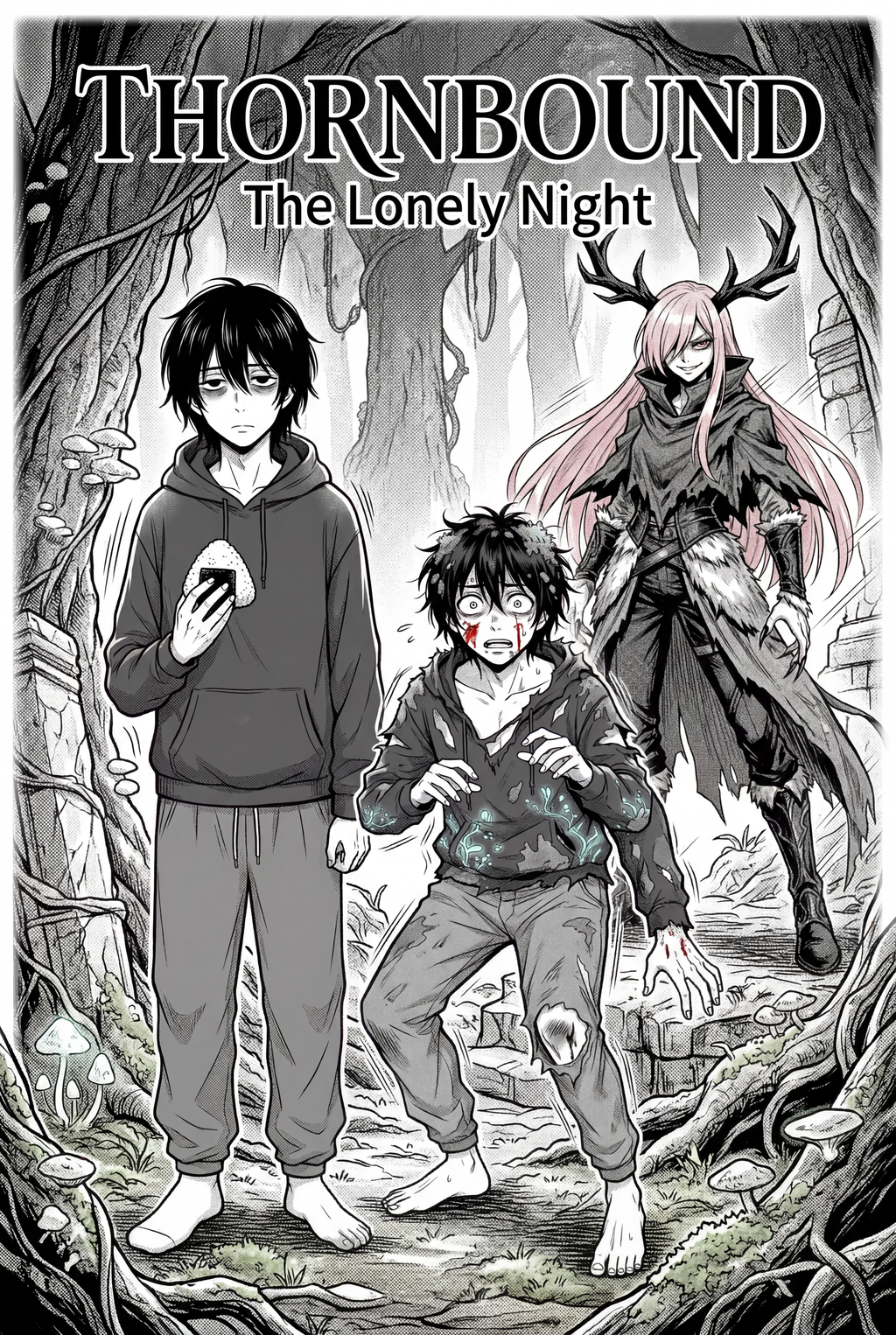
Consider a standard 18-page Seinen chapter where you have scanned your rough drafts at 600 DPI. You upload these sketches, and the tool processes the pages to detect panel gutters and speech-bubble boundaries, delivering clean, sharp, black-and-white ink layers.
Check character consistency, panel readability, line quality, and export readiness before publishing. Creators should also record why the page passed review, which panel details still need manual cleanup, and which export format the next collaborator will use. That makes the subsection useful instead of leaving a short checklist under a large heading.
Getting Started with Your Manuscript
Transitioning to an automated workflow simplifies the journey from an initial idea to a professional-grade manuscript ready for reader feedback. By integrating this tool into your routine, you bridge the gap between creative impulse and technical execution, effectively removing the barrier of manual line-art production.
Creative Brief and Source Input
Creative Brief and Source Input. To begin, create an account, upload your primary character reference sheets, and process your first test page to experience the quality of the line-weight fidelity firsthand. Before export, creators should compare the generated line art with the original sketch and confirm that facial expressions, props, speed lines, and speech-bubble space still support the scene.
A repeatable review pass should cover character consistency, panel readability, background clarity, and whether the final file is ready for coloring, lettering, or editor feedback. For longer projects, creators should save approved examples of line weight, face detail, clothing folds, and background density. Those references keep later chapters closer to the intended style.
Creators should mark which panels are final and which panels still need redraws. Clear status labels prevent an assistant, editor, or colorist from polishing the wrong version. For publishing, creators should review the page at the actual reading size before export. Small screens expose crowded dialogue, weak silhouettes, and line details that looked fine while zoomed in.
Generation Review and Export
Creators should keep a short reference board beside the draft and compare hair shapes, eye details, costume folds, and texture choices before approving the final page. For revision planning, creators should separate art fixes from story fixes. Line cleanup, panel order, dialogue clarity, and character acting each need a different review question.
Creators can evaluate manga inking with Mangaka mid-workflow when they need the product path tied directly to review, refinement, and export. A real test should use the same sketch, character goal, or panel sequence that would otherwise need manual cleanup after generation. Before export, creators should compare the generated line art with the original sketch and confirm that facial expressions, props, speed lines, and speech-bubble space still support the scene.
The Bottom Line
Automated inking provides the most significant time-saving advantage for mangaka focused on consistent output and high-quality storytelling. By removing the repetitive physical strain of manual line work, you gain the freedom to focus on narrative pacing and complex panel design. manga inking and experience a faster, more efficient path to publishing your next chapter.
Related articles
Mastering Afro-Futurist Manga Background Design in 2026
Analyzing Naruto Manga Character Design for 2026 Artists
Afro-Futurist Background Art: A Guide for Manga Creators