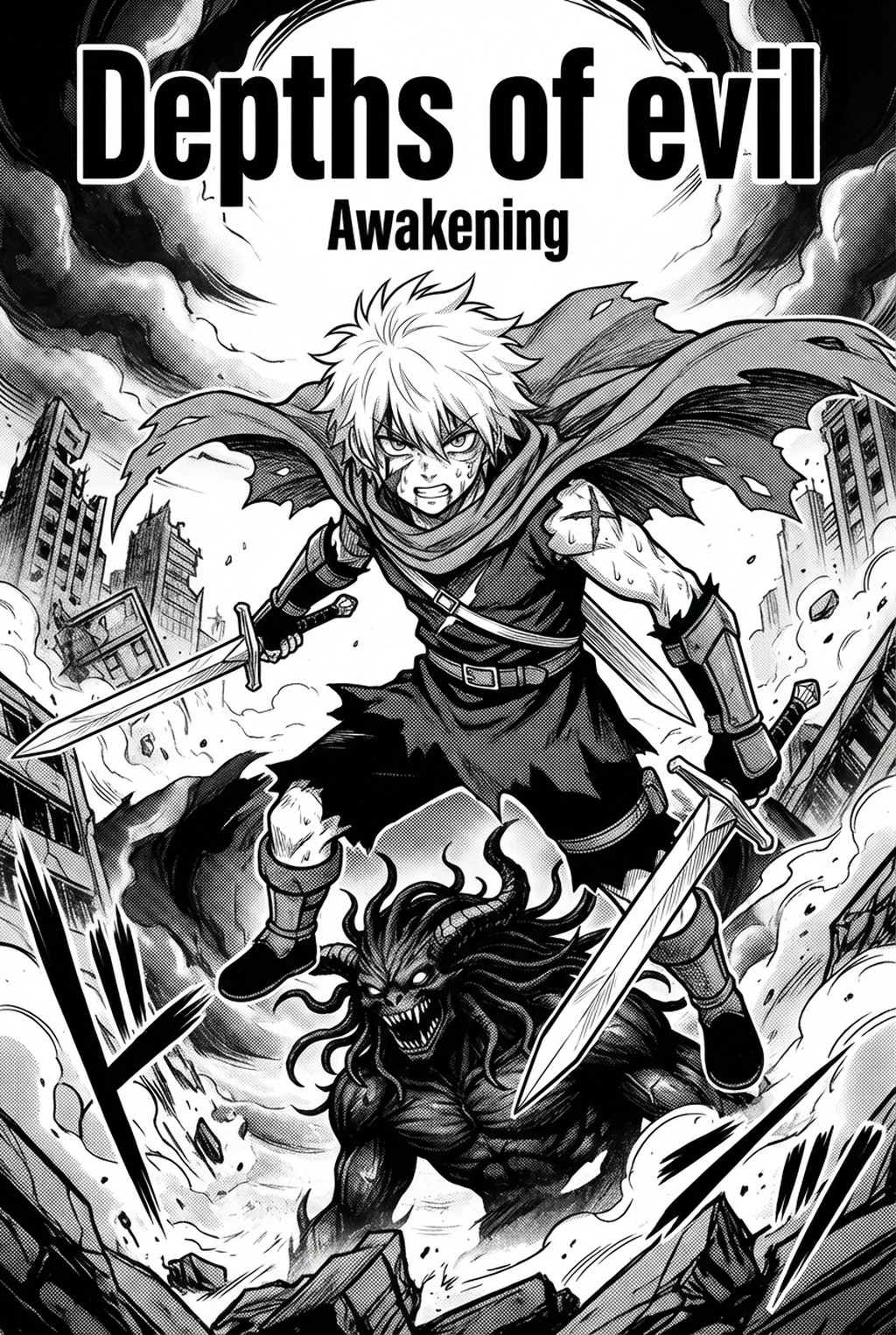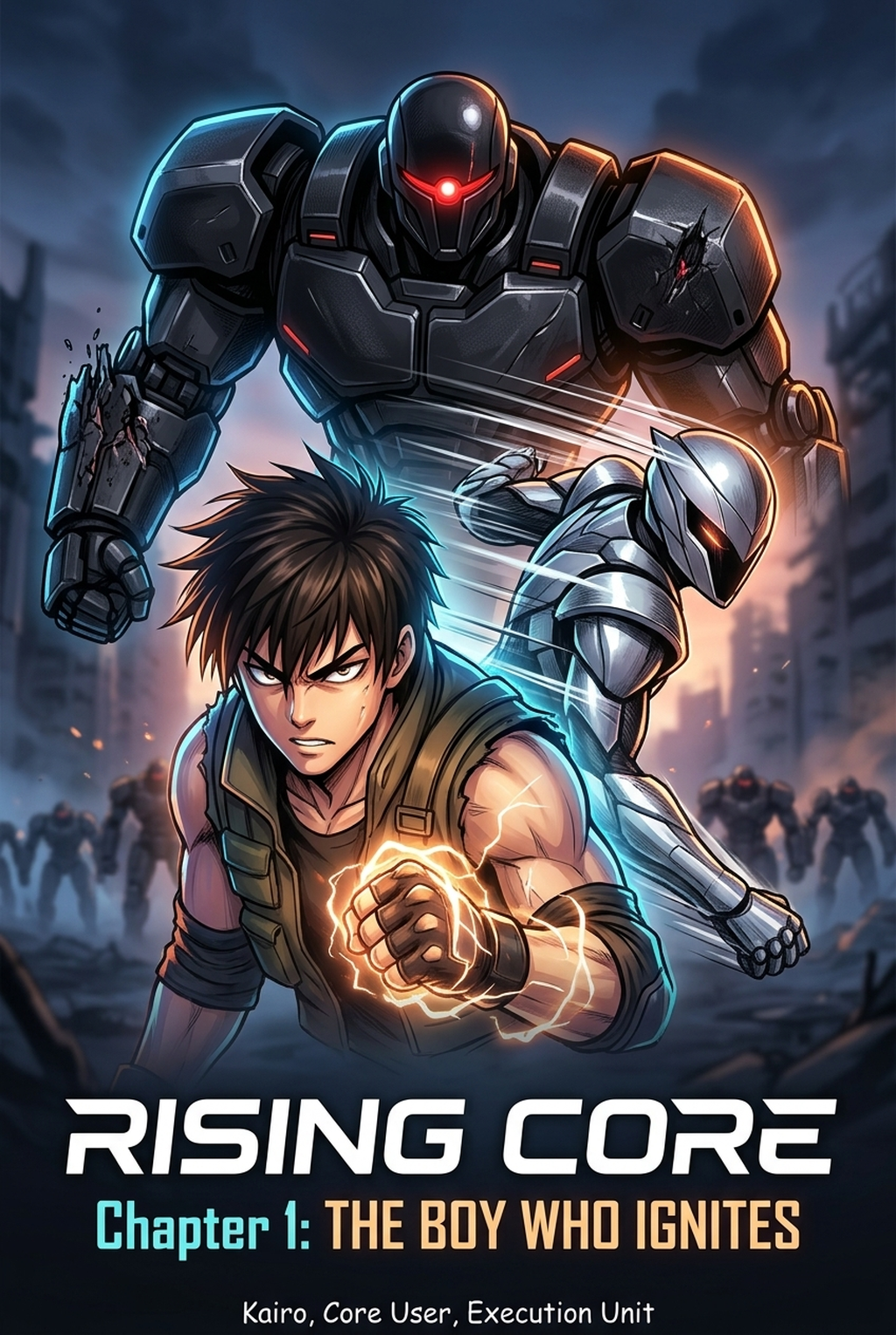
AI Manga Background Artist: Why Effective Environments Drive Reader Immersion
Integrating complex, otherworldly surroundings allows you to signal character psychological shifts without relying solely on internal monologue or heavy dialogue. Using organic, vein-like textures on non-organic surfaces bridges the gap between the mundane world and the supernatural manifestations that haunt your protagonist.
Perspective manipulation, specifically through wide-angle distortion, helps emphasize the feeling of being watched or overwhelmed by a supernatural presence. By intentionally breaking the horizon line in your panels, you force the reader to feel the same disorientation as your lead character, effectively translating fear into a visual language that remains consistent across the entire volume.
Automated Generation Within Your Creative Workflow
Mangaka allows you to convert text descriptions of supernatural architecture directly into high-fidelity panels, eliminating the need for tedious manual inking. When your script calls for a sprawling, decaying cathedral, you input the core stylistic requirements, and the engine generates a render that aligns with your specific line-art preferences.
- Style control: Refine inputs related to 'ink-wash style,' 'tonal value,' and 'architectural decay' to ensure the output matches your specific manga style. * Technical bottlenecks: Automated generation solves the common issue of background-heavy chapters, allowing you to focus on character performance and panel flow rather than technical rendering. * Consistency maintenance: Use existing seeds or template overlays to ensure that a location, such as a cursed laboratory, retains its exact structural geometry over multiple panels.
If you are working on a 5-panel sequence featuring a shifting staircase, you can generate a base render for the first panel with a specific "gothic ruin" keyword set. You then lock the seed to export four subsequent panels from different camera angles, ensuring the stone carvings and light leaks remain consistent in every frame of the final PDF export.
Application Across Diverse Manga Genres
Different narratives require distinct environmental treatments to ground the supernatural elements within their respective sub-genres. Creators can use each revision decision to clarify panel readability, character consistency, and export quality before publishing or sharing.
- Urban Horror: Prioritize dense city textures and chaotic neon light leaks to contrast the supernatural horror with modern reality. * Dark Fantasy: Emphasize gothic architecture, ancient stone, and non-Euclidean shapes that define a world detached from human history. * Psychological Thriller: Use minimalist, repetitive background patterns to simulate character mental deterioration and deep-seated entrapment.
Getting Started with Professional Background Tools
Mastering this process is no longer limited by your manual drawing speed; it is about defining the atmosphere of your world while maintaining your unique artistic fingerprint. That extra context helps the reader connect the creative choice to character consistency, composition, speech-bubble space, and final file format. Creative Brief and Source Input. Creative Brief and Source Input.
- Hand-drawn character compatibility: By adjusting texture and weight settings to align with your inking preferences, the AI creates backgrounds that blend seamlessly with your character art.
- Print delivery standards: Professional AI tools generate high-resolution imagery capable of meeting standard manga print delivery formats, ensuring your final CBZ or PSD files retain sharpness at high DPI.
- Workflow integration: Use supernatural manga backgrounds with Mangaka to quickly block out complex environment shots, allowing you to reserve your energy for high-impact character reaction panels and complex action sequences.
- Before Export. Creators should compare the generated line art with the original sketch and confirm that facial expressions, props, speed lines, and speech-bubble space still support the scene. A repeatable review pass should cover character consistency, panel readability, background clarity, and whether the final file is ready for coloring, lettering, or editor feedback. - For Longer Projects. Creators should save approved examples of line weight, face detail, clothing folds, and background density. Those references keep later chapters closer to the intended style. For collaboration, creators should mark which panels are final and which panels still need redraws. Clear status labels prevent an assistant, editor, or colorist from polishing the wrong version. - For Publishing. Creators should review the page at the actual reading size before export. Small screens expose crowded dialogue, weak silhouettes, and line details that looked fine while zoomed in. For manga creators, the practical value comes from reducing redraw loops before the artwork reaches a reader-facing page or reusable asset. - For Style Control. Creators should keep a short reference board beside the draft and compare hair shapes, eye details, costume folds, and texture choices before approving the final page. For revision planning, creators should separate art fixes from story fixes. Line cleanup, panel order, dialogue clarity, and character acting each need a different review question. - For Solo Creators. The most useful workflow is one that keeps rough ideas editable until the final pass. That reduces rework when the scene mood changes after the first read-through. This keeps the review focused on story intent, line weight, panel readability, and the export quality behind the final AI Manga Background Artist output.
Creators should compare the generated line art with the original sketch and confirm that facial expressions, props, speed lines, and speech-bubble space still support the scene. For this criterion, check character consistency, panel readability, line quality, and export readiness before publishing. Creators should also record why the page passed review, which panel details still need manual cleanup, and which export format the next collaborator will use. That makes the subsection useful instead of leaving a short checklist under a large heading.
The Bottom Line
Mastering environments is about defining the atmosphere of your story, not just drawing lines, and integrating automated generation into your workflow provides the creative oversight you need while cutting down production time for complex horror scenes. By managing the visual tension through precision controls, you ensure your world feels dangerous and authentic. Start experimenting with your scene descriptions by visiting supernatural manga backgrounds to see how AI-enhanced environments can elevate the visual impact of your next chapter.
Related articles
Character Design Mascot: How to Create Iconic Manga Leads
Mastering Dental Manga Art Style for Instructional Comics
Zombie Manga Character Design: Creating Iconic Undead 2026