Understanding the Role of Visual Reference Documents
Manga character design sheets serve as the foundational blueprint for your entire narrative, documenting precise proportions, costume details, and recurring facial expressions from multiple angles. These documents function as an essential 'source of truth,' allowing you to maintain artistic continuity in complex, multi-year narrative projects. By establishing these visual baselines, you protect your work against common production errors, such as misaligned speech bubble placement caused by incorrect character spacing or accidental changes to intricate clothing designs.
- Orthographic Views: Front, side, and back profiles that lock in body mass and height markers. * Expression Grids: A set of 5-8 emotional states that clarify how features like eyes and brows change shape. * Accessory Callouts: Detailed zoomed-in panels explaining how complex items, such as magical artifacts or specialized tech, attach to the character.
Improving Artistic Continuity for Creators
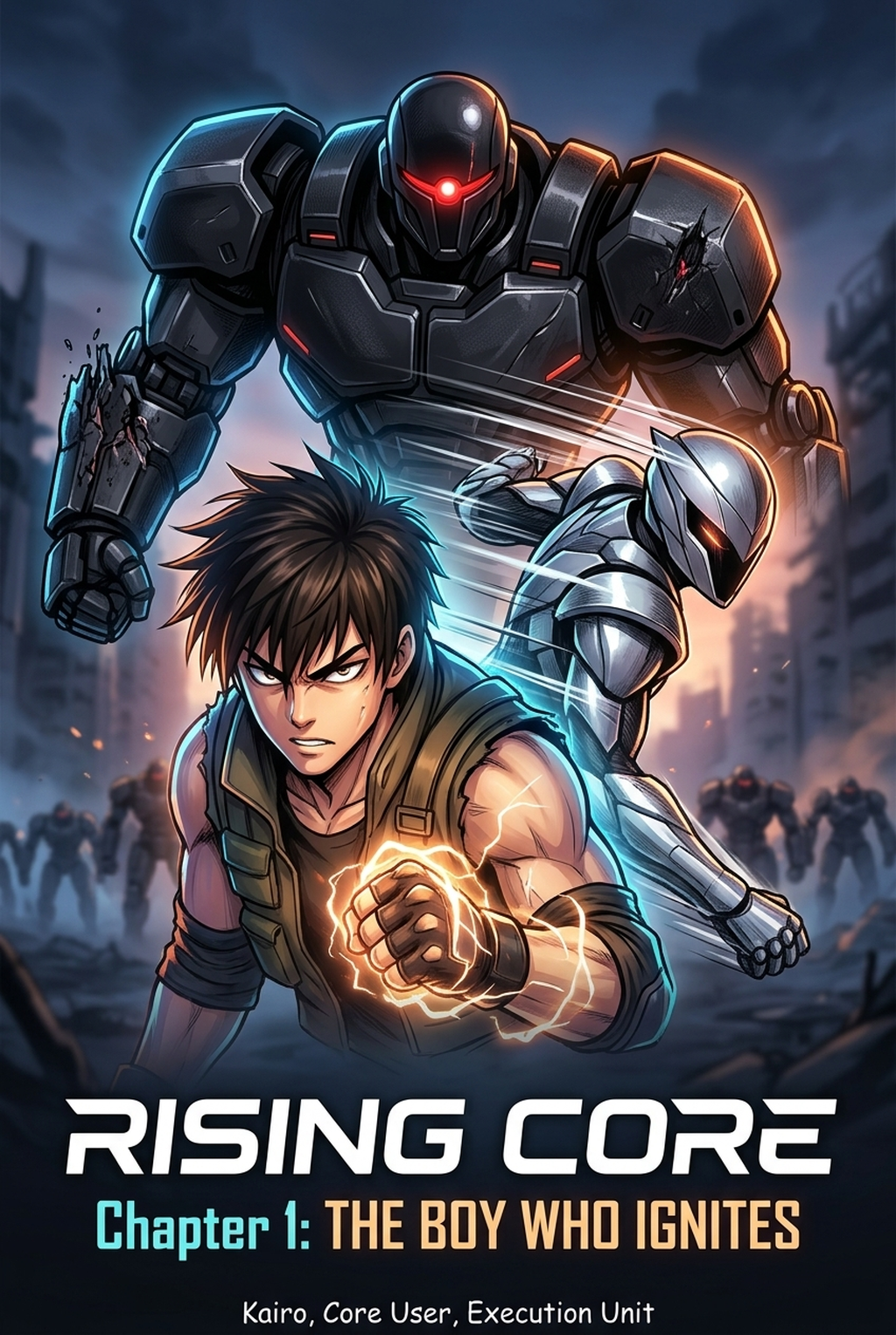
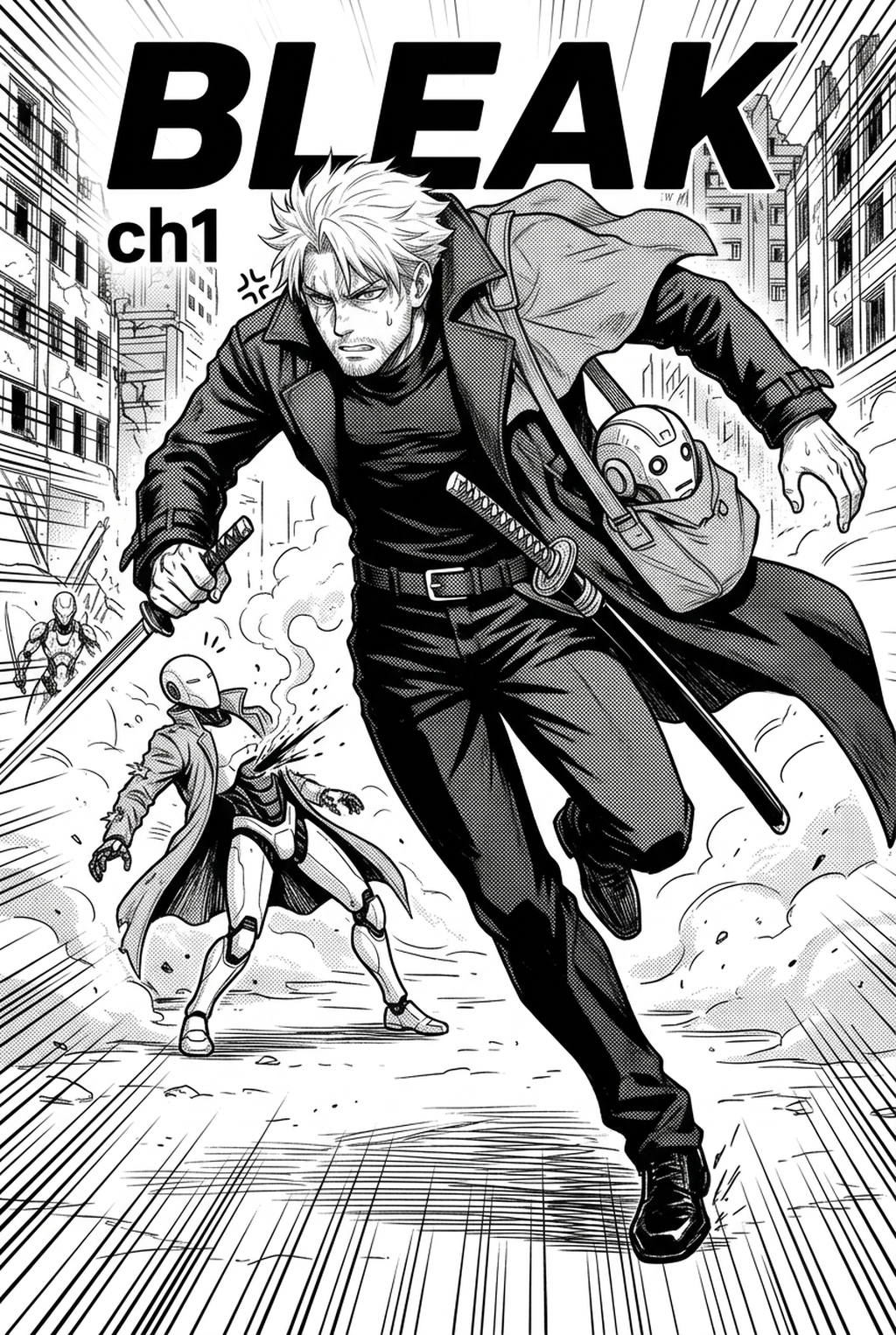
Dynamic silhouette design is the hallmark of high-impact shonen manga, but this focus on energy often leads to visual drift if you do not strictly maintain your base models. While seinen protagonists might rely on gritty, textured detailing that demands high-precision line-weight discipline, shonen leads prioritize recognizable shapes that remain clear even in heavily motion-blurred action panels.
One crucial strategy involves incorporating 'action pose snapshots' into your reference documents to test if a character's core design remains recognizable during high-motion segments. You should also include a height comparison chart against common environmental objects, like a standard doorway or a desk, to ensure your scale remains consistent across various background plates. By establishing these markers, you move beyond mere drawing and into the role of an Art Director, effectively managing your visual cast with the same care as a long-running studio series.
Leveraging AI for Character Design
Modern AI manga character designers empower creators to move past the thousands of hours typically spent on manual iteration by automating the creation of multi-angle orthographic projections. Instead of laboriously redrawing a character to find the correct 3/4 view, you input detailed text descriptions to generate the base sheet, focusing your energy on panel pacing and story boarding rather than tedious line-art reproduction.
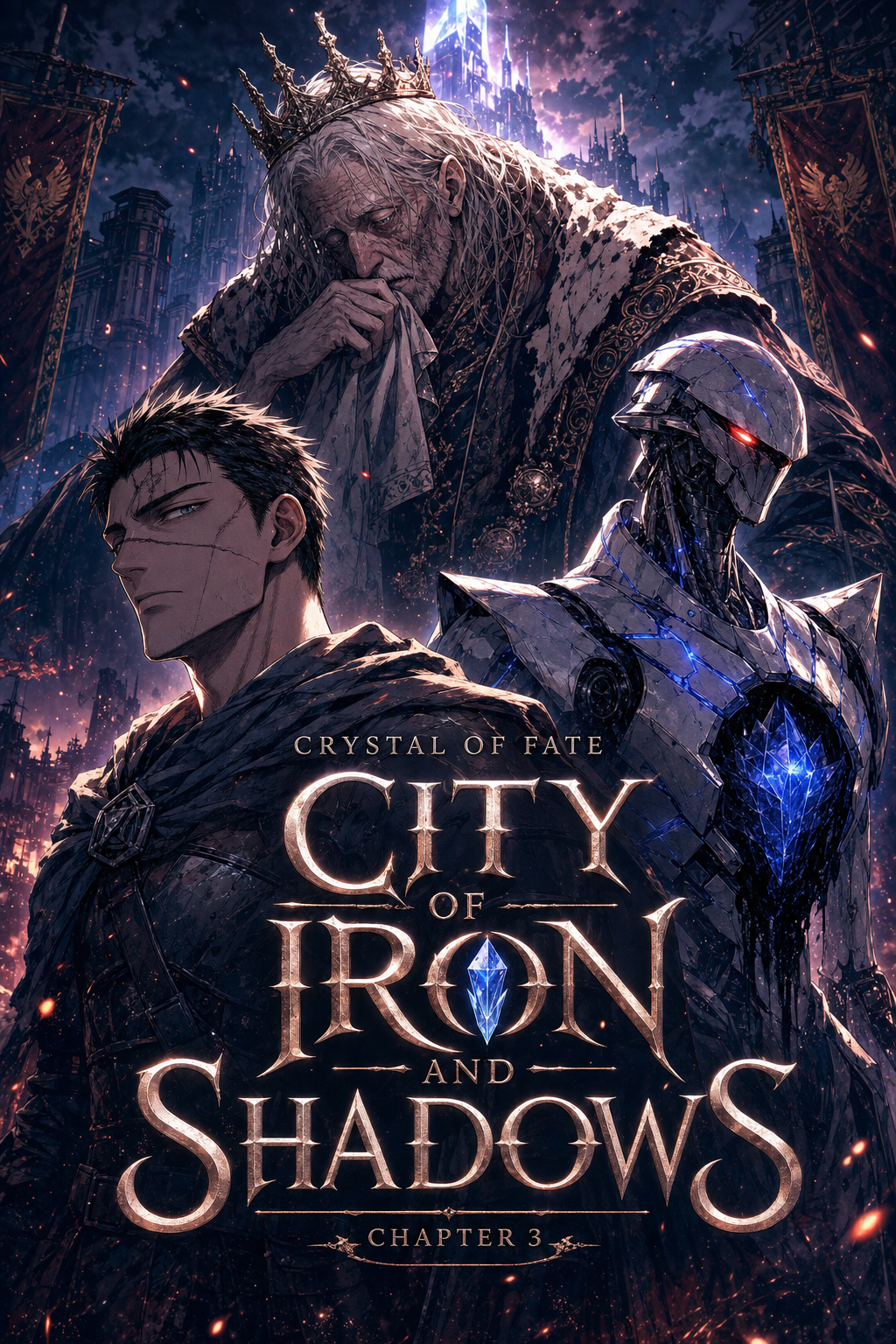
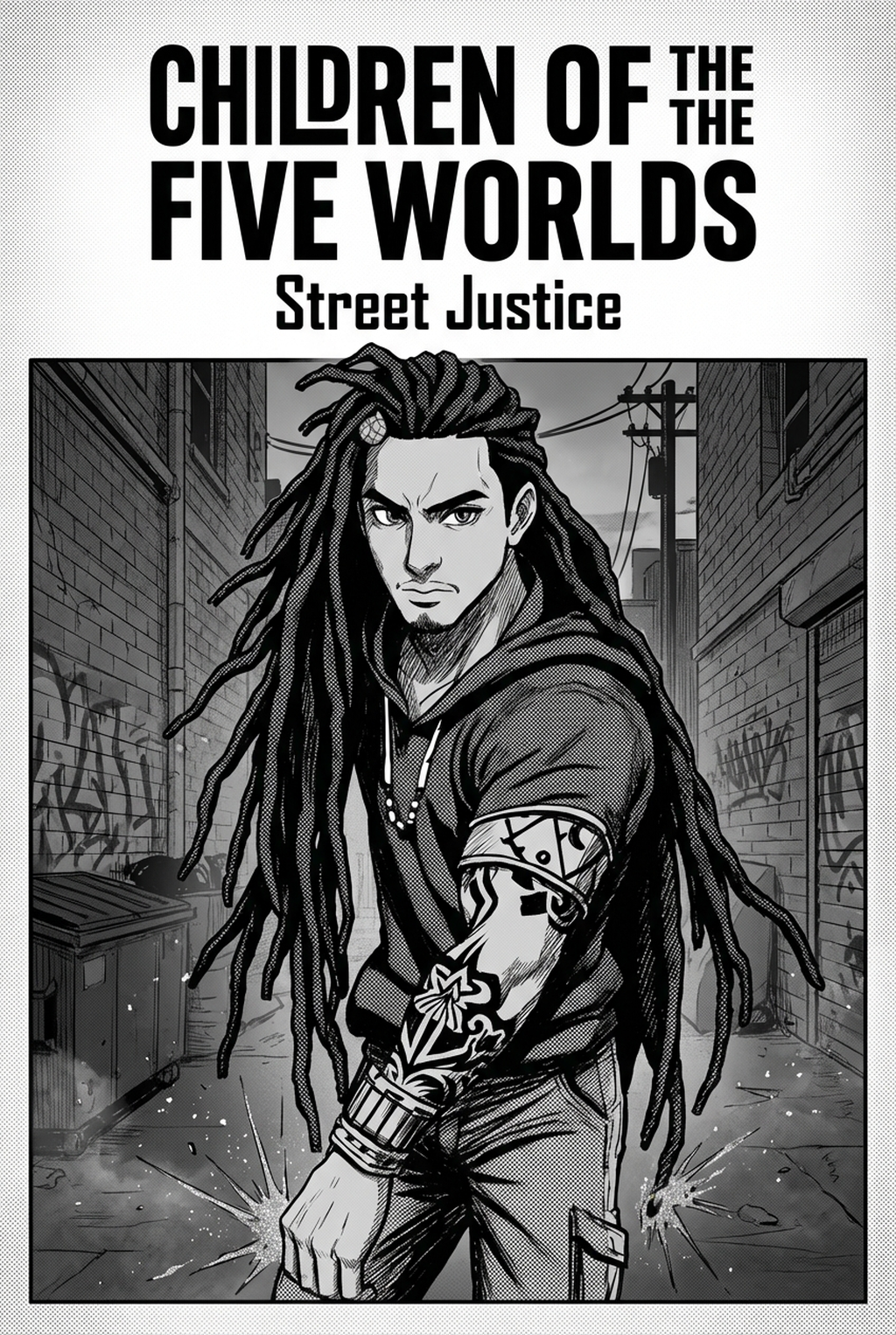
This technology maintains visual consistency by locking core markers—such as specific hair-parting patterns, scar placement, or distinctive clothing creases—across all generations. By acting as the director, you control the output through precise descriptive inputs, ensuring every panel adheres to the established visual identity of your series. This workflow significantly reduces the time required for pre-production, allowing you to finalize your base assets and move directly into the inking phase. You can start refining your own cast models at Manga character design sheets with Mangaka and see how rapidly you can produce professional-grade reference documents.
Organizing Your Asset Library
You should treat your character design sheets as a master style guide document that captures every detail for your primary cast, including color palettes if you are working on digital releases. A disorganized project library is a common failure point that leads to "model shift," where a character’s proportions subtly evolve as you move from chapter to chapter.
To prevent this, implement a dedicated file naming system for your asset library, separating 'base design' sheets from 'expression variations' to ensure easy retrieval. When moving into your storyboard phase, keep a secondary monitor or a small floating window open with your master character sheet to serve as a constant visual check against your current page panel. This habit ensures that even in the heat of a deadline, you never deviate from the established anatomical constraints of your cast.
Initiating Your Design Workflow
Getting started with these tools requires shifting your focus from individual page layout to the creation of reusable assets. By answering a few core questions, you can streamline your setup. This keeps the review focused on story intent, line weight, panel readability, and the export quality behind the final AI Manga Character Designer output.
Yes, a dedicated expression sheet is critical for identifying how your character conveys emotions in various story beats, especially regarding how eye shapes change during extreme surprise or anger. AI tools excel at creating the base model, but the creator must ensure they are consistently referencing the same seed data or initial character sheet throughout the entire production cycle to prevent model drift. The front and 3/4 views are generally considered the most vital, as they establish the character’s primary visual identity and how they occupy space relative to the page panels. By having your reference sheet ready, you ensure that every export, whether in PNG or PSD format, maintains the same line-weight consistency and character proportions, making your final page compilation significantly faster.
Creators should compare the generated line art with the original sketch and confirm that facial expressions, props, speed lines, and speech-bubble space still support the scene. A repeatable review pass should cover character consistency, panel readability, background clarity, and whether the final file is ready for coloring, lettering, or editor feedback.
The Bottom Line
AI Manga Character Designer workflow represent the bridge between scattered concepts and a unified visual story that stands up to critical reader scrutiny. By integrating specialized AI tools into your production process, you can achieve a level of consistency that previously required a dedicated team of assistants, allowing you to focus on the heart of the storytelling. You can build your comprehensive base character reference sheet today by starting your design process at Manga character design sheets .
Accelerate Your Manga Production with Mangaka.app
When designing consistent character casts across serialized chapters, Mangaka.app offers automated turnaround generation, facial expression sheets, and visual prompt-locking to ensure flawless character continuity. Rather than spending dozens of hours repeatedly redrawing complex background assets or wrestling with inconsistent model drafts, creators can focus on story pacing, emotive dialogue, and high-impact panel direction.
Key capabilities for modern creators on Mangaka :
- Strict Character Consistency: Lock facial features, costumes, and silhouette proportions across hundreds of panels.
- Intelligent Storyboard & Layout: Rapidly generate dynamic 4-koma strips, classic print spreads, or vertical webtoon gutters.
- Production-Grade Screentones: Apply authentic Japanese manga tones, hatching textures, and clean vector lettering.
Ready to streamline your comic workflow? Test your concepts and build your next chapter directly on Mangaka.app .