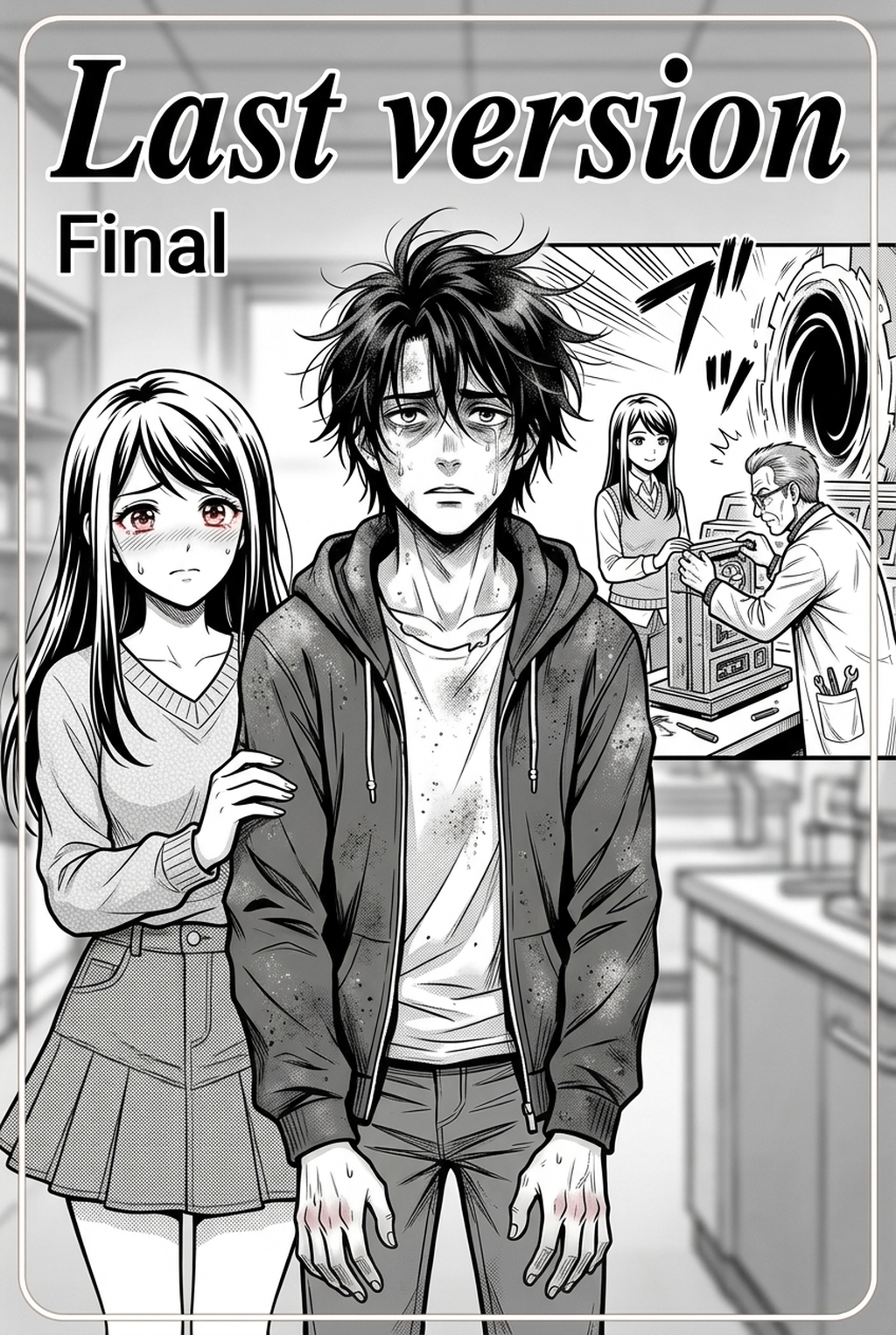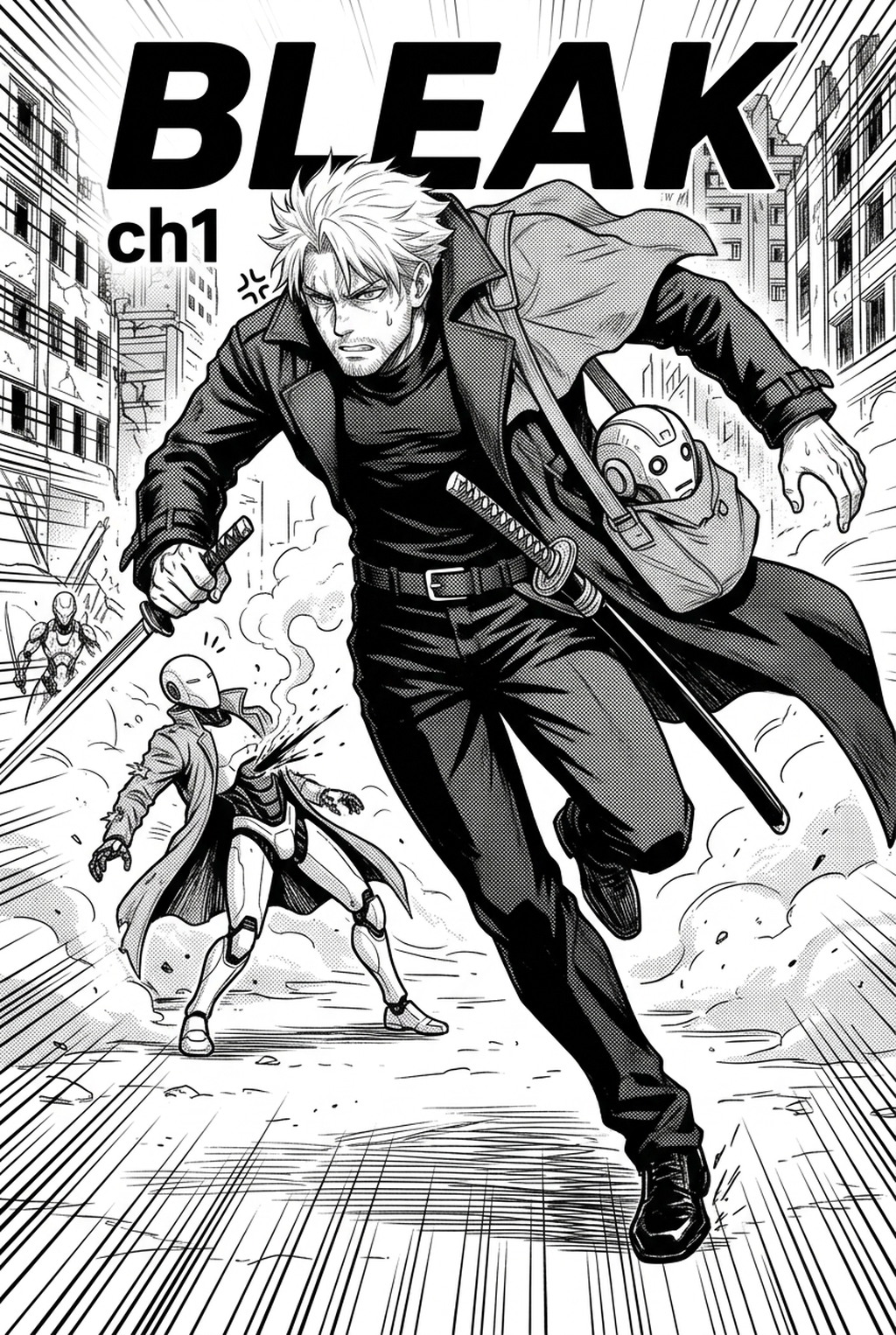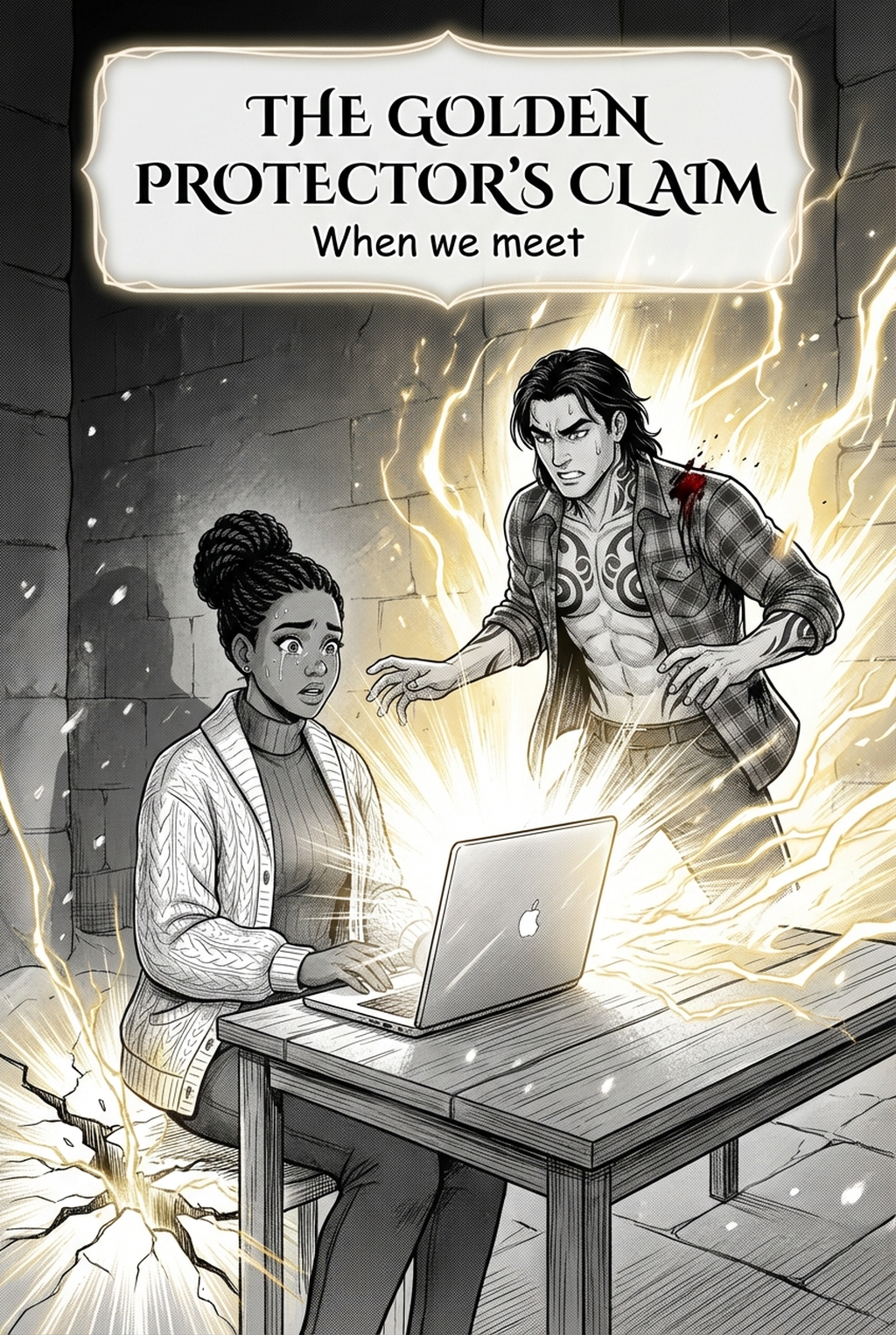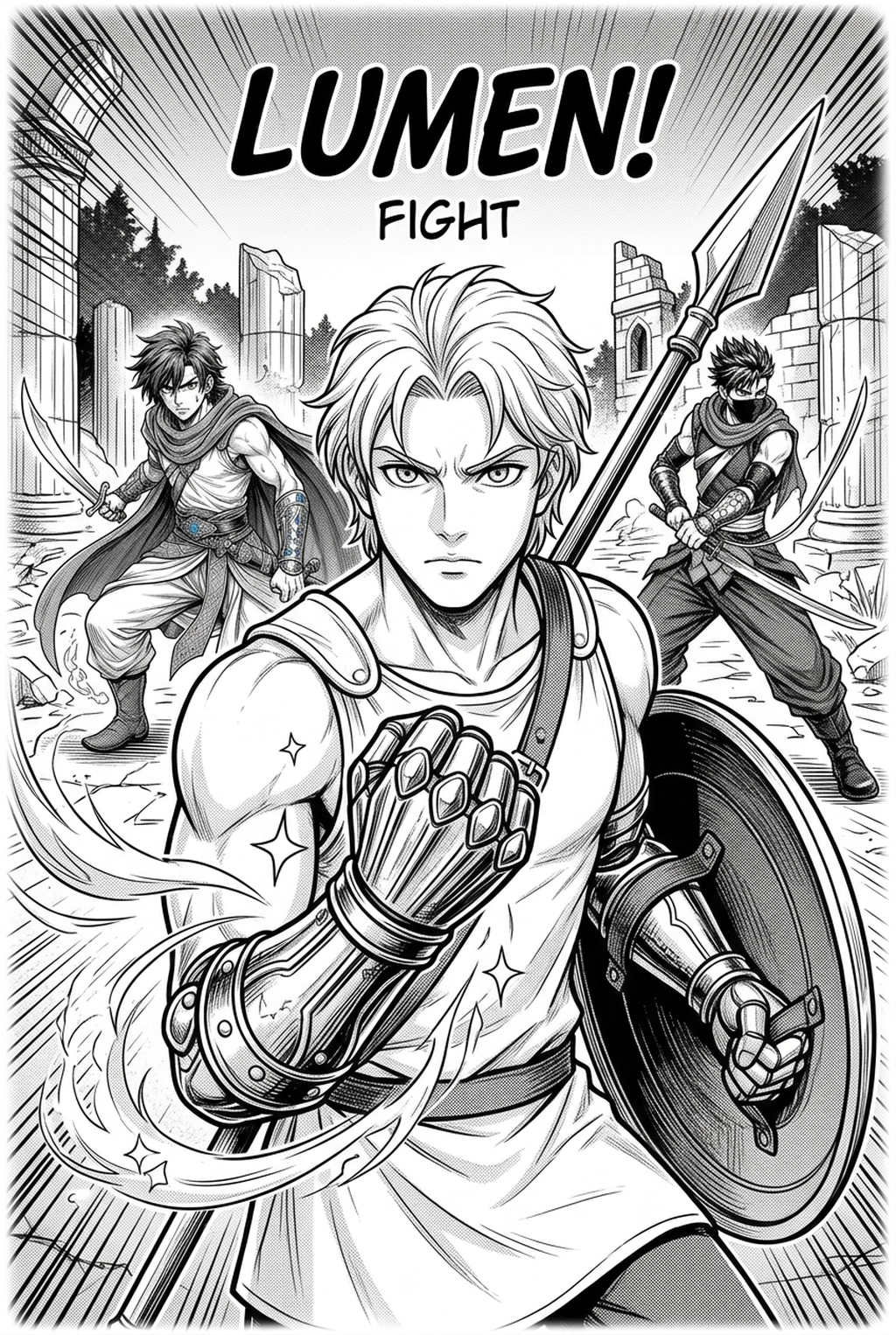
Understanding the AI Manga Character Designer Core
Isekai character development relies on the 'Contrast Bridge', which is the intentional visual tension between the protagonist's mundane origins and their new, high-fantasy reality. A well-constructed character in this genre balances these two worlds by anchoring their design in one or two signature items that never change, even when the rest of their silhouette adapts to new armor or magical equipment.
Modern creative workflows are moving away from traditional, bulky 'hero armor' in favor of 'casual-fantasy' fusion wear. This shift allows artists to keep the protagonist looking like a modern teen while integrating functional fantasy elements, such as mana-crystal-studded leather jackets or cloaks that replace standard tactical gear. The most effective approach requires that 30% of the character’s silhouette remains consistent regardless of the environment to avoid reader confusion during crowded battle scenes.
Why Consistency Dictates Series Longevity
Inconsistencies in character features—specifically hair length, scar placement, or accessory count—break reader immersion and diminish the professional quality of long-form serialization. Managing 'Panel-to-Panel Variance' remains the most frequent point of failure for indie creators, as the time-intensive nature of redrawing complex fantasy gear often leads to 'art drift'.
- Accessory Mismatch: Forgotten mana-gauntlets or missing belt pouches during key action sequences force readers to question the internal logic of the world. * Inking Fatigue: Hand-drawing intricate fantasy motifs under tight deadlines leads to simplified lines that lack the weight of earlier, more polished chapters.
When the protagonist gains a new legendary weapon, the shift must be absolute across all future panels, which historically required a complete manual review of all preceding character assets to ensure compliance with the established visual rules. This keeps the review focused on story intent, line weight, panel readability, and the export quality behind the final AI Manga Character Designer output.
Using AI to Anchor Character Design Consistency
AI tools like Mangaka solve the issue of art drift by allowing creators to lock in 'Character Seed Data', ensuring that facial structures and signature gear remain stable across thousands of panels. By defining your protagonist through a set of text-based constraints, you can generate turnarounds—front, back, and three-quarter views—without ever having to start from a blank canvas.
- Visual Style Anchoring: Use the system to enforce consistent line weights, preventing the jarring shifts that occur when multiple assistants contribute to the inking phase. * Seed Preservation: When generating action poses, the model retains the unique silhouette and costume details of your design, ensuring that your hero in a high-speed combat panel looks identical to their static portrait. * Production Speed: Rapidly iterate on variations of an outfit before committing to the final line art, ensuring that new equipment pieces don't clash with the established color palette.
For creators looking to stabilize their workflow, isekai manga character design with Mangaka acts as an extension of the studio desk, handling the repetitive layout and consistency tasks that otherwise drain the time needed for narrative quality. By inputting specific character descriptions, you can generate variations that account for different lighting conditions and action states, maintaining a level of technical polish that was once reserved for large publishing houses.
Strategic Application for Fantasy Worldbuilding
Character silhouette remains the most important factor in reader recognition, especially when the protagonist is placed in chaotic crowd panels or dense forest backgrounds. Integrating 'Functional Worldbuilding' ensures that gear like mana-crystals or travel cloaks match the specific lore of your realm, rather than appearing as generic RPG tropes that lack thematic weight.
- Iconic Shape Language: Design your protagonist with a distinct accessory, such as a jagged scarf or a unique mechanical limb, that functions as a visual anchor in every panel. * Lighting and Material: Before final inking, use reference-backed iteration to see how character outfits respond to magical luminescence or dark dungeon shadows. * Palette Discipline: Limit your protagonist to a strict color palette of three primary tones to maintain clear readability when layered over complex backgrounds.
Adopting this systematic approach to design allows you to focus on the story beats rather than constant corrective edits. By testing how a character looks in varying environments during the planning phase, you reduce the risk of later finding that your design is too complex to reproduce at scale for a long-form series.
Implementation for New Manga Creators
Many artists worry that leveraging AI undermines their creative control, but the industry standard is shifting toward using these tools to handle repetitive layout tasks while the creator focuses on the narrative direction. A professional-grade character sheet should always include a front, three-quarter, and side view, supplemented by at least one high-energy action pose to test the flexibility of your design.
- Avoiding Generic Templates: Focus on layering unique, non-standard color palettes and personal items that carry over from the real world to prevent the Isekai Clone" syndrome. * Workflow Integration: Start by defining the Source Context"—your set of descriptive constraints—to ensure your character designs survive the transition from chapter 1 to chapter 50. * Expert Review: Treat your generated character sheets as a contract between you and your reader, ensuring that every detail is documented and archived for easy reference throughout the production cycle.
The Bottom Line
Successful design in this genre rests on visual stability and the thematic alignment between the protagonist and their new environment. By leveraging modern AI-driven workflows, you can match the production consistency of major studio series while maintaining absolute control over your narrative. To start stabilizing your production and ensuring your characters look perfect in every panel, visit isekai manga character design .
Design Distinctive Isekai Casts & Costumes with Mangaka.app
From modern high schoolers to fantasy knights and demon monarchs, isekai series demand rich and varied character rosters. Mangaka.app elevates your fantasy cast creation:
- Genre-Specific Outfit Archetypes: Generate detailed fantasy armor, magical robes, and modern-to-fantasy costume transitions effortlessly.
- Persistent Cast Height Charts: Compare multi-character silhouettes side-by-side to guarantee accurate relative scale throughout your chapters.
- Facial Landmark Continuity: Lock eye shape, hair silhouette, and facial structure across high-stakes combat and comedic reaction beats.
- Rapid Creature & Familiar Prototyping: Conceptualize magical familiars, spirit beasts, and party companions that match your manga art style.
Ready to elevate your manga creation workflow? Experience professional AI-assisted storyboarding, character consistency, and digital inking with Mangaka.app today.