AI Manga Character Designer: The Necessity of Design Stability
Consistency is the greatest technical hurdle in modern serialized storytelling, requiring strict adherence to base proportions, facial landmarks, and apparel details throughout the workflow. If your character’s eye height shifts by even five percent from the top of the page to the bottom, the discrepancy becomes distracting during a high-octane battle scene.
Establishing a comprehensive style guide or reference sheet before you finalize your storyboard prevents the dreaded visual drift that plagues many independent creators. This documentation acts as a contract between your early creative vision and your final output, ensuring that the character you drew in the introduction remains recognizable by the climax of the arc.
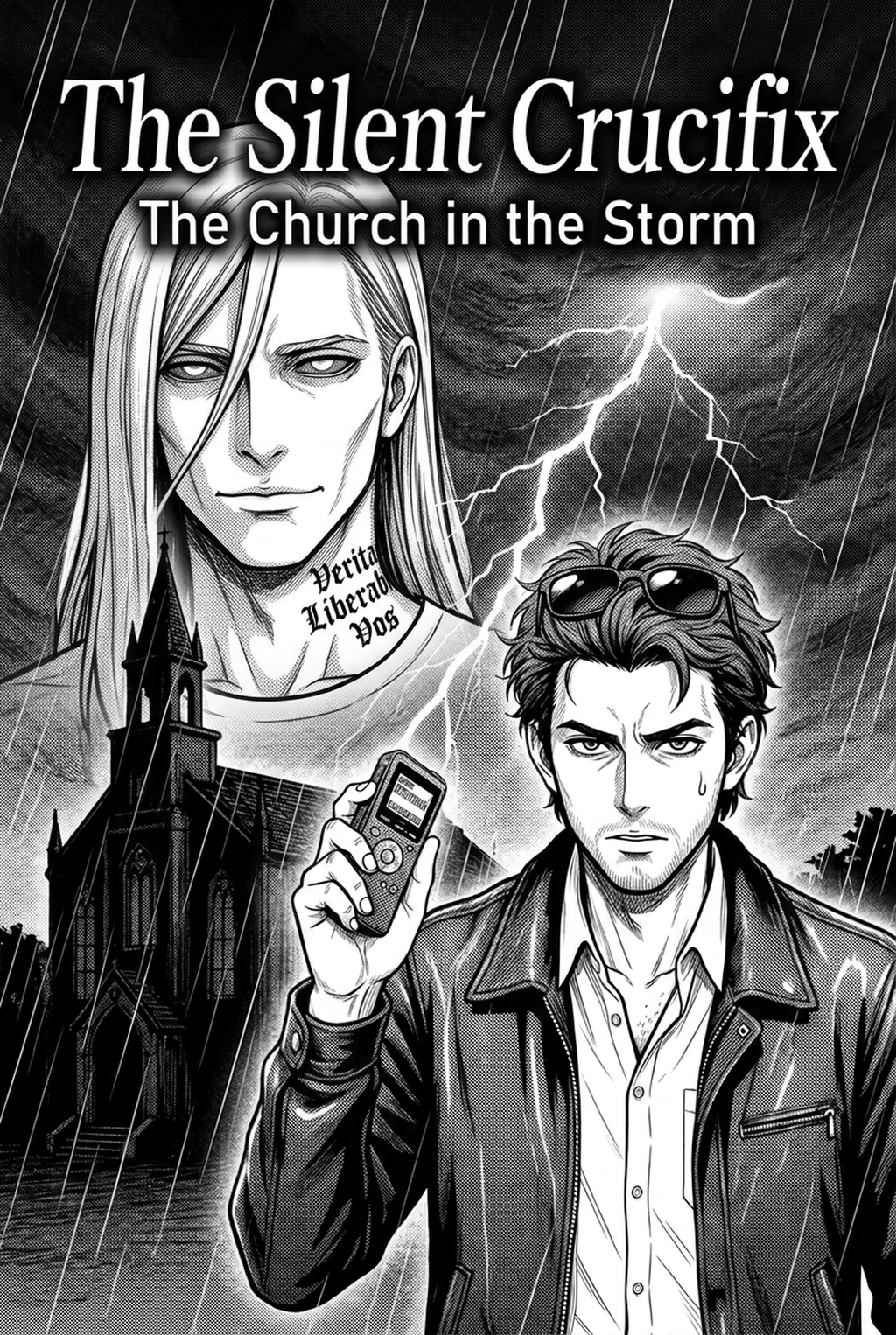
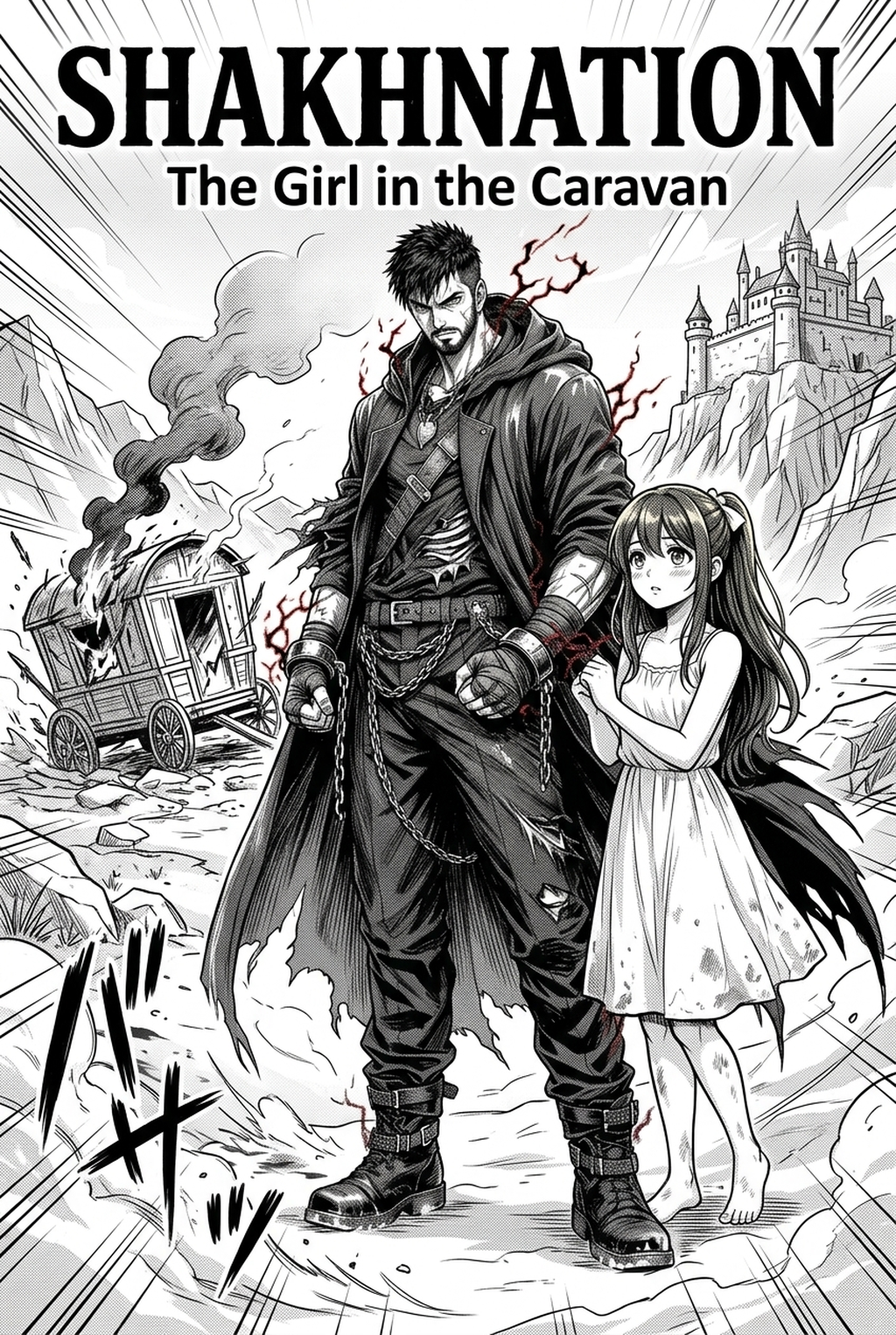
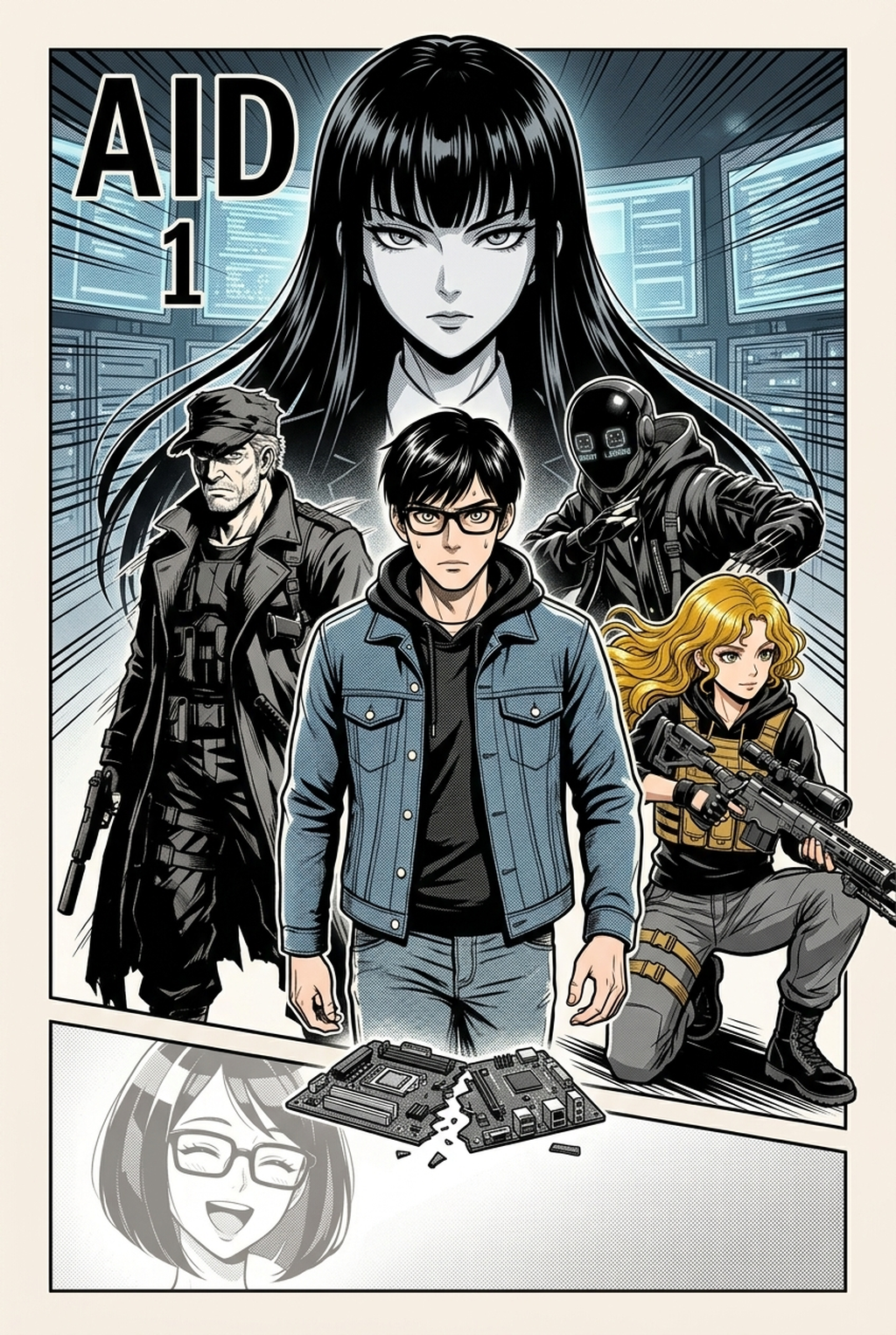
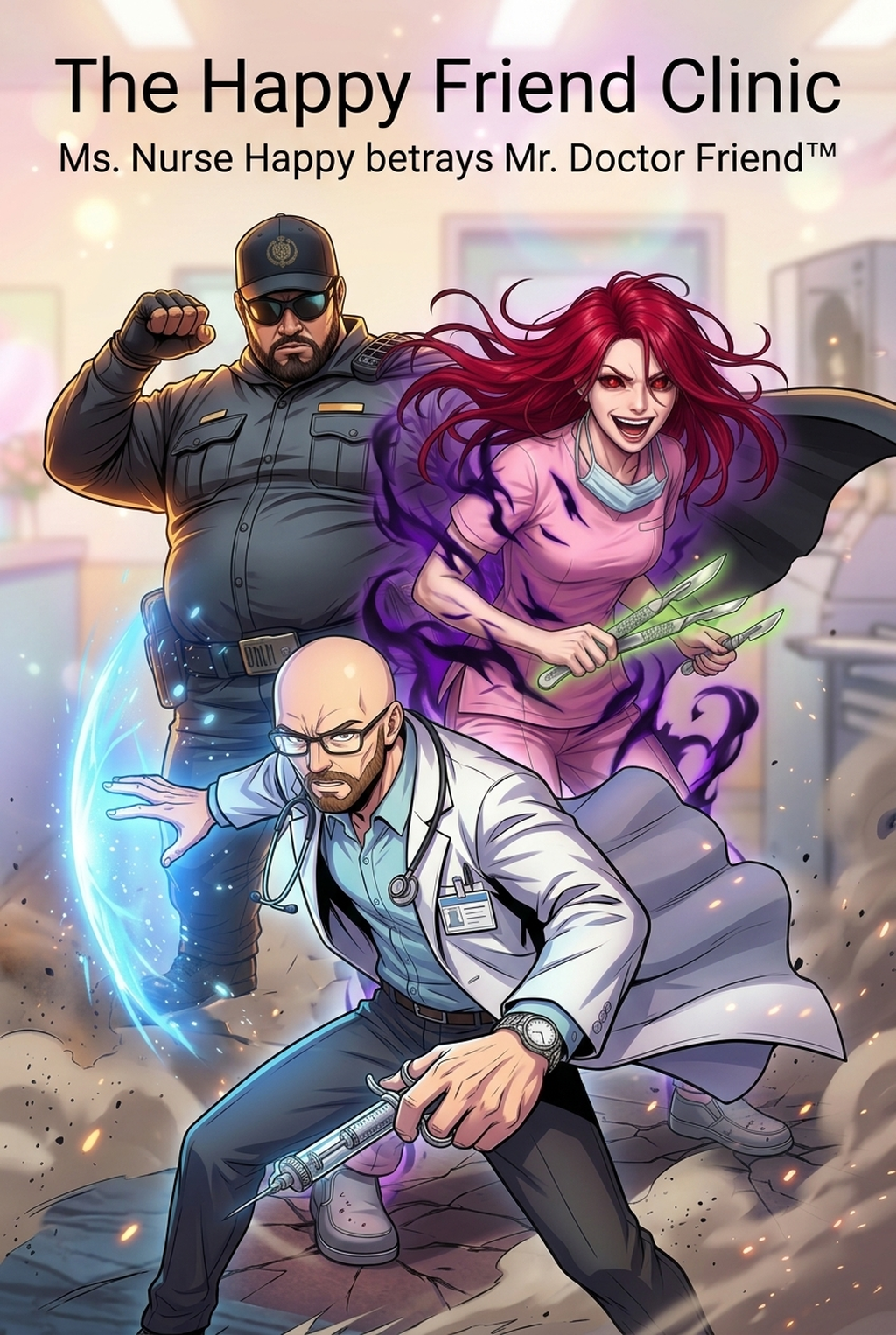
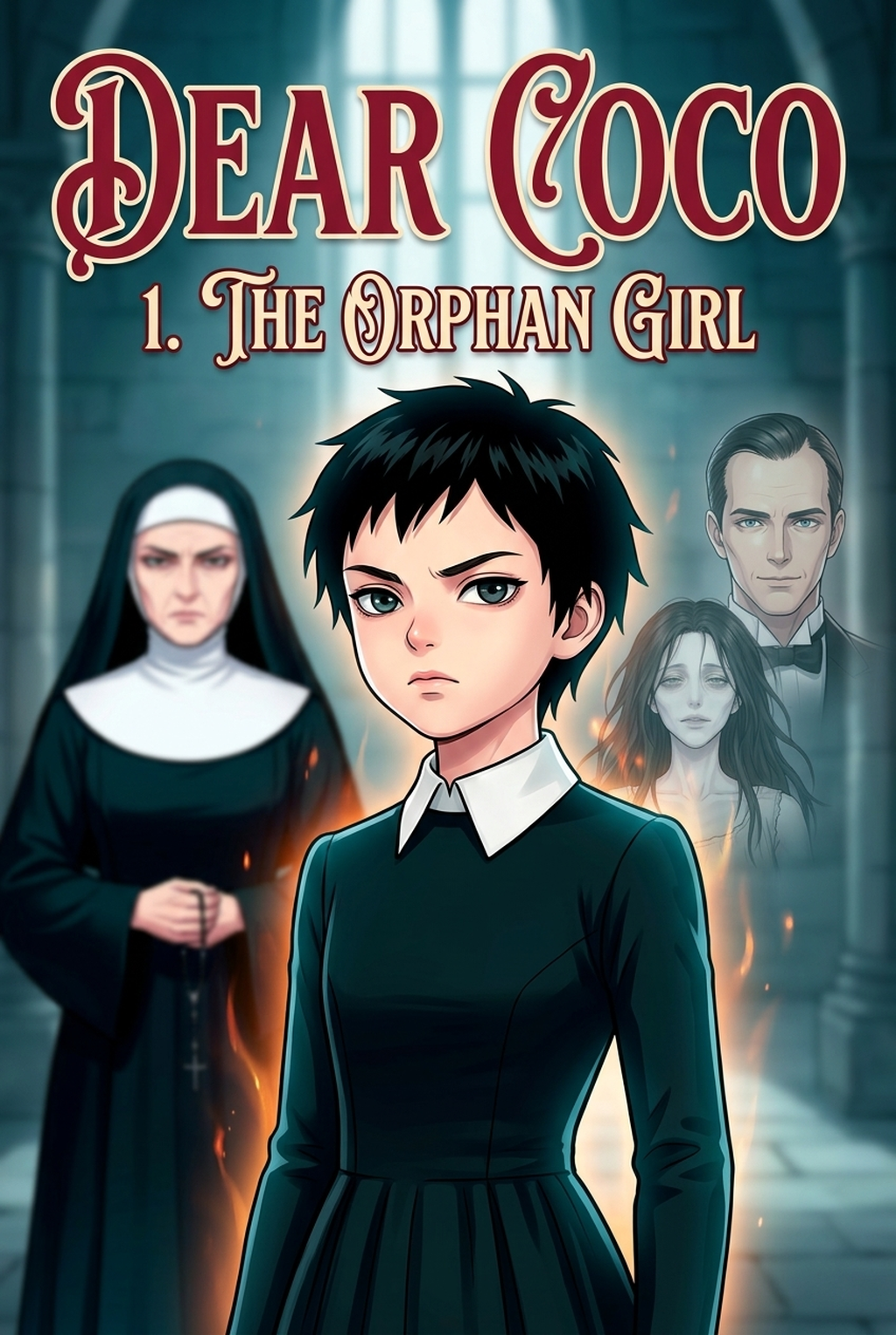
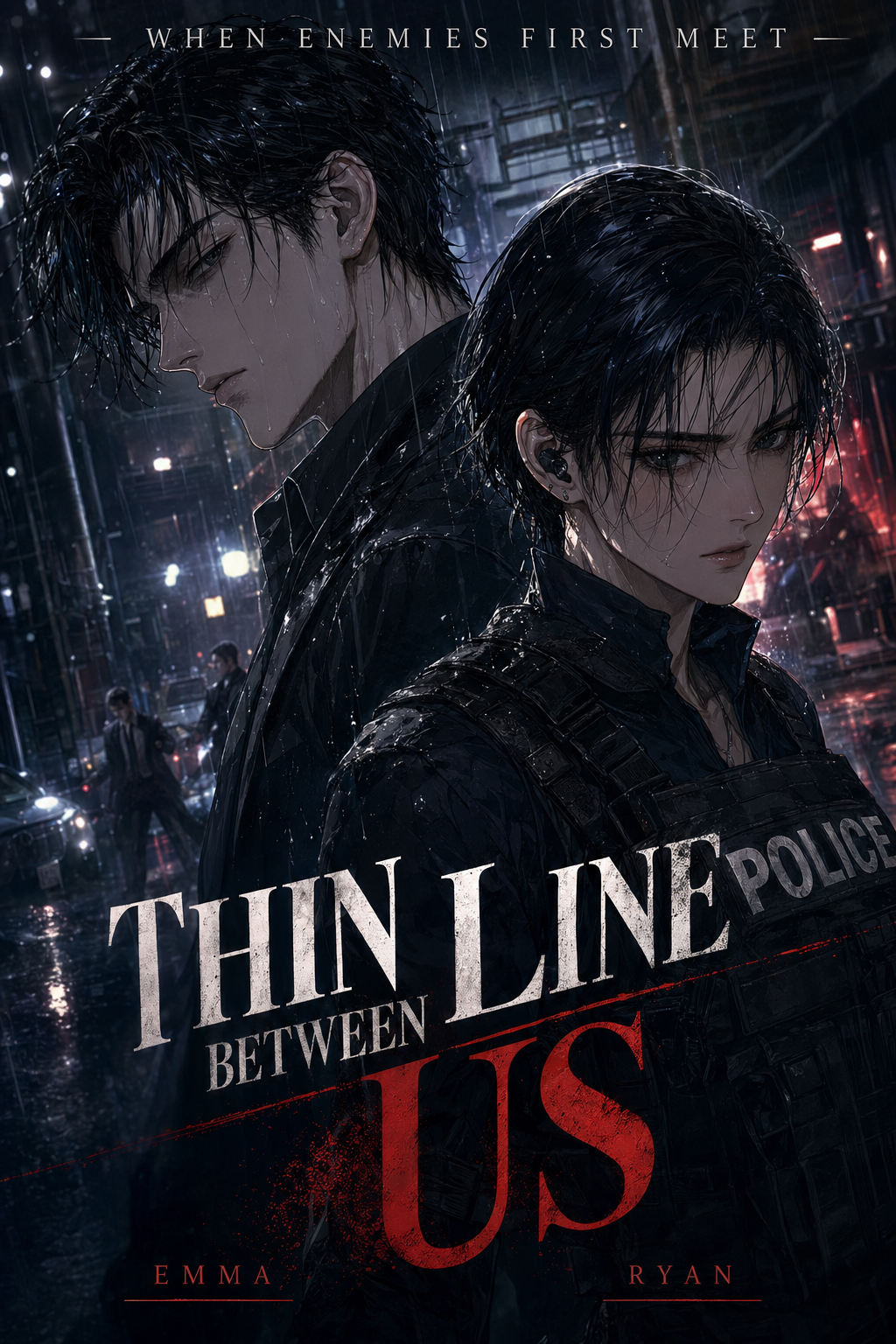
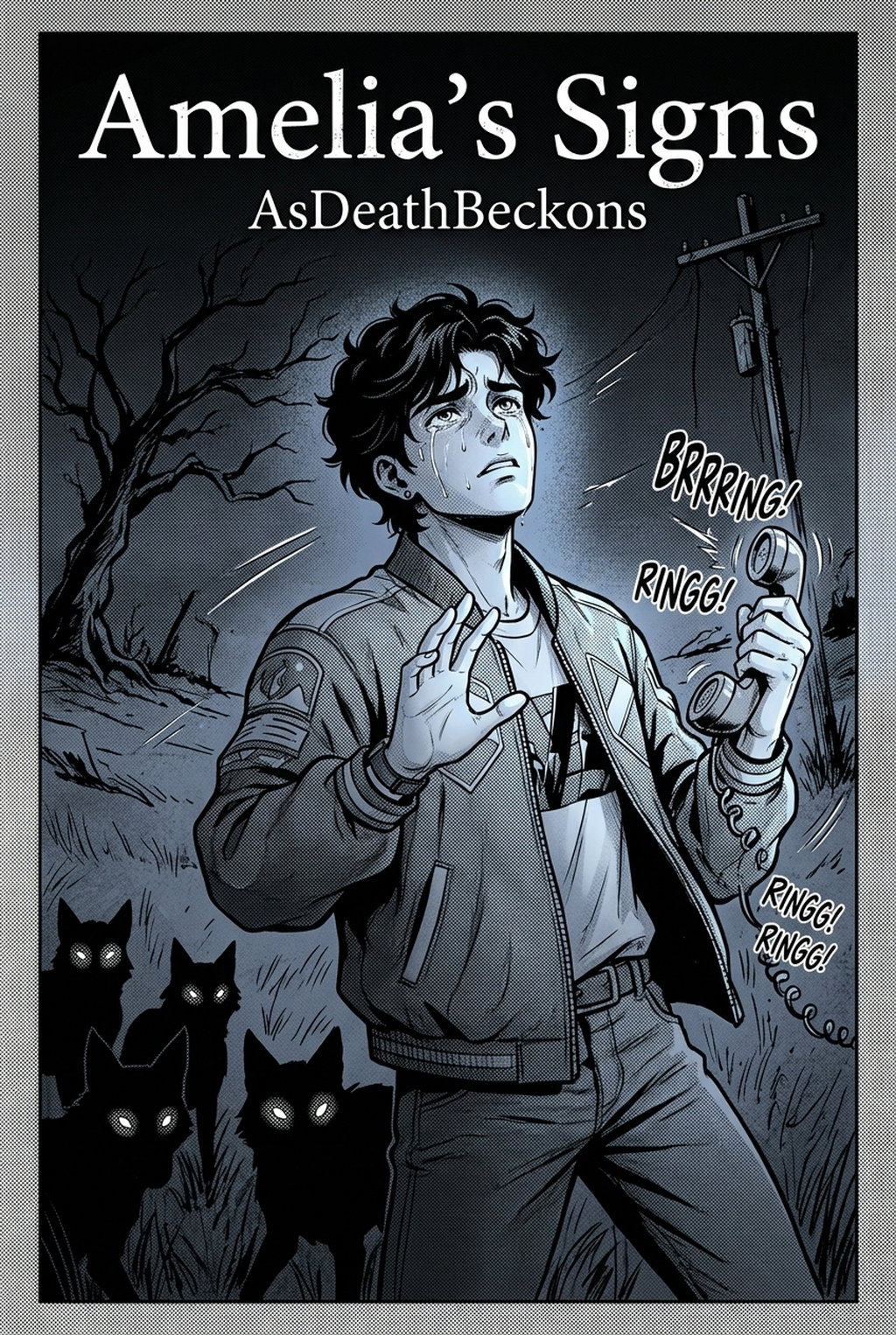
Utilizing modern AI tools allows creators to input precise character descriptions to generate stable model sheets, ensuring the creator maintains total control over the final visual output. This process ensures that every character asset remains compliant with your internal artistic standards while drastically reducing the time spent on manual drafting and corrective revisions.
Workflow Integration with Mangaka
manga character design with Mangaka functions as a collaborative technical partner, handling the repetitive, labor-intensive aspects of character generation so you can focus on complex panel composition and narrative flow. By generating consistent poses from text descriptions, these tools reduce the manual effort typically required to draft reference sketches for every unique angle.
To utilize these tools effectively, you must refine your terminology to prioritize specific anatomical and aesthetic traits. For instance, clearly specifying attributes like "sharp angular eye shape," "layered spiky hair silhouette," or "asymmetrical combat jacket design" ensures that the output aligns with your stylistic requirements.
This iteration process mimics the workflow of a professional studio, where a concept artist refines a design through multiple passes until it is production-ready. Because these tools generate high-resolution character assets, you can seamlessly integrate them into your existing workflow for layering and inking without losing fidelity.
Practical Use Cases for Designers
Use shape language—such as sharp triangles for aggressive archetypes or soft, rounded forms for more empathetic protagonists—to communicate personality to the reader instantly. This visual shorthand is a core pillar of manga aesthetics, enabling readers to grasp a character's role before they even engage with the dialogue-heavy panels.
A character's outline should be recognizable without internal line work to ensure visual clarity during fast-paced fight scenes or crowded street sequences. If your character’s hair silhouette is too similar to the protagonist’s, you will inevitably struggle to differentiate them in silhouette-heavy, high-speed motion panels.
Build a digital folder containing character color palettes, signature poses, and prop assets to reuse throughout your project. This "asset library" approach prevents the need to recreate foundational elements for every new page, keeping your production time per page significantly lower.
Check character consistency, panel readability, line quality, and export readiness before publishing. Creators should also record why the page passed review, which panel details still need manual cleanup, and which export format the next collaborator will use. That makes the subsection useful instead of leaving a short checklist under a large heading.
How to Get Started with Mangaka
Creators often ask how to maintain a unified look across multiple chapters. The secret lies in using a baseline model sheet as a primary reference for all subsequent panel generation, ensuring your AI tools remain anchored to your established parameters.
- Silhouette Integrity: Focus on the character’s outer frame and unique accessories, as these are the first elements the reader’s eye will recognize in a crowded spread. * AI as Multiplier: Remember that AI design tools are not a replacement for your creative vision; they act as a force multiplier that automates the technical heavy lifting of character sheet generation. * Baseline Consistency: Always start your chapter workflow by generating your base character model at the intended resolution to match your existing page layouts.
Creators should compare the generated line art with the original sketch and confirm that facial expressions, props, speed lines, and speech-bubble space still support the scene. A repeatable review pass should cover character consistency, panel readability, background clarity, and whether the final file is ready for coloring, lettering, or editor feedback.
- Before Export. Creators should compare the generated line art with the original sketch and confirm that facial expressions, props, speed lines, and speech-bubble space still support the scene. A repeatable review pass should cover character consistency, panel readability, background clarity, and whether the final file is ready for coloring, lettering, or editor feedback.
- For Longer Projects. Creators should save approved examples of line weight, face detail, clothing folds, and background density. Those references keep later chapters closer to the intended style. For collaboration, creators should mark which panels are final and which panels still need redraws. Clear status labels prevent an assistant, editor, or colorist from polishing the wrong version.
- For Publishing. Creators should review the page at the actual reading size before export. Small screens expose crowded dialogue, weak silhouettes, and line details that looked fine while zoomed in. This keeps the review focused on story intent, line weight, panel readability, and the export quality behind the final AI Manga Character Designer output.
The Bottom Line
AI Manga Character Designer workflow remains a deliberate blend of artistic intuition and technical discipline, demanding that creators maintain rigorous consistency across thousands of frames. By utilizing specialized tools like the Mangaka AI Designer, you can overcome the manual labor of generating model sheets and focus your energy on the narrative heart of your project. Solidifying your character models early prevents unnecessary rework and ensures a professional-grade look for any serialized project; AI Manga Character Designer workflow to streamline your production.
Related articles
Character Design for Manga: The Modern Creator’s Guide 2026
7 Character Design Tips for Consistent Manga Protagonists
Character Design for Manga: A Beginner's Creative Guide 2026