What Is Manga Character Design?
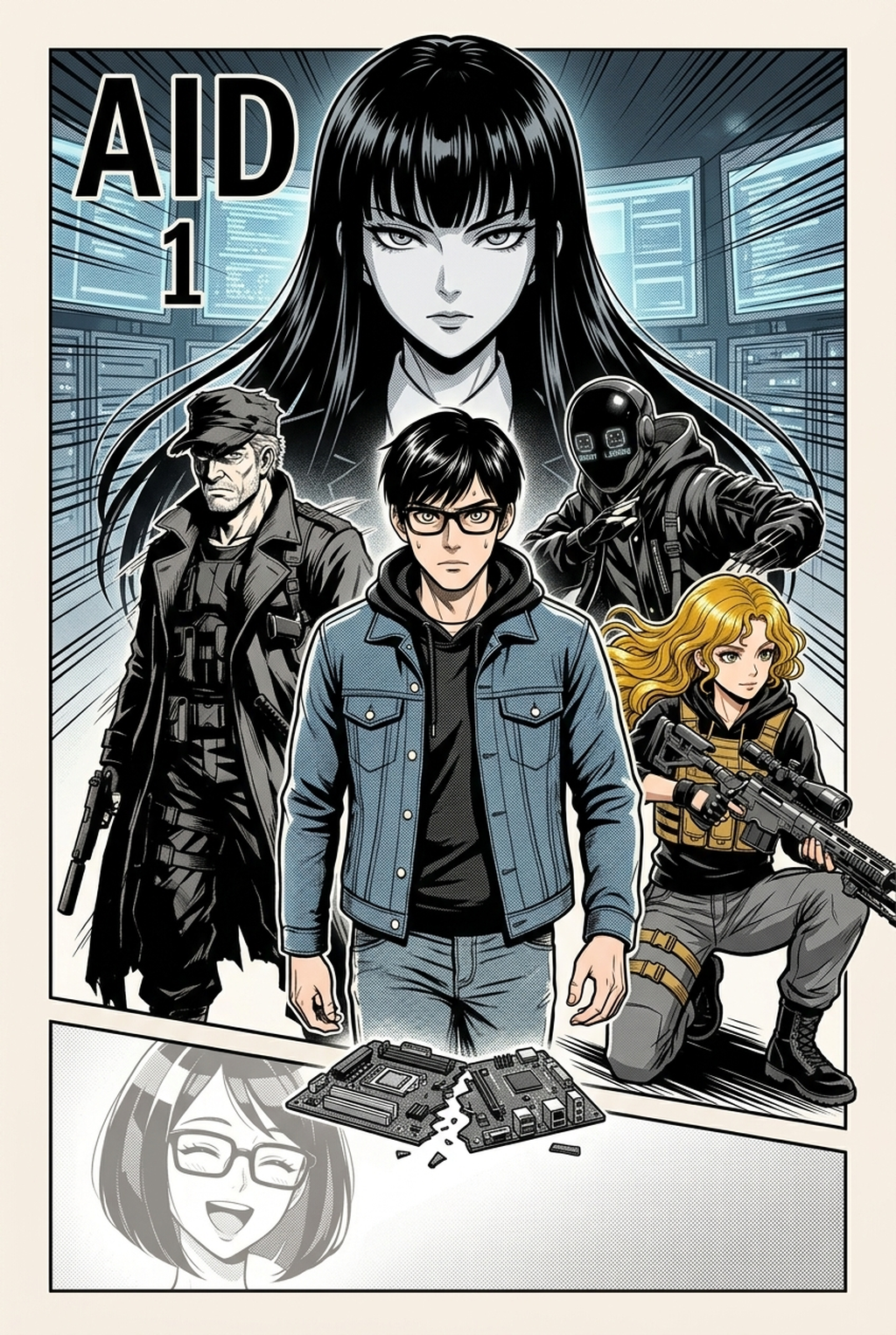
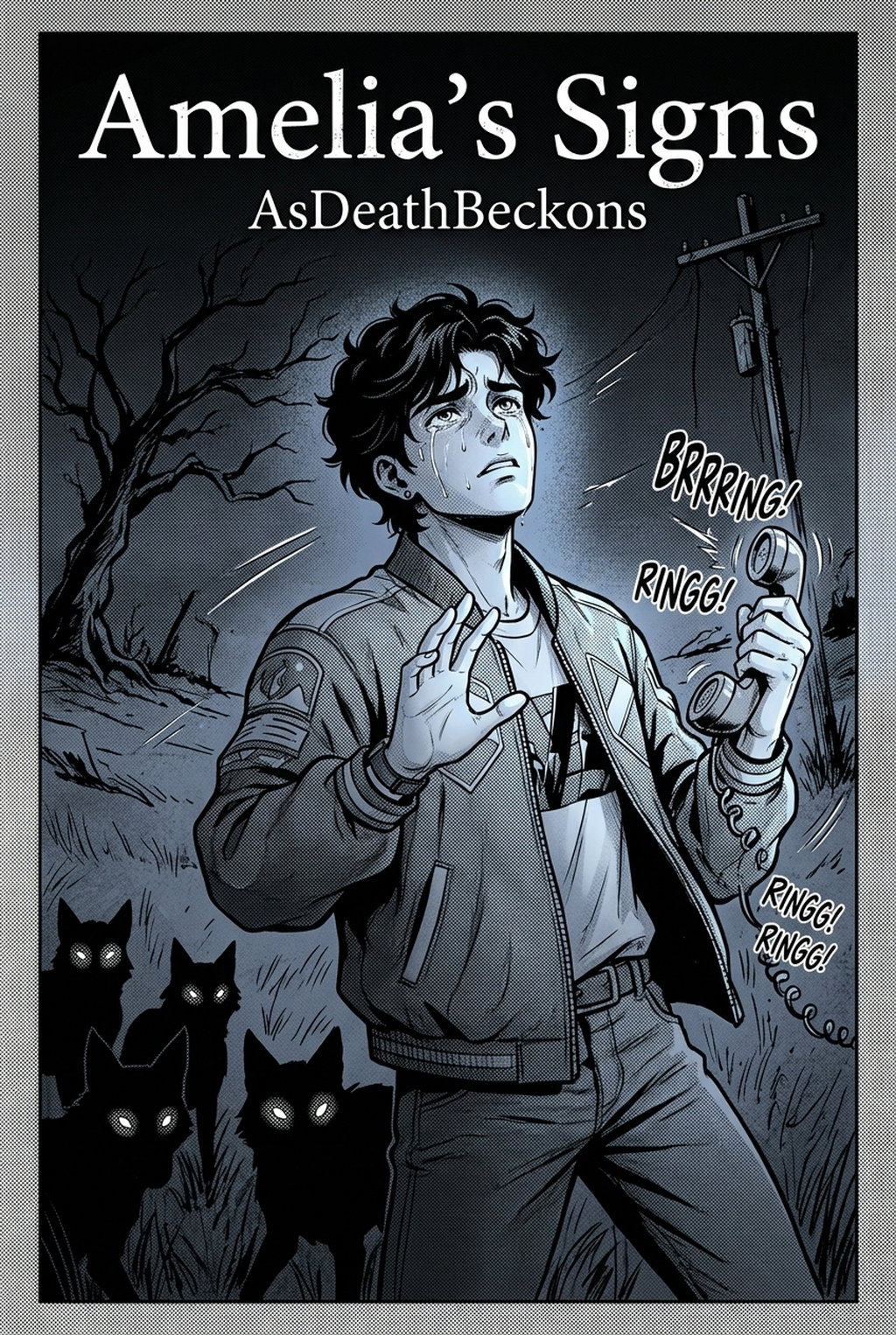
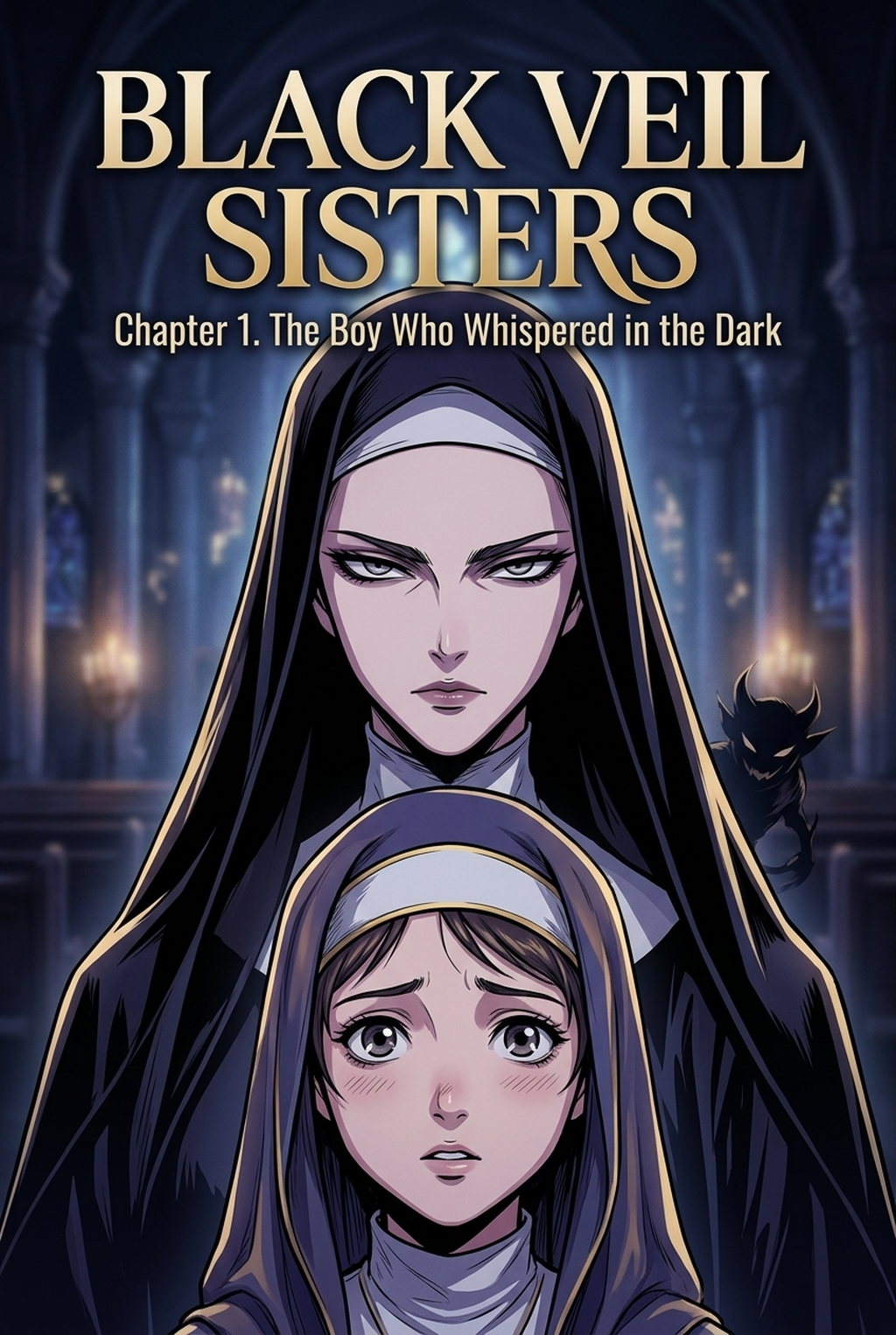
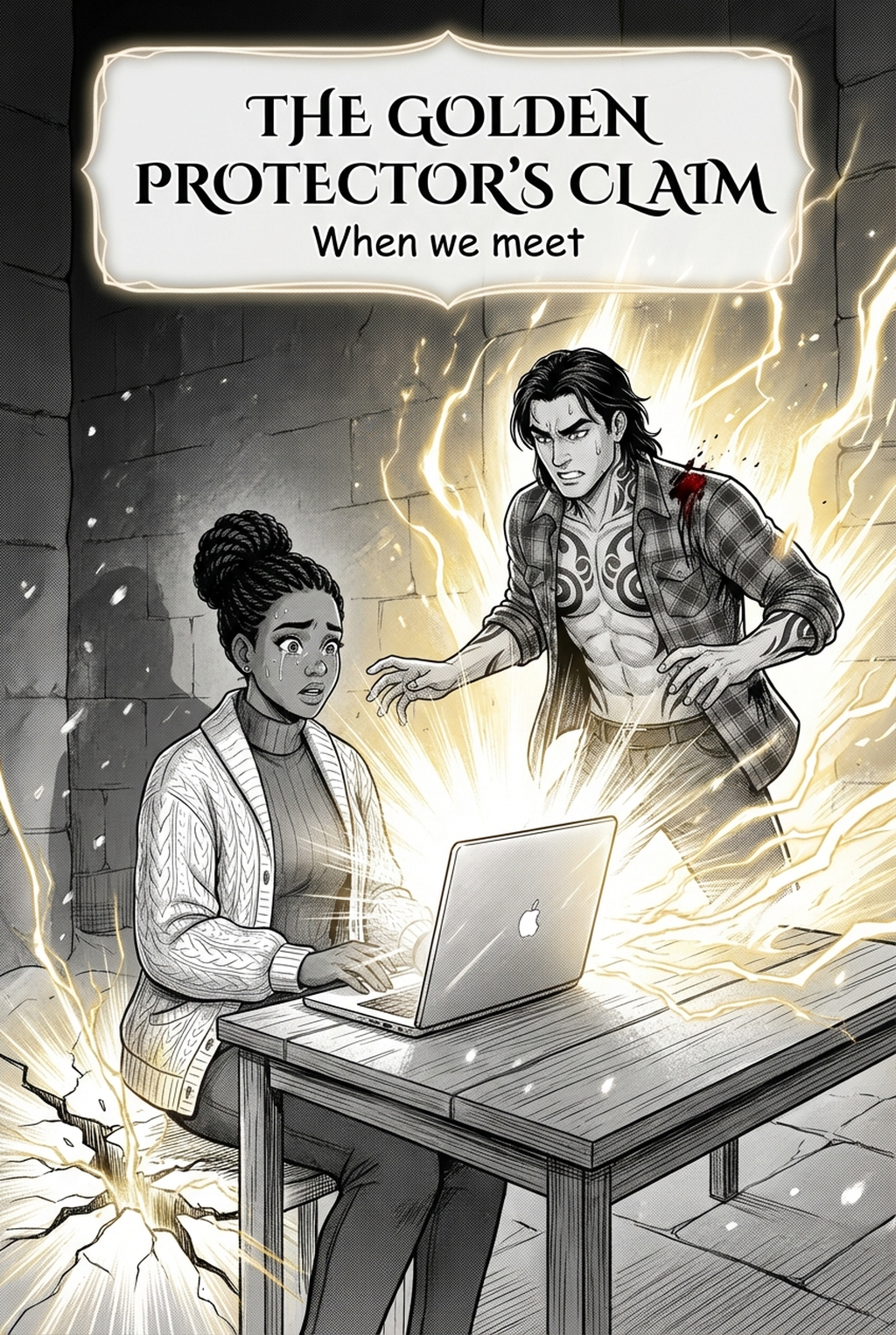
Effective manga character design serves as the foundational architecture for your series, relying on a strict visual grammar that keeps your audience engaged. You must prioritize the silhouette test, which mandates that a character's shape alone should convey their core energy before you ever touch a pen for detailed facial features or subtle costume accents.
You should treat specific accessories or hairstyle quirks as shorthand for internal personality traits rather than mere fashion choices. By grounding a character in a signature motif—such as a specific jagged cape shape or a recurring mechanical accessory—you create an anchor that readers can follow across hundreds of chapters.
Incorporate distinct Shonen archetype color palettes that communicate growth trajectories or power levels to the reader at a glance. When a character’s color scheme shifts—moving from muted, earthy tones to high-contrast, vibrant hues—it provides a non-verbal narrative cue that the character has reached a new stage of their journey.
Why AI Manga Character Designer Matters for Manga Creators
Maintaining visual integrity across an entire series is the primary technical hurdle for independent creators, as fluctuating line weights or shifting eye sizes can break immersion. Industry-standard design sheets, known as turnarounds, map out the front, side, and back views of your cast to provide a fixed source context for every single panel you draw.
The most significant threat to your project’s professional appearance is character drift, where a protagonist’s jawline or costume trim subtly evolves as your skills improve during the production process. Without a static reference, you risk producing chapters that look like they were drawn by two different artists, which is why your review owner—yourself—must check new panels against the original model sheet before finalizing inking.
Use a defined expression registry to ensure that extreme emotional states like shock, intense fury, or deep contemplation are rendered with consistent physical markers. If your character’s "angry" face uses a specific brow-to-eye-socket angle, that geometric relationship must be the same in a close-up profile view as it is in a wide action shot.
How Manga Character Design Works with Mangaka
Mangaka eliminates the manual labor of drafting base models by generating consistent characters from your text-based design terminology. By providing specific inputs—such as "spiky layered hair," "rugged leather bomber jacket," or "sharp angular eyes"—you can establish a baseline that prevents the common headache of proportion mismatching.
You can bypass hours of tedious sketching by letting the tool render your character sheets in a uniform style, shifting your total production time toward high-value tasks like storyboarding and panel composition. This reference base acts as a guardrail, allowing you to quickly verify the structural logic of a character before you commit to hours of complex shading or tone work.
Leverage style anchors within your creative briefs to ensure that the AI-generated assets mirror the specific line-weight intensity and screen-tone density of your final project. When your generated character assets perfectly match the visual weight of your hand-inked backgrounds, the final export remains cohesive, saving you from having to perform intensive digital cleanup or manual layer-level adjustments.
Use Cases for AI Manga Character Designer
The specific requirements of your narrative will dictate the technical constraints you apply to your design, whether you are aiming for gritty realism or high-octane action. Your delivery format must also adapt to the medium, as designs meant for crisp high-resolution print pages require different line-density settings than those optimized for the vertical-scroll environment of mobile vertical comic platforms.
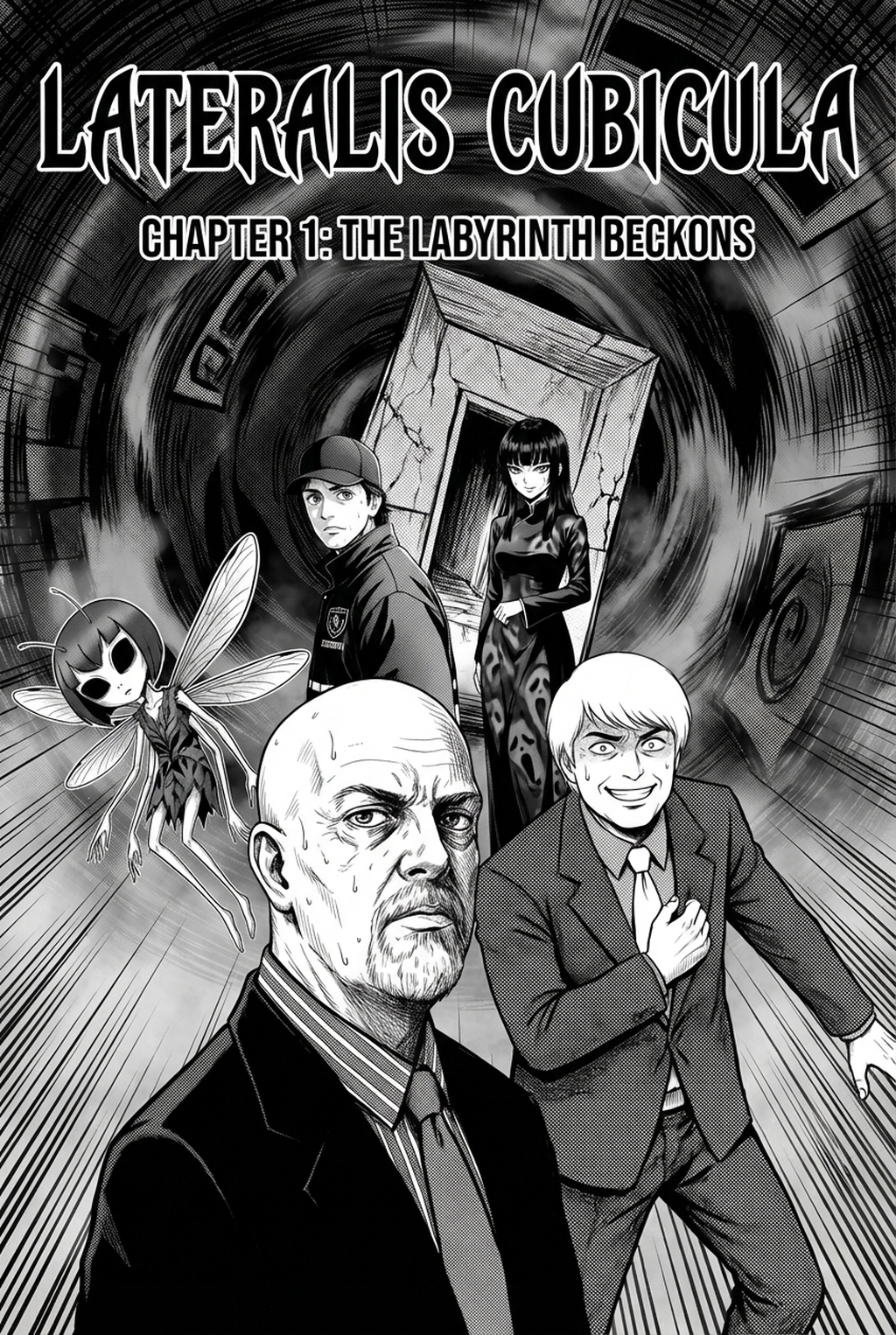
Seinen designs typically prioritize realistic, anatomically grounded proportions and subtle, intricate costume details that match more mature and grounded narrative themes. When working in this genre, focus on "weight" in your character’s posture and the physics of their clothing, as these nuances convey a level of gravity that readers in this demographic expect.
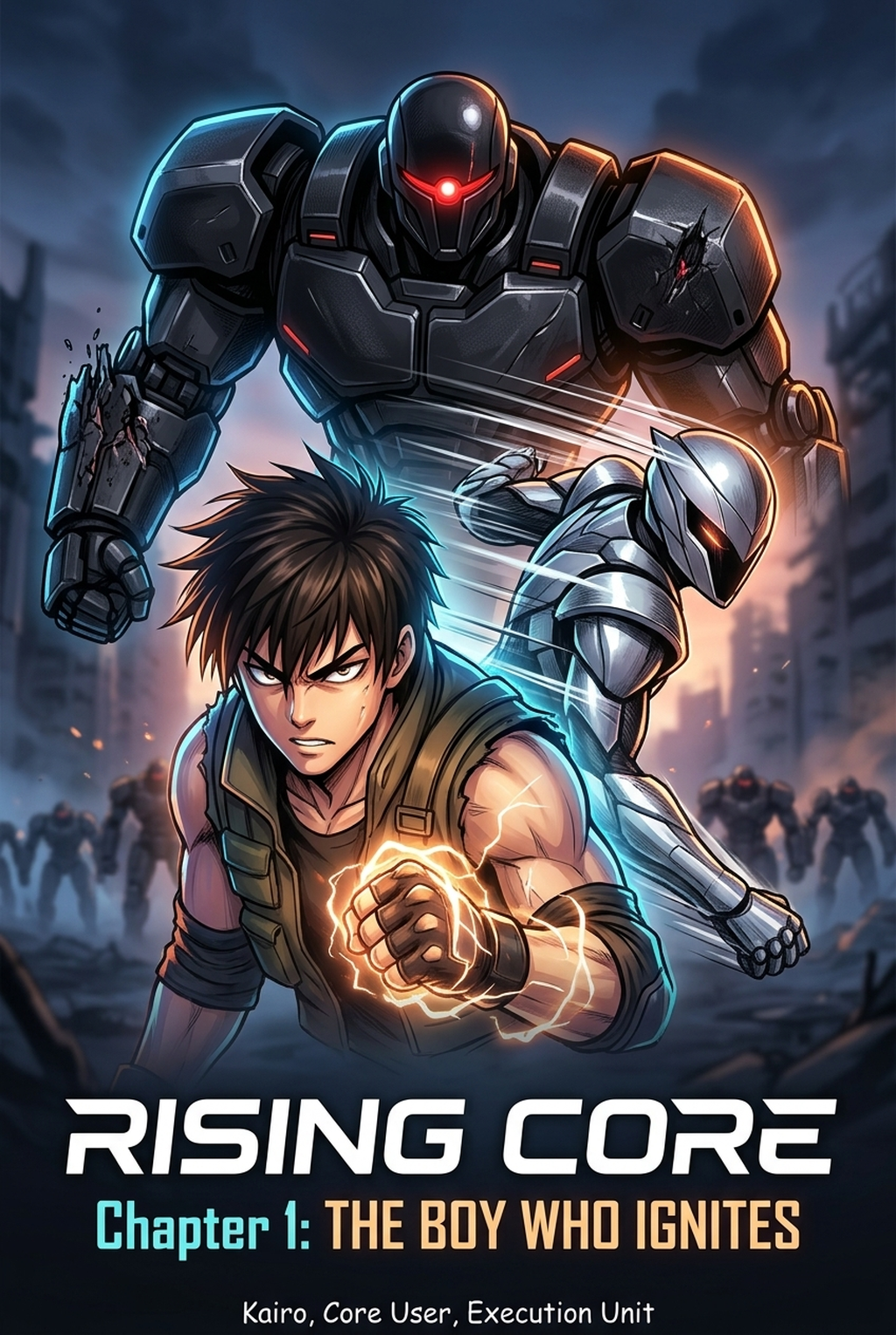
Shonen-focused designs should favor exaggerated, hyper-dynamic silhouettes and high-contrast features that emphasize speed and kinetic movement. Because these stories often feature high-stakes battles, your design must survive the distortion of wide-angle panels and rapid-fire motion lines without losing its core identity.
Check character consistency, panel readability, line quality, and export readiness before publishing. Creators should also record why the page passed review, which panel details still need manual cleanup, and which export format the next collaborator will use. That makes the subsection useful instead of leaving a short checklist under a large heading.
How to Get Started with Mangaka
Getting started requires translating your internal narrative vision into concrete physical tags that the engine can interpret into a visual model. Begin by listing three primary personality traits and mapping them to visual cues; for example, a "stoic" character might receive a sharp, downward-slanting eye shape, while a "chaotic" character might be defined by asymmetrical hair flow.
Handling Custom Artistic Styles. Yes, you can achieve your preferred look by providing detailed descriptors regarding your specific line-work style, such as "variable brush-pen thickness" or "high-contrast cross-hatching. You can find more info at AI Manga Character Designer workflow with Mangaka to see how simple text commands effectively bridge the gap between initial character concepts and final, consistent visual assets.
The best way to preserve consistency is to maintain a dedicated model sheet as your single source of truth for every production session. Whenever you begin a new chapter, reference this sheet to verify that core design elements—like the specific number of spikes on a belt or the exact eye-pupil radius—remain within your established project limits.
The Bottom Line
Mastering character design is the most effective way to eliminate the repetitive stress of correcting proportion drift throughout a long-running series. By combining your artistic intent with high-fidelity generation tools, you can maintain professional-grade visual consistency while focusing your energy on the actual story. manga character design and streamline your entire page production workflow today.
Related articles
Professional Manga Inking: Turn Sketches into Art in 2026
Automate Your Manga Inking: Instant Clean Lines for 2026
Manga Character Design: A Guide for Indie Comic Creators