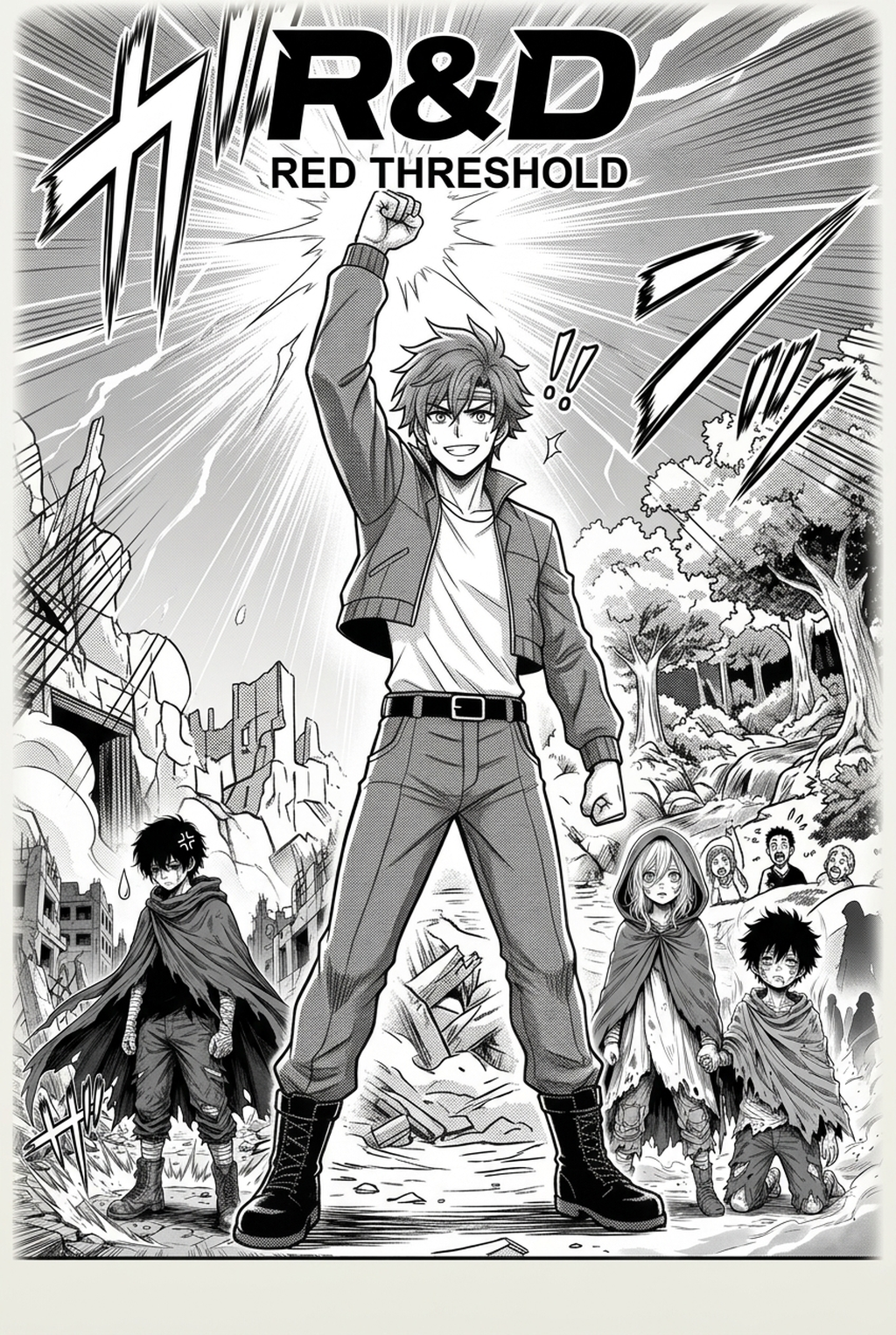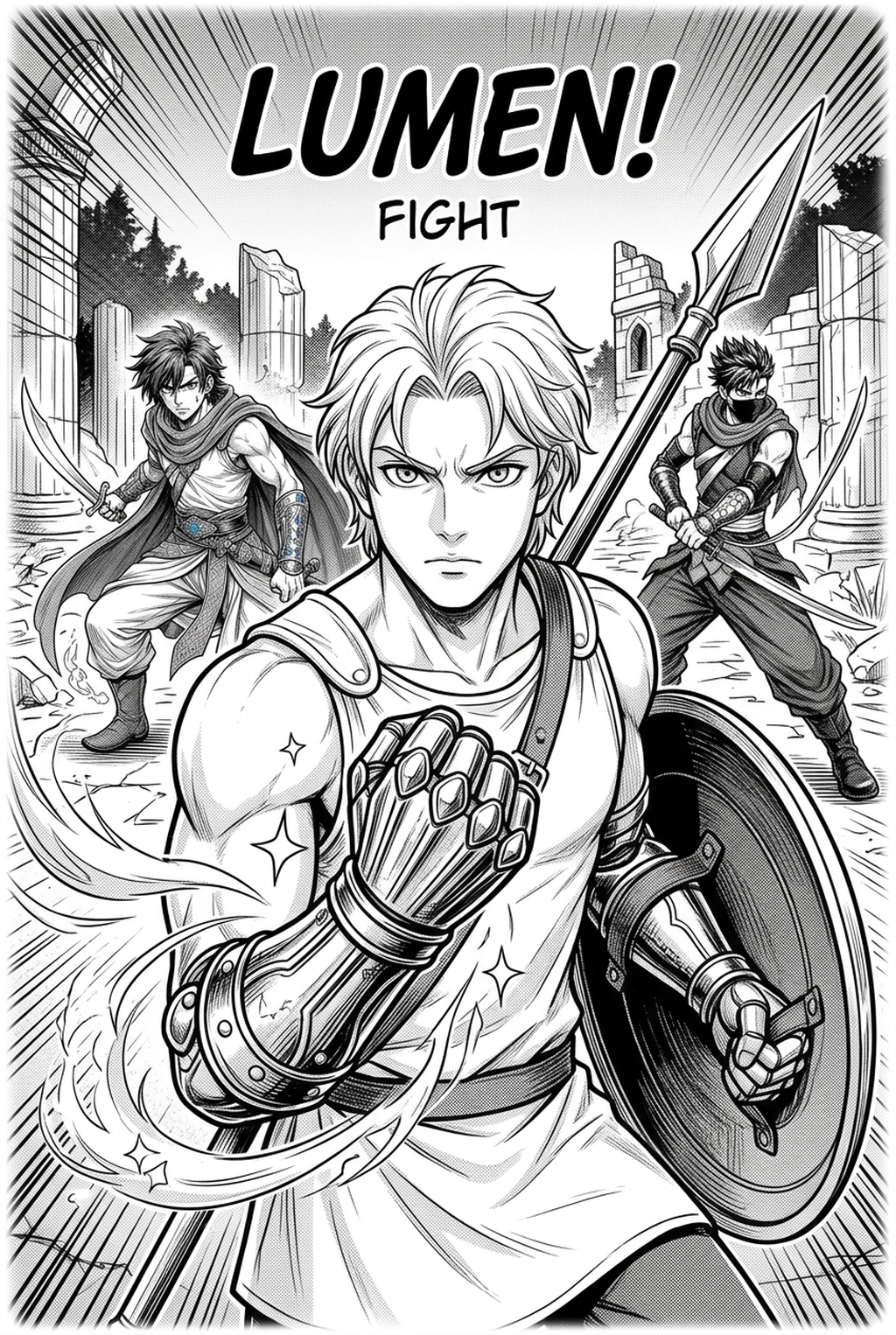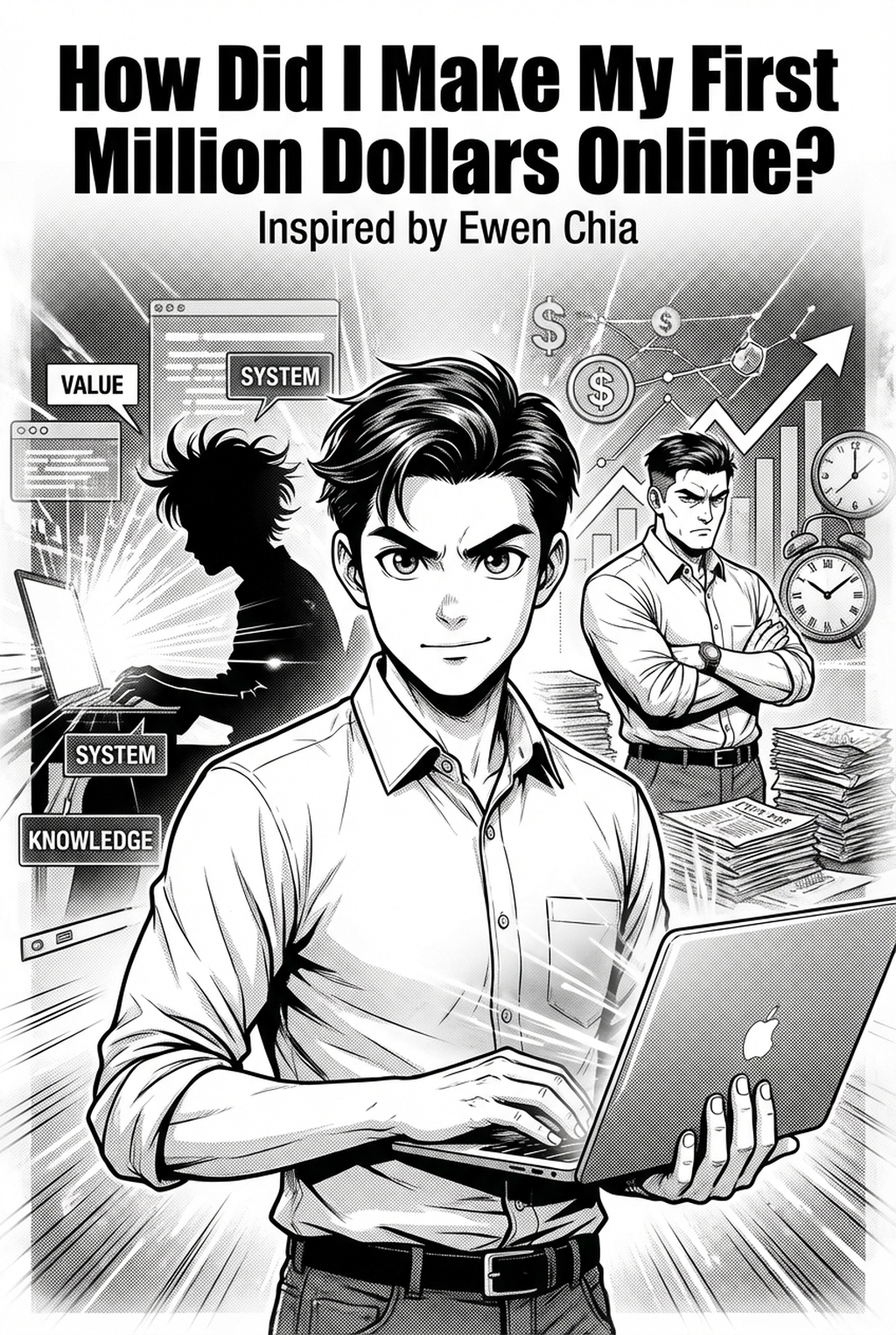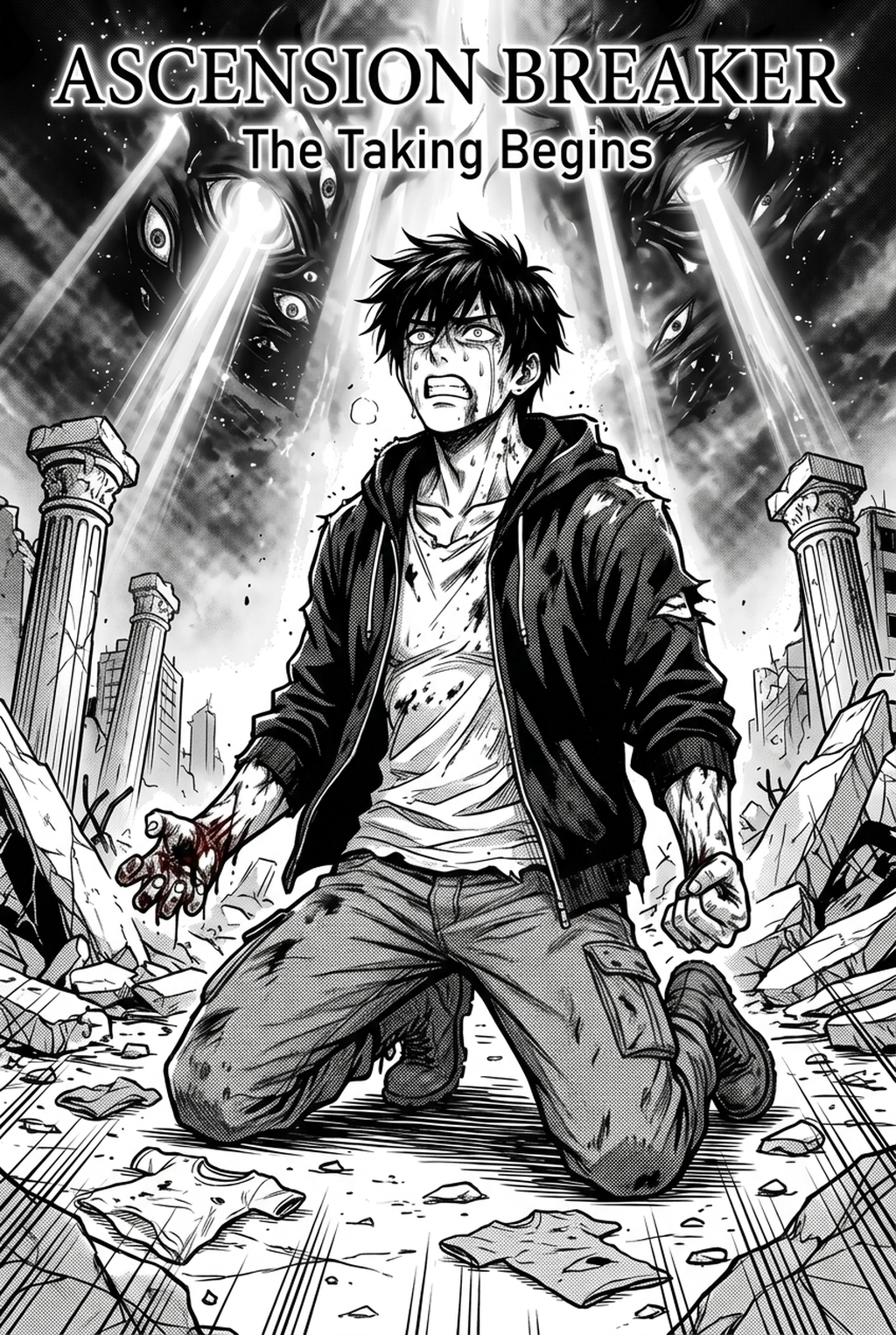
Structure of AI Manga Panel Generator
Composition in manga relies on the deliberate use of visual weight, negative space, and varying frame sizes to establish a narrative rhythm. This encompasses the relationship between 'koma' (panels), the gutter space, and speech bubble placement to ensure clarity in complex action sequences.
Composition must balance visual density on crowded action spreads with clean focal points for dialogue-heavy intros. If a page contains too many details without a clearly defined anchor, the eye will bounce randomly, losing the intended pacing of the scene.
Check character consistency, panel readability, line quality, and export readiness before publishing. Creators should also record why the page passed review, which panel details still need manual cleanup, and which export format the next collaborator will use. That makes the subsection useful instead of leaving a short checklist under a large heading.
- Visual Weight: Use larger, full-bleed panels to emphasize major story beats or emotional climaxes. * Gutter Space: Standardize gutters at roughly 3-5mm to maintain a clear boundary between temporal shifts, or widen them slightly to denote a slower passage of time. * Speech Bubble Placement: Ensure bubbles are placed in the upper-right or lower-left corners to follow the natural reading path, preventing text from obscuring crucial character expressions or action lines.
Importance for Independent Creators
Layout serves as the primary tool for managing time and movement; a well-composed page acts as a map for the reader's eyes through the story. Poorly structured panels create a sense of confusion that results in a failure to maintain reader engagement throughout the chapter.
Strategic usage of 'bleeding' panels—where artwork extends to the page edge—creates an immersive scale that separates high-budget professional work from amateur layouts. While a standard frame might focus on a character's face, a bleed-out panel forces the reader to confront the environment, providing a sense of scope that small, enclosed panels cannot achieve.
You must avoid the common mistake of over-complicating panels with excessive detail without a clear focus point, which often results in visual noise that obscures the narrative intent. By limiting the number of high-detail objects to a maximum of two per panel, you preserve the legibility of your line art and ensure character consistency throughout the sequence.
Workflow Integration with Mangaka
Mangaka bridges the gap between a written script and visual delivery format by automatically suggesting optimal panel structures based on the scene's emotional tone. By inputting a text-based script, the tool generates a sequence of panels, allowing you to bypass the tedious drafting stage while focusing on artistic details.
The tool enables you to experiment with non-linear panel flow for dream sequences or intense psychological internal monologues without the manual labor of redrawing every frame. If your script calls for a high-intensity fight, the AI calculates the necessary layout to emphasize character speed, ensuring that eye-line direction remains consistent between sequential panels to prevent spatial disorientation.
| Feature | Traditional Drawing | Mangaka Workflow |
|---|---|---|
| Panel Drafting | Manual sketching | Automatic structural suggestion |
| Line Art Control | High (manual) | High (assisted precision) |
| Character Consistency | Frequent drift risk | Automated proportion maintenance |
| Export Format | Physical to digital | PSD/PNG high-res export |
Applying Composition Logic
The most common mistake creators make is failing to maintain consistent eye-line direction between sequential panels, which confuses the spatial geography of the scene. You should focus on the balance between horizontal and vertical frames; alternating shapes keeps the reader's attention fresh throughout the chapter.
Spatial orientation is the anchor of every scene; if your character exits a panel on the left side, they should generally enter the subsequent panel from the right. Failing to track this '180-degree rule' leads to character-proportion drift and confuses the viewer about where participants stand in relation to one another.
- Action Pacing: Use wide, horizontal panels to show distance or movement across a battlefield. * Psychological Depth: Use narrow, vertical panels to highlight tension or claustrophobia during internal monologues. * The Golden Ratio: Aim for a 16:9 aspect ratio in major action panels to provide a cinematic feel that anchors the reader's eye.
Starting Your Creative Journey
- For Creators Looking to Improve Their Flow. Use varying gutter sizes and lead the eye with character gestures to guide the reader through the page. AI tools like Mangaka use machine learning to mimic traditional ink-and-pen stylistic depth, allowing for professional-grade results without years of technical training.
- Before Export. Creators should compare the generated line art with the original sketch and confirm that facial expressions, props, speed lines, and speech-bubble space still support the scene. A repeatable review pass should cover character consistency, panel readability, background clarity, and whether the final file is ready for coloring, lettering, or editor feedback.
- For Longer Projects. Creators should save approved examples of line weight, face detail, clothing folds, and background density. Those references keep later chapters closer to the intended style. For collaboration, creators should mark which panels are final and which panels still need redraws. Clear status labels prevent an assistant, editor, or colorist from polishing the wrong version.
- For Publishing. Creators should review the page at the actual reading size before export. Small screens expose crowded dialogue, weak silhouettes, and line details that looked fine while zoomed in. This keeps the review focused on story intent, line weight, panel readability, and the export quality behind the final AI Manga Panel Generator output.
Creators can evaluate manga panel composition with Mangaka mid-workflow when they need the product path tied directly to review, refinement, and export. A real test should use the same sketch, character goal, or panel sequence that would otherwise need manual cleanup after generation.
The Bottom Line
Manga panel composition is the backbone of your storytelling, dictating exactly how a reader experiences the intensity and pacing of your world. By leveraging AI-driven tools, you can master these complex layouts faster and focus on the heart of your script. Start your creative workflow by experimenting with manga panel composition to see how your written scripts can be transformed into professional-grade panel sequences today.
Related articles
Manga Storyboard Guide: Planning Your Layouts for 2026
How to Master Manga Background Art Without Drawing in 2026
Manga Storyboard Guide: How to Plan Your Panels Like a Pro