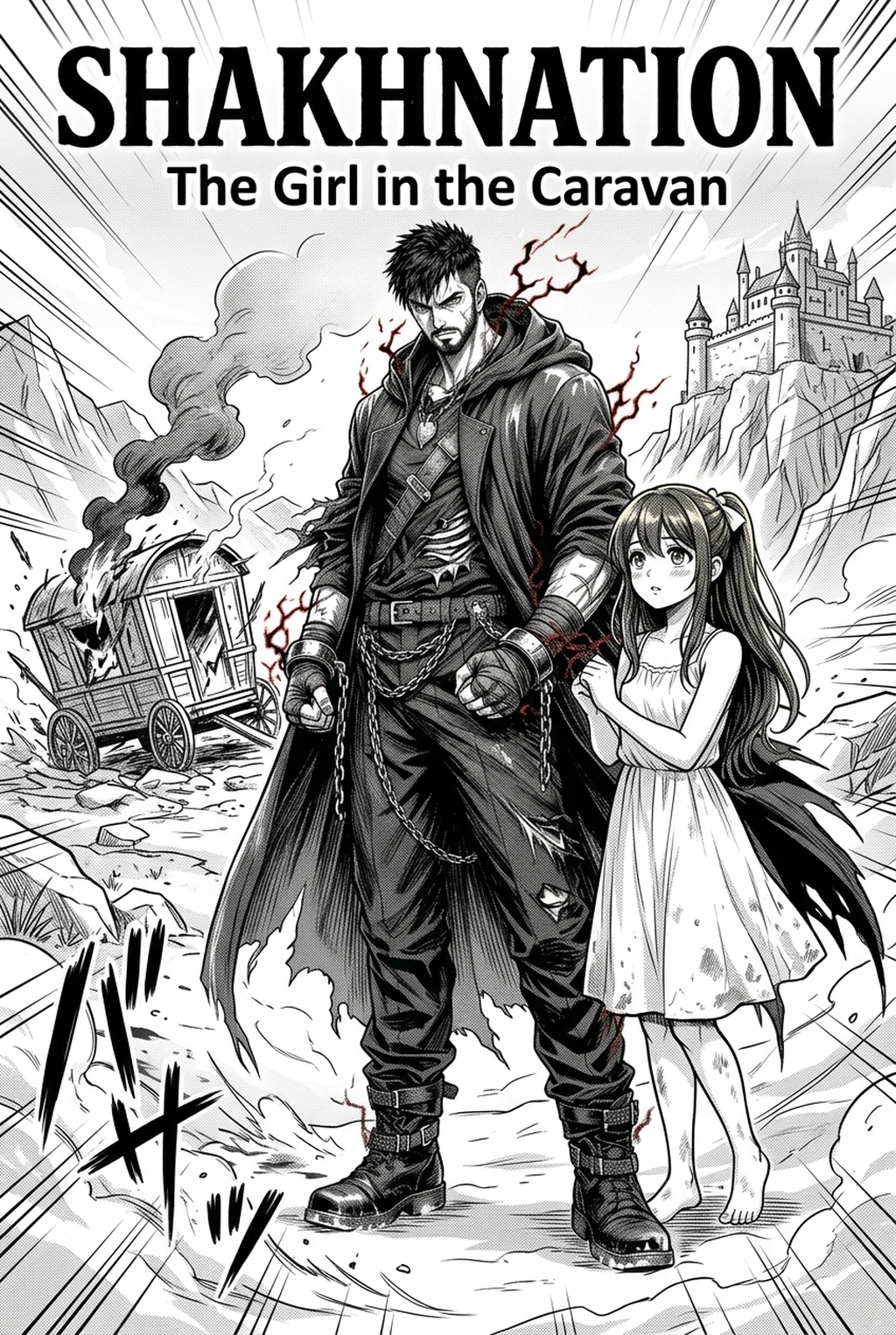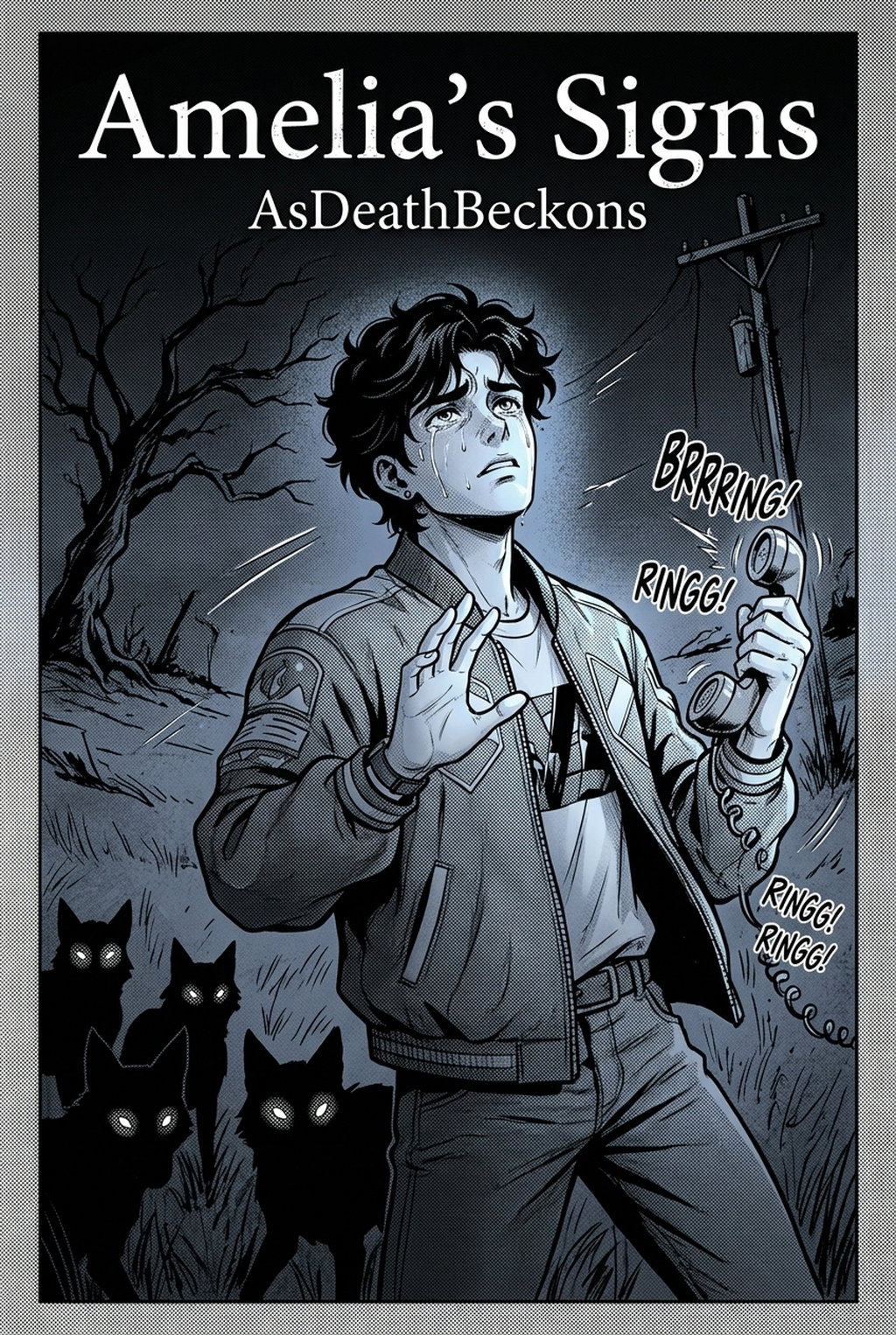
AI Manga Storyboard Builder: Understanding the Storyboard Structure
A professional storyboard acts as the architectural blueprint for your manuscript, prioritizing the logical sequence of information over artistic finish. By defining the spatial layout early, you control the reader's path across the page, forcing their eyes toward specific focus points that dictate the emotional tempo of a scene.
- Information Hierarchy: The arrangement of panels must prioritize the narrative beat, ensuring that action sequences are not buried under complex, illegible backgrounds. * Visual Pacing: Strategic white space and gutter width dictate how fast a reader traverses an action sequence or lingers on a character's expression. * Eye Movement Control: The physical layout of panels effectively directs the reader from the top-right to the bottom-left of each page, preventing confusion during dense dialogue segments.
The most controversial element of professional storyboarding is the "page turn theory," which posits that any climax occurring on a left-facing page is a wasted opportunity. You must design your layouts specifically for the physical book format, where the reveal happens when the reader flips the page, maximizing the impact of large, full-bleed panels.
Why Layouts Determine Reader Retention
Effective spatial distribution prevents the common failure of "ink-heavy" pages that lack clear readability, where cluttered line work obscures the narrative intent. Without a clear plan, creators often suffer from "line-weight drift," where the visual thickness in the finished art changes inconsistently because the layout was never locked.
- Clarity in Action: Proper spacing prevents the visual noise that often plagues intense sequences, allowing the reader to follow movement without constant backtracking. * Strategic Reveal: Designing for the reveal ensures that major plot points land with maximum force, a requirement for high-suspense Seinen storytelling. * Production Discipline: A finished layout forces you to define your gutters and speech-bubble clearance early, which prevents the messy "cramming" of dialogue into panels after the art is already inked.
Many professional artists fail because they attempt to "fix" layout issues during the inking phase, resulting in warped perspectives or disproportionate characters. A disciplined approach ensures the composition is sound, leaving only the aesthetic rendering for the final production steps.
Automating Workflow with Mangaka
Modern AI tools bridge the gap between a raw script and the final inking stage by providing a structured visual guide that automates the heavy lifting of panel placement. You can manga storyboard with Mangaka using a system that translates narrative intensity—such as a fight sequence—into optimal panel geometry.
- Intelligent Auto-Arrangement: The tool analyzes your scene intensity and dynamically suggests panel distributions that align with professional manga formatting. * Layout Partnerships: By treating the generator as a creative partner, you can prototype three or four variations of a single page in minutes, testing how different layouts alter the pacing of a scene. * Export Readiness: Once the panels are positioned, you export the template to a standard format, ensuring your margins and bleeds are consistent across every single page of your volume.
This process removes the time-consuming struggle of manual panel sketching, allowing you to focus on the high-detail rendering and emotional weight of your characters. You no longer have to worry about whether a panel is too narrow to fit a dramatic reaction shot, as the tool adjusts the frame to your specific needs.
Applications for Your Specific Genre
The requirements for a professional page change dramatically depending on whether you are writing high-energy Shonen, atmospheric Seinen, or a concise indie project. This keeps the review focused on story intent, line weight, panel readability, and the export quality behind the final AI Manga Storyboard Builder output.
- Shonen Impact: Focus on large-scale panel structures that highlight speed lines and motion, keeping the pacing brisk and aggressive. * Seinen Atmosphere: Lean into deep panel depths and subtle background density to build tension, testing how varying panel sizes can shift the reader’s mood. * Indie Standardization: Establish a rigid, recurring panel grid to ensure your printed volume has a consistent, professional finish, even if you are working solo without an editor.
Consider a scene where a protagonist discovers a secret. If you use a single, massive panel that spills into the gutter for this moment, you prioritize visual weight over text. If the layout is too cluttered, the impact is lost; using a tool to test a wide-spread versus a vertical stack allows you to see which creates a more jarring, effective reveal before the final render.
Starting Your Next Chapter
You do not need to be a traditional illustrator to master the art of storyboard composition, as the logic of layout is independent of your final ink style. AI-assisted builders influence your inking by providing a rigid structure for your brushwork, ensuring that character proportions and background lines stay within the established boundaries of the scene.
- Skill Level Independence: Focus on the "narrative beat" and leave the geometric precision to the digital tools, which prevent uneven gutters and misaligned speech bubbles. * Editing Capability: You retain complete control over every suggestion, allowing you to manually refine any panel that requires a more specific artistic touch. * Workflow Integration: Once the storyboard is finalized, your export serves as a base layer for your digital canvas, ensuring you never have to guess where a character's head should be placed relative to the frame.
The Bottom Line
The storyboard is the bedrock of the entire reading experience, acting as the primary defense against confusion and pacing errors in your manuscript. By investing time into your layout, you secure the emotional rhythm of your story before the labor of inking begins. manga storyboard and see how structured panel management transforms your production workflow.
Related articles
Mastering Your Manga Storyboard: A 2026 Beginners Guide
Mastering the Manga Storyboard: A Guide for Solo Artists
Mastering Your Manga Storyboard: A Guide for 2026