AI Manga Character Designer: Distinguishing the Dengeki Daisy Aesthetic
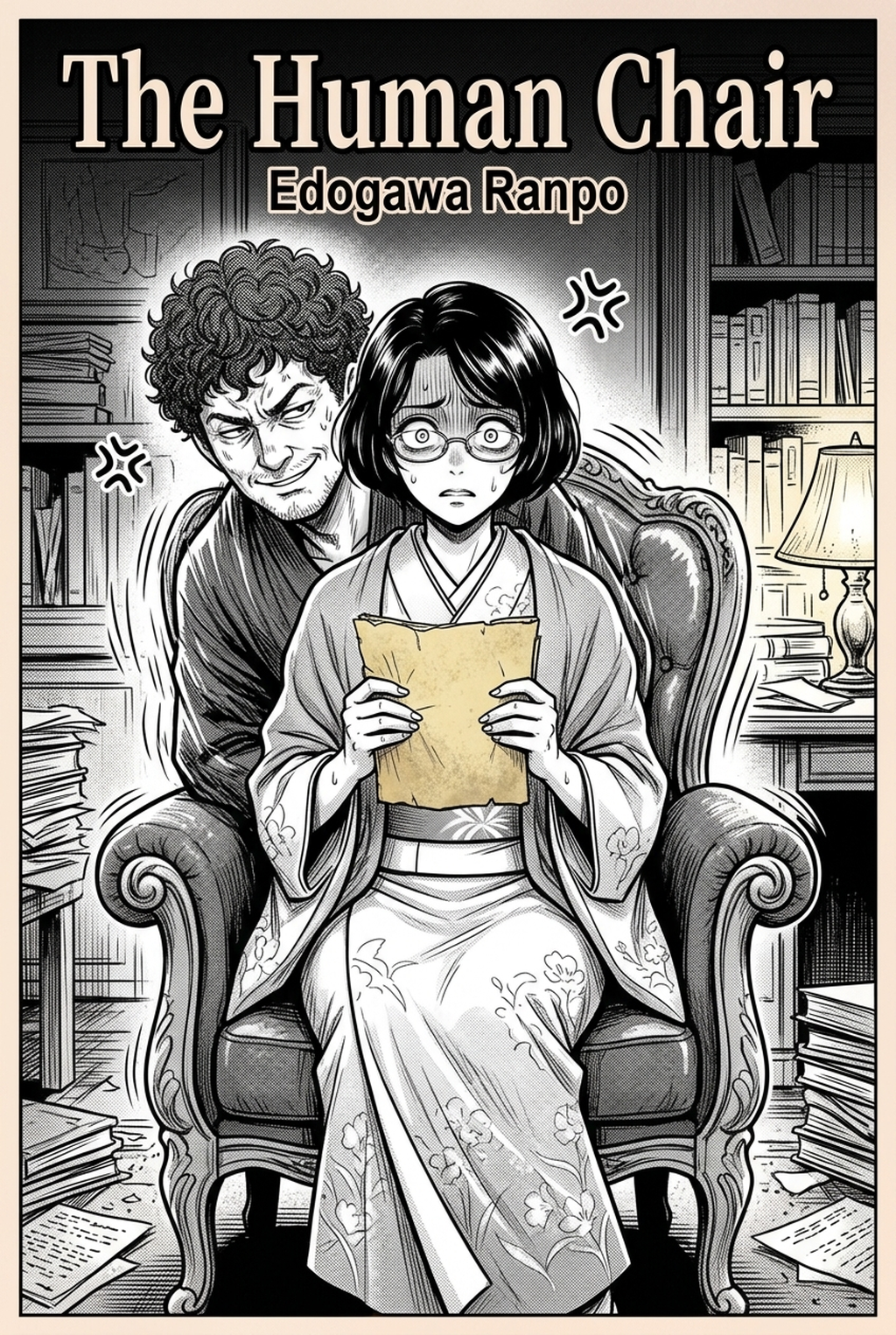
The Dengeki Daisy aesthetic relies on high-contrast ink work for dramatic shadows and delicate, tapered lines for character expressions. You must prioritize the interplay between heavy, saturated blacks in shadowed areas and the airy, minimalist approach to facial features.
The core of this style is the deliberate use of large, emotive eyes characterized by minimal upper-lid shading, which draws immediate focus to the character's internal state. You should maintain a specific eye-to-face ratio that favors vertical elongation, a departure from the rounder, more youthful proportions common in early 2000s titles.
Visual rhythm in the series is achieved by alternating between detailed, moody background shots and clean, focus-heavy character panels. While backgrounds often employ dense cross-hatching to signify a gritty atmosphere, character panels remain sparse, ensuring that the reader's eye is never diverted from the protagonist's micro-expressions.
Why This Style Remains Vital for Shoujo Creators
Maintaining character consistency in the shoujo genre is vital for reader immersion, as the art style heavily relies on subtle shifts in facial expressions to convey plot-critical emotions. When you lose this consistency, you undermine the reader’s ability to track the character’s emotional arc across hundreds of serialized pages.
Inconsistent line weight or facial proportions can disrupt the 'emotional tether' between the reader and the protagonist during climactic revelations. If a character’s hair volume or eye shape fluctuates, the reader's subconscious suspension of disbelief begins to erode, treating the character as a sketch rather than a living presence within the story.
By standardizing character features like hair volume and eye shape, you ensure the art style evolves naturally with the story without losing its iconic source context. This standardization allows for stylistic growth—perhaps leaning into more dramatic shading as the narrative darkens—without the character appearing to be a different entity entirely.
Leveraging Mangaka for Consistent Aesthetic Control
AI tools like Dengeki Daisy art style with Mangaka allow you to lock in specific stylistic parameters, such as the required eye-to-face ratio, to ensure absolute uniformity across hundreds of panels. Instead of spending hours re-inking every panel to correct minor deviations, you can generate character variations that retain the exact ink density and stroke temperament of the 2000s shoujo era.
The process involves defining a 'style reference' input that captures the specific ink density and stroke temperament of your chosen period, effectively offloading the repetitive labor of base-coloring and inking. This allows you to focus your creative energy on the nuanced emotional intent of the scene—such as the exact placement of a shadow under an eye—rather than the manual labor of maintaining structural silhouette fidelity.
Imagine you are working on a 20-page chapter. You define your protagonist in the AI character designer, locking in the 'Daisy' silhouette and eye-proportions as your primary style reference. 5pt, avoiding the accidental thickening of lines that often plagues manual inking. By exporting these layers as high-resolution PNG files, you maintain full control over the final composition, allowing you to add hand-drawn texture or tone overlays as a final review pass before serialization.
Practical Use Cases for the Aesthetic
Using style-consistent model training is the most reliable way to ensure secondary characters don't drift from the primary aesthetic during long-form serialization. This discipline ensures that your cast maintains a visual hierarchy, with the main characters adhering to the strict 'Daisy' aesthetic while secondary characters occupy slightly different visual planes.
Storyboard artists can leverage AI-generated character templates to quickly block out scenes, ensuring that the silhouette of the protagonist remains recognizable during the rough drafting phase. This prevents the need for major redrawing when moving from rough layout to final ink, as the structural foundation is already established.
Indie production studios implement centralized character asset libraries to ensure multiple artists maintain the same line-weight terminology across collaborative pages. When your team pulls from a shared library of 'Daisy-style' character assets, you remove the risk of stylistic fragmentation, ensuring a seamless visual experience for the reader across every page of the digital or print volume.
Getting Started with Artistic Replication
You can use modern design tools to bridge the gap between creative vision and technical execution by automating the repetitive tasks that traditionally consume a mangaka’s schedule. The Dengeki Daisy aesthetic is a classic example of late-2000s shoujo, which is currently seeing a resurgence in popularity due to its refined, high-emotion design language.
- Style replication: You can mimic specific art styles by deep-training your character design settings on your preferred era of manga, enabling you to replicate or iterate on established visual traditions. * Modernity vs. Retro: While the specific style dates back to the 2000s, its focus on minimalist, emotive character design makes it feel contemporary, serving as a clean, readable alternative to over-rendered modern styles. * Skill requirements: You do not need to be a professional inker to achieve high-quality results; these tools serve as a force multiplier for creators who possess a strong narrative vision but struggle with the technical labor of manual consistency.
The Bottom Line
Mastering a specific art style requires a blend of rigorous technical consistency and emotional clarity, both of which are significantly easier to manage with modern, AI-assisted design workflows. By leveraging these tools to maintain your stylistic integrity, you can ensure that your narrative remains front and center for your readers. Start your project today by using the Dengeki Daisy art style to build a consistent visual foundation for your next manga series.
Related articles
Automate Your Manga Colorist Workflow with Mangaka.App 2026
What Is 4-Koma Manga? A Beginner’s Guide to Panel Comics
Mastering Cooking Manga Art Style: A Creator's Guide 2026