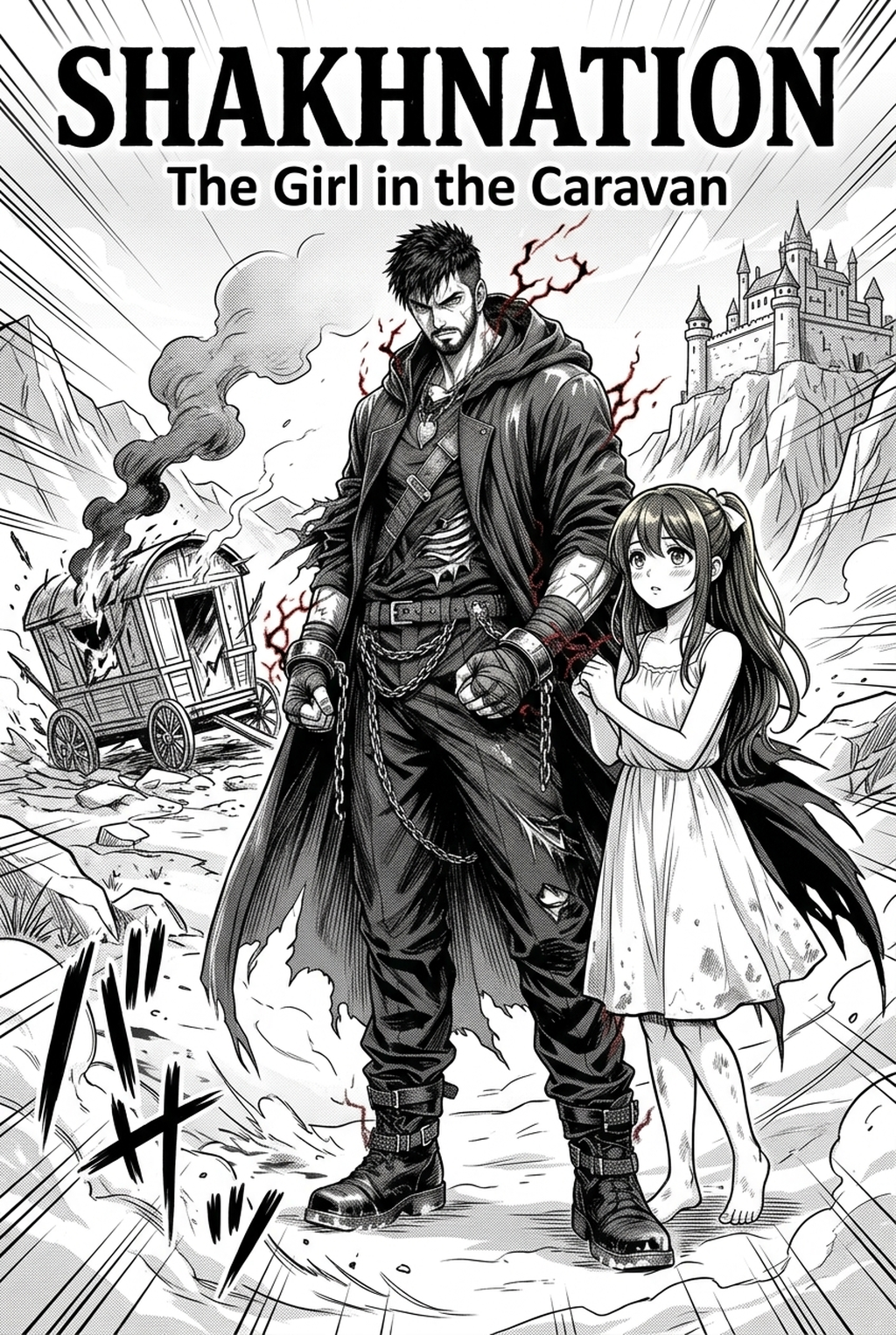
AI Manga Storyboard Builder: Why Structural Consistency Prevents Narrative Failure
Logical flow ensures that the source context of a scene remains stable across a complex 10-page sequence, preventing character proportion drift or accidental perspective swaps. When you define the spatial relationship between characters during the layout stage, you eliminate the risk of the reader losing track of who is standing where during a 180-degree camera flip.
Implementing a Z-pattern layout remains the most effective way to guide the eye through Shonen fight sequences without losing orientation. By placing your primary impact frames—the moments of collision or power-up—at the intersections of the Z-path, you force the reader’s gaze to naturally follow the kinetic energy of the scene. Failing to anchor these beats effectively usually leads to "visual noise," where the reader misses the crucial impact of a special move because the panel hierarchy lacks a clear focal point.
Professional artists understand that catching a narrative dead-end during the layout phase is 90% cheaper than redrawing fully rendered character models in later production stages. By finalizing your page hierarchy before applying complex tones or line art, you gain the freedom to test different camera angles, such as low-angle hero shots, without wasting hours on discarded digital pencil work.
How Storyboard Automation Assists Your Workflow
Mangaka automates the tedious geometry of panel sizing and placement, allowing you to prioritize the narrative flow and character emotional impact rather than manual measurement. This creates a shift in your production cycle where you act as the creative director reviewing the layout, rather than a drafter preoccupied with pixel-perfect margins.
The software uses narrative flow-mapping to analyze your dialogue density and suggest layout configurations that prevent text-heavy pages from overwhelming the reader. For instance, if you have a dialogue-intensive character-driven drama sequence, the engine automatically adjusts panel sizes to ensure room for both the emotional micro-expressions of your characters and the necessary word balloon clearance.
| Feature | Manual Layout Method | AI-Assisted Layout |
|---|---|---|
| Panel Geometry | Manual ruler/grid | Automated constraint logic |
| Narrative Flow | Trial-and-error placement | Density-aware mapping |
| Character Scaling | High risk of drift | Native proportion preservation |
Independent creators can now mirror the output capacity of professional manga studio assistants by offloading the structural heavy lifting to automated tools. You can find the anime storyboard techniques with Mangaka designed to maintain these strict industry standards while significantly accelerating your time-to-ink.
Use Cases for Diverse Manga Formats
Techniques for managing page layout differ drastically between traditional tankōbon print standards and modern vertical comic platforms vertical scroll formats. While traditional manga relies on the impact of the two-page spread, vertical comic platforms storyboarding must account for the continuous, uninterrupted vertical progression that demands constant re-engagement to keep the reader scrolling.
A critical misconception is that layout tools dictate your final artistic style; in reality, structural planning is entirely independent of your choice of brushes, line weights, or coloring techniques. You define the underlying wireframe and spatial relationships, and once your narrative pacing is locked, you retain full control to export these layouts for final inking in any format, whether that is high-resolution PSD files or web-ready PNGs.
The most important element to master is the relationship between panel size and narrative importance. You should never assign a large splash panel to a trivial dialogue exchange; instead, reserve your largest canvas space for significant story pivots, power-ups, or reveal moments.
Check character consistency, panel readability, line quality, and export readiness before publishing. Creators should also record why the page passed review, which panel details still need manual cleanup, and which export format the next collaborator will use. That makes the subsection useful instead of leaving a short checklist under a large heading.
Getting Started with Layout Strategy
Mastering storyboarding is a transition away from drawing as a pure physical act and toward the strategic management of your story’s momentum. By adopting modern AI-assisted tools, you reduce the technical burden of layout design, ensuring your artistic effort is directed exactly where it delivers the most impact for your audience. Focus your energy on refining your character’s silhouettes and action-line dynamism while the software handles the panel alignment.
- Before Export. Creators should compare the generated line art with the original sketch and confirm that facial expressions, props, speed lines, and speech-bubble space still support the scene. A repeatable review pass should cover character consistency, panel readability, background clarity, and whether the final file is ready for coloring, lettering, or editor feedback.
- For Longer Projects. Creators should save approved examples of line weight, face detail, clothing folds, and background density. Those references keep later chapters closer to the intended style. For collaboration, creators should mark which panels are final and which panels still need redraws. Clear status labels prevent an assistant, editor, or colorist from polishing the wrong version.
- For Publishing. Creators should review the page at the actual reading size before export. Small screens expose crowded dialogue, weak silhouettes, and line details that looked fine while zoomed in. For style control, creators should keep a short reference board beside the draft and compare hair shapes, eye details, costume folds, and texture choices before approving the final page.
Creators can evaluate anime storyboard techniques with Mangaka mid-workflow when they need the product path tied directly to review, refinement, and export. A real test should use the same sketch, character goal, or panel sequence that would otherwise need manual cleanup after generation.
The Bottom Line
Mastering these techniques ensures that your storytelling remains clear, paced, and visually engaging, regardless of your chosen genre. By streamlining your layout stage, you gain more time to refine your character art and world-building details. If you are ready to stabilize your production process, apply these principles to optimize your narrative layout today.
Related articles
How to Plan a Fantasy Kingdom Manga Storyboard in 2026
Mastering the Manga Storyboard: A 2026 Guide for Solo
Mastering Romantic Comedy Manga Layout for Better Pacing