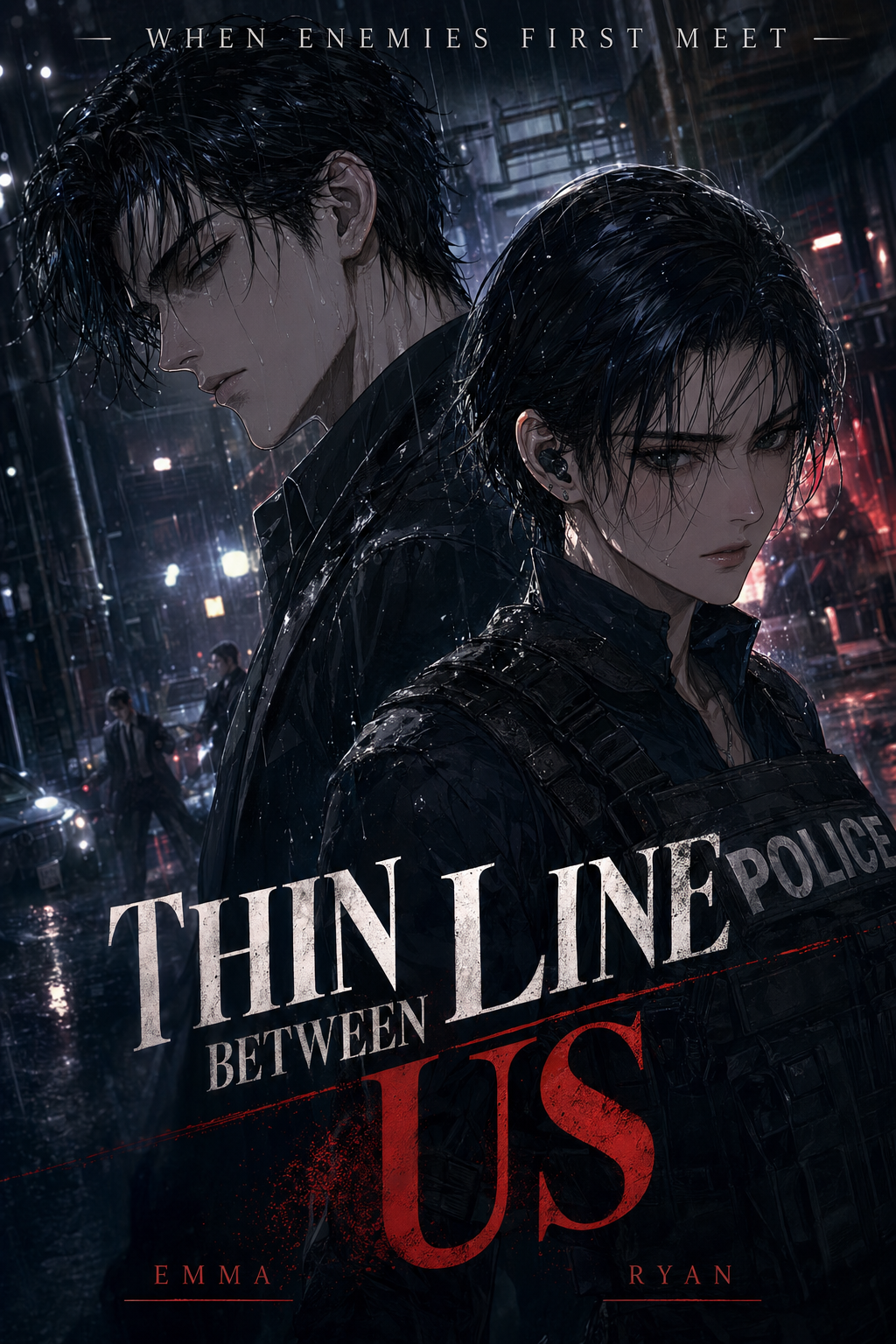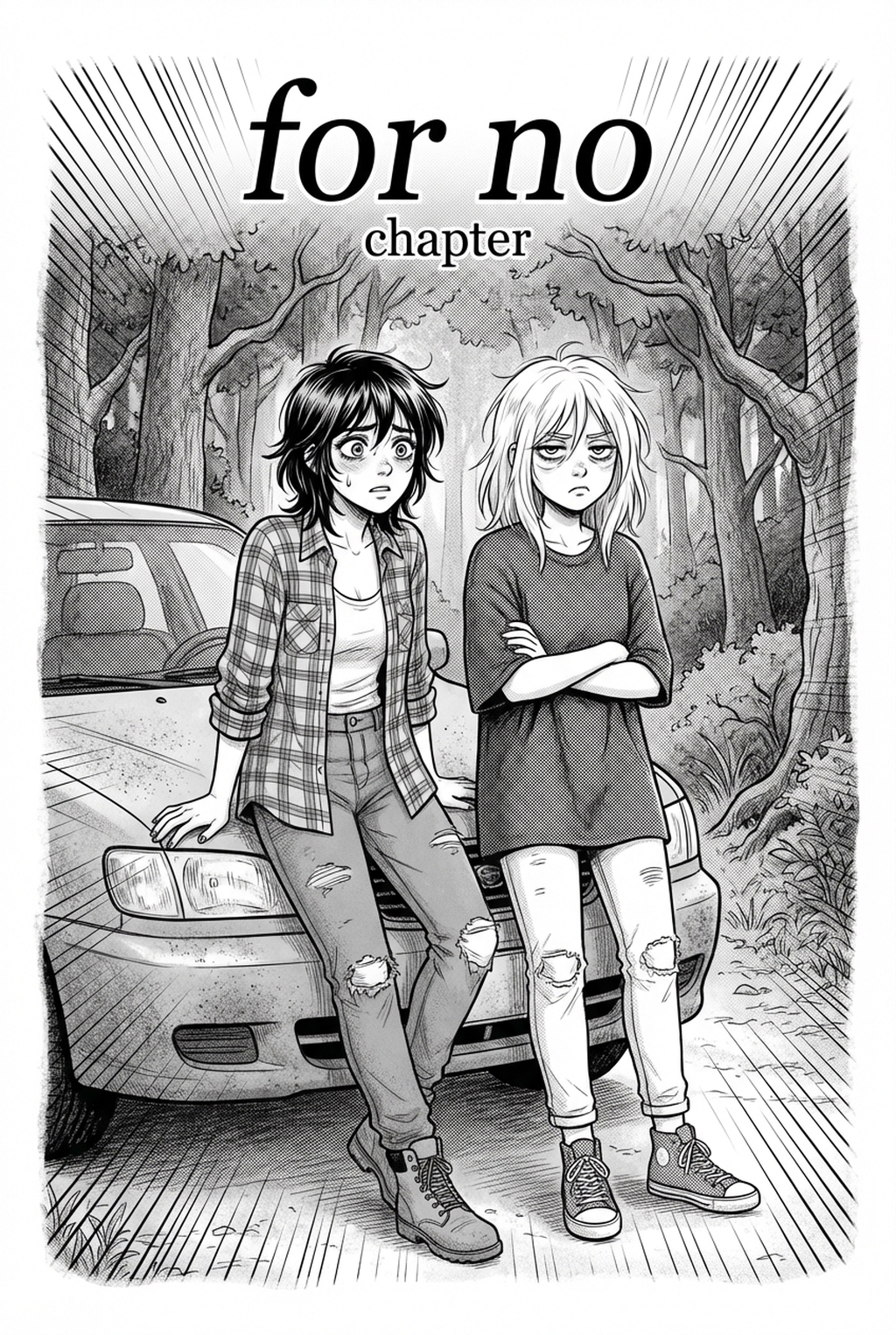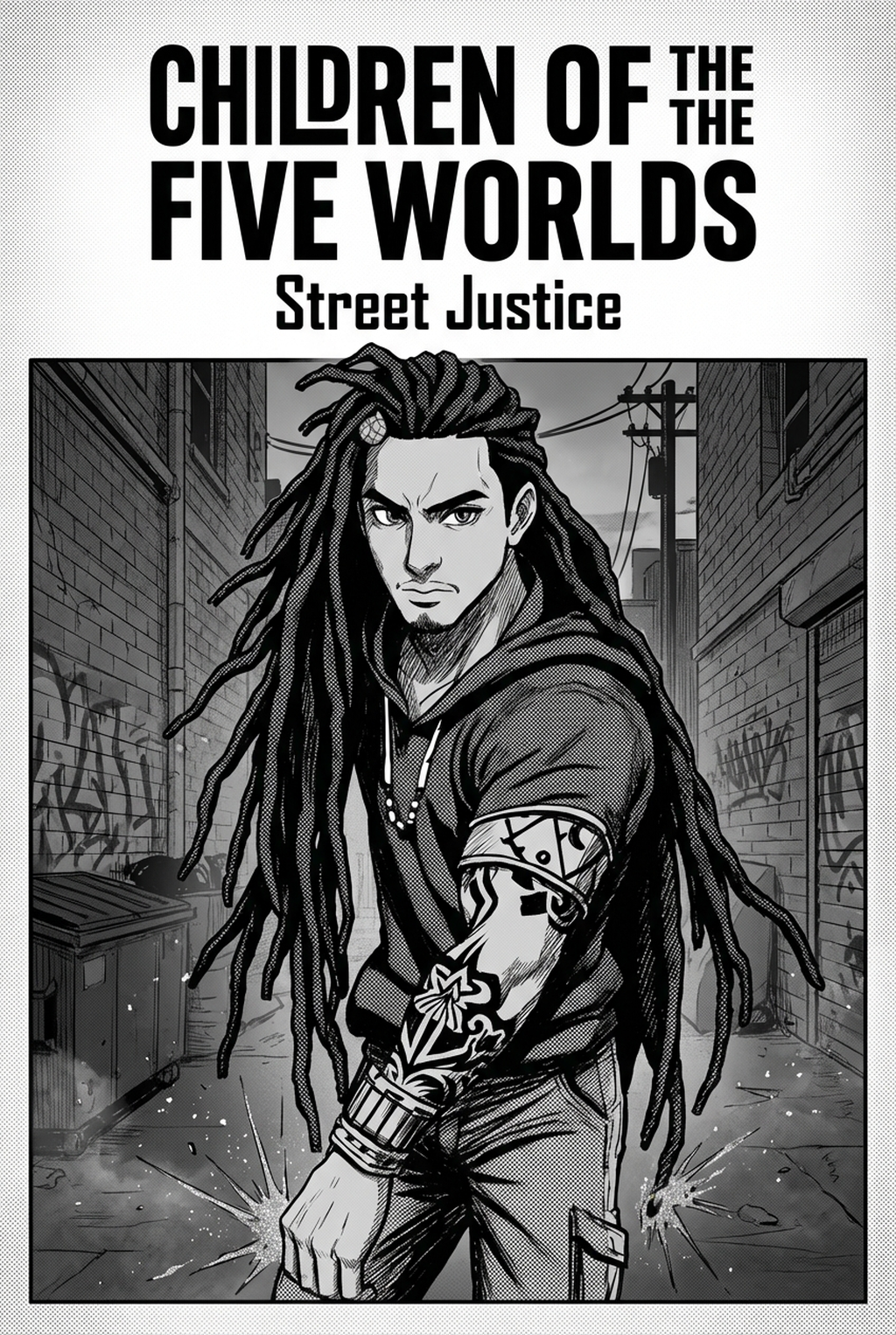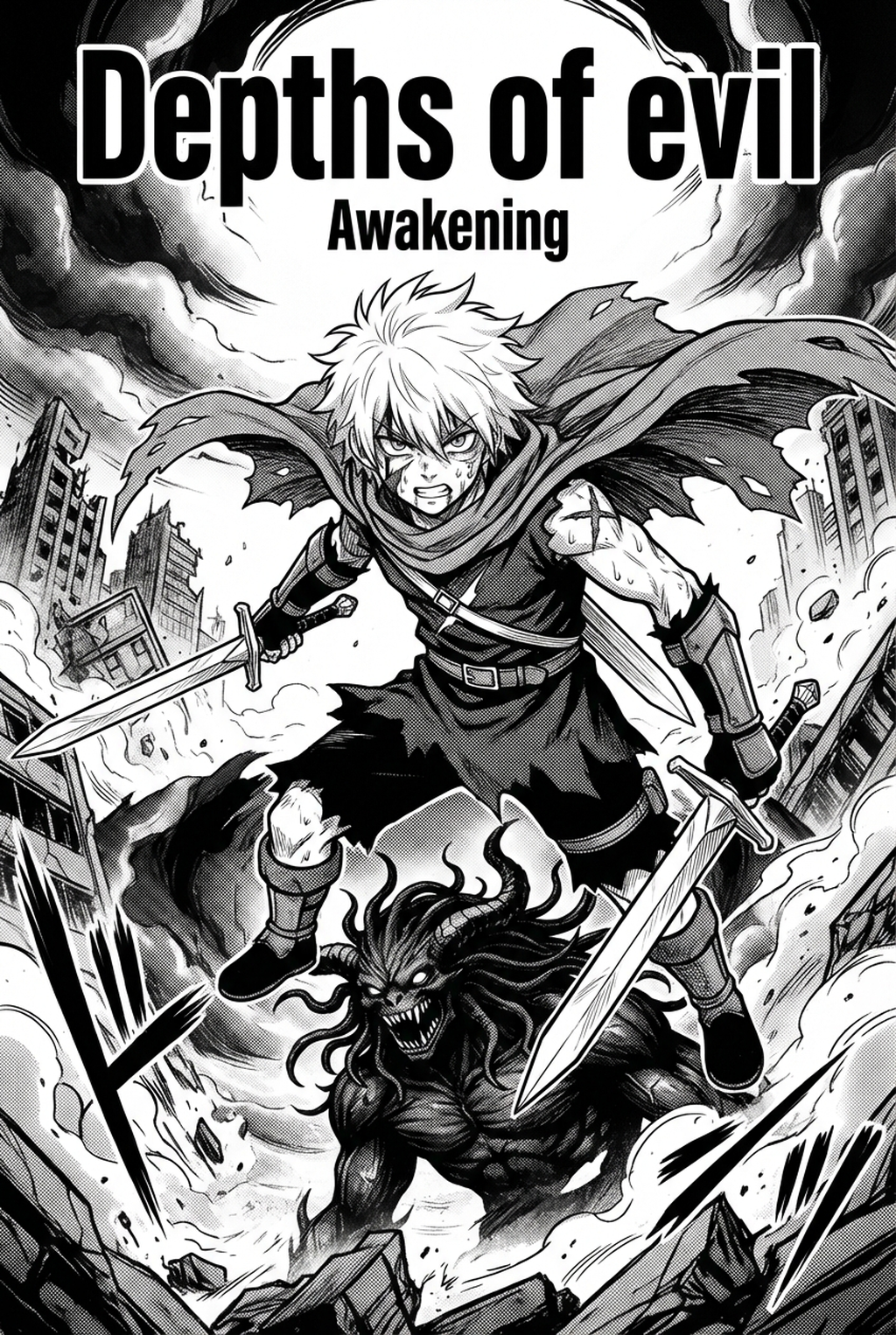
AI Manga Colorist: Why Professional Coloring Matters for Your Series
Efficiency in your coloring workflow directly impacts how many pages you can produce before a launch window or a serialization deadline. Shifting from a manual flatting process to an intelligent assistant allows a solo creator to match the output speed of an entire studio without sacrificing visual quality. Creators benefit from flexible subscription models that adjust based on their current page count.
Whether you are coloring a single 20-page one-shot or maintaining a weekly 40-page vertical comic platforms serialization, you only pay for the rendering power your series requires. Hidden rendering fees often plague professional tools, forcing creators to pay more for higher DPI or multi-layer exports. A predictable pricing structure ensures your budget stays focused on storyboards and narrative development rather than unpredictable per-page processing costs.
Technical Approach to Mangaka Coloring
The core of this system respects your creative intent by allowing the user to provide character references and color keys before the rendering begins. By analyzing the source context of your panels, the AI identifies character consistency needs and applies shading intensity that matches your established artistic genre. Your unpublished storyboards and raw line art contain the most valuable parts of your creative intellectual property.
The processing environment keeps every upload secured, ensuring that your unique character designs and plot points never leave your private workspace. Refining colors without re-rendering the entire page is the most critical hurdle for digital artists. Built-in adjustment tools allow you to tweak shading intensity on a per-panel basis, letting you correct color choices instantly without forcing the rendering engine to process the entire page from scratch.
Common Coloring Scenarios and Workflows
Understanding where AI integrates into your specific artistic production process prevents common issues like misaligned color zones or "muddy" shading. Whether you are working in high-contrast Shonen action or detailed, moody Seinen atmosphere, the engine adapts to your specific visual requirements. Creative Brief and Source Input.
Creative Brief and Source Input
A common fear is that the AI will overwrite your original inking, resulting in a "plastic" look that loses the grit of traditional pens. Mangaka is explicitly built to isolate the ink layer, treating your line work as the immutable frame for all color application.
- Shonen intensity: The engine boosts color saturation for high-impact action panels, emphasizing bright flashes and dynamic movement effects. - Seinen depth: The system shifts toward nuanced, lower-light shading, preserving the textured, gritty shadows essential for darker, psychological manga themes.
For this criterion, check character consistency, panel readability, line quality, and export readiness before publishing. Creators should also record why the page passed review, which panel details still need manual cleanup, and which export format the next collaborator will use. That makes the subsection useful instead of leaving a short checklist under a large heading. Imagine a creator working on a 24-page chapter. They upload their ink-only files (1200 DPI TIFF format) into the manga colorist with Mangaka . The system analyzes the line weight and identifies the character boundary boxes. Before export, creators should compare the generated line art with the original sketch and confirm that facial expressions, props, speed lines, and speech-bubble space still support the scene. A repeatable review pass should cover character consistency, panel readability, background clarity, and whether the final file is ready for coloring, lettering, or editor feedback.
Creators should save approved examples of line weight, face detail, clothing folds, and background density. Those references keep later chapters closer to the intended style. For collaboration, creators should mark which panels are final and which panels still need redraws.
Clear status labels prevent an assistant, editor, or colorist from polishing the wrong version. For publishing, creators should review the page at the actual reading size before export. Small screens expose crowded dialogue, weak silhouettes, and line details that looked fine while zoomed in.
Generation Review and Export
Creators can use each revision decision to clarify panel readability, character consistency, and export quality before publishing or sharing. For style control, creators should keep a short reference board beside the draft and compare hair shapes, eye details, costume folds, and texture choices before approving the final page. For revision planning, creators should separate art fixes from story fixes.
Line cleanup, panel order, dialogue clarity, and character acting each need a different review question. For solo creators, the most useful workflow is one that keeps rough ideas editable until the final pass. That reduces rework when the scene mood changes after the first read-through. That extra context helps the reader connect the creative choice to character consistency, composition, speech-bubble space, and final file format.
Creators should compare the generated line art with the original sketch and confirm that facial expressions, props, speed lines, and speech-bubble space still support the scene. A repeatable review pass should cover character consistency, panel readability, background clarity, and whether the final file is ready for coloring, lettering, or editor feedback. For longer projects, creators should save approved examples of line weight, face detail, clothing folds, and background density.
Score Creative Fit Against Reader Impact
This checkpoint ties the creator scenario to genre intent, character reference, panel readability, and final file requirements. It prevents the article from becoming a flat list because each decision explains what must be true before the page is ready. The result is a cleaner path from rough idea to export, with fewer revisions caused by unclear references or mismatched page goals.
The Bottom Line
Mastering your production schedule requires tools that respect your artistic independence while removing the bottleneck of manual coloring. By integrating an intelligent, ink-preserving assistant into your workflow, you maintain the high fidelity of your physical inking while achieving studio-grade production speeds. To start adding color to your pages, visit AI AI Manga Colorist workflow workflow with Mangaka to begin your first batch.
Related articles
What Does a Manga Colorist Do? A Modern Guide for 2026
Master Manga Colorization with AI in 2026
What Does a Manga Colorist Do? A Guide for Modern Creators