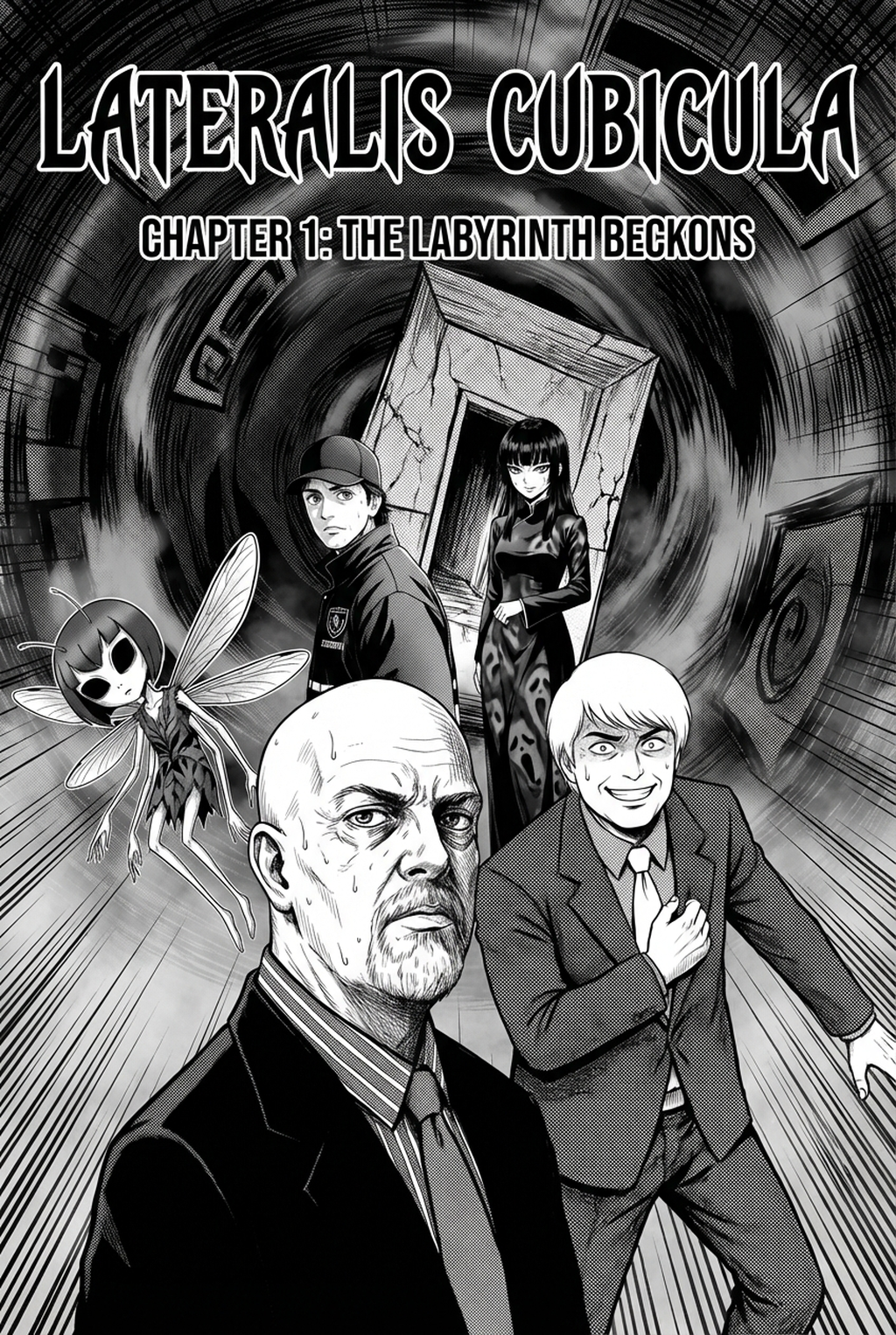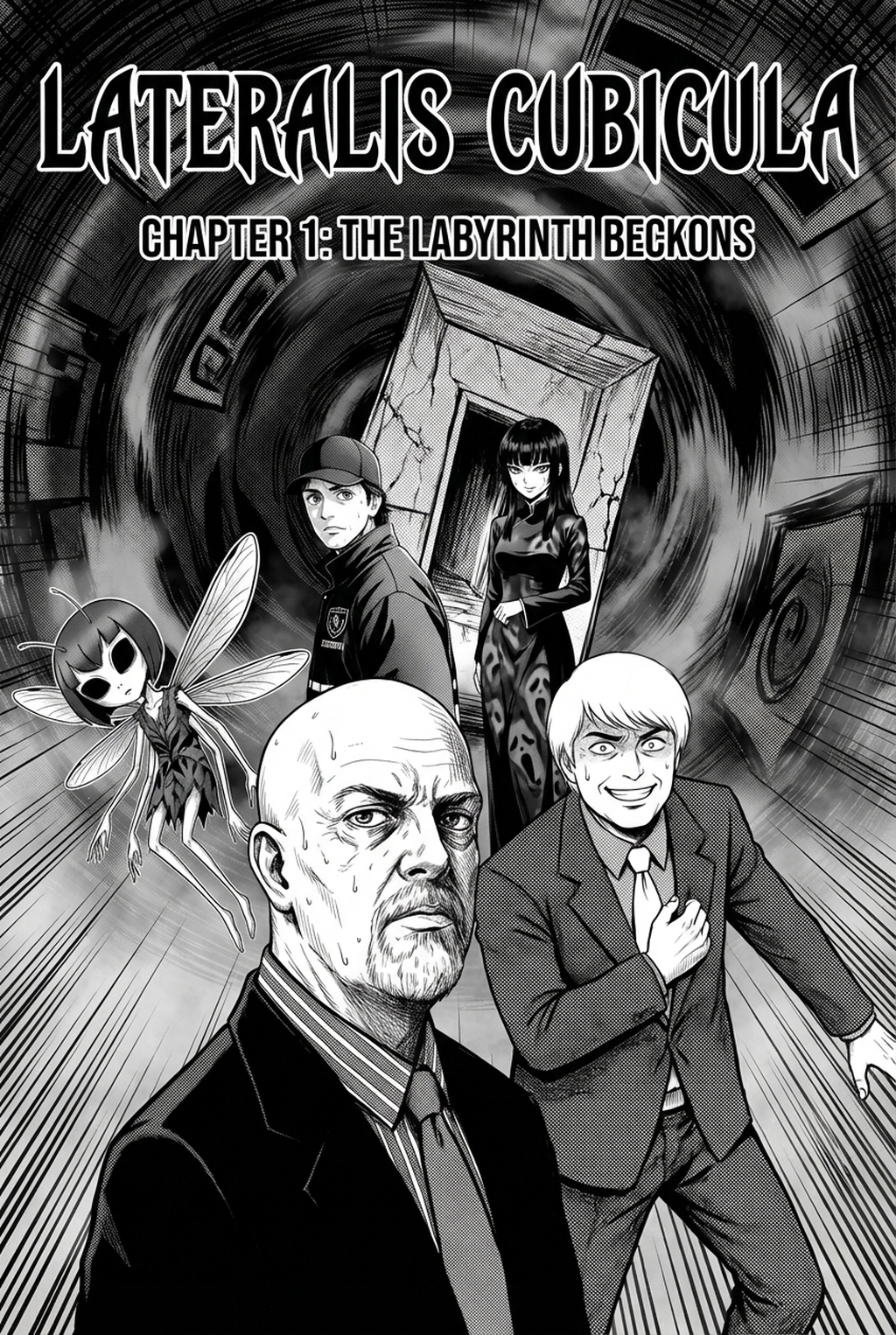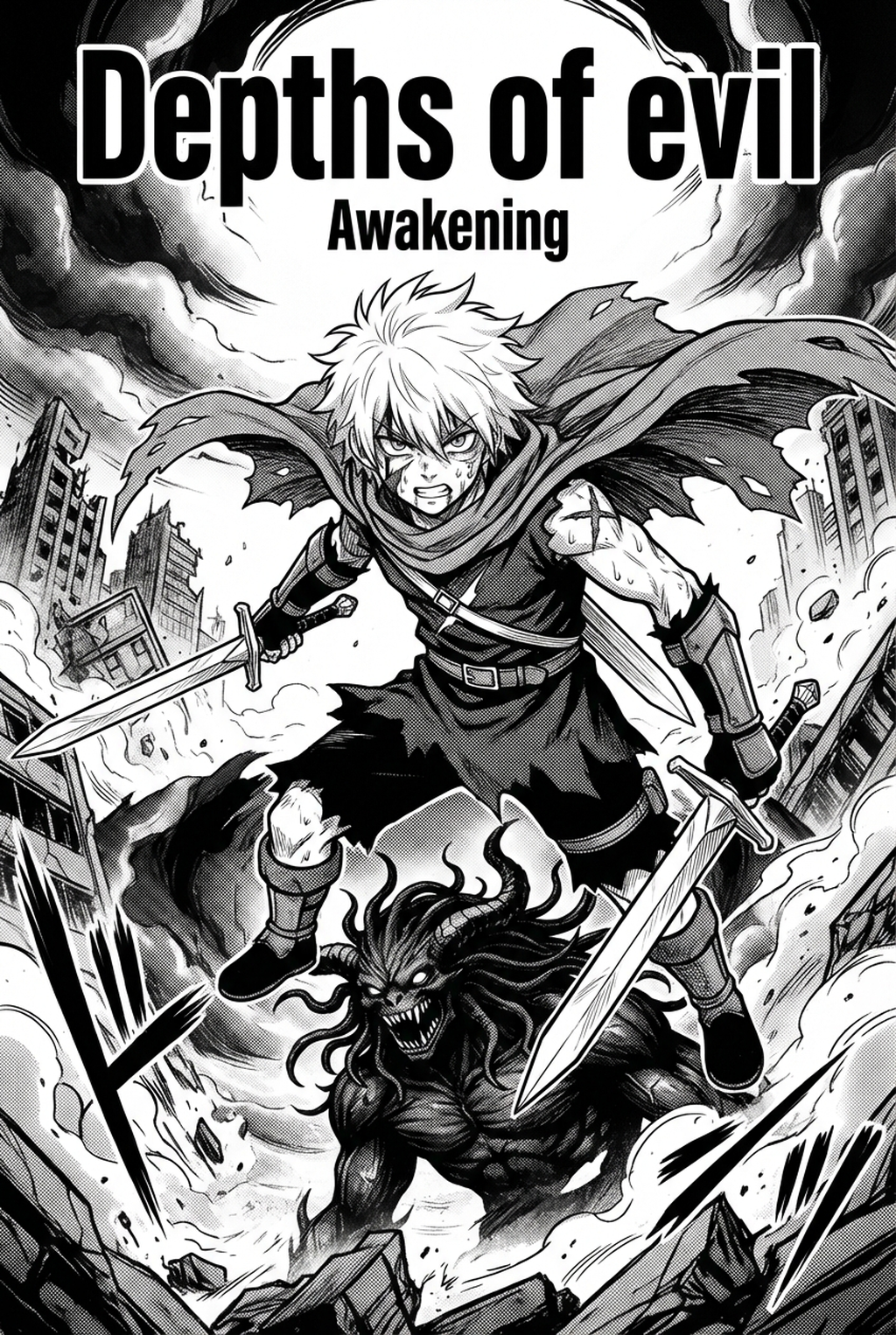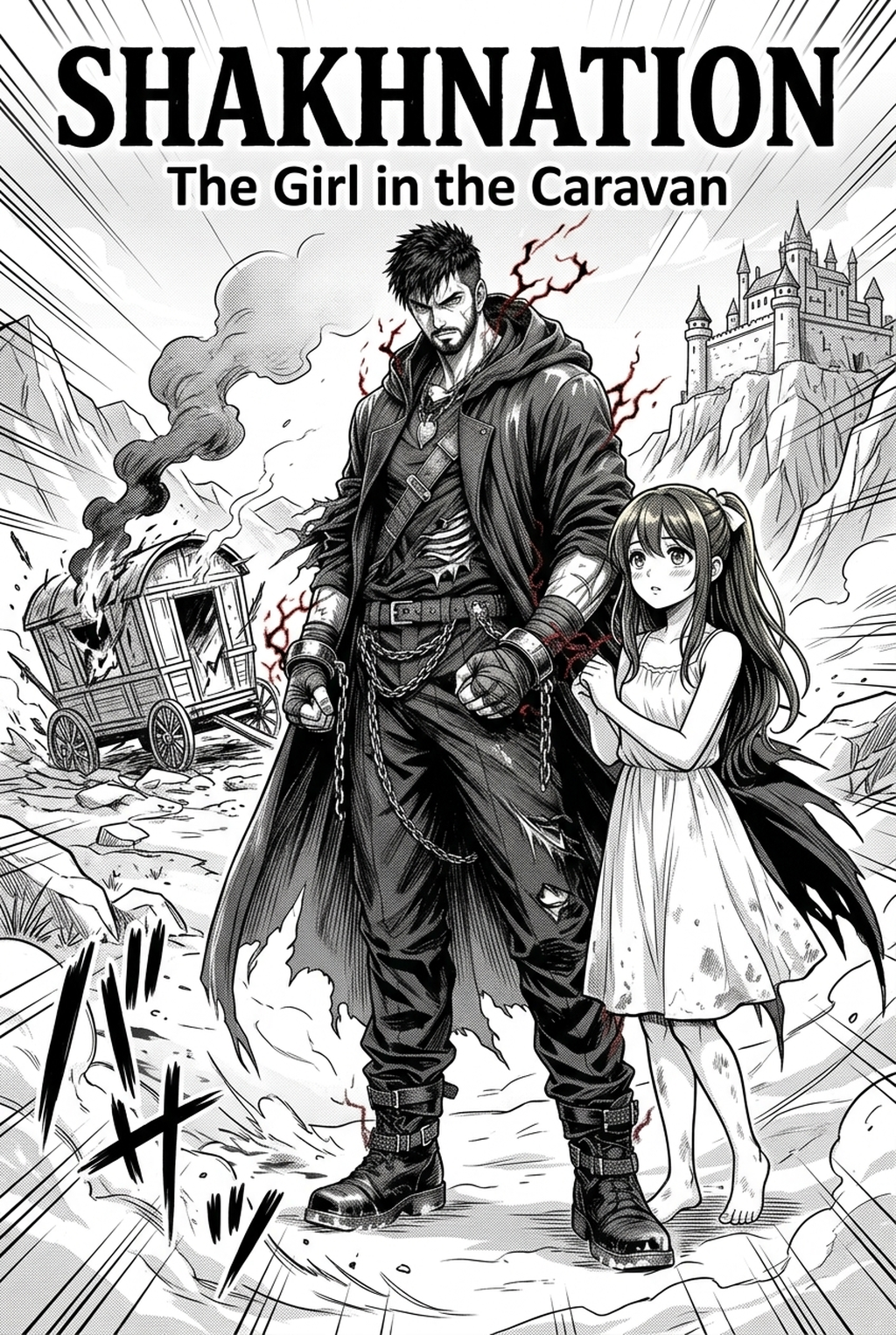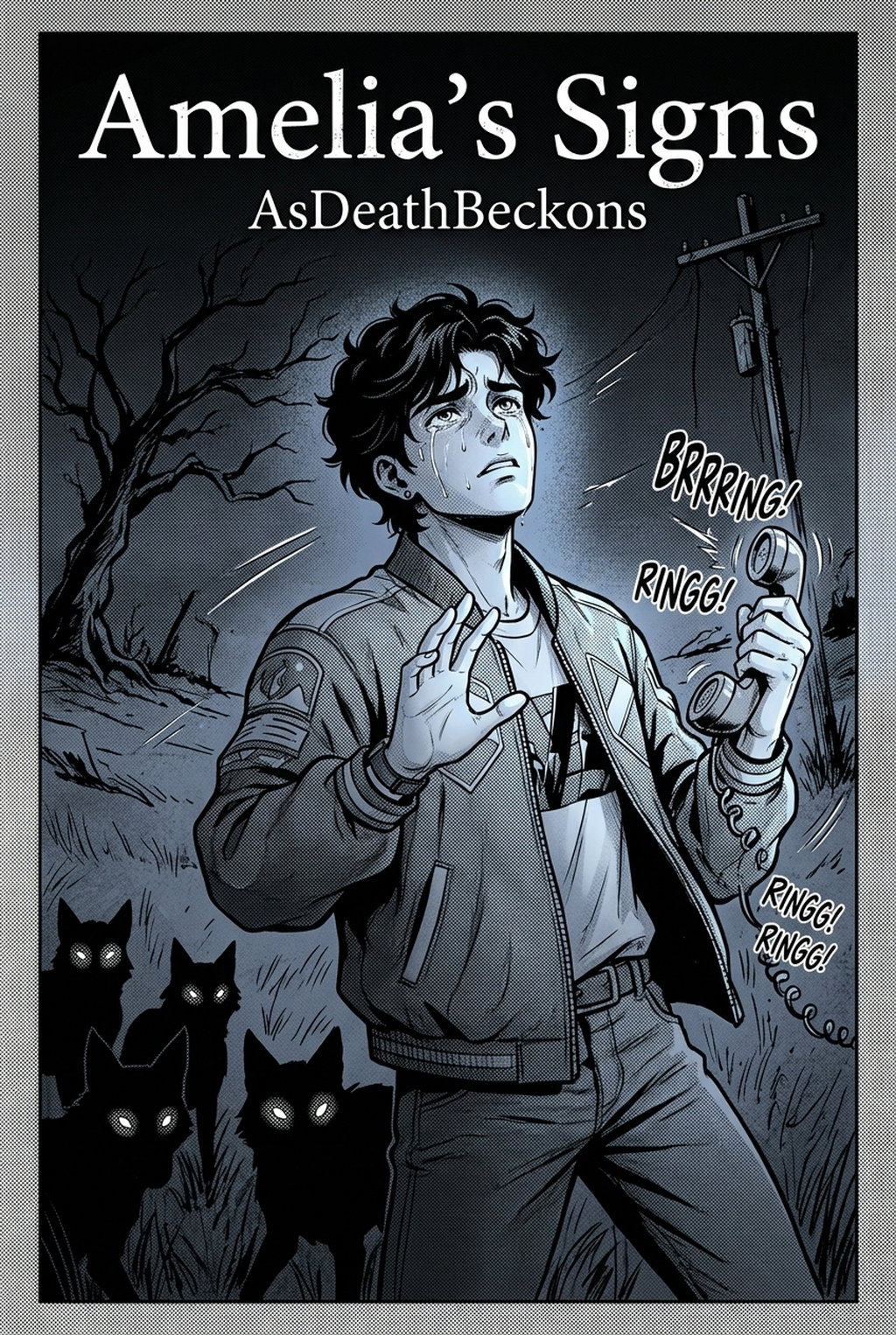
Defining the AI Manga Storyboard Builder
A high-stakes thriller relies on the "space between panels" not merely as a temporal gap, but as a weaponized void designed to dictate pacing and build existential dread. While a standard Shonen manga uses consistent, readable gutters to clarify motion, a thriller storyboard must intentionally introduce ambiguity to mirror a character’s internal mental fragmentation.
You should view every page as a mechanism for controlling information intake, using distorted perspectives and extreme close-ups to limit the reader’s sightline. This practice forces the reader into a position of voyeurism, where they observe the character’s descent without ever knowing the full scope of the threat. The core purpose is to establish an emotional rhythm that keeps the audience questioning the protagonist’s sanity, effectively turning the page layout itself into an unreliable narrator.
| Technique | Narrative Function | Reader Impact |
|---|---|---|
| High-Angle Surveillance | Creates a sense of being watched | Increases paranoia and isolation |
| Claustrophobic Clusters | Limits visible background context | Induces a feeling of entrapment |
| Asymmetrical Gutters | Disrupts traditional reading flow | Signals internal mental instability |
Essential Narrative Flow for Manga Creators
In psychological thrillers, narrative flow is the primary mechanism for controlling reveal timing, as creators must strategically arrange panels to hide or highlight specific, unsettling clues. If you place a reveal directly after a dense, claustrophobic cluster of small panels, the sudden transition to a larger, singular panel amplifies the shock value of the information provided.
You must leverage gutter-time to introduce visual ambiguity; the reader should feel slightly disoriented as they transition from one panel to the next, mirroring the mental state of the protagonist. To achieve this, your storyboards must treat every panel break as a moment to obfuscate the truth. When the layout remains too predictable, the reader relaxes, causing the "thriller" elements to lose their bite. Keep the visual tension high by ensuring that the reader’s eye cannot easily find a resting point, effectively maintaining a state of low-level alarm throughout the chapter.
Enhancing Storyboards with AI-Driven Layout Tools
AI storyboard builders allow creators to rapidly iterate on panel arrangements to find the most disquieting sequence without the time-consuming process of manual redrawing. By automating the structural layout, you shift your focus toward high-level narrative tension rather than the technical formatting of borders and speech-bubble clearance.
When using tools like psychological thriller manga storyboard with Mangaka , you can experiment with "dread-inducing" layouts—such as high-angle surveillance shots or tight, claustrophobic clusters—that force the reader into a position of voyeurism. The ability to instantly test how a three-panel vertical sequence looks versus a fragmented four-panel cluster allows you to see if the visual rhythm truly disrupts the reader's expectation. This tool-assisted process ensures your final export, whether in a high-resolution PSD or a print-ready PDF, maintains your artistic intent without character-proportion drift or line-weight inconsistencies that often plague manual adjustments.
You should vary your panel counts aggressively; use fewer panels when building urgency and dense, cluttered panels for mounting anxiety. This shift in page density forces the eye to scan at different speeds, creating a stuttering, heartbeat-like rhythm that reflects the character's mounting panic.
Check character consistency, panel readability, line quality, and export readiness before publishing. Creators should also record why the page passed review, which panel details still need manual cleanup, and which export format the next collaborator will use. That makes the subsection useful instead of leaving a short checklist under a large heading.
Integrate visual anchoring by placing repeating, slightly shifting objects across pages to symbolize the character’s deteriorating mental state. If a character sees a specific ink-blot motif in panel one, shifting its size and placement in subsequent, larger panels creates a sense of psychological erosion that the reader will notice subconsciously.
Use Cases for Psychological Thriller Architecture
The storyboard must map character mental states through visual distortions and recurring, shifting motifs that challenge previous page assumptions. You should track how each page turn challenges previous assumptions, using the storyboard to manage the degradation of the character’s reality. By systematically breaking the visual rules you set in the first few pages, you can effectively signal to the reader that the narrative reality is no longer stable. This is not just about page layout; it is about creating a deliberate, escalating dissonance that persists until the final page of your chapter.
Getting Started with Mangaka Tools
To build a professional thriller, you must prioritize compositional intent by acting as a layout architect rather than just a sketch artist. Start by focusing on the "unreliable narrator" reveal beats, ensuring that panel breaks obscure the full truth until the exact moment of maximal impact.
- Utilize layout assistants: Allow the AI to suggest panel ratios, then manually refine them to ensure they prioritize your intended emotional focal point. * Handle reveal beats: Always place the most critical information immediately following a series of ambiguous, tightly-cropped panels to heighten the reveal.
Creators should compare the generated line art with the original sketch and confirm that facial expressions, props, speed lines, and speech-bubble space still support the scene. A repeatable review pass should cover character consistency, panel readability, background clarity, and whether the final file is ready for coloring, lettering, or editor feedback.
The Bottom Line
A professional AI Manga Storyboard Builder workflow is a tool of misdirection and controlled pacing that relies on breaking the reader's visual expectations. By utilizing automated storyboard builders, creators can move past the tedious technical barrier to focus entirely on the emotional and psychological architecture of their story. Start your next project at psychological thriller manga storyboard to streamline your narrative flow and build tension effectively.
Related articles
Manga Storyboard: A Complete Guide to Planning Panels 2026
Start Your Manga Storyboard Fast with AI Automation in 2026
4-Koma Manga: A Guide to Mastering the 4-Panel Story in 2026